Insurance binder timing can quietly change the real first-year cost of a South Florida family-scale condo by shaping budget review, unit-level coverage planning, flood insurance coordination and lender closing readiness.
For a South Florida family-scale condo buyer, the purchase price is only the opening figure. The more revealing number is the first-year cost of ownership: monthly assessments, reserves, taxes, financing, unit insurance, flood coverage where required and the less visible cost of timing. In today’s market, the insurance binder has become a small document with outsized influence.
An insurance binder is typically used as temporary evidence of coverage while the full policy process is being completed. In practical terms, it can bridge the gap between an application and the issued policy. For a financed buyer, it can also bridge the distance between a signed contract and an actual closing.
That matters in luxury towers, where family-scale residences often combine larger interiors, terraces, multiple bedrooms and waterfront exposure. A buyer comparing Brickell, Miami Beach or Sunny Isles Beach is not simply comparing views and finishes. The more sophisticated comparison is between three insurance clocks: the association master-policy timing, the buyer’s HO-6 timing and any flood-policy timing that may apply.
The association’s insurance program is not an abstract building matter. It can be a core input in the budget, and the budget becomes part of the owner’s monthly assessment picture.
When insurance costs, deductibles or coverage structures change, a building’s carrying-cost profile can change even if a buyer’s contract price does not. The residence may be negotiated beautifully, while the building’s insurance cycle is moving in another direction.
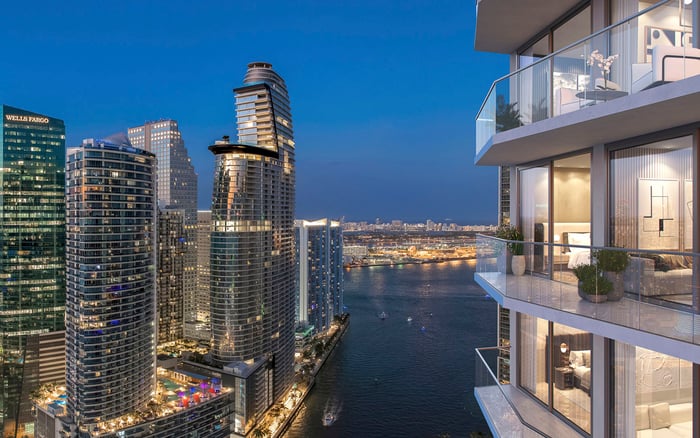
This is why buyers looking at new or recently completed residences, such as 2200 Brickell, often focus not only on amenities and floor plans, but also on the rhythm of the association budget. The question is not merely, “What is the current monthly fee?” It is, “When was the insurance reviewed, and does the current assessment already reflect that review?”
Condo insurance cost is divided between the building-level program and the owner’s unit-level needs. A buyer should understand which items are handled by the association’s coverage and which items belong in the owner’s own insurance plan.
That is where HO-6 coverage enters the family buyer’s due-diligence file. A residence may be impeccably designed, with custom cabinetry, stone surfaces and designer lighting, but those improvements may need separate attention from the buyer’s own insurance advisor. The timing of the buyer’s binder can therefore affect the closing process and the first-year cash picture.
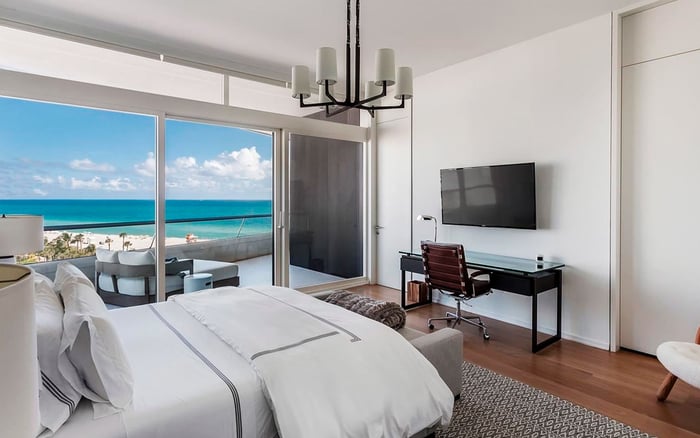
In Miami Beach, where buyers often weigh lifestyle, beach access and daily convenience together, a residence such as The Perigon Miami Beach illustrates the broader point: the more finished and personalized the home, the more important it becomes to understand what is covered by the association and what belongs in the owner’s own coverage program.
In South Florida, tropical-weather risk is not just a background condition. It can shape transaction timing.
When storm risk is active, buyers may find that insurance conversations become more time-sensitive. A buyer who waits until the final days before closing may face uncertainty, lender friction or a need to adjust the closing calendar. That does not mean every late binder fails. It means the cost of delay can include avoidable pressure.
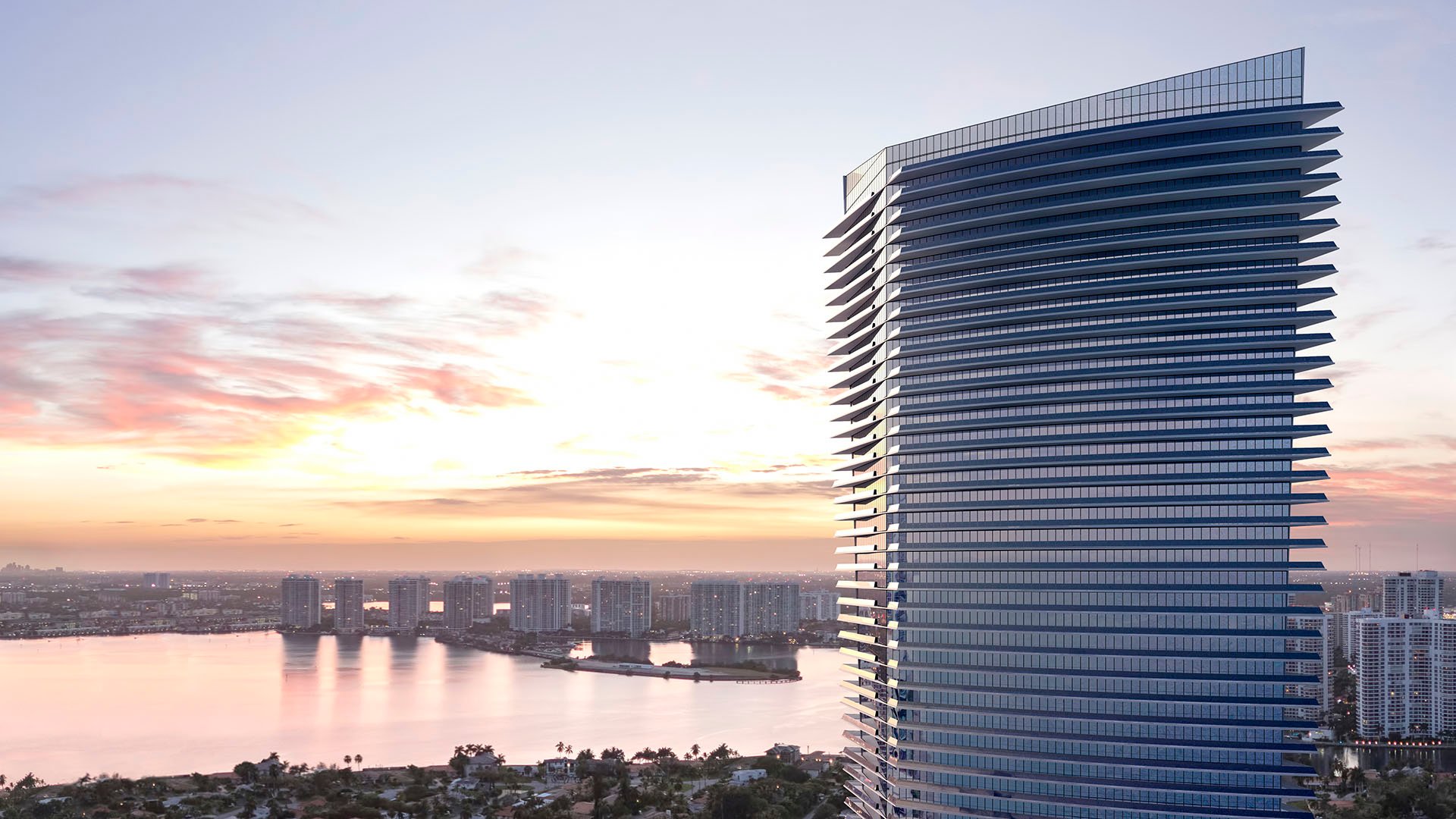
For waterfront buyers, especially those considering oceanfront or bayfront residences, the prudent approach is to place insurance timing alongside inspection, title and financing milestones. At properties such as The Ritz-Carlton Residences® Sunny Isles, the lifestyle premium is obvious. The insurance timing premium is quieter, but it can be equally material to the ownership experience.
Flood insurance can operate on its own timeline. For a financed condo purchase, that timing can matter if the lender requires evidence of flood coverage before closing.
The practical lesson is simple: do not treat the flood date as a footnote. Ask early whether the building, the unit and the loan structure create a flood-insurance requirement, then align the effective date with the closing calendar.
Insurance is only one piece of the carrying-cost architecture. Condo buyers should also review reserves, building condition, planned work, deductible exposure and any assessment history that could affect the first year of ownership.
These items do not replace the insurance discussion. They intensify it, because premiums, deductibles, reserves and assessments can all converge in the same ownership period.
In Fort Lauderdale, a buyer studying Riva Residenze Fort Lauderdale or comparable family-scale offerings should consider how building age, reserve posture and insurance timing interact. In West Palm Beach, the same disciplined lens applies to newer luxury options such as Alba West Palm Beach, where the buyer’s focus may shift from deferred maintenance to how initial budgets and coverage structures are set.
The most elegant approach is not to guess the premium. It is to sequence the questions. First, identify the association’s insurance timing and ask whether the current budget already reflects the latest information available to the board. Second, request clarity on deductibles, uncovered-loss treatment and how insured-event expenses may be allocated. Third, obtain the lender’s insurance requirements early, including unit-level and flood requirements where applicable. Fourth, bind HO-6 coverage with enough time to handle underwriting questions.
This is where Pricing & Trends becomes personal. The market may speak in price per square foot, but the family balance sheet lives in monthly obligations, effective dates and assessment exposure.
What is an insurance binder? It is temporary evidence of insurance coverage while the full policy process is being completed.
Why does binder timing matter for a condo purchase? A lender may need acceptable insurance evidence before closing, so delays can create closing friction.
Is the association master policy enough for a family-scale condo? Not always. Buyers should confirm which items are covered by the association and which items need unit-level coverage.
Can association insurance timing affect monthly assessments? Yes. Insurance costs can influence the building budget, which can affect an owner’s monthly cost picture.
Why is HO-6 coverage important? HO-6 coverage helps address unit-level insurance needs that may not be handled by the association’s policy.
Can insurance deductibles become an owner concern? They can. Buyers should ask how deductibles and uncovered losses may be allocated within the condominium documents and budget.
Why is storm season relevant to binders? Active storm risk can make insurance conversations more time-sensitive and may add pressure near closing.
Does flood insurance always follow the same timeline as HO-6 coverage? Not necessarily. Buyers should confirm effective dates and lender requirements early.
Do reserves and building condition affect the insurance conversation? Yes. Reserves, planned work and building condition can shape the broader carrying-cost risk for condo owners.
What should buyers ask before removing contingencies? Ask about association insurance timing, budget treatment, deductible structure, unit-level requirements and any flood-insurance needs.
When you're ready to tour or underwrite the options, connect with MILLION.
If branded residences are on your mind — as a home or as an allocation — we would be glad to share what we are seeing, privately.
Begin a quiet conversation