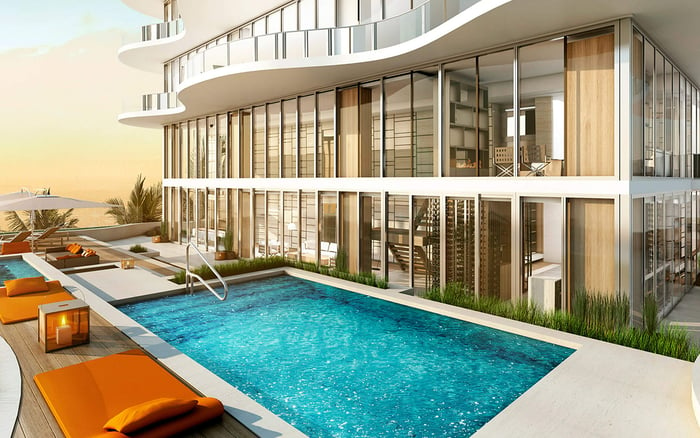
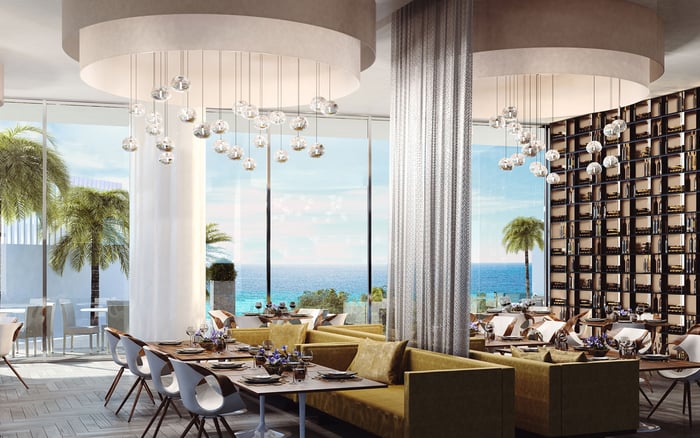
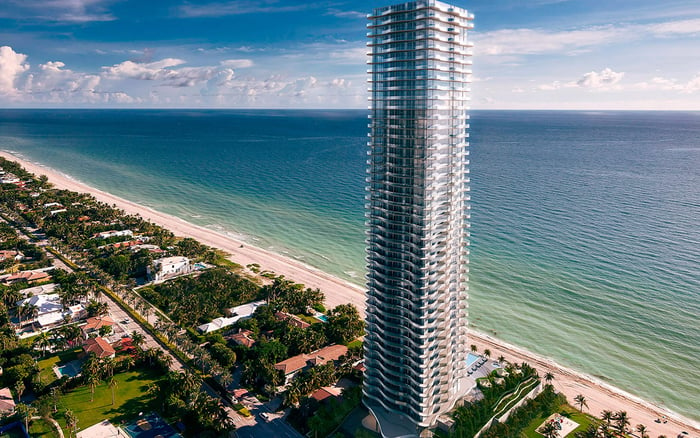
A discreet buyer’s guide for Silicon Valley executives and founders evaluating a seasonal pied-à-terre in Sunny Isles Beach, with emphasis on privacy, service, waterfront lifestyle, lock-and-leave ownership, and long-term fit.
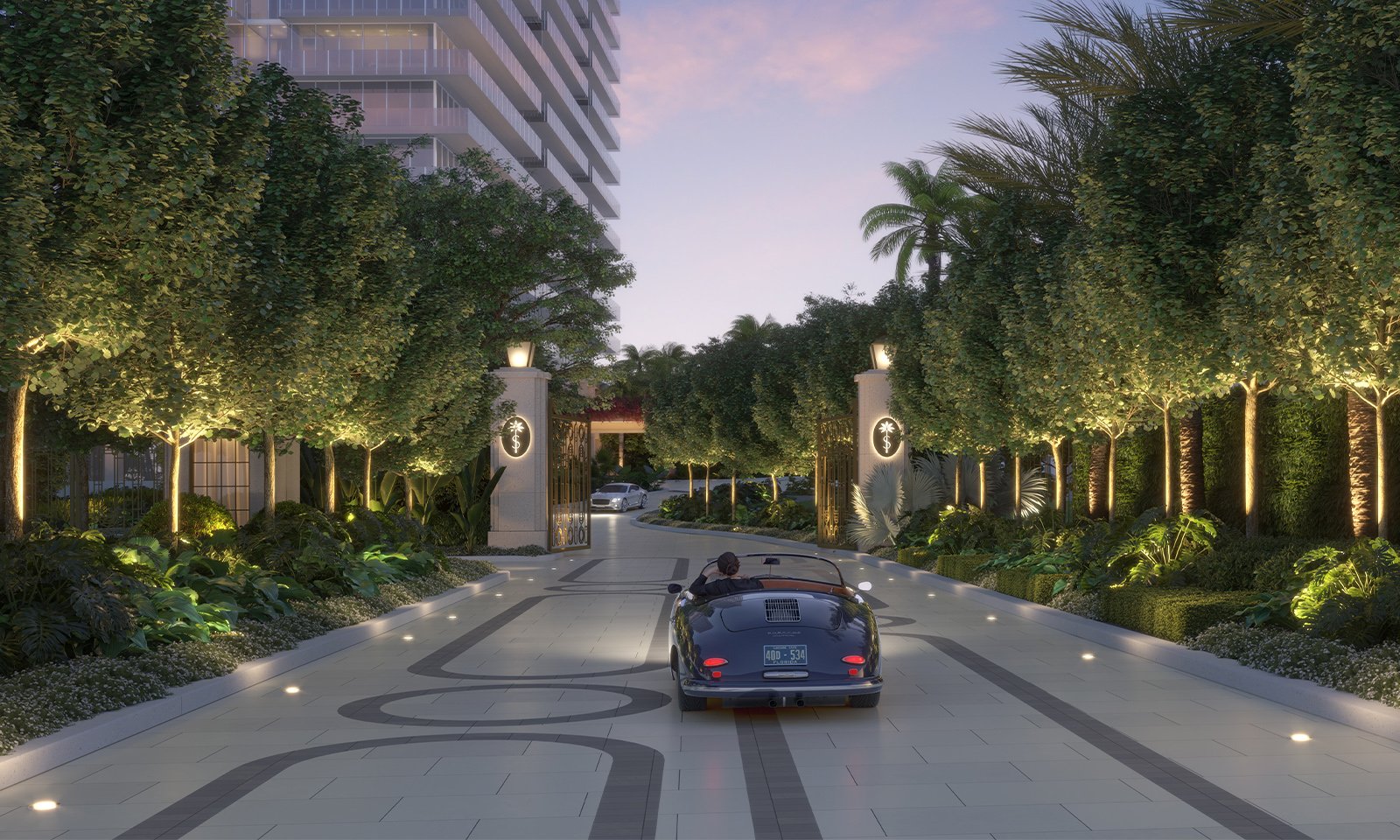
For a Silicon Valley buyer, the ideal South Florida pied-à-terre is rarely just a beautiful apartment. It is a private operating base, a recovery suite, a family gathering point, and a strategic foothold in a market that rewards discernment. Sunny Isles Beach speaks to that profile by pairing oceanfront living with a polished residential tone, creating a setting that can feel both restorative and highly functional.
This guide is for clients who already understand luxury, but want to understand fit. The question is not simply whether a residence photographs well. The sharper question is whether it supports the way you actually move between homes, airports, offices, schools, clubs, restaurants, boats, and the water.
A seasonal pied-à-terre should remove friction. It should be easy to open, easy to secure, easy to maintain, and easy to enjoy without becoming another complex asset on your calendar.
The first decision is not the floor plan. It is the usage pattern. A founder arriving alone for long weekends needs a different residence than a family spending winter holidays in South Florida, or a couple expecting regular guests from New York, London, Palo Alto, or Austin.
Start with a realistic calendar. How many trips will you make each season? Will you work from the residence? Will children, parents, or staff stay with you? Do you expect formal entertaining, wellness routines, beach time, boating, or quiet privacy? A pied-à-terre used ten nights a year can be more jewel-box than compound. A true second home should live more generously, with separation between the primary suite, guest rooms, work areas, and service zones.
For technology buyers accustomed to efficiency, the best purchase is often the one that feels invisible in operation. If every arrival requires coordination, packages are difficult, closets are inadequate, or guest parking becomes a recurring negotiation, the residence will feel smaller than its square footage.
Sunny Isles Beach is compelling because it offers a linear, coastal lifestyle. The daily rhythm is intuitive: wake to water, work privately, step outside for air, return to a serviced building, and host without overcomplicating the evening. For many West Coast buyers, the appeal is not spectacle. It is the ability to trade a long commute and dense schedule for a residence that immediately shifts the nervous system.
Waterfront buyers should pay close attention to orientation, privacy between towers, terrace usability, and the feeling of arrival from the lobby to the residence. A view is not the same as a daily experience. Light, wind, acoustics, and the relationship between the living room and terrace all matter.
Buildings such as Bentley Residences Sunny Isles speak to buyers who want a highly designed address with a recognizable point of view. Others may prefer the hospitality cadence associated with St. Regis® Residences Sunny Isles, where the brand itself signals a certain expectation of service and formality.
Seasonal owners often discover that the most valuable amenity is not the most photogenic one. It is reliable service. The right building should support a lock-and-leave lifestyle with staff, systems, and policies that make ownership feel calm when you are not in residence.
Ask practical questions before falling in love with the finishes. How are deliveries handled? How are guests processed? What is the protocol for vendors? Can the residence be prepared before arrival? Are there rules that affect pets, household staff, rentals, renovations, or extended family use? These details are not glamorous, but they define the ownership experience.
Branded Residences can be attractive to seasonal buyers because they often communicate an expectation around consistency, presentation, and hospitality. That does not make every branded project the right choice, but it gives the buyer a useful lens. Consider whether the building culture matches your own. Some owners want resort energy. Others want discretion, silence, and a staff that remembers preferences without performing familiarity.
A pied-à-terre should be compact enough to maintain effortlessly and generous enough to avoid compromise. The temptation is to buy for peak occupancy, but the better approach is to buy for the normal week and solve for guests intelligently.
If you will work from the residence, a defined office or flexible secondary bedroom is essential. If you host family, the guest suite should not feel like an afterthought. If wellness is central to the decision, evaluate how the primary bath, closets, terrace, gym access, spa access, and morning light work together.
For buyers drawn to established Sunny Isles Beach architecture, Jade Signature Sunny Isles Beach may enter the conversation as a reference point for refined coastal living. Buyers comparing newer branded options may also study The Ritz-Carlton Residences® Sunny Isles, particularly if familiar service language is part of the appeal.
The key is to avoid buying a trophy that does not match the rhythm of your life. A residence can be impressive and still be wrong.
Silicon Valley buyers often carry a quiet preference for privacy. They may not want the most theatrical lobby or the most social pool deck. They may want controlled access, discreet circulation, limited exposure, and a residence that allows them to host selectively.
Evaluate the building like an operating environment. How many touchpoints exist between arrival and front door? Does the elevator sequence feel private? Are service entries thoughtfully separated? Do common areas encourage constant visibility, or do they allow owners to move naturally and quietly?
Privacy also includes digital and logistical privacy. Smart-home systems, package procedures, guest registration, and staff access should all be understood before purchase. The more prominent the buyer, the more important these details become.
A seasonal residence should be emotionally satisfying, but it should also pass a disciplined ownership review. Consider carrying costs, insurance expectations, maintenance culture, reserves, assessment history, and the quality of building governance. In luxury condominiums, the association is part of the asset.
Do not evaluate price in isolation. A less expensive residence with a poor ownership experience may prove costly in time and attention. Conversely, a premium residence in the right building can justify itself through ease, service, and daily pleasure.
Seasonal buyers should also be cautious about relying on rental assumptions unless the building rules, personal use pattern, and ownership objectives are aligned. For many ultra-premium purchasers, the more relevant metric is not yield. It is whether the residence performs as a reliable private retreat.
A strong shortlist should include only residences that satisfy your actual life pattern. Begin with location, then building culture, then residence quality. Do not reverse the sequence.
Tour at different times of day. Stand on the terrace in silence. Observe the lobby without announcing yourself too much. Notice whether staff are polished, whether the building feels maintained, and whether the common areas support the life you want rather than the brochure you were sold.
The right Sunny Isles Beach pied-à-terre should feel composed. It should welcome you without demanding management. It should be elegant enough for guests, comfortable enough for family, and private enough for recovery after a demanding quarter.
Is Sunny Isles Beach a good fit for Silicon Valley buyers? It can be, especially for buyers seeking waterfront living, privacy, service, and a seasonal base that feels removed from daily work intensity.
Should I buy oceanfront or consider a nearby waterfront residence? Oceanfront offers direct coastal atmosphere, while waterfront alternatives may provide a different balance of privacy, access, and value.
How large should a seasonal pied-à-terre be? It should match your normal use, not just your largest guest scenario. A flexible extra room is often more useful than oversizing unnecessarily.
Are Branded Residences better for seasonal ownership? They can be appealing when service consistency and recognizable hospitality standards matter, but the building culture still needs to fit your lifestyle.
What matters most for a lock-and-leave home? Staff reliability, security, delivery handling, vendor access, maintenance protocols, and clear rules are often more important than visible amenities.
Should I prioritize views or floor plan? Both matter, but a weak floor plan will affect daily living more than a spectacular view can compensate for over time.
How should I evaluate privacy? Study the arrival sequence, elevator access, sightlines, staff procedures, terrace exposure, and how often you must pass through shared social spaces.
Is a pied-à-terre different from a second home? Yes. A pied-à-terre can be more compact and occasional, while a second home should support longer stays, guests, and fuller routines.
Can I work comfortably from a seasonal residence? Yes, if the residence includes quiet space, strong separation from guest areas, and a layout that supports video calls and concentration.
When should I involve an advisor? Involve one before touring widely, so the search is shaped around building culture, ownership costs, privacy, and the way you actually live.
For a discreet conversation and a curated building-by-building shortlist, connect with MILLION.
If branded residences are on your mind — as a home or as an allocation — we would be glad to share what we are seeing, privately.
Begin a quiet conversation