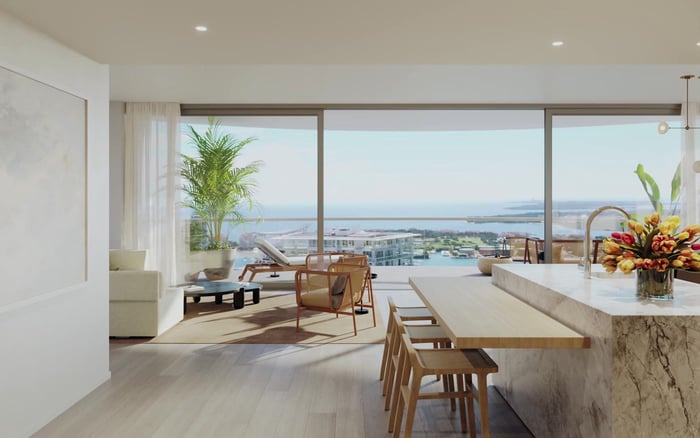
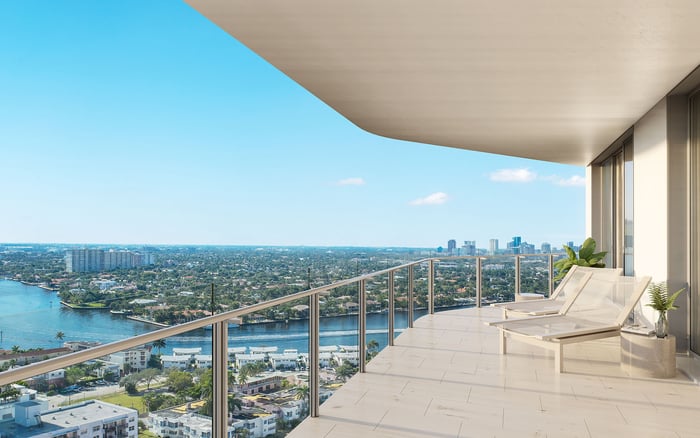
A practical luxury buyer’s guide to evaluating glass replacement in Fort Lauderdale residences, from impact glazing and balcony exposure to HOA approvals, warranties, insurance conversations, and resale documentation.
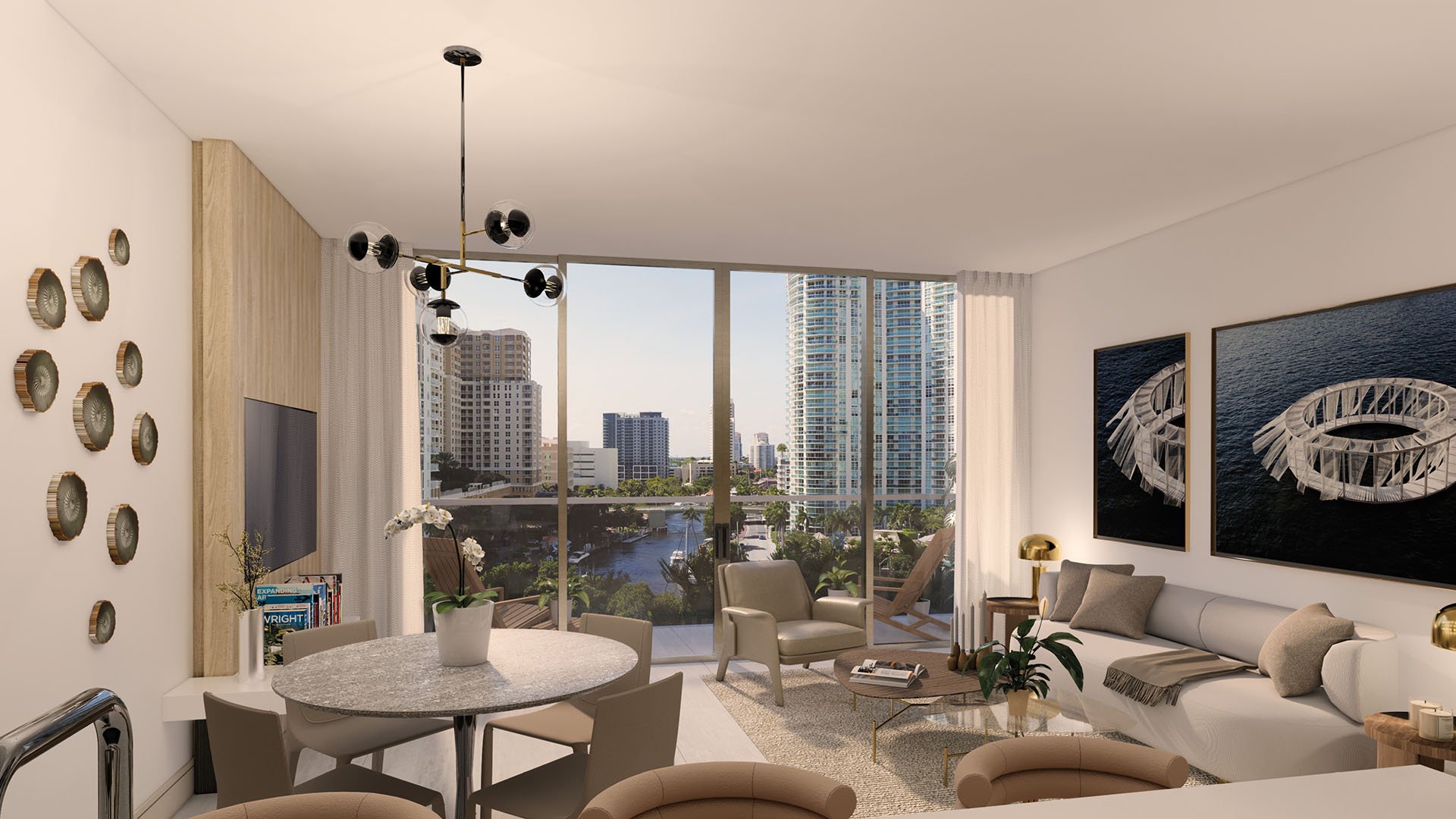
In Fort Lauderdale, glass is not a decorative afterthought. It frames the water, filters the light, opens rooms to terraces, and defines the daily experience of a luxury residence. For buyers comparing a new tower, a waterfront single-family home, or a carefully renovated resale property, glazing belongs in the core due diligence conversation-not as a cosmetic line item discovered after closing.
A Fort Lauderdale waterfront residence is often purchased for the very qualities that make glass replacement worth studying: broad exposures, balcony openings, dramatic view corridors, and rooms designed around sun and sky. The more glass a home has, the more important it becomes to understand what is installed, how it was approved, who maintains it, and what future replacement could involve.
This is especially true in Broward, where luxury buyers are accustomed to asking sophisticated questions about structure, insurance, maintenance reserves, and building systems. Glass belongs in that same category. It is part architecture, part performance envelope, and part ownership planning.
The first question is not simply whether the glass is impact resistant. Buyers should ask whether the glass, frame, anchoring, seals, and operating hardware are designed to perform together as a complete system. A premium pane installed into an aging or mismatched frame may not deliver the same confidence as a coordinated assembly.
Ask what type of glazing is present, whether any openings have been replaced over time, and whether the work was permitted. In a condominium, confirm whether windows and sliding doors are considered owner responsibility, association responsibility, or a shared obligation. In a single-family estate, ask for the history of prior replacement work, invoices, warranties, and any documentation that identifies the product installed.
For buyers, the goal is not to become an engineer. The goal is to know which questions should be answered by qualified professionals before the purchase becomes emotional and time-sensitive.
In a luxury condominium, glass replacement can involve far more than selecting a product. The association may control the exterior appearance, approved vendors, installation hours, elevator use, debris removal, waterproofing details, and balcony access. Buyers should ask whether the building has a current replacement standard and whether prior owners have completed similar work.
Balcony doors deserve particular attention. A balcony may feel like an effortless extension of the living room, but the threshold, track, drainage, and weatherstripping are all part of the comfort equation. If doors are heavy, noisy, difficult to lock, or visibly deteriorated, buyers should ask whether adjustment, component replacement, or full system replacement is more appropriate.
Also ask whether the association has pending facade, railing, waterproofing, or exterior maintenance projects. Even if glass replacement is private work, it may need to be coordinated around broader building access, staging, or design requirements.
Luxury buyers often focus on the view, but the environment around that view matters. Oceanfront, Intracoastal, canal, and riverfront exposures can each create different maintenance considerations. Salt air, wind-driven rain, sun exposure, and repeated opening and closing can all influence the useful life of seals, rollers, locks, and frames.
A waterview home with expansive sliders may require more frequent attention to tracks and hardware than an inland home with smaller fixed windows. That does not diminish its value. It simply changes the ownership conversation. Buyers should ask how often doors are serviced, whether replacement parts are readily available, and whether the system still feels aligned, secure, and smooth.
Glass also affects the interior experience. Heat gain, glare, noise, and condensation concerns can shape how a residence lives day to day. Before closing, buyers should visit at different times if possible and pay attention to comfort, not just outlook.
New-construction residences may offer the benefit of contemporary specifications, but buyers should still review what is actually included. Ask about glazing performance, warranties, maintenance obligations, and whether any owner modifications could affect the building envelope. The sales gallery may communicate design intent, while the governing documents and specifications define the owner’s actual position.
In a resale residence, the questions become more forensic. Were windows replaced room by room or all at once? Are there mismatched systems? Were permits closed? Are warranties transferable? Has the association approved the work? Does any visible fogging, staining, corrosion, or difficulty operating doors suggest that further review is needed?
Neither category is inherently superior. A newer residence can still require careful documentation, while an older residence may have been upgraded thoughtfully. The premium buyer’s advantage is discipline: ask early, document everything, and treat uncertainty as a negotiation point.
Glass replacement can affect more than aesthetics. It may become part of a wider insurance, inspection, or risk-management discussion. Buyers should ask their insurance advisor what documentation they may want to see and whether any upgrades could influence underwriting conversations. The answer may vary by property, product, and policy, so this should be addressed before assumptions become part of the offer strategy.
Timing is another luxury consideration. Replacing major glass openings can involve measuring, ordering, association approval, permitting, installation scheduling, interior protection, and post-installation touchups. For a second-home buyer planning seasonal occupancy, the question is not only cost. It is whether the work can be done without disrupting the intended use of the residence.
This is where a well-advised buyer gains leverage. If replacement is likely, ask for estimates before closing when possible. If replacement is not imminent, ask what maintenance plan will preserve performance and appearance.
A polished residence can still deserve a rigorous glass review. Before waiving contingencies, buyers should ask for permits, product information, warranty documents, association rules, maintenance history, and any correspondence related to prior replacements. They should also ask a qualified inspector or contractor to evaluate not just the glass, but the surrounding frame, sealant, drainage path, and adjacent finishes.
Listen carefully to how sellers and associations respond. Clear records inspire confidence. Vague answers do not automatically mean a problem exists, but they should prompt a deeper review. In Fort Lauderdale’s upper market, discretion and beauty matter, but so does documentation.
The best glass replacement strategy is not always immediate replacement. Sometimes it is verification, service, targeted repair, or simply understanding a future capital item before it becomes urgent. For luxury buyers, that knowledge can be as valuable as the view itself.
Should every Fort Lauderdale luxury buyer ask about glass replacement? Yes. Even when glass appears elegant and clear, buyers should understand the age, condition, approval history, and maintenance obligations.
Is impact glass the only issue to review? No. Frames, anchors, seals, tracks, locks, drainage, and installation quality all matter because glass performs as part of a system.
Who decides replacement standards in a condominium? The governing documents and association rules usually shape what owners can replace, how it must look, and how work is coordinated.
What should buyers request from a seller? Ask for permits, invoices, product information, warranties, maintenance records, and any association approvals related to windows or doors.
Does balcony glass require special attention? Yes. Balcony openings often involve sliders, thresholds, tracks, drainage, and hardware that receive frequent use and weather exposure.
Can glass condition affect insurance discussions? It can be relevant. Buyers should ask their insurance advisor what documentation may be useful before finalizing coverage assumptions.
Is new construction automatically worry-free? No. Buyers should still review specifications, warranties, maintenance duties, and the documents that define owner responsibility.
What are warning signs during a showing? Fogging, staining, corrosion, difficult operation, water marks, loose hardware, or uneven sliding doors should prompt closer review.
Should buyers replace glass before moving in? Not necessarily. The better first step is professional evaluation, followed by a plan that balances urgency, budget, timing, and use.
What is the best way to shortlist comparable options for touring? Start with location fit, delivery status, and daily lifestyle priorities, then compare stacks and elevations to validate views and privacy.
To compare the best-fit options with clarity, connect with MILLION.
If branded residences are on your mind — as a home or as an allocation — we would be glad to share what we are seeing, privately.
Begin a quiet conversation