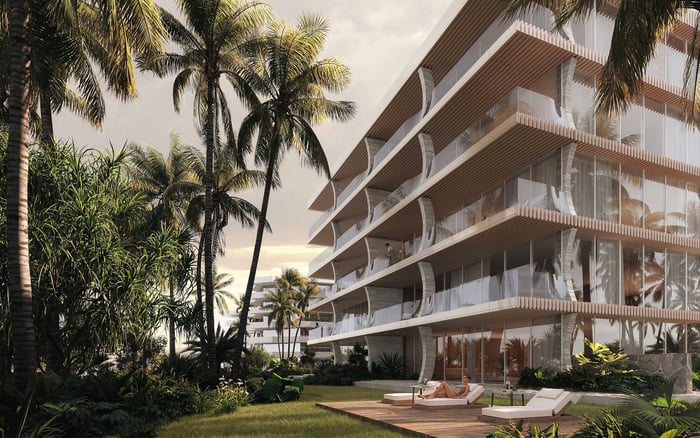
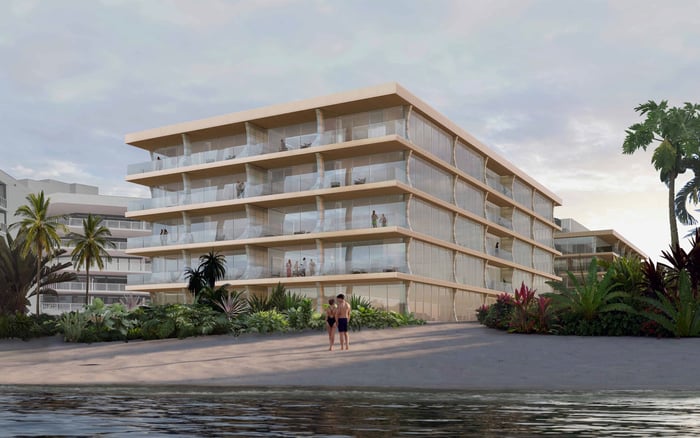
For buyers who treat sport as part of their daily architecture, tennis and padel are no longer amenities. They are lifestyle infrastructure that influences where to buy, how to design a home, and which communities hold their value. In Palm Beach County, the most coveted addresses tend to cluster around privacy, service, and year-round play, with courts that feel closer to a private club than a shared facility. Below, MILLION Luxury outlines what discerning buyers should look for when “private courts” are on the shortlist, then presents a ranked set of developments and communities that fit the brief in a Palm Beach context: discreet, polished, and engineered for repeatable rituals rather than occasional recreation.
In the top tier of Palm Beach County real estate, “tennis court” once read as a resort-style amenity. Today, the expectation is sharper: genuine privacy, reliable access, and an environment that supports serious play. Padel has accelerated that evolution. As the sport becomes part of the weekly rhythm for households and their guests, buyers increasingly assess a residence the way they would assess a private club-access, upkeep, scheduling, and the surrounding social fabric.
The most compelling properties are not necessarily those with the highest court count, but those where courts are woven into a broader ecosystem of wellness, security, and service. For buyers using Palm Beach as a second-home base, the standard is frictionless routine. A court you can step onto at 7:00 a.m. without negotiating a sign-up sheet can matter as much as a well-run lobby or a dependable valet.
“Private tennis and padel” can describe a wide range of realities. For a buyer planning to play often, it helps to translate marketing language into practical, operational questions.
First, privacy is about access control-not simply the presence of a gate. In the strongest scenarios, courts are reserved for residents and their guests, with clear rules that prevent the space from becoming a quasi-public attraction. Second, playability is non-negotiable: lighting that feels considered rather than harsh, wind exposure reduced through landscaping or placement, and surfaces maintained to a standard that stays consistent through the seasons.
Third, evaluate scheduling and culture. Some communities have courts, but not a court lifestyle. Others naturally support match play, coaching, and a steady rotation of partners without feeling overly programmed. For many households, the sweet spot is discreetly social: you can find a game when you want one-and disappear when you don’t.
Finally, account for adjacency. Courts can draw noise and foot traffic. Premium planning places them close enough to be convenient, yet far enough to keep nearby residences quiet and insulated.
The following ranking reflects what luxury buyers typically value most in Palm Beach County when courts are a priority: privacy, everyday usability, and the broader residential experience that makes frequent play feel effortless.
1. Palm Beach oceanfront and in-town condominium living - lock-and-leave with club proximity
For buyers who want Palm Beach refinement with a low-maintenance footprint, established condominium living can support a court-oriented lifestyle through proximity to private clubs and the ease of maintaining an athletic routine without managing a large estate. The appeal is the cadence: arrive, settle, play, and repeat-without operational friction.
This category suits households prioritizing discretion, predictable building operations, and a calendar built around appointments, dinners, and morning matches. If you are exploring a Palm Beach footprint designed for simplicity, Palm Beach Residences is a helpful starting point for understanding the area’s residential landscape.
2. West Palm Beach waterfront new construction - modern service and wellness adjacency
West Palm Beach has emerged as a compelling complement to Palm Beach proper for buyers who prefer contemporary planning, newer systems, and a more modern amenity stack. While not every building will deliver truly private courts, the strongest options align with a lifestyle where wellness is built into the property-fitness, recovery, and social spaces that make consistency easier.
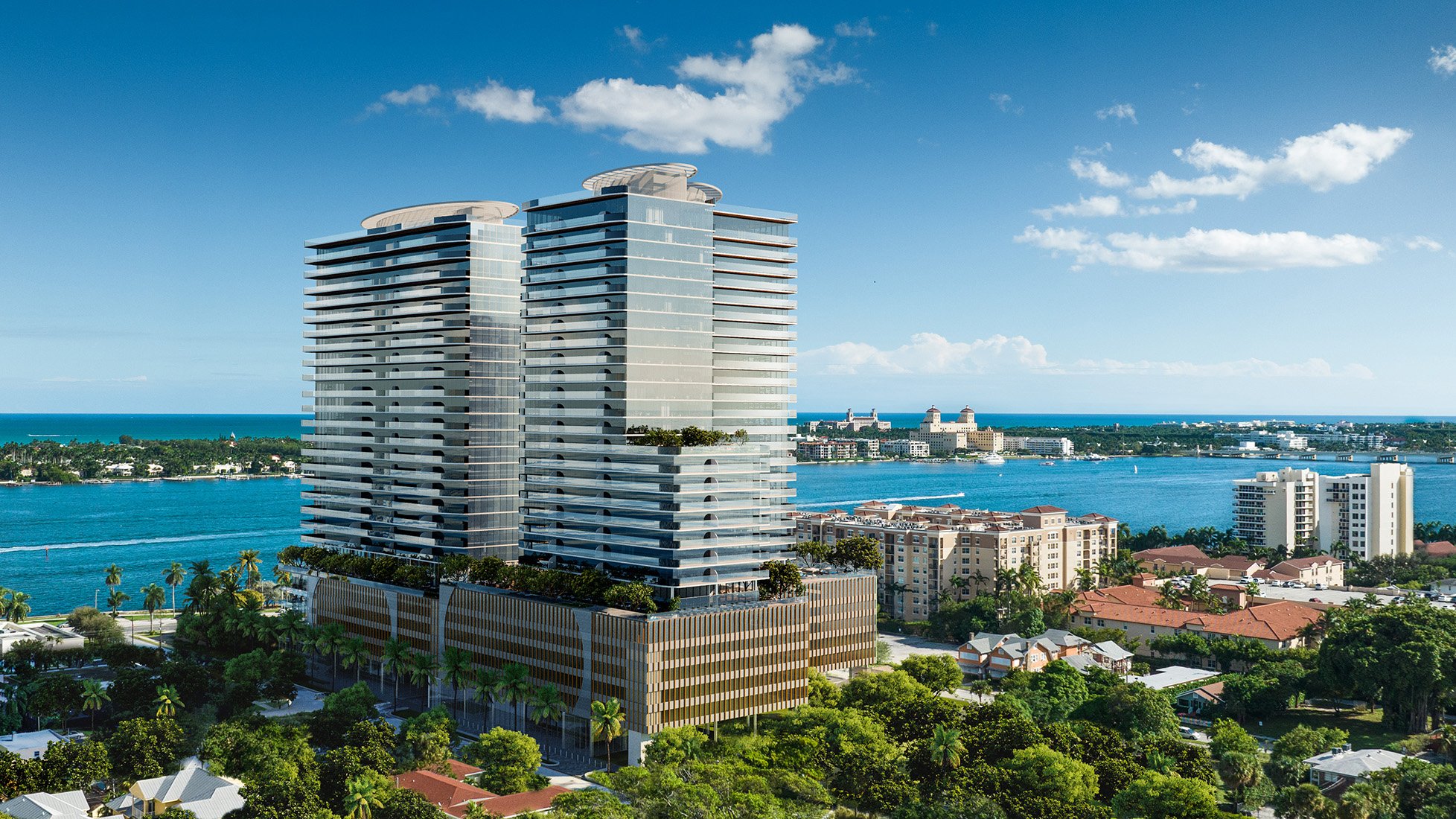
For those seeking a polished tower lifestyle while staying close to the Palm Beach orbit, Alba West Palm Beach offers a lens into the new-construction buyer experience in the area, where day-to-day service and modern design can support an athletic schedule.
3. Gated communities in Palm Beach County - estate-scale privacy with dedicated courts
When the priority is true control, gated community living remains the most direct path to court privacy. The value proposition is not only the ability to build or access dedicated tennis and padel facilities, but also perimeter security, consistent neighborhood standards, and the social flywheel that comes from residents who chose the community for similar reasons.
In a strong gated environment, courts are not an afterthought. They are part of the community’s identity-supported by management and reinforced by a culture of regular play. This is often where you see the clearest distinction between “courts exist” and “courts are lived in.”
4. Boca Raton luxury condominium corridors - refined daily life with sport as routine
Boca Raton’s luxury market attracts buyers who want a balance of polish and practicality, supported by a year-round population that sustains recurring match play and a deeper bench of coaching and partners. The strongest residential options tend to prioritize ease: secure arrivals, well-run buildings, and proximity to the broader Boca lifestyle.
If your search is oriented toward a contemporary condo experience while keeping courts within a short radius, Alina Residences Boca Raton is a useful point of reference for the caliber of product that draws court-minded buyers into the Boca Raton conversation.
5. Palm Beach Gardens and North County luxury - space, privacy, and everyday play
North County offers a different kind of luxury: more land, greater separation, and an easier path to a home environment that accommodates sport as a daily ritual. For many buyers, that translates to quieter streets, larger floor plans, and a lifestyle where courts, golf, and wellness can coexist without logistical compromise.
For a branded, service-oriented approach to North County living, The Ritz-Carlton Residences® Palm Beach Gardens illustrates the appeal of pairing residential privacy with hospitality-level expectations.
6. New-construction corridors near Flagler waterfront - a modern alternative to legacy enclaves
For some households, the ideal isn’t a legacy address but a modern one that operates like a private club: design-forward spaces, clean lines, and a clearly defined operational standard. Along the Flagler-facing side of West Palm Beach, select projects aim to deliver a more contemporary interpretation of the Palm Beach County lifestyle.
Buyers comparing the nuances of waterfront positioning and amenity design may also look at Forté on Flagler West Palm Beach as an example of the market’s premium direction, especially when a fitness-forward routine is part of the purchase logic.
7. Ultra-private single-family compounds - bespoke courts with architectural integration
At the top end of single-family, the most satisfying court experiences are often the most bespoke. A properly integrated tennis or padel court reads as architecture rather than an accessory: placement that respects sightlines and neighbors, lighting designed to feel residential, and landscaping that buffers sound while elevating the arrival experience.
For buyers commissioning or acquiring estate-scale property, the court becomes an extension of the home’s entertaining program. The best compounds treat it as a destination: morning practice, sunset doubles, and family weekends that feel complete without leaving the property.
When comparing communities and buildings, treat courts as operational assets. Ask how reservations work, what hours are actually usable, and whether guest play is limited. In a truly premium environment, rules exist to protect the experience-not to complicate it.
Pay attention to maintenance cues that are easy to overlook during a tour. Are the lines crisp? Does the surface feel consistent underfoot? Is the area clean and quiet, or does it read like an afterthought behind the pool deck? Also consider the walk from your residence to the court. A court that is technically on-site but inconvenient to access tends to be used less.
If padel is a priority, look for clear signs of long-term commitment: designated space, proper fencing and sightlines, and a plan for wear-and-tear. Padel is social; it works best when the property anticipates that energy while still protecting the calm of adjacent residences.
The most sophisticated court lifestyles are intentionally paced. Morning play is often the anchor: less wind, cooler temperatures, and a schedule that keeps the day open for the beach, shopping, or a late lunch. For families, courts can also serve as a quiet centerpiece for multigenerational time-especially when the property supports both serious practice and casual games.
If you are buying with longevity in mind, prioritize environments where sport and discretion coexist. The goal is not to live in a sports complex. The goal is to have sport available at the same level of finish as the rest of your life.
What is the real difference between “on-site courts” and “private courts”? Private courts imply controlled access and predictable availability, not merely that a court exists.
Is padel a meaningful amenity for resale in Palm Beach County? It can be, especially when it signals a modern, wellness-forward lifestyle that buyers recognize.
Should I prioritize tennis or padel if I only have space for one? Choose the sport you will play weekly; consistency matters more than trend alignment.
Do courts add noise risk to a residence? Yes, which is why placement, buffers, and distance from living areas should be evaluated.
Are condo buyers at a disadvantage versus single-family buyers for court privacy? Not always; a well-run building plus strong proximity can outperform a poorly planned estate.
How do I vet court maintenance without overstepping? Tour at different times, look for surface wear, and ask how upkeep is scheduled and funded.
What court lighting should feel like in a luxury setting? Even, glare-controlled illumination that supports play without turning the area into a stadium.
Can padel coexist with a quiet, discreet community? Yes, when courts are properly sited and rules protect residents who are not playing.
What should I ask about guest access for tennis and padel? Clarify whether guests can reserve courts and whether resident presence is required.
How important is a community culture of play? Very; a strong culture makes it easier to find partners and sustain a weekly routine.
To compare the best-fit options with clarity, connect with MILLION Luxury.
If branded residences are on your mind — as a home or as an allocation — we would be glad to share what we are seeing, privately.
Begin a quiet conversation