A discreet buyer’s guide to evaluating flood-zone exposure, insurance questions, building design, and resale considerations before purchasing luxury real estate in Fort Lauderdale.
Fort Lauderdale rewards buyers who look beyond the view. A residence may feel impeccably positioned, with yacht water, polished amenities, and a coveted address, yet flood-zone exposure remains property-specific. It belongs in the first tier of diligence, alongside title, structural condition, association health, and privacy.
The central question is not simply whether a home is near water. It is how the specific parcel, building, parking areas, mechanical systems, lobby level, access points, and insurance profile respond to water. In a market where waterfront living is central to the lifestyle, the sophisticated buyer treats flood-zone review as part of the architecture of ownership.
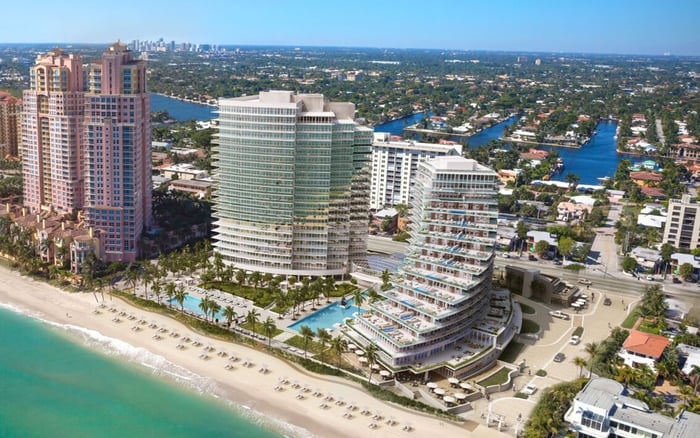
This is especially important across Fort Lauderdale, where luxury inventory ranges from ocean-facing residences on Fort Lauderdale Beach to riverfront buildings, canal estates, and walkable homes near Las Olas. Each setting offers a different balance of beauty, convenience, boating access, elevation, and long-term carrying cost.
Begin with the current flood-zone designation tied to the exact parcel or condominium building. Do not rely on neighborhood shorthand. Adjacent properties can present different profiles, and the line between one designation and another may matter to lenders, insurers, and future buyers.
For a condominium, ask whether the designation applies to the structure, the common elements, the garage, or specific portions of the site. For a single-family residence, ask how the main house, guesthouse, dock area, pool deck, and driveway are situated. The most useful answer is specific, documented, and recent enough to support a current purchase decision.
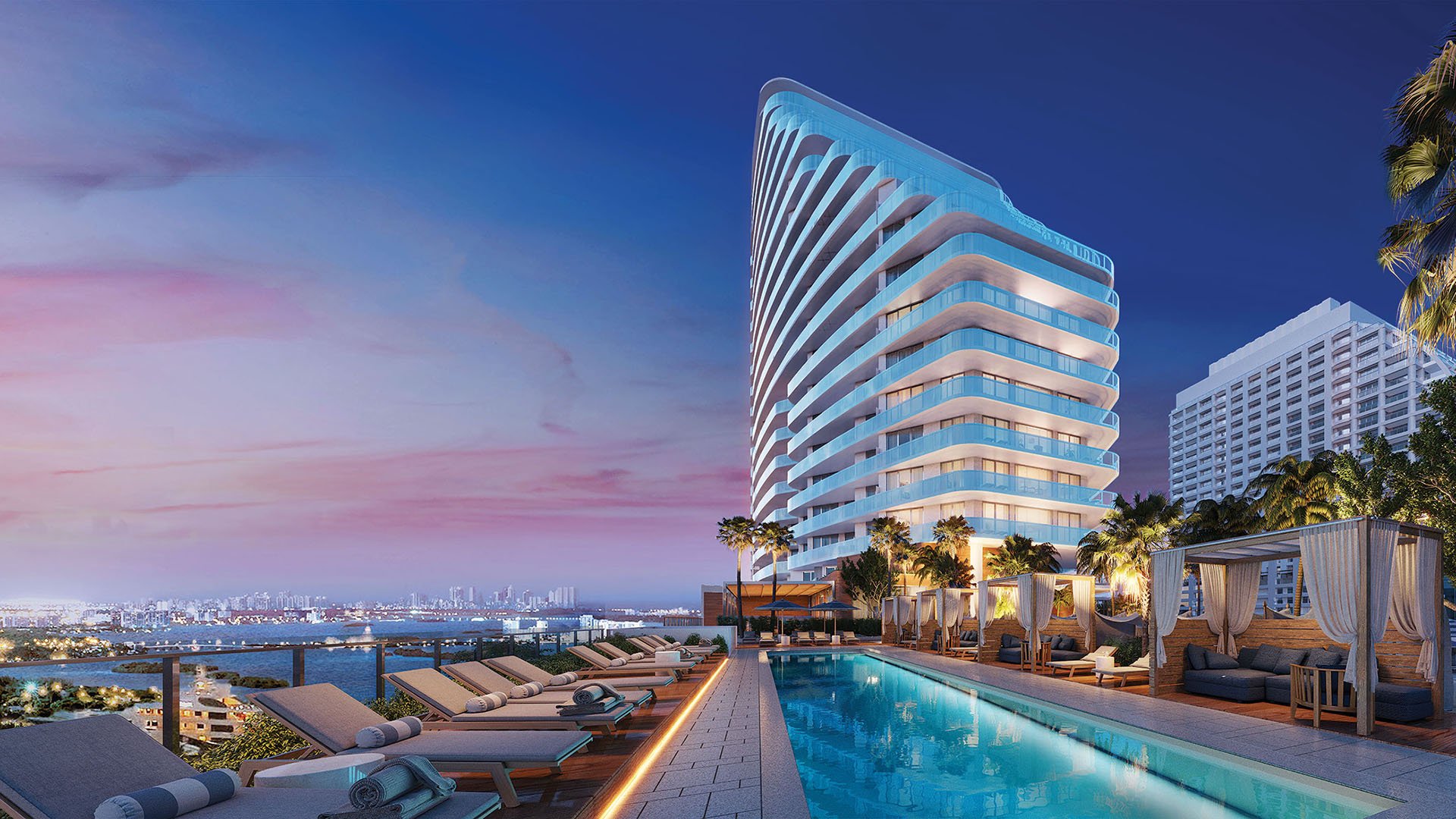
A buyer considering Four Seasons Hotel & Private Residences Fort Lauderdale, for example, should evaluate not only the residential experience but also how the building’s vertical living, common areas, parking, and service access fit within the broader coastal due diligence picture.
Flood-zone exposure becomes clearer when paired with elevation information. Ask whether an elevation certificate, survey, site plan, or comparable building documentation is available. The goal is to understand finished-floor height, garage elevation, entry conditions, and the placement of critical systems.
For new-construction or recently delivered residences, ask how the design team addressed resilience at the site level. This does not require dramatic language. It requires precise questions: Where are electrical rooms located? How is stormwater managed? Are emergency systems protected? What happens to elevators, access control, and building operations if lower areas are affected?
In boutique settings such as Sixth & Rio Fort Lauderdale, attention may naturally go to design, scale, and river proximity. Flood diligence should sit beside those considerations, with equal emphasis on documentation, building systems, and operating continuity.
Insurance is not merely a closing requirement. It is a market signal. Ask what flood-related coverage exists, what the association covers, what the individual owner must carry, and how premiums have behaved over recent renewal periods. If financing is involved, confirm what the lender will require before contract deadlines pass.
For condominium buyers, distinguish between the association’s master policy and the owner’s personal coverage. Ask whether common areas, garages, storage, cabanas, docks, or private terraces require separate analysis. For estate buyers, ask how the insurer views elevation, openings, prior improvements, and any mitigation features.
The cleanest answer is rarely a verbal assurance. It is a package: declarations, loss history if available, association insurance summaries, budget line items, and guidance from a qualified insurance professional. A luxury buyer should know not only whether coverage can be obtained, but how that coverage affects annual ownership cost and the eventual resale conversation.
Past water behavior deserves a direct question. Ask whether the property, garage, lobby, mechanical rooms, residence interiors, exterior amenities, dock, or access roadways have experienced water intrusion. For condominiums, review association minutes and maintenance discussions where available. For single-family homes, ask for seller disclosures, repair records, permits, and contractor documentation.
The question should be specific. “Has the home ever flooded?” may be too narrow. Better questions include: Has water entered the garage? Have elevators been affected? Has the seawall, dock, drainage, or landscaping required flood-related repair? Have any insurance claims been made? Were repairs cosmetic, mechanical, structural, or preventive?
At waterfront residences such as Riva Residenze Fort Lauderdale, the appeal is closely tied to the relationship with the water. That same relationship makes it important to separate lifestyle proximity from operational exposure.
Luxury ownership is about use, not just possession. A residence may sit high, yet the approach roads, garage entrance, valet area, service court, marina access, or pedestrian route may behave differently during heavy weather. Ask how residents enter, exit, receive deliveries, access parking, and use amenities when lower areas are affected.
For buyers focused on Fort Lauderdale Beach, the question often includes hospitality-style operations, valet movement, beach access, and amenity continuity. For Las Olas and riverfront addresses, the inquiry may include bridge routes, garage ramps, and the way water interacts with streets, docks, and low-lying edges.
A buyer studying St. Regis® Residences Bahia Mar Fort Lauderdale should frame flood-zone exposure alongside marina lifestyle, beach proximity, service programming, and the practical realities of arriving and departing in varied conditions.
In a condominium, flood-zone exposure is partly an association issue. Ask how the building budgets for drainage, waterproofing, garage maintenance, seawall or waterfront-edge work, pumps, generators, exterior doors, landscaping recovery, and insurance deductibles. Strong amenities are valuable, but the infrastructure behind them matters just as much.
Review whether planned capital work could affect assessments, access, or the timing of ownership. Ask whether the association has completed or considered improvements related to water management. The point is not to eliminate every risk. The point is to understand whether the building is managed with the seriousness appropriate to its setting.
This buyer’s-guide mindset is especially relevant when comparing established buildings with newer offerings. A refined lobby, private club room, and resort pool should be evaluated together with the less visible systems that protect comfort and continuity.
If the purchase involves renovation, ask whether flood-zone status could affect permitting, elevation requirements, design options, or the feasibility of expanding enclosed space. A seemingly simple reconfiguration may become more complex when the property’s relationship to water is analyzed.
Single-family buyers should ask architects and engineers about first-floor living areas, garages, outdoor kitchens, pool equipment, generators, dock improvements, and seawalls before waiving diligence. Condominium buyers should ask whether interior renovations are constrained by building rules, waterproofing standards, elevator access, and association approvals.
At The Ritz-Carlton Residences® Fort Lauderdale, as with any high-service coastal residence, a buyer should evaluate lifestyle, finishes, and brand-level service together with the practical documentation that supports confident ownership.
Should I avoid every property in a flood zone? Not necessarily. The better question is whether the exposure, insurance, elevation, building systems, and price align with your risk tolerance.
What document should I ask for first? Ask for the current flood-zone designation and any available elevation documentation. Then review insurance and association materials with qualified advisors.
Does a higher-floor condo remove flood concerns? No. Your residence may be elevated, but garages, lobbies, elevators, mechanical systems, and access routes still matter.
Should flood insurance be reviewed before making an offer? It should be reviewed as early as possible. Premiums, coverage limits, exclusions, and lender requirements can all affect the purchase.
What should I ask a condo association? Ask about insurance, reserves, prior water events, drainage systems, garage protection, capital projects, and emergency operating procedures.
Are waterfront homes always more exposed than inland homes? Not always in the same way. Exposure depends on parcel elevation, drainage, construction, surrounding streets, and specific site conditions.
Can renovation plans be affected by flood-zone status? Yes. Permitting, design choices, ground-level space, equipment placement, and improvement scope may need professional review.
What matters most for resale? Buyers will want clear documentation, manageable insurance, evidence of good maintenance, and a credible explanation of exposure.
Who should review the flood details with me? Your advisory team may include an insurance professional, inspector, attorney, surveyor, architect, engineer, and experienced real estate advisor.
What is the best way to shortlist comparable options for touring? Start with location fit, delivery status, and daily lifestyle priorities, then compare stacks and elevations to validate views and privacy.
For a confidential assessment and a building-by-building shortlist, connect with MILLION.
If branded residences are on your mind — as a home or as an allocation — we would be glad to share what we are seeing, privately.
Begin a quiet conversation