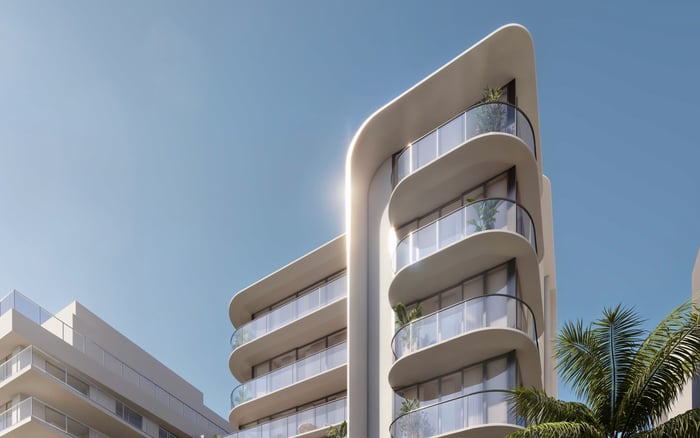
A discreet buyer’s guide to La Maré Bay Harbor Islands, focused on flood-disclosure review, lock-and-leave ownership, and second-home diligence in a waterfront market.
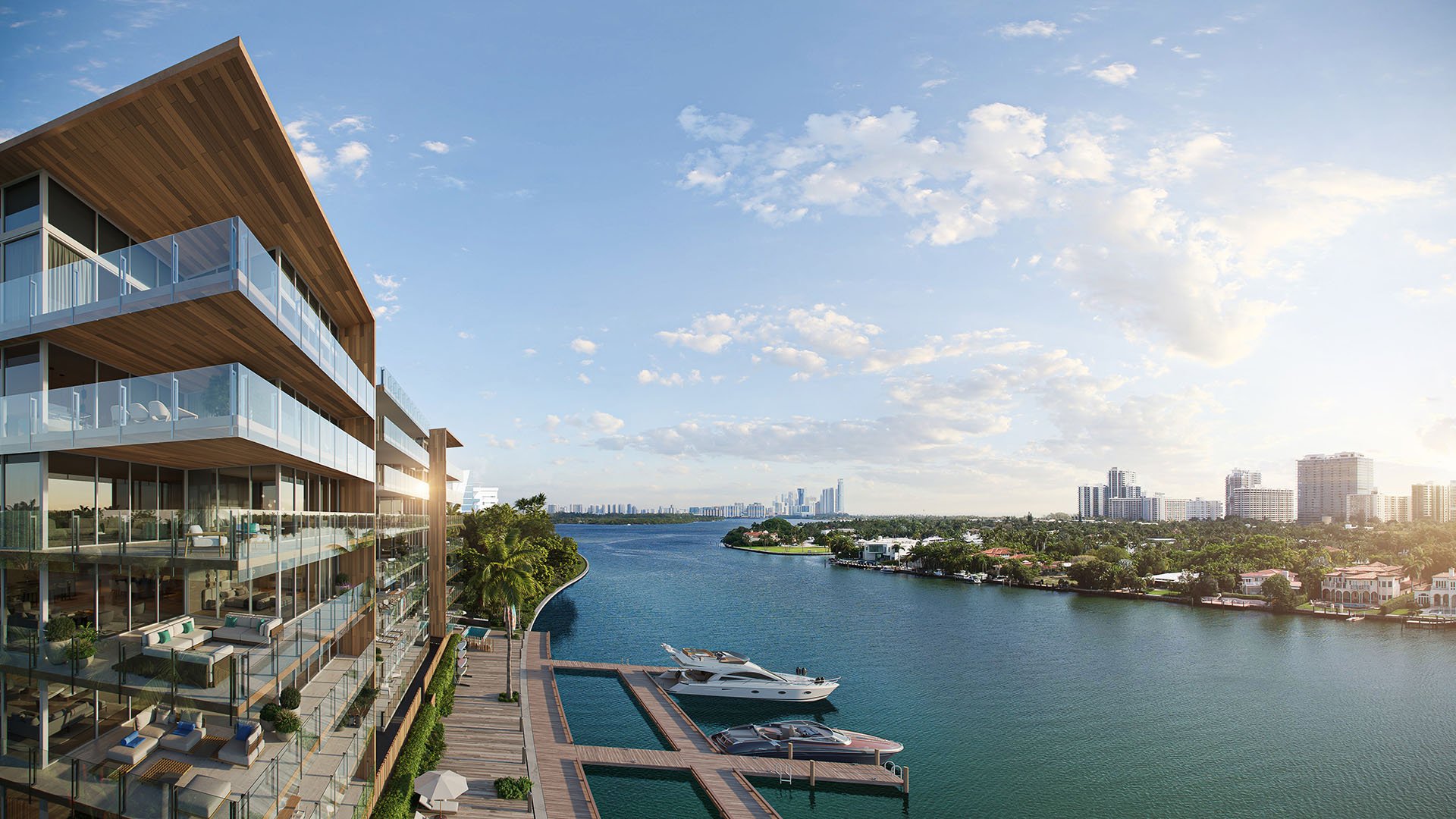
La Maré Bay Harbor Islands sits within a buyer conversation that has moved well beyond a simple preference for water, terraces, and quiet streets. For the lock-and-leave owner, the central question is whether a residence can remain elegant, manageable, and defensible when the owner is elsewhere. Flood-disclosure review belongs at the center of that decision.
The phrase may sound technical, but its practical meaning is personal. It touches insurance expectations, building operations, association planning, maintenance routines, and the owner’s confidence during absences. A seasonal resident, international buyer, or family using a residence as a secondary base may value the intimacy of Bay Harbor Islands, yet still need to understand how the building is prepared, how information is disclosed, and how risk is managed over time.
That is why La Maré Bay Harbor Islands should be studied through two lenses at once: the lifestyle proposition and the ownership framework. The first is emotional. The second is documentary. In South Florida luxury real estate, the strongest decisions respect both.
A primary resident can notice small issues as they emerge. A lock-and-leave owner needs the property, the building, and the association to function as a quiet extension of the household. That does not mean risk disappears. It means the buyer should understand who monitors systems, how notices are communicated, how vendors access the property, and what the owner should do before leaving for extended periods.
Bay Harbor Islands appeals to many buyers precisely because it feels residential rather than theatrical. The scale can be calmer than larger resort corridors, while still remaining connected to the broader Miami and Miami Beach lifestyle. For many buyers, the search shorthand is Bay Harbor: boutique scale, second-home utility, new-construction expectations, and water-view ambitions weighed together.
That combination can be compelling, but it should not invite haste. A lock-and-leave purchase deserves careful review of governing documents, insurance obligations, reserve posture, maintenance standards, storm protocols, and any flood-related disclosures provided during the transaction process. The point is not to create anxiety. The point is to buy with clarity.
Flood-disclosure review is most useful when treated as part of a broader ownership audit. Buyers should not stop at the existence of a disclosure. They should ask what it means for day-to-day ownership, long-term cost exposure, and resale positioning.
A thoughtful review should clarify whether the buyer understands the property’s relationship to flood risk, what responsibilities belong to the owner versus the association, and how building-level protections are maintained. It should also prompt practical questions: where critical systems are located, how water intrusion is addressed, how emergency communication works, and what documentation the association keeps for owners.
For a luxury buyer, the most important issue is often not a single line item. It is governance. A building that communicates clearly, maintains records, and treats preparedness as an ongoing discipline can feel very different from one that leaves owners to interpret risk on their own. This is especially important for an owner who may be away from South Florida when weather becomes a local concern.
La Maré is not considered in isolation. Buyers interested in Bay Harbor Islands often compare several projects to understand the nuances of scale, design language, wellness orientation, and ownership feel. A buyer looking at Alana Bay Harbor Islands may be thinking about a similarly intimate residential rhythm, while a buyer studying Onda Bay Harbor may be focused on how a waterfront setting informs daily living.
The comparison should not be reduced to finishes or renderings. It should include how each property frames service, privacy, parking, storage, building access, owner communication, and resilience planning. Those elements shape the lock-and-leave experience more than a first tour may reveal.
Some buyers will also look at nearby offerings such as The Well Bay Harbor Islands if wellness programming and a more curated daily routine are part of the purchase thesis. Others may consider La Baia North Bay Harbor Islands when the waterfront experience is central. In each case, the strongest comparison is not simply which building is prettier. It is which building best fits how the owner actually lives when present, and how the property is protected when absent.
Before committing, a buyer should ask questions that are both elegant and unromantic. How will the residence be checked when unoccupied? What are the association’s rules for vendors, deliveries, and contractors? Are there preferred procedures for securing terraces, windows, and interior systems before departure? How quickly are owners notified of building events? What insurance responsibilities should the owner confirm independently?
These questions do not diminish the luxury proposition. They refine it. The highest form of residential luxury is not only beauty, but predictability. It is the knowledge that a home can receive guests, hold art, welcome children, accommodate staff, and remain secure while its owner is traveling.
Flood-disclosure review should also inform the buyer’s time horizon. A short-term holder may think about marketability and buyer perception. A long-term owner may care more about maintenance quality, association discipline, and the durability of building systems. Both should study documents before allowing emotion to lead.
The appeal of La Maré Bay Harbor Islands is tied to a particular kind of luxury: discreet, residential, and coastal without being showy. It is for the buyer who wants proximity without constant spectacle, privacy without isolation, and a home that can function as a Miami base rather than a hotel-like performance.
That is why the lock-and-leave test is so important. If the residence is intended for seasonal use, the owner should think beyond the arrival experience. What happens three weeks after departure? Who notices a maintenance issue? How is access controlled? How does the association communicate? How are shared areas protected and maintained? A beautiful residence becomes a true second home only when these answers are persuasive.
For some buyers, the decision may come down to feel. For others, it will come down to documentation. The wisest approach is to make both work together. In a waterfront market, romance and review should not compete. They should complete each other.
Why is flood-disclosure review important for La Maré Bay Harbor Islands? It helps buyers understand how flood-related information may affect ownership, insurance planning, maintenance expectations, and long-term confidence.
Is La Maré Bay Harbor Islands suited to lock-and-leave ownership? It may appeal to lock-and-leave buyers, but suitability depends on building operations, association documents, owner responsibilities, and personal risk tolerance.
What should a second-home buyer review before purchasing? Review association documents, insurance obligations, maintenance procedures, vendor access rules, emergency communication, and any flood-related disclosures.
Does a boutique building automatically mean easier ownership? Not automatically. Boutique scale can feel more manageable, but buyers still need to understand staffing, systems, governance, and maintenance practices.
How should buyers compare Bay Harbor Islands projects? Compare lifestyle, privacy, service expectations, water orientation, building operations, document quality, and the practical experience of being away.
Should flood risk prevent a luxury waterfront purchase? Not necessarily. The better question is whether the buyer understands the risk, the building response, the insurance framework, and the ongoing obligations.
What makes lock-and-leave ownership different from primary residency? The owner is not always present to observe issues, so communication, monitoring, access control, and preparedness become more important.
Are insurance questions part of the luxury buying process? Yes. Insurance expectations, exclusions, deductibles, and owner responsibilities should be reviewed before purchase, especially in waterfront settings.
What is the role of the association in this review? The association’s communication, maintenance discipline, reserves, rules, and emergency procedures can materially affect the owner experience.
How should a buyer approach La Maré before making an offer? Pair the lifestyle evaluation with document review, insurance consultation, and practical questions about how the home functions when unoccupied.
For a discreet conversation and a curated building-by-building shortlist, connect with MILLION.
If branded residences are on your mind — as a home or as an allocation — we would be glad to share what we are seeing, privately.
Begin a quiet conversation