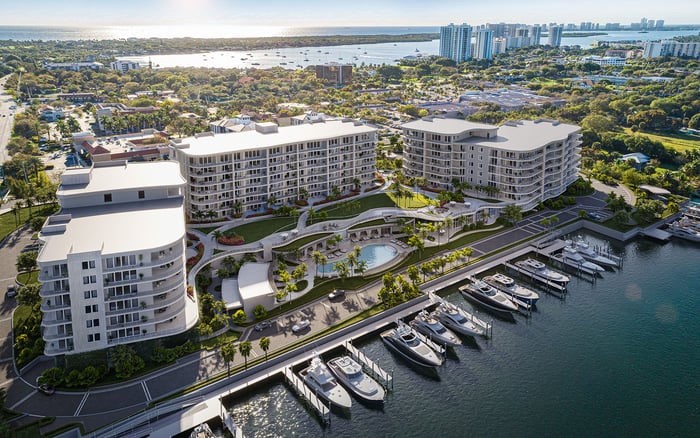
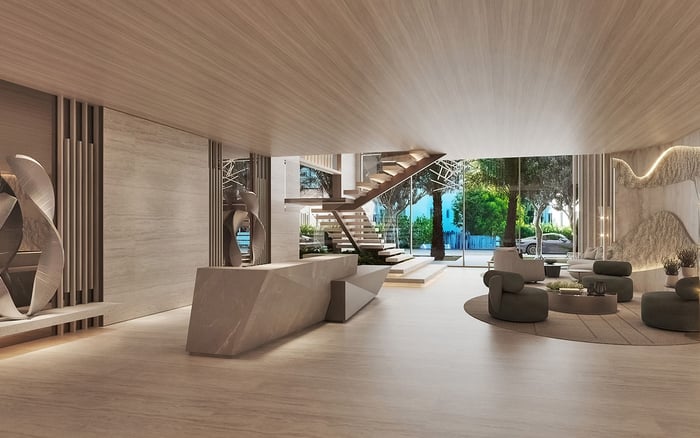
An editorial look at why La Maré Bay Harbor Islands resonates with families who want school access, waterfront living, and a quieter residential rhythm than Miami’s denser urban districts.
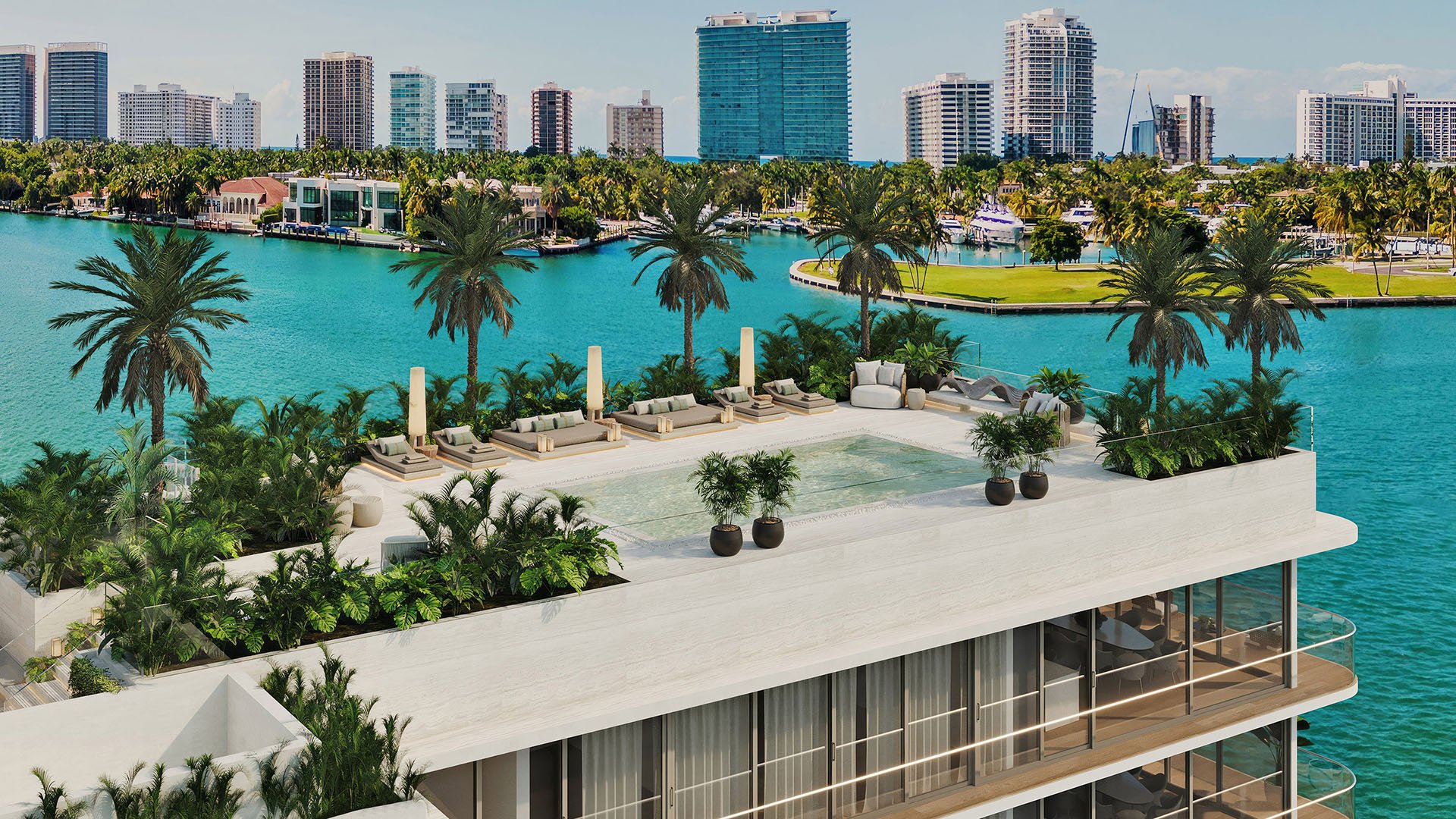
For a certain kind of South Florida buyer, luxury is not measured by spectacle alone. It is measured by how a neighborhood feels on a school morning, how quickly children can reach a park after class, and whether the streets outside the front door still feel residential rather than performative. That is the niche where La Maré Bay Harbor Islands enters the conversation.
La Maré Bay Harbor Islands is presented as a waterfront residential community with a quieter, more family-focused cadence than denser urban enclaves. That positioning matters. This is not an address defined by in-building retail, hotel programming, or constant visitor circulation. It is a setting centered on home life, boating access, neighborhood movement, and the daily patterns of residents who want to live on the water without surrendering privacy to a busier city tempo.
For families considering Bay Harbor, that distinction matters. The appeal is not simply proximity to Miami. It is the combination of island seclusion and practical access to the wider county, including central business districts and major employment centers, while preserving a more domestic rhythm at home.
For many family buyers, school planning is the first filter and the most consequential one. In this respect, La Maré Bay Harbor Islands aligns with a practical priority: households here can access Miami-Dade County public school options, though school choice and assignment can vary by address.
That last point deserves emphasis. Sophisticated buyers do not assume a school pathway based on a community name alone. They verify the exact assignment tied to the property under contract and then evaluate public options with the same rigor they would bring to title review or insurance underwriting. In Bay Harbor, that diligence is not a complication. It is simply part of buying well.
This makes the community especially attractive to families who want optionality. A buyer may be comparing public pathways, weighing private-school plans, or planning for future transitions as children move from early grades into middle or high school. The value proposition here is that the residential environment supports that long view. The neighborhood itself is calm, walkable, and home-centered, which is often as important to family life as the school search itself.
The project is described as including single-family homes and townhouse product with a coastal residential design language. That mix gives La Maré Bay Harbor Islands a more grounded character than the vertical luxury environments that dominate so much of the regional conversation.
There is also a meaningful difference in the street experience. The community is positioned around non-gated residential streets and walkable planning, reinforcing the sense that this is a place for routines rather than arrivals. Children being driven to lessons, neighbors moving between homes and waterfront edges, and weekends shaped by casual outdoor time all fit naturally within that framework.
For buyers looking elsewhere in the immediate area, Alana Bay Harbor Islands and Onda Bay Harbor reflect how Bay Harbor Islands continues to attract refined residential development. Yet La Maré Bay Harbor Islands stands apart for households specifically seeking a lower-density, more domestic island cadence rather than a purely condo-forward lifestyle.
The waterfront story here is unusually direct. Homes are marketed around direct or near-direct water access, with private dock capability closely tied to the residential offering. For boating-minded families, this changes the ownership equation. The water is not a nearby amenity to be scheduled around. It becomes part of the house itself, folded into weekend routines, children’s recreation, and the broader social life of the property.
That distinction is especially compelling in marina-oriented searches. In many luxury environments, boating access is separated from the home through club structures, waitlists, or external memberships. Here, the appeal is more integrated. The relationship between the residence and the dock is part of a single proposition.
Family-oriented recreation extends beyond boating. The overall positioning includes parks, playgrounds, waterfront gathering areas, and outdoor spaces that support an informal, multigenerational mode of living. For parents, this often means a lifestyle that feels less programmed and more immediate. The afternoon can move from school pickup to waterfront time without requiring a drive across town or a formal reservation.
South Florida has no shortage of amenitized addresses, but many families eventually discover that the most durable form of luxury is calm. La Maré Bay Harbor Islands is positioned as lower-density than many subdivisions in the region, with an emphasis on reducing traffic and preserving a more residential island feel.
That matters in ways that are both emotional and practical. Lower traffic affects noise, ease of movement, child-safety perceptions, and the sense of control residents have over their day. It also shapes how a neighborhood ages. Communities designed around resident use rather than constant throughput often retain a stronger sense of discretion over time.
Buyers comparing the broader submarket may also look at Bay Harbor Towers and The Well Bay Harbor Islands as part of a wider Bay Harbor Islands survey. For a family prioritizing single-family homes, waterfront living, and less urban density, La Maré Bay Harbor Islands reads as a more tailored answer.
Not every luxury buyer wants the same thing, and La Maré Bay Harbor Islands makes that clear. The community is marketed as residential-only, with retail and dining needs expected to be met in nearby mainland areas rather than within the island enclave itself.
For some households, that is a limitation. For others, it is precisely the point. Buyers who want cafés, boutiques, and branded services within an elevator ride may prefer denser districts. Buyers who want their home life insulated from that intensity often read the absence of internal retail as a virtue.
This is where buyer fit becomes decisive. The strongest fit is the family that values low traffic, waterfront recreation, privacy, and a home-centered routine over a walk-everywhere urban script. In other words, the project is not trying to be all things to all buyers. It is making a disciplined case for residential calm.
Current area positioning for single-family homes in the wider market runs roughly from the high hundreds of thousands into the $2.5 million-plus range, depending on lot size, frontage, and specifications. That spread reinforces the importance of comparing not just price, but use value: water access, dock capability, family layout, and the long-term livability of the street itself.
Within La Maré Bay Harbor Islands, buyers should also think through the ownership structure with sophistication. The community is described as having an HOA that manages common areas and shared waterfront-related operations. In practice, that means understanding not only dues and governance, but also the standards shaping maintenance, waterfront functionality, and the collective presentation of the neighborhood.
For waterfront buyers, due diligence should extend to flood-zone review, insurance implications, and resilience planning. Homes in the community are described as incorporating flood-resilience considerations such as elevated construction and stormwater management. Even so, prudent acquisition in any waterfront setting means evaluating those conditions property by property.
La Maré Bay Harbor Islands is not best understood as a status play. It is better understood as a lifestyle correction. It suits the buyer who has already experienced density, traffic, and convenience-driven urbanism and now wants a more composed version of South Florida luxury.
That buyer may still need efficient access to Miami, Coral Gables, or other professional destinations. They may still want design polish and waterfront prestige. But their highest priorities are likely to be domestic ones: a measured street environment, school planning, room for children to grow, and the ability to keep a boat close to home.
In that sense, La Maré Bay Harbor Islands occupies a compelling middle ground. It offers seclusion without isolation, waterfront living without resort theatrics, and family practicality without giving up aspiration.
Is La Maré Bay Harbor Islands a good fit for families? It is positioned for families who value a quieter residential environment, waterfront recreation, and daily life centered around the home.
Can residents access public schools from this community? Yes, families can access Miami-Dade public school options, but exact assignment and choice pathways should be verified by address.
What kinds of homes are associated with La Maré Bay Harbor Islands? The project is described as including coastal-style single-family homes and townhomes.
Is boating a major part of the lifestyle here? Yes, waterfront living is central to the concept, with private dock capability tied closely to the residential product.
Does the community have a gated feel? The positioning emphasizes non-gated residential streets and walkable planning rather than a fortress-like arrival sequence.
Are there shops and restaurants inside the community? No, the concept is residential-only, with dining and retail needs generally served in nearby areas.
What makes the cadence here different from denser Miami neighborhoods? Lower density, reduced traffic, and a more domestic street experience help create a calmer island rhythm.
Is there an HOA? Yes, the community is described as having an HOA that manages common areas and shared waterfront-related operations.
What price range should buyers expect in the broader area? Family-oriented single-family options in the surrounding market are broadly positioned from about $800K to $2.5M and above, depending on specifics.
What extra due diligence matters for waterfront purchases here? Buyers should review flood-zone conditions, insurance considerations, resilience measures, and exact school assignment before closing.
To compare the best-fit options with clarity, connect with MILLION Luxury.
If branded residences are on your mind — as a home or as an allocation — we would be glad to share what we are seeing, privately.
Begin a quiet conversation