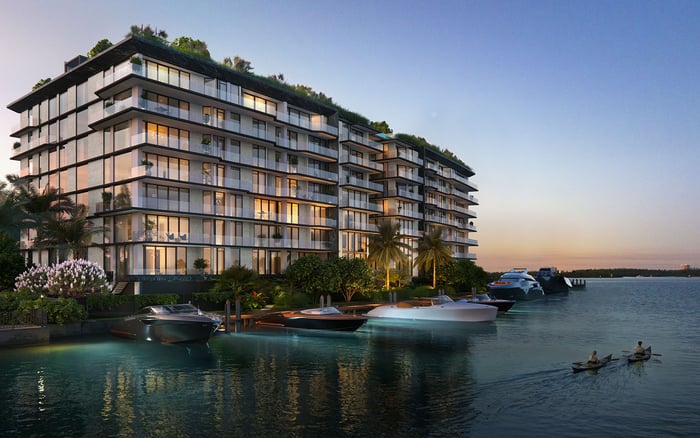
A buyer-focused 2026 due-diligence guide to loss-assessment exposure at Bay Harbor Towers, with emphasis on extraordinary charges tied to hurricane, flood, structural, and litigation risks.
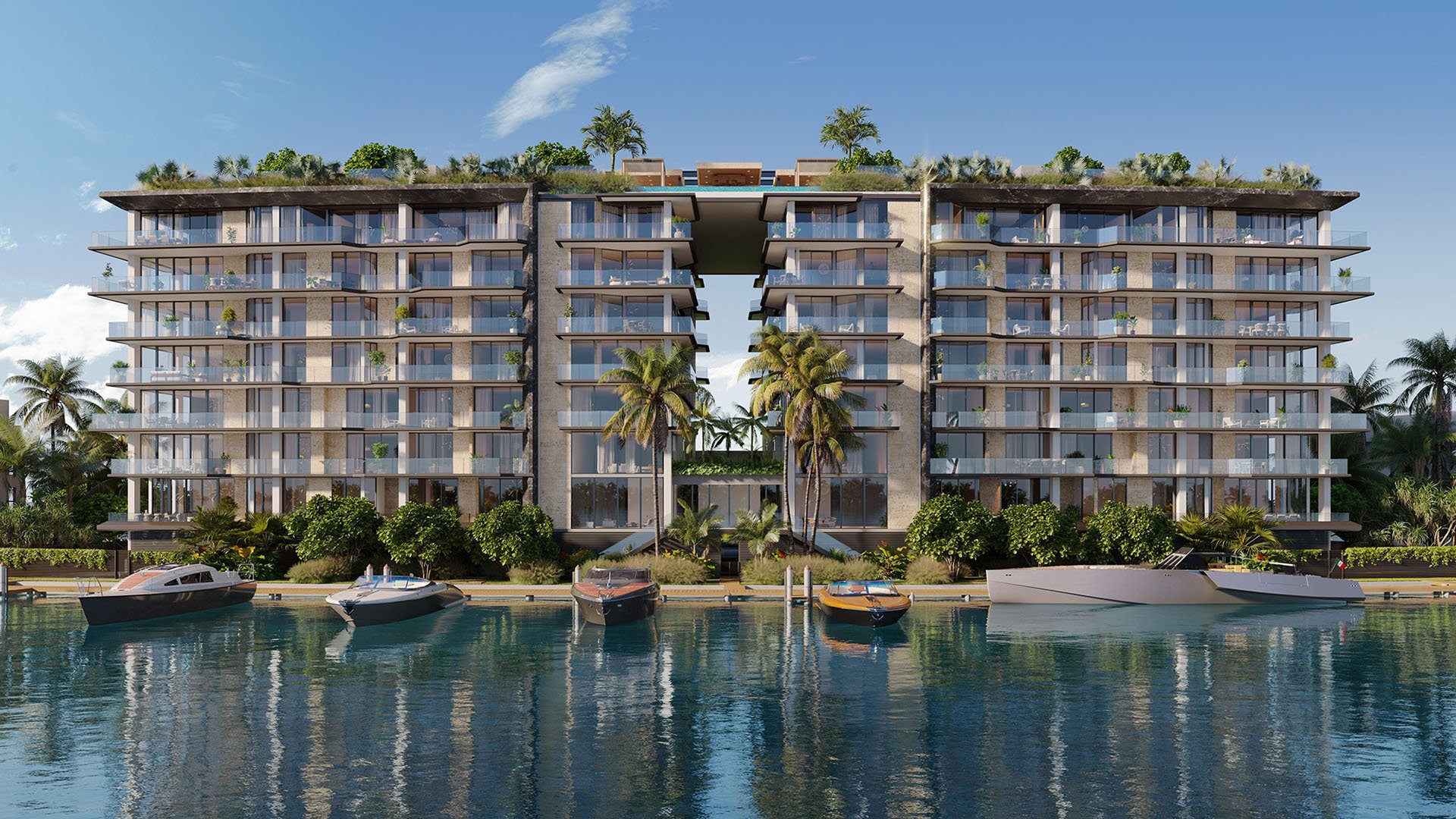
For a 2026 buyer evaluating Bay Harbor Towers, sophisticated due diligence goes beyond views, finishes, comparable sales, or the quiet prestige of the address. It reaches into the less visible economics of ownership: the possibility that extraordinary charges may be levied on unit owners after uninsured or underinsured events.
That is the essence of loss-assessment exposure. It is not a routine monthly cost, and it should not be treated as a minor footnote. A loss assessment can change the true cost of ownership after closing, particularly when the triggering event is significant enough to affect multiple owners at once. For a Bay Harbor Towers acquisition, the question is not only what the residence costs today. It is what capital obligations could surface over the next decade.
Disciplined buyers will approach Bay Harbor Towers with a checklist that separates lifestyle appeal from ownership risk. Waterviews, privacy, and the measured cadence of Bay Harbor Islands may frame the emotional case, but the financial case depends on documentation, scenario planning, and a clear-eyed review of extraordinary exposure.
Recurring ownership costs are the predictable side of condominium life. They are planned, budgeted, and generally understood before closing. Loss assessments belong in a different category. They are extraordinary charges tied to major events or uncovered obligations, and they may be levied when available funds or insurance proceeds do not fully absorb the loss.
That distinction matters because luxury buyers often underwrite purchase price, carrying costs, and resale potential with precision, then give less attention to contingent obligations. At Bay Harbor Towers, loss-assessment exposure deserves the same seriousness as price negotiation. It is part of investment underwriting, not an afterthought.
The checklist begins with a simple principle: any charge that can arrive after closing deserves attention before closing. A buyer should understand what types of events could create exposure, how those events might be allocated among owners, and whether the purchase still satisfies the buyer’s capital-preservation standard.
Begin with the association’s financial picture, but do not stop at headline numbers. The goal is to understand how extraordinary obligations are contemplated, discussed, and communicated. Ask for the documents that show how the building addresses major losses, pending issues, and owner charges. Review them with the same care one would apply to a contract, a title commitment, or a financing term sheet.
Next, separate known costs from possible costs. A routine line item is not the same as an extraordinary assessment following an uninsured or underinsured event. The buyer’s advisory team should identify language that explains owner responsibility when losses exceed available coverage or resources.
Third, evaluate the risk categories flagged as relevant to Bay Harbor Towers due diligence: hurricane-related losses, flood-related losses, structural-repair exposure, and litigation-related costs. None should be treated as theoretical simply because they may not be visible during a showing.
Finally, decide how much uncertainty is acceptable. A second-home buyer may tolerate a different risk profile than a full-time resident. A cash buyer may view contingent capital differently than a leveraged buyer. A Bay Harbor purchaser seeking long-term preservation should define that tolerance before making a final offer.
In South Florida, hurricane and flood-related losses require unusual discipline. For Bay Harbor Towers, the due-diligence issue is not to predict a storm or assign a specific future cost. It is to understand whether a severe event could produce an extraordinary owner charge if losses are uninsured or underinsured.
A buyer should ask how hurricane-related losses are addressed in governing documents and association communications. The same applies to flood-related losses. The objective is to determine whether the ownership structure creates potential assessment exposure beyond ordinary carrying costs.
This is where lifestyle language can mislead if it is not balanced by financial review. Waterfront living has its own rhythm, but ownership economics are shaped by documents, coverage gaps, and contingency planning. A prudent buyer should not let architecture, light, or outlook substitute for loss-assessment analysis.
Structural-repair exposure is another central category. The question is not whether a buyer can observe every future repair need. The question is whether the buyer has reviewed available information closely enough to understand how major repair obligations could become owner charges.
That review should include meeting minutes, budgets, notices, and any available communications that discuss significant work or future obligations. Buyers should look for patterns, not isolated phrases. Repeated references to capital needs, deferred decisions, or material disputes may warrant deeper review by qualified advisors.
Litigation-related costs should receive similar attention. Legal matters can affect ownership economics when they create expenses that are not fully anticipated or funded. A buyer does not need to become a litigator to conduct smart diligence, but counsel should review whether pending or possible disputes could become a financial obligation for owners.
The cleanest approach is to model Bay Harbor Towers ownership in three tiers. First, establish the expected purchase and recurring carrying-cost profile. Second, identify extraordinary assessment categories that could affect the unit. Third, decide what margin of safety is necessary for the buyer’s broader balance sheet.
This is especially important for buyers who view the residence as both lifestyle and asset. A luxury condominium can be emotionally compelling, but the best acquisitions are also resilient. Loss-assessment exposure is one of the variables that determines whether the ownership experience remains graceful after closing.
A buyer should also consider exit strategy. If future purchasers ask the same questions, today’s diligence may become tomorrow’s resale advantage. Clean documentation, thoughtful underwriting, and an informed view of potential owner charges can help preserve negotiating strength when market conditions change.
Bay Harbor Towers due diligence should be framed as a capital-preservation exercise over the next decade. That does not mean approaching the purchase with suspicion. It means respecting the complexity of high-value condominium ownership in a coastal market.
The best buyers know that elegance and risk analysis are not opposites. They are complementary. A beautifully positioned residence becomes more compelling when the buyer understands not only its appeal, but also the obligations that may accompany ownership.
The 2026 checklist is therefore practical: identify extraordinary loss-assessment triggers, distinguish them from recurring costs, review hurricane and flood exposure, evaluate structural-repair risk, examine litigation-related costs, and make the purchase decision only after those issues are understood.
What is loss-assessment exposure at Bay Harbor Towers? It is the risk that unit owners may face extraordinary charges after uninsured or underinsured events or obligations.
Is a loss assessment the same as a regular ownership cost? No. Regular costs are recurring, while loss assessments are extraordinary charges tied to major events or uncovered obligations.
Why should 2026 buyers focus on this issue? Loss-assessment exposure can materially change ownership economics after closing and should be reviewed before a purchase decision.
Which risk categories should buyers review first? Buyers should focus on hurricane-related losses, flood-related losses, structural-repair exposure, and litigation-related costs.
Should views and comparable sales still matter? Yes, but they should be considered alongside financial documents and extraordinary assessment risk.
Can a buyer eliminate all loss-assessment risk? No buyer can remove every uncertainty, but careful document review can clarify the scale and nature of potential exposure.
Who should review the documents? Buyers should rely on qualified legal, insurance, and financial advisors familiar with condominium ownership risk.
Does this analysis matter for a second-home buyer? Yes. Second-home ownership still carries potential capital obligations after closing.
Can loss-assessment exposure affect resale value? It can influence buyer confidence and negotiating strength if future purchasers scrutinize the same risk categories.
What is the main takeaway for Bay Harbor Towers buyers? Treat loss-assessment diligence as part of the acquisition strategy, not a secondary administrative step.
For a confidential assessment and a building-by-building shortlist, connect with MILLION.
If branded residences are on your mind — as a home or as an allocation — we would be glad to share what we are seeing, privately.
Begin a quiet conversation