A practical, buyer-focused comparison of Key Biscayne and Coconut Grove for families weighing privacy, school routines, outdoor living, touring strategy, and long-term fit.
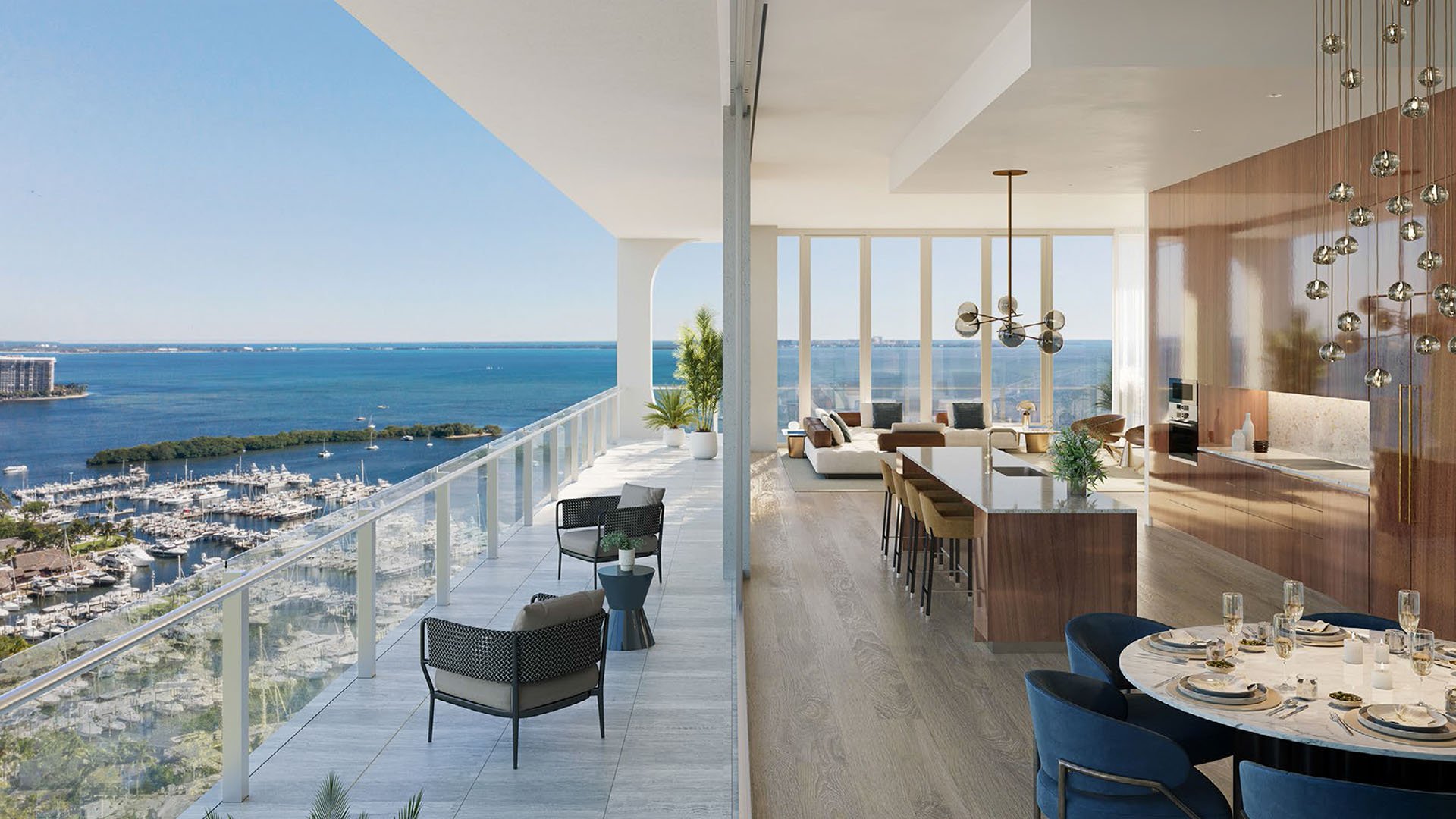
For family buyers, the Key Biscayne versus Coconut Grove decision is rarely just about square footage. It is about the life a household wants to preserve once the keys are in hand: the morning routine, the school run, the after-dinner walk, the weekend swim, the privacy buffer, and the way children and guests move through the home.
Both neighborhoods speak to sophisticated buyers, but in different languages. One can feel more contained, resort-minded, and removed from the mainland pace. The other tends to read as layered, gardened, and village-like, with a sense of discovery that rewards families who value texture. Before touring, the most useful question is not which address is more prestigious. It is which setting makes your family’s ordinary Tuesday feel calmer, safer, and more intuitive.
In practice, this comparison often turns on the same core filters: Key Biscayne, Coconut Grove, private-school planning, gated-community preferences, marina access, and single-family homes. Used well, those filters are not labels. They are shorthand for how a family actually lives.
Families drawn to Key Biscayne often begin with a desire for separation. The appeal is not simply waterfront fantasy. It is the feeling of crossing into a more defined environment, where home, recreation, and family time can feel less fragmented. Buyers who value routine may find that especially compelling.
For touring, focus on the relationship between the house and the day. Does the garage, entry, mudroom, or service zone support real family life? Is there a natural place for sports equipment, beach bags, strollers, bicycles, or visiting grandparents? Are entertaining spaces placed so adults can host without children feeling displaced? The best family homes are not just beautiful. They reduce friction.
Privacy should be evaluated at different hours. A home that feels serene at midday may feel different during school pickup, weekend guest arrivals, or evening entertaining. Ask how visible the pool, terraces, and principal rooms feel from neighboring homes and approach points. For many ultra-premium families, privacy is not about hiding. It is about being able to live freely.
Key Biscayne can also attract buyers who want a more self-contained recreational pattern. If your family imagines frequent outdoor time, water-oriented weekends, and a strong home base, prioritize homes where the transition from interior living to exterior living feels immediate and natural.
Coconut Grove appeals to families who prefer a richer sense of neighborhood texture. It can feel less singular in mood, with homes that invite closer study of site, canopy, architecture, and street character. For buyers who enjoy walking to a favorite corner, discovering a side street, or living within a more organic pattern, the Grove can be deeply persuasive.
Touring Coconut Grove should be less about speed and more about context. A home may reveal its value through orientation, shade, garden depth, ceiling height, or the way rooms open to outdoor spaces. The strongest properties often feel composed rather than merely large. Families should look for calm circulation, flexible rooms, and outdoor spaces that are usable in real life, not only photogenic.
For buyers considering single-family homes, the Grove can reward architectural patience. Compare how each residence handles privacy, parking, guest arrivals, staff access, and children’s play. A beautiful living room is important, but the decisive details may be the secondary entry, the shaded terrace, the homework room, or the ability to host without turning the entire house into an event.
Coconut Grove may also suit families that want connection without sacrificing discretion. If weekday life includes school meetings, lessons, dining, errands, and friends moving in multiple directions, a more connected setting can feel less like compromise and more like freedom.
For family buyers, school planning is often the quiet driver behind the entire search. The correct property is not only the one near a preferred academic option. It is the one that supports the daily sequence around that choice.
Before touring either neighborhood, map a sample weekday. Where does the day begin? Who drives? Where does a caregiver park? Where do children decompress after school? Where does homework happen if one parent is entertaining downstairs? Which rooms remain peaceful when the house is full?
Private-school planning should be treated as a lifestyle question, not just an admissions question. The home must absorb early mornings, evening events, visiting relatives, tutoring, sports gear, and changing children’s needs over time. A nursery becomes a study. A playroom becomes a media room. A guest suite becomes essential when grandparents arrive for longer stays.
The most refined family purchases anticipate these transitions. They do not chase a single school year. They consider the next five to ten years of family life.
Luxury families often use the word privacy, but they may mean different things. In Key Biscayne, privacy may be tied to containment, setbacks, controlled movement, and the feeling of retreat. In Coconut Grove, privacy may be more architectural, expressed through landscape, walls, courtyards, careful sightlines, and the way a home sits within its lot.
A gated-community preference can matter, but it should not be treated as the only version of security. Families should ask how the property itself behaves. Is the entry sequence clear? Can deliveries be managed discreetly? Can children play outside without the house feeling exposed? Is there room for household staff or security needs without compromising the design?
Ease is equally personal. One family may define ease as being removed from urban noise. Another may define it as reducing drive time between school, dining, lessons, and friends. During tours, note the emotional response of the whole household. Children often sense livability before adults can articulate it.
South Florida buyers often say they want outdoor living, but the phrase hides many preferences. Some families want a pool-centered home for weekends. Others want a garden that feels restorative. Some want boating adjacency, while others want shaded terraces, play lawns, or a dining loggia that works for weeknight dinners.
For Key Biscayne, ask whether the home supports the water-oriented, resort-style life many buyers imagine. For Coconut Grove, study how trees, garden rooms, and terrace placement shape the home’s atmosphere. Marina access may be important for one household, while another may care more about quiet reading corners, outdoor kitchens, or protected play zones.
The crucial point is usability. A dramatic exterior space matters less if it is difficult to furnish, overly exposed, disconnected from the kitchen, or unsuitable for children. Tour at the time your family would actually use the space. Morning coffee and sunset entertaining test a property differently.
Even lifestyle-driven buyers should keep a resale mindset. The most durable family properties usually combine emotional appeal with practical clarity: strong room proportions, logical circulation, flexible bedrooms, credible parking, privacy, outdoor usability, and a setting that future buyers can understand quickly.
In Key Biscayne, broad appeal may come from a home that balances retreat with function. In Coconut Grove, it may come from architectural character, mature setting, and a floor plan that adapts gracefully. In both neighborhoods, avoid being seduced by one spectacular feature if the rest of the home resists daily living.
A family purchase should feel personal, but not eccentric in ways that narrow the future audience. The best homes allow an owner to live distinctively while retaining broad market logic.
Tour Key Biscayne and Coconut Grove with the same checklist, but not the same expectations. In Key Biscayne, pay attention to arrival, containment, recreation, and whether the home provides a genuine sense of retreat. In Coconut Grove, pay attention to site character, shade, access, architectural warmth, and how the house interacts with its surroundings.
After each showing, ask every decision maker to answer three questions. Did the home make our weekday easier? Did it give each family member a place to belong? Did the setting feel aligned with how we want to live when no guests are present?
That final question is often the most revealing. Luxury touring can be theatrical. Family ownership is intimate. The right choice is the property that remains compelling after the spectacle fades.
Is Key Biscayne better than Coconut Grove for families? It depends on the family’s priorities. Key Biscayne may suit buyers seeking a more contained rhythm, while Coconut Grove may suit those wanting a more layered neighborhood feel.
Should school planning come before home tours? Yes. Even when admissions are not finalized, school routines should shape how buyers evaluate commute patterns, room usage, and weekday logistics.
Is Coconut Grove more walkable for family life? Many buyers value Coconut Grove for its village-like feeling, but each home should be judged by its specific location and the family’s daily destinations.
Does Key Biscayne offer more privacy? It can feel more private to buyers who value a contained setting. Still, privacy depends on the individual property, landscaping, exposure, and arrival sequence.
What should families inspect first during a tour? Start with circulation, storage, bedroom separation, outdoor usability, parking, and the way the home handles children, guests, and staff.
Are waterfront preferences decisive in this comparison? They can be, but waterfront appeal should not override floor plan quality, privacy, safety, and the practical routines of family ownership.
How important is outdoor space for South Florida families? Outdoor space is central when it is genuinely usable. Shade, privacy, access from living areas, and child-friendly layouts matter as much as size.
Should buyers prioritize new finishes or long-term flexibility? Long-term flexibility is usually more important for families. Children grow, routines change, and adaptable rooms can preserve value and comfort.
Can both neighborhoods work for second-home buyers with children? Yes. The key is deciding whether the family wants a retreat-like base or a more connected neighborhood pattern during each stay.
What is the best way to choose between the two? Tour both with a weekday mindset, not only a weekend fantasy. The better choice is the one that simplifies the family’s real life.
For a tailored shortlist and next-step guidance, connect with MILLION.
If branded residences are on your mind — as a home or as an allocation — we would be glad to share what we are seeing, privately.
Begin a quiet conversation