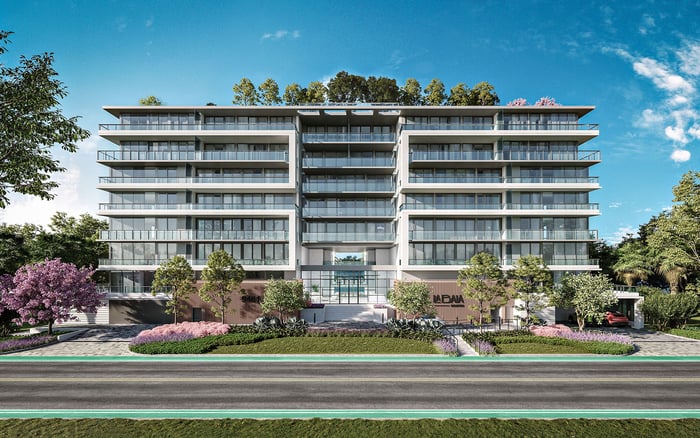
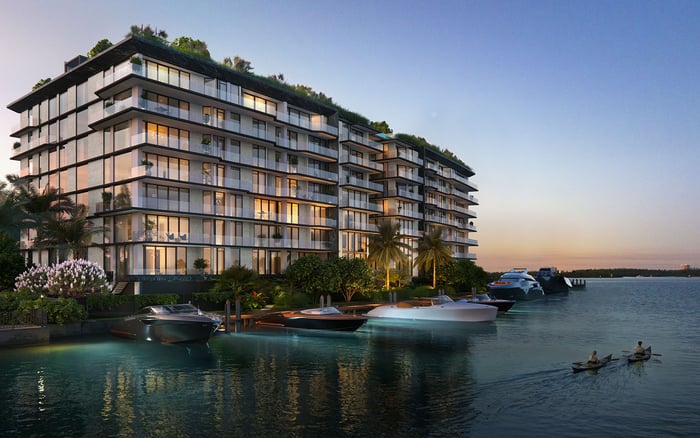
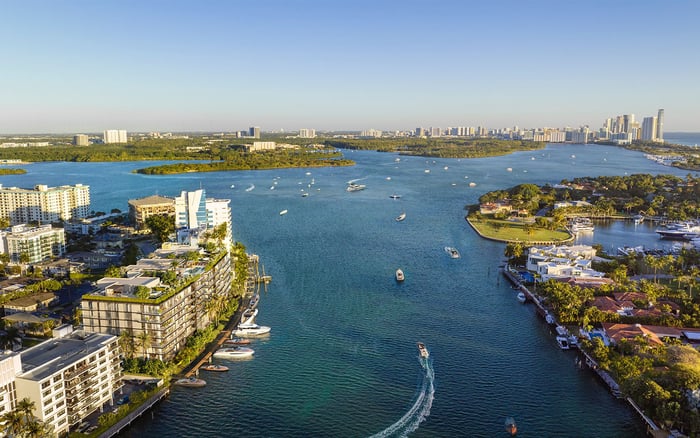
A discreet family-buyer guide to asking the right school-zone traffic questions before selecting La Baia North in Bay Harbor Islands.
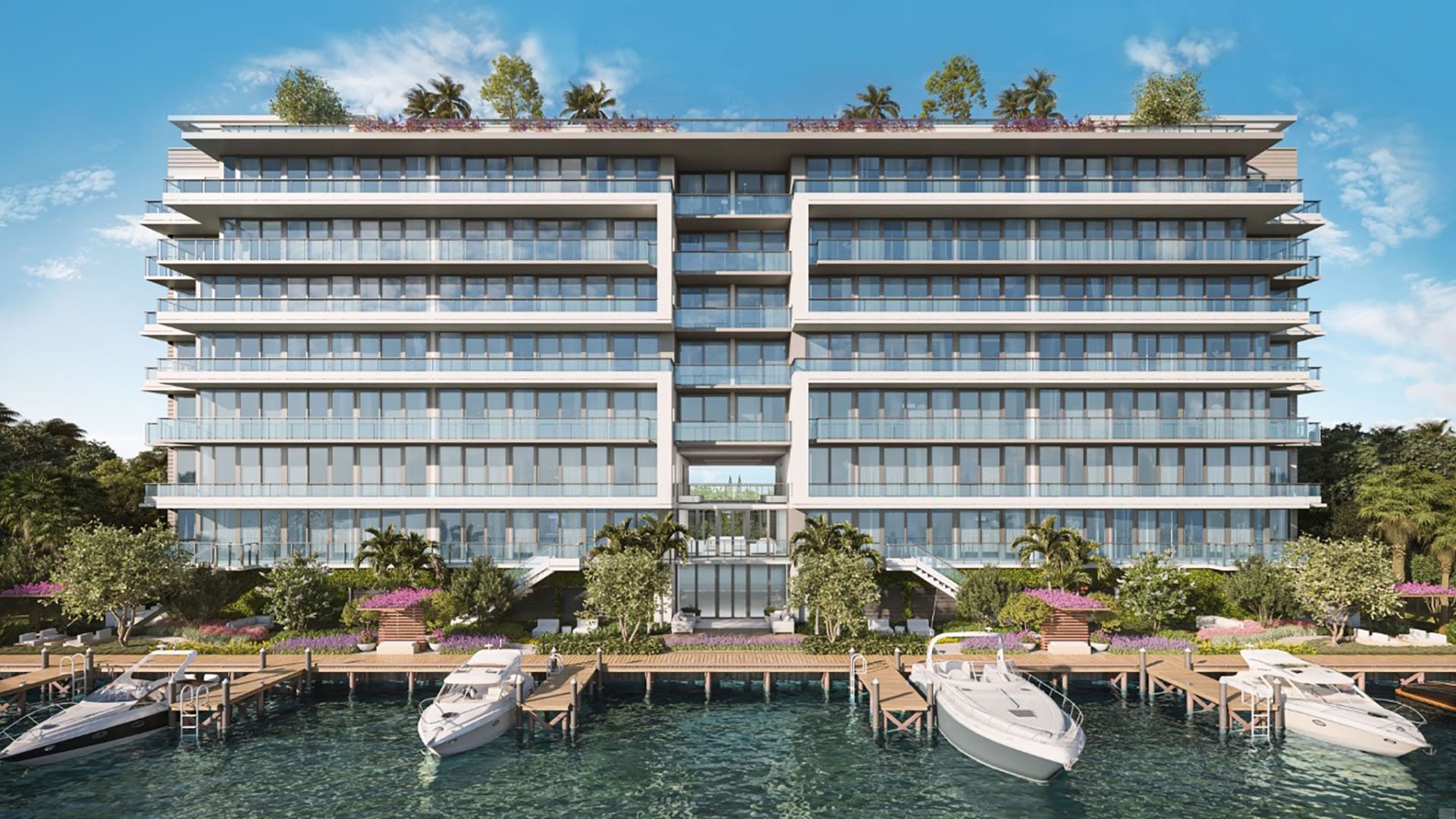
For families considering La Baia North Bay Harbor Islands, the conversation should move beyond finishes, views, amenity programming, and floor-plan scale. La Baia North is a Bay Harbor Islands project, and for a family buyer, that location decision raises a practical question: how will the school-day rhythm actually feel?
The answer should never be assumed from a map, a brochure, or a single weekend showing. School-zone traffic is highly time-sensitive. A route that feels composed at 11 a.m. can feel entirely different during morning arrival, afternoon dismissal, rainy-day pickup, or the overlap between extracurricular activities and household errands. For high-net-worth buyers, the issue is not only convenience. It is predictability, privacy, driver coordination, and the ability of the residence to support a sophisticated daily routine.
That is why families should treat school-zone due diligence as part of the lifestyle underwriting of a residence. In MILLION search shorthand, this is a Bay-harbor, Private-school, New-construction discussion as much as it is an architectural one.
The first question is simple: which school options are actually relevant to the household? Families should confirm the applicable school assignment, any enrollment requirements, and whether a preferred private or independent school has its own arrival, dismissal, carline, shuttle, or security procedures. These details can shape daily life more meaningfully than the raw distance between a building and a campus.
The second question is more revealing: what happens during the exact minutes your household would travel? A family with younger children may be moving at a different hour than a family with upper-school students. A household with a nanny, house manager, or private driver may also need to understand where waiting is appropriate, how handoffs occur, and whether building access and school access align cleanly.
Families comparing nearby Bay Harbor Islands projects such as Onda Bay Harbor should use the same discipline. The better question is not, “Is it close?” The better question is, “Can we repeat this trip five days a week without friction?”
Before committing, ask the sales team, your advisor, and any school contact a practical set of questions. What are the busiest arrival and dismissal windows? Are there predictable backups during morning drop-off or afternoon pickup? Where do cars queue? Which streets are typically used by school traffic? Are there turn restrictions, temporary controls, or rules that affect the final blocks of the route?
Also ask how the building itself handles family logistics. Is valet timing sufficient during school-rush windows? Can a driver stage efficiently without disrupting the porte cochère? Is there a comfortable place for a parent, caregiver, or older student to wait if pickup is delayed? Does the residence have enough storage for uniforms, sports gear, instruments, and backpacks so departures do not begin in disorder?
These questions may sound operational, but in luxury real estate they are lifestyle questions. A serene waterfront home loses some of its value if the family begins every weekday negotiating uncertainty.
A polished tour often happens when the neighborhood is calm. Family buyers should schedule a second look at less convenient times: before school arrival, around dismissal, and after late-day activities. If possible, repeat the route on different days. The purpose is not to prove a location good or bad. It is to understand the pattern.
During those visits, observe rather than rush. Notice where pedestrians cross. Watch how drivers behave near intersections. Pay attention to whether cars stop, stack, turn, or idle. Consider how a stroller, younger child, grandparent, tutor, or caregiver would move through the same environment. The most useful observations are often small: a difficult left turn, a narrow waiting area, a confusing curb cut, or a queue that forms only for 20 minutes but at exactly the wrong time.
Buyers evaluating The Well Bay Harbor Islands and Alana Bay Harbor Islands can apply the same lens. In compact, desirable residential settings, the strongest choice is often the one that pairs beauty with a weekday plan that survives real use.
Not every family expects children to walk to school, and not every household wants a parent behind the wheel. That is precisely why each scenario deserves its own test. If walking is part of the plan, ask about crossings, lighting, sidewalks, supervision expectations, and the comfort level of the youngest child who would make the trip. If driving is the plan, test the full route from the building exit to the school entry and back again.
For private-driver households, the evaluation is slightly different. Can the driver leave the building, complete the drop-off, and return without unpredictable delay? Is there a logical place to wait near school dismissal, if permitted? Does the building’s valet sequence support multiple departures in a tight window, especially when two children attend different schools or activities?
Luxury family living depends on choreography. The smoother the handoffs, the more quietly the home performs.
School-zone traffic does not end at dismissal. Tutors, sports, arts programs, therapies, clubs, and social plans can create a second mobility layer. Families should ask whether the afternoon pattern differs from the morning, whether late pickup is easier or more complicated, and how weekend school events change the neighborhood flow.
Also consider household staffing. If a caregiver handles pickup, will that person have building access, parking instructions, and authority to coordinate with valet? If a parent returns from work during the same window, will the family have two vehicles moving through the same corridor? If grandparents visit frequently, can they navigate the route confidently?
These are not minor inconveniences. They are the details that determine whether a residence feels effortless after the closing.
School-zone traffic should be one line item in a broader family scorecard. Alongside view, privacy, floor height, outdoor space, amenity depth, and financial structure, families should rank daily reliability. A beautiful residence should support the school morning, the late practice, the playdate, the emergency pickup, and the evening return.
For La Baia North Bay Harbor Islands, the prudent path is clear: confirm the school facts that apply to your household, test the trip at the exact times you will use it, and evaluate the building’s arrival and departure sequence with the same seriousness you give to architecture. In the ultra-premium market, the best home is not merely the one that impresses on arrival. It is the one that allows family life to unfold with grace.
Is La Baia North in Bay Harbor Islands? Yes. La Baia North is identified as a Bay Harbor Islands project.
Should family buyers rely on distance alone when judging school convenience? No. Distance matters, but timing, routing, queuing, and building logistics can shape the actual weekday experience.
What is the first school-related question to ask? Confirm which school options are relevant to the household and what each one requires for arrival, dismissal, and enrollment.
When should buyers test the route? Test it during likely morning arrival, afternoon dismissal, and late-day activity windows rather than only during quiet tour hours.
Should private-school families ask different questions? They should ask about the specific school’s carline, pickup permissions, campus access, and any procedures affecting drivers or caregivers.
What building questions matter for school mornings? Ask about valet timing, driveway flow, waiting areas, caregiver access, and whether multiple family departures can be handled smoothly.
Is walking to school something buyers should assume is simple? No. Walking comfort depends on crossings, supervision, lighting, sidewalks, weather, and the age of the child.
How can families compare La Baia North with other Bay Harbor Islands projects? Use the same weekday routine test for each residence, then compare which building best supports the family’s real schedule.
Why do after-school activities matter in the traffic review? They can create a second peak period that affects tutors, sports, clubs, social plans, and household staffing.
What is the best final step before making a decision? Revisit the property during the exact windows your family expects to travel and judge the full door-to-door experience.
If you'd like a private walkthrough and a curated shortlist, connect with MILLION.
If branded residences are on your mind — as a home or as an allocation — we would be glad to share what we are seeing, privately.
Begin a quiet conversation