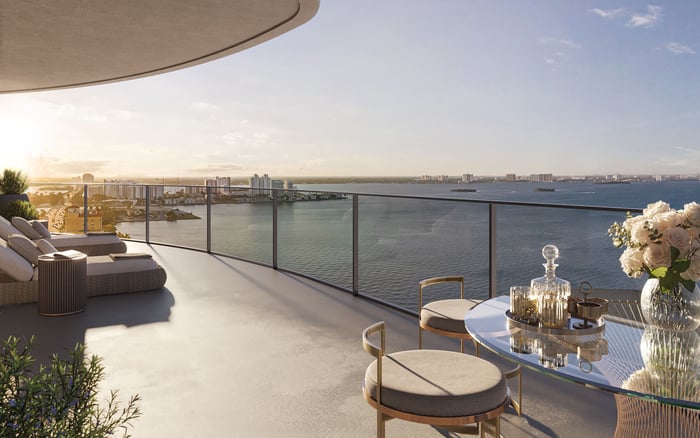
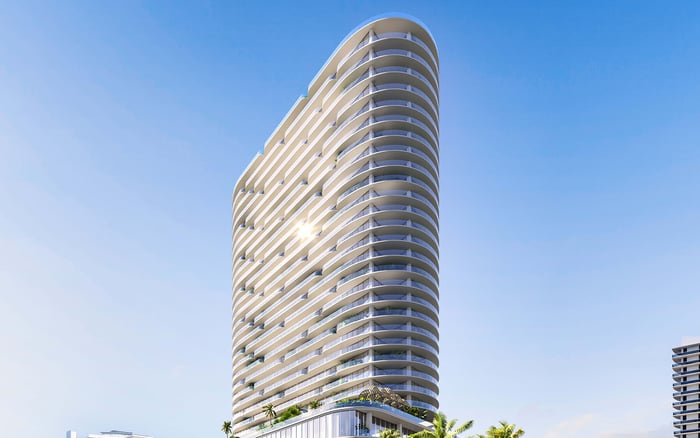
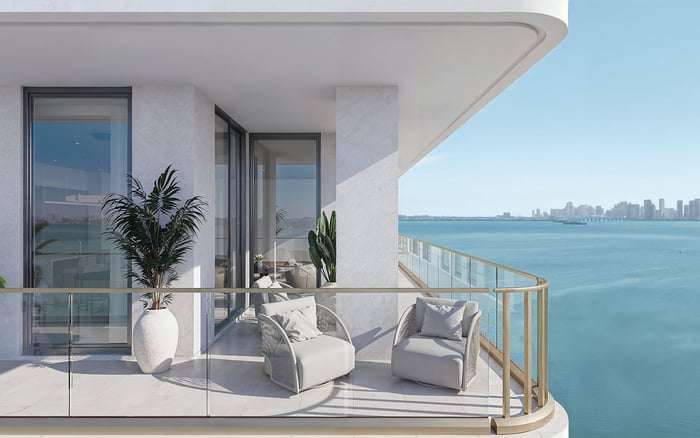
A buyer-focused guide to evaluating Shoma Bay North Bay Village for multigenerational living, with practical questions around privacy, circulation, accessibility, amenities, and long-term flexibility for grandparents.
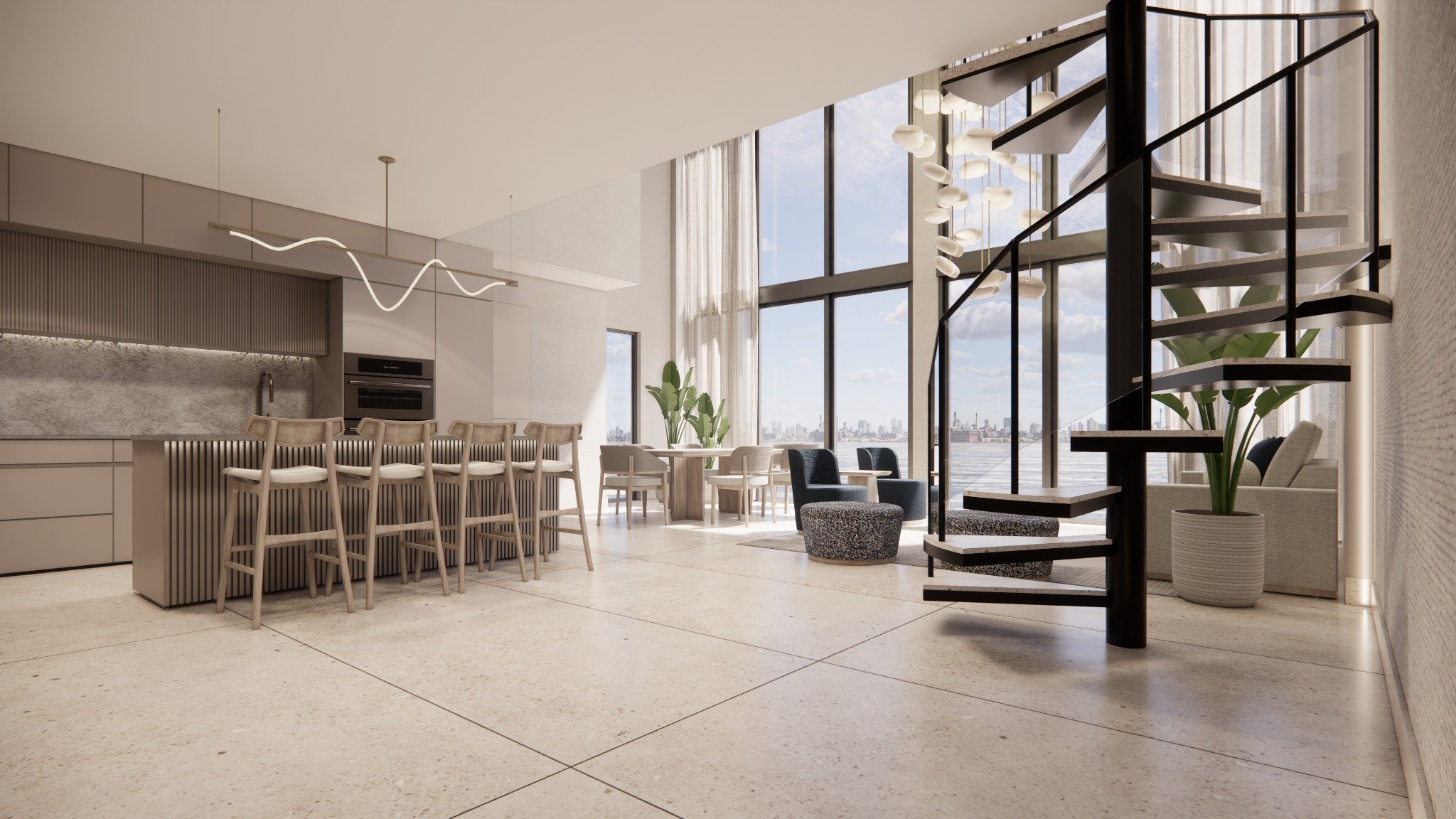
For families considering Shoma Bay North Bay Village, the grandparent-suite conversation should begin with a clear distinction: this is a luxury condominium in North Bay Village, not a purpose-built senior-living or assisted-living community. That distinction is not a weakness. It simply means buyers must evaluate the residence with greater precision, especially if an older parent or grandparent will live there full time rather than visit seasonally.
In South Florida’s premium condo market, an extra bedroom can look convincing on a plan until daily life tests it. A true grandparent suite is not merely a sleeping area. It needs privacy, bedroom separation, practical bathroom access, storage, quiet space, and a circulation pattern that supports independence while keeping relatives close to children and grandchildren. The right question is not whether the residence has enough rooms. The question is whether the rooms create a dignified daily routine.
That is why Shoma Bay North Bay Village should be studied through a multigenerational lens before finishes, views, and amenity decks dominate the conversation. A waterview residence can be emotionally compelling, but the floor plan still has to perform on an ordinary Tuesday morning.
A guest room is designed around occasional use. A grandparent suite is designed around repetition: waking, bathing, dressing, resting, taking calls, storing medication or personal items, and retreating when the household becomes lively. Family buyers should ask whether the potential suite sits far enough from children’s rooms, entertainment zones, and the main living area to feel private without becoming isolated.
Bathroom access is critical. If the bedroom depends on a shared powder room or a bathroom across a high-traffic corridor, the arrangement may feel workable during a tour but less comfortable over time. Storage matters as well. Older relatives moving from a larger home often arrive with wardrobes, documents, keepsakes, and daily-use items that cannot be treated like weekend luggage.
The best layouts allow grandparents to participate in family life by choice, not obligation. A suite near the heart of the residence may be ideal for one family, while another may prefer stronger bedroom separation. In either case, buyers should test how the plan feels at different times of day, including evenings, early mornings, and moments when children, caregivers, or guests are also present.
Luxury buyers often focus on ceiling heights, kitchens, terraces, and amenity packages. For grandparent-suite planning, the quieter details are just as important. Elevator access, hallway distances, entry thresholds, bathroom clearances, and the path from parking or drop-off to the residence can all influence whether an older relative feels comfortable moving independently.
Families should ask practical questions before assuming the unit will age well. Is the route from the elevator direct and intuitive? Are there tight turns between the entry and the potential suite? Would a future mobility aid change the way the bathroom functions? Are shower entries, flooring transitions, and door swings compatible with long-term comfort?
These are not medical questions. They are residential design questions. At the luxury level, elegance should reduce friction. If a residence requires constant negotiation to move through it safely and comfortably, the grandparent-suite promise is weakened, no matter how refined the finishes appear.
Buyers should also confirm whether developer finishes can be modified or upgraded for aging-in-place features. Potential requests may include grab-bar blocking, curbless showers, slip-resistant flooring, enhanced lighting, or other interior changes that support comfort over time. The point is not to make the residence feel clinical. The point is to preserve beauty while adding foresight.
Condominium documents, HOA rules, and alteration policies matter. A family may assume that future accessibility upgrades will be simple inside a private residence, but every building has rules governing modifications, contractors, timing, waterproofing, noise, and approvals. These policies should be reviewed early, before a buyer emotionally commits to a floor plan that may require later adaptation.
This is especially relevant in a North Bay Village market where families may be comparing multiple new or evolving luxury options, including **Continuum Club & Residences North Bay Village Pagani North Bay Village. Each building should be evaluated on its own documents, residence layouts, and alteration framework rather than on neighborhood appeal alone.
Because Shoma Bay is positioned around luxury living and amenities, families should consider whether the building’s environment will feel comfortable for older adults as well as younger residents. Resort-style energy can be a virtue when it encourages social life, movement, dining, and convenience. It can become a concern if noise, crowding, or access patterns make daily routines difficult.
Ask whether on-site amenities, retail, dining, parking, and drop-off areas reduce the need for an older relative to drive frequently. A well-planned building experience can make life simpler for grandparents who prefer independence but do not want every errand to require a car. At the same time, buyers should assess whether social spaces offer both activity and calm. Grandparents may enjoy a lively setting, but they may also need quieter corners, comfortable seating, intuitive access, and predictable circulation.
Families comparing waterfront or lifestyle condominium settings across South Florida, from North Bay Village to Aventura, may also look at options such as Avenia Aventura to understand how different buildings handle convenience, privacy, and daily access. The comparison should remain personal. The right building is the one that supports the actual rhythm of the household.
The most thoughtful grandparent-suite plan anticipates change without making the present feel compromised. A grandparent may be active and independent at move-in, then later need more help with mobility, transportation, or caregiving. Family buyers should ask how the residence would function if routines change: if a caregiver visits regularly, if a shower needs modification, if the suite requires more quiet, or if storage needs increase.
This kind of planning is not pessimistic. It is one of the quiet luxuries of buying well. In a market where design can be spectacular, the deeper value lies in adaptability. A family residence that allows generations to live together with privacy, closeness, and dignity can be far more meaningful than a unit chosen only for its view or social cachet.
For Shoma Bay buyers, the most important conversations may happen around the floor plan table, not in the amenity presentation. Ask how the suite works, how the building circulates, what can be changed, what rules apply, and whether the daily environment respects grandparents as full-time residents rather than occasional guests.
Is Shoma Bay North Bay Village an assisted-living community? No. It should be evaluated as a luxury lifestyle condominium, not as senior-living, assisted-living, or age-restricted housing.
Can an extra bedroom function as a grandparent suite? Possibly, but only if it offers privacy, bathroom access, storage, quiet space, and enough separation for daily living.
What should families ask about bathroom design? Ask about clearances, shower access, thresholds, lighting, and whether future aging-in-place upgrades may be permitted.
Why is elevator access important for grandparents? Elevator proximity, hallway distance, and the route from parking or drop-off can shape daily comfort and independence.
Should buyers review HOA rules before purchasing? Yes. Condominium documents and alteration policies may affect future accessibility improvements inside the residence.
Do amenities matter for multigenerational buyers? Yes. Amenities should be comfortable, accessible, and useful for older adults as well as younger residents.
How should families think about noise and social activity? Consider whether resort-style energy supports grandparents’ routines or creates crowding, noise, or access concerns.
Is driving reduction part of grandparent-suite planning? It can be. On-site conveniences, dining, retail, parking, and drop-off areas may reduce the need for frequent driving.
What is the biggest mistake family buyers make? They treat a guest bedroom as a suite without testing privacy, circulation, bathroom access, and long-term flexibility.
Should the plan account for future caregiving needs? Yes. A strong plan considers current independence and possible future changes in mobility, care, and medical routines.
For a discreet conversation and a curated building-by-building shortlist, connect with MILLION.
If branded residences are on your mind — as a home or as an allocation — we would be glad to share what we are seeing, privately.
Begin a quiet conversation