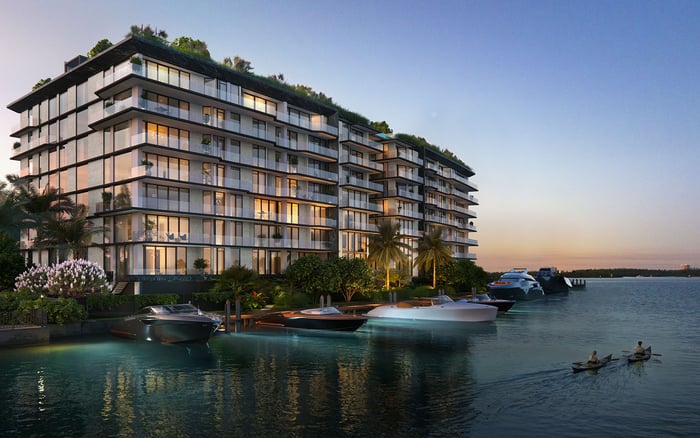
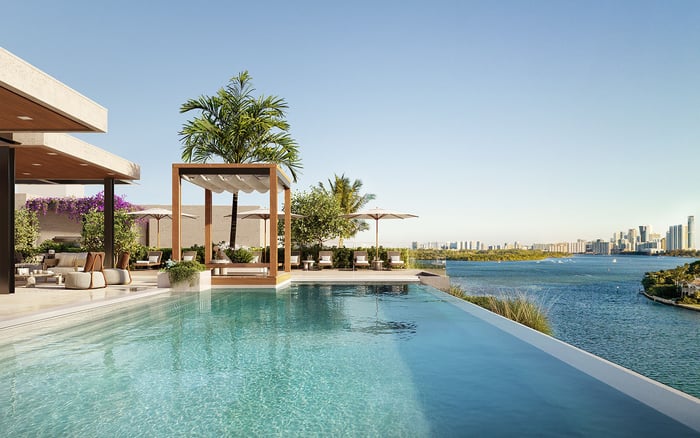
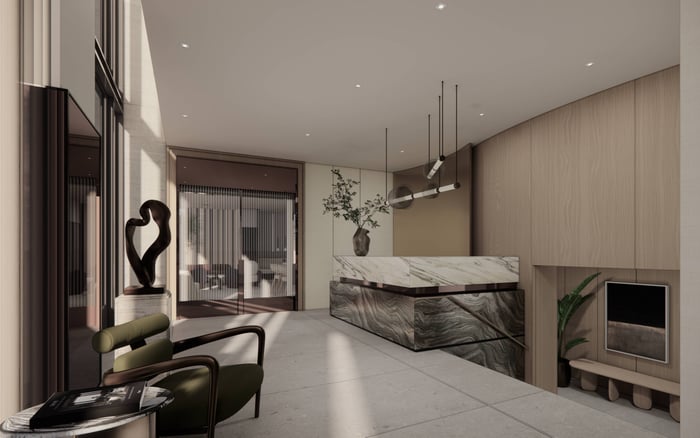
A buyer-focused look at why pump-system reliability belongs in the due-diligence conversation at Mila Bay Harbor Islands, especially for coastal luxury condominium ownership.
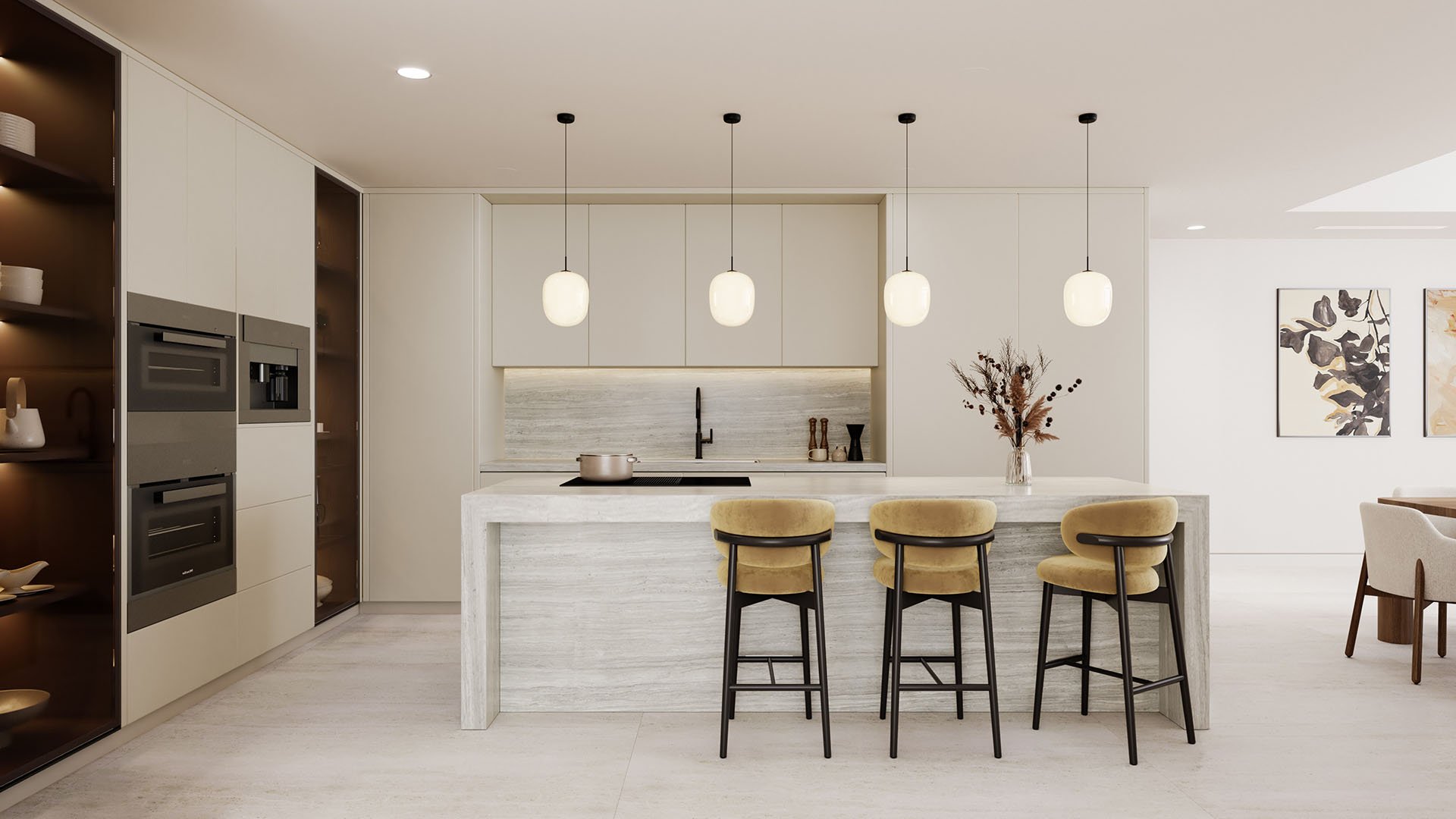
At Mila Bay Harbor Islands, the buyer conversation naturally begins with architecture, residence layouts, finishes, light, views, and the particular calm of Bay Harbor Islands. Yet for a sophisticated coastal condominium purchaser, the more consequential question may be quieter: how reliably will the building move water, manage drainage, support life-safety systems, and maintain comfort over years of ownership?
Pump-system reliability is not a glamorous amenity. It will not photograph like a terrace or sell like a spa. But in a luxury condominium, it can shape daily service continuity, long-term maintenance confidence, association budgeting, and the assurance an owner feels during heavy rain, system stress, or periods of high building use.
For Mila buyers, the point is not to assume a problem or make unsupported technical claims. The point is to recognize that hidden infrastructure belongs beside design and lifestyle in the due-diligence process. A luxury building is ultimately judged not only by what residents see, but by what continues to work when they are not thinking about it.
Coastal condominium living depends on mechanical systems that serve the building quietly, around the clock. Buyers should ask about categories such as stormwater management, flood-related drainage, garage dewatering, domestic water pressure, wastewater movement, fire-suppression support, HVAC water systems, pool circulation, and spa operations. These are categories to investigate, not confirmed specifications for Mila unless verified in project documents.
When these systems are engineered, maintained, and governed well, they become almost invisible. When they are poorly understood, underfunded, or inadequately documented, they can become ownership headaches. Interruptions may affect convenience first, then comfort, then costs. In the worst cases across coastal properties generally, failures can contribute to water intrusion, repairs, insurance friction, or association-level financial pressure.
That is why pump reliability can change the buyer decision. It shifts the conversation from surface luxury to operational luxury. A building that feels serene because its systems are resilient can inspire a different level of confidence than one whose technical backbone remains vague.
A serious buyer should request clarity before relying on broad marketing language. The first question is simple: which building systems depend on pumps, and where are those systems located? From there, buyers can ask whether engineering documents describe system capacity, redundancy, alarms, access points, service protocols, and expected replacement timelines.
Backup support deserves particular attention, but it should be framed precisely. The right question is not, “Does the building have backup power?” It is: which pump-dependent systems, if any, are supported during an outage, for how long, and under what operating conditions? Buyers should ask for documentation rather than verbal reassurance.
Maintenance is equally important. Who services the systems? How often are inspections scheduled? What records will the association maintain after turnover? Are spare parts, service contracts, warranties, and reserve planning aligned with the expected life of the equipment? These questions are not adversarial. They are normal for buyers treating a luxury condominium as a long-duration asset.
Association governance also matters. A high-quality system can be weakened by poor oversight, delayed funding, or unclear responsibility. Buyers should understand how future boards will review infrastructure, approve repairs, fund replacements, and communicate issues to owners.
Bay Harbor Islands attracts buyers who often compare boutique scale, waterfront proximity, design language, privacy, and access to Miami Beach, Bal Harbour, and the mainland. In that context, pump reliability becomes another lens for evaluating ownership quality. The relevant Bay Harbor conversation includes boutique neighbors such as Alana Bay Harbor Islands, La Baia North Bay Harbor Islands, Onda Bay Harbor, and The Well Bay Harbor Islands, while Origin Bay Harbor Islands remains part of the broader buyer map for the area.
This does not mean buyers should rank buildings solely by mechanical infrastructure. Rather, they should recognize that infrastructure is part of the same luxury equation as ceiling heights, millwork, wellness programming, parking, security, and waterfront orientation. A refined buyer may accept different design personalities among projects, but will usually have little tolerance for uncertainty around core building performance.
For Mila, this makes the pump-system conversation especially relevant. The project can be considered not only as a residence, but as a promise of continuity. Buyers should test that promise with specific questions and documentation.
The strongest luxury purchases tend to age well because their fundamentals remain convincing after the initial sales cycle. Finishes can be refreshed. Furnishings can change. But core infrastructure affects how a building is perceived by owners, boards, insurers, lenders, and future buyers.
If buyers cannot understand how essential systems are designed and funded, they may price that uncertainty into their decision. Conversely, clear engineering, thoughtful maintenance planning, warranty visibility, and disciplined association governance can support confidence. That confidence may matter at resale, particularly when future purchasers ask sharper questions about building systems.
Insurance is another reason to care. No buyer should assume a specific insurance outcome from pump-related features, but resilient infrastructure can influence the documentation conversation around risk management. In a coastal luxury market, the ability to explain how a building manages water and service continuity is part of the ownership narrative.
Reserve planning is just as central. Pumps are equipment, and equipment has a lifecycle. Buyers should ask whether future repair and replacement needs are anticipated in association budgets and reserve studies. A low monthly expense can be less attractive if it masks deferred capital needs. A well-explained budget, by contrast, can signal seriousness.
The refined buyer does not need to become an engineer. But the refined buyer does need to know which questions to ask. At Mila, pump-system reliability should be treated as a practical resilience factor that supports comfort, confidence, and the day-to-day ease expected from a luxury condominium.
The decision may still come down to emotion: the light in the residence, the calm of the island, the quality of the design, the privacy of the setting. But due diligence gives that emotion structure. It allows a buyer to move from attraction to conviction.
The best version of luxury real estate is not merely beautiful on delivery. It remains composed in operation. For coastal condominium buyers, that composition often depends on infrastructure most residents never see.
Is pump-system reliability a visible amenity at Mila Bay Harbor Islands? No. It is better understood as a due-diligence issue that supports comfort, service continuity, and long-term ownership confidence.
Should buyers assume Mila has specific pump redundancy or backup power? No. Buyers should request project documents and written details before relying on any technical assumption.
Which pump categories should a buyer ask about? Ask about stormwater, flood-related drainage, garage dewatering, domestic water, wastewater, fire-suppression, HVAC water, pool, and spa systems.
Why does this matter in a coastal luxury condominium? Coastal buildings depend heavily on water management and mechanical reliability, especially during heavy rain, outages, or periods of high use.
Can pump failures affect ownership costs? They can contribute to repairs, service interruptions, insurance friction, or special assessments if systems are poorly planned or maintained.
What documents should a buyer request? Request engineering summaries, maintenance plans, backup-power information, warranties, reserve assumptions, and association-governance details.
Is this issue unique to Mila? No. It is relevant to any coastal condominium, but Mila buyers should ask Mila-specific questions before making a decision.
How can pump reliability affect resale? Future buyers may value clear infrastructure documentation, disciplined maintenance, and reserve planning as part of a building’s quality profile.
Should buyers prioritize infrastructure over design? Not necessarily. The strongest decision weighs architecture, finishes, views, amenities, governance, and hidden systems together.
What is the simplest takeaway for a Mila buyer? Treat pump-system reliability as part of luxury ownership quality, then verify the details before committing.
For a discreet conversation and a curated building-by-building shortlist, connect with MILLION.
If branded residences are on your mind — as a home or as an allocation — we would be glad to share what we are seeing, privately.
Begin a quiet conversation