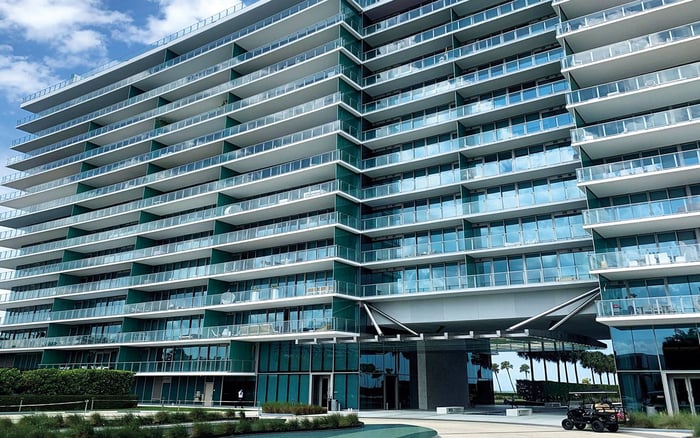
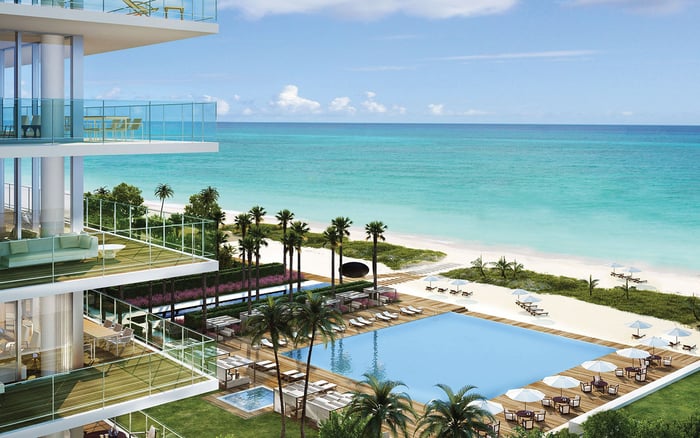
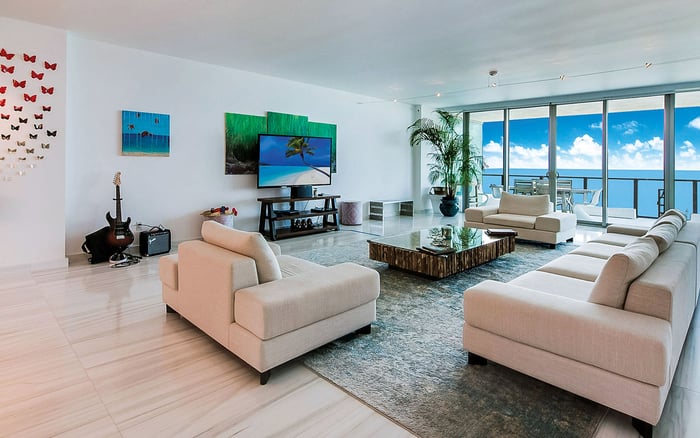
Key Biscayne’s waterfront condominium market blends true island privacy with Miami’s global liquidity. Here is how sophisticated buyers evaluate pricing, buildings, schools, boating access, and climate risk before committing capital.
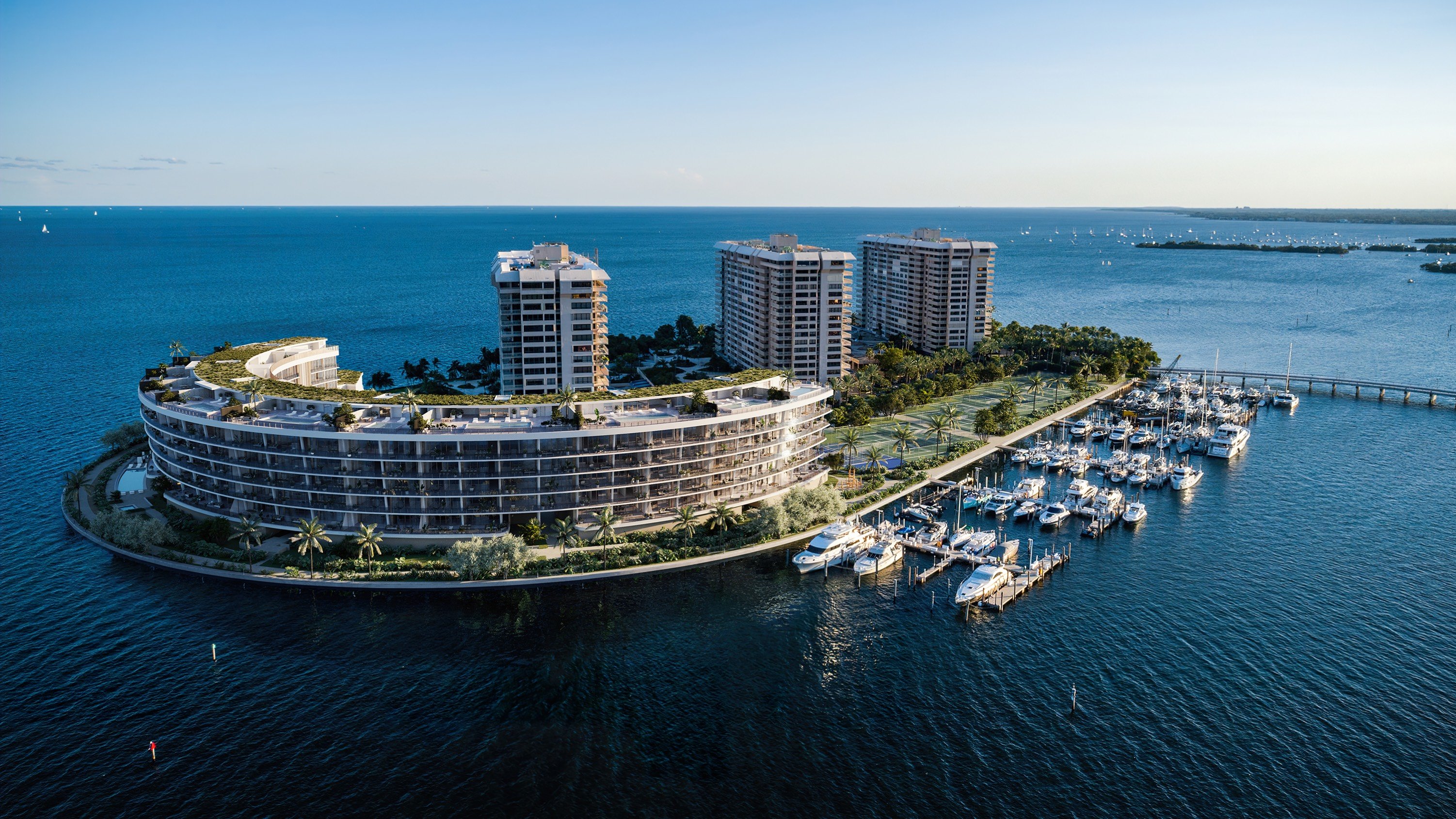
Key Biscayne remains one of South Florida’s clearest luxury micro-markets: a physically bounded island with limited inventory, an end-user tilt, and a lifestyle anchored by ocean frontage, marinas, and schools. For buyers who want coastal air and quiet streets, yet still rely on Miami’s cultural and financial proximity, the proposition is less about spectacle and more about consistency.
For a luxury real estate audience, the appeal is also architectural. The island offers legacy oceanfront towers, a newer glass-forward generation of inventory, and a small but meaningful set of single-family trophy properties. That combination makes Key Biscayne a practical case study in how South Florida prices privacy, shoreline access, and long-term livability.
A disciplined buyer begins with verified waterfront condo pricing, then works outward to building-specific nuance. In the market snapshot referenced in the research, Key Biscayne waterfront condos posted a median closing price of $1,587,500 and $958 per square foot. The same snapshot cited a median listing price around $1,790,000 and $1,061 per square foot, with roughly 78 to 80 active waterfront condo listings.
The spread between median list and median close should be read with care. It is not a guaranteed “discount.” It is a signal that negotiation can still exist even in prestige submarkets, particularly when carrying costs, view corridors, or unit condition introduce friction.
For island-wide directional context, many buyers also monitor the Key Biscayne housing market tracker published by Redfin to gauge whether the broader market is moving higher, flatter, or more volatile month to month. The goal is not to anchor to a single metric. It is to triangulate island trend, waterfront subset, and building-level supply.
Key Biscayne’s condominium market and its estate market behave differently because the drivers of scarcity differ.
On the single-family side, land and irreplaceable waterfront positioning dominate valuation. A publicly marketed example used in the research is 5 Harbor Point, Key Biscayne, listed at $26,000,000, showing 10,926 square feet of living area on an approximately 0.66-acre lot. Regardless of where that specific listing ultimately trades, it illustrates the estate calculus: site, scale, and privacy do the heavy lifting.
On the condo side, scarcity is shaped by building identity and the “feel” of the micro-community: number of residences, density per floor, setback from the beach, quality of amenity programming, and the long-run stability of association governance. This is why two oceanfront buildings within the same zip code can trade on entirely different curves.
A sophisticated condo purchase on Key Biscayne usually begins with a direct question: are you buying an island home, or are you buying a view with a lock-and-leave profile?
For buyers prioritizing newer, design-forward oceanfront product, Oceana Key Biscayne is frequently cited in the market’s modern chapter. Marketing and building profiles describe it as 142 condominium residences plus 12 villas across two towers. In practical terms, that scale can support privacy while still sustaining robust amenities and professionalized operations.
By contrast, some buyers intentionally choose larger, more established towers for inventory depth and a different pricing texture. Towers of Key Biscayne is described as a two-tower oceanfront condo community with 538 residences. Even without debating finish packages, a higher residence count can translate into more resale comparables and, at times, a wider spectrum of layouts and price points.
Between those poles sits a set of luxury communities that read as “residential” rather than “resort.” Grand Bay Residences is profiled as a 14-story building with 138 residences, a count that often feels boutique in the Key Biscayne context without being ultra-small.
Whatever the building, buyers should treat HOA economics as a primary underwriting category, not an afterthought. Ocean Club Tower One is profiled with unit and HOA context that reinforces the right mindset: evaluate monthly carrying costs, reserve posture, and the practical implications of waterfront maintenance.
In Key Biscayne, schools are not a secondary lifestyle feature. They are demand architecture.
MAST Academy carries a 10/10 rating on GreatSchools, a data point that consistently surfaces in family decision-making. Niche’s profile adds third-party context, including basic school facts such as grades served and student enrollment. For many households, this becomes the line between “second home” and “primary residence,” and it can influence whether a buyer chooses a larger condo layout or ultimately transitions into a single-family home.
Private-school options also contribute to the island’s stability. St. Agnes Catholic Academy is documented as a private Catholic school serving PreK through 8th grade. Key Biscayne Presbyterian School is another local private option. In practice, these choices reinforce a family ecosystem that supports year-round occupancy, which can help explain why certain buildings maintain a more residential cadence.
This is where the tags Private-school and Key-biscayne function as more than labels. They point to durable demand drivers that influence who buys, why they buy, and how long they hold.
Key Biscayne’s luxury lifestyle is inseparable from the water, and not only in an “ocean view” sense.
For members who want private club infrastructure, Key Biscayne Yacht Club’s marina states it has 98 wet slips and 39 dry slips. That capacity matters because it can turn boating from an occasional indulgence into a repeatable routine.
For public access and everyday recreation, Miami-Dade County’s Crandon Park provides official visitor and facility information that anchors the island’s outdoor appeal. And for owners navigating the region’s broader waterways, the National Park Service’s Biscayne National Park boating guidance is a reminder that serious boating in South Florida includes rules, conditions, and protected areas.
From a real estate perspective, marina proximity, storage realities, and access points influence how buyers value specific locations and buildings. The water is the view. It is also the logistics.
Some buyers start with Key Biscayne and then cross-shop Miami Beach for a different style of luxury: more walkability, more hospitality DNA, and often a stronger emphasis on branded services.
For example, Shore Club Private Collections Miami Beach speaks to a buyer who wants a highly curated, service-forward environment. 57 Ocean Miami Beach is a useful reference point for oceanfront living in a different neighborhood context. And Five Park Miami Beach reflects Miami Beach’s newer wave of design-led residential towers.
For those who value a proven luxury hospitality backdrop, Setai Residences Miami Beach can frame the conversation around lifestyle programming and discretion.
The comparison is not about “better.” It is about intent. Key Biscayne often wins on quiet and community. Miami Beach often wins on immediacy and cultural velocity. Sophisticated buyers treat them as complementary options, not direct substitutes.
Waterfront ownership in South Florida requires modern diligence. First Street publishes a Key Biscayne flood-risk page that many buyers use as a starting point for understanding exposure. The correct move is not alarmism. It is underwriting.
That means aligning insurance discussions, building engineering conversations, and long-term maintenance expectations before you fall in love with a view. In condominium purchases, it also means understanding how a building manages physical risk, from equipment placement to common-area resilience, and how those decisions can influence carrying costs over time.
In this market, oceanfront living is a premium experience. It is also a responsibility.
Luxury buyers tend to move quickly once the right property appears. The island rewards speed, but it punishes assumptions.
First, validate the micro-market. Use the waterfront condo pricing snapshot for context, then compare it against what is happening in your target building.
Second, match building identity to your lifestyle. A higher residence count can mean more comps and more turnover. A lower count can mean more privacy, but also fewer comparable sales to reference.
Third, treat governance as value. Review association financials and long-term planning, and take HOA economics seriously.
Finally, underwrite beyond the unit. Schools, boating access, and climate exposure are not side considerations in Key Biscayne. They are central to why the market behaves the way it does.
What is the recent median closing price for Key Biscayne waterfront condos? A referenced market snapshot reported a median closing price of $1,587,500.
What was the reported median $/sq ft for those waterfront condo closings? The same snapshot reported $958 per square foot.
Are asking prices notably higher than closing prices? The snapshot cited a median listing price around $1,790,000 and $1,061 per square foot, suggesting listings can price above closes depending on the unit and building.
How many active waterfront condo listings were cited in that snapshot? Roughly 78 to 80 active waterfront condo listings were cited.
How should I compare newer vs older oceanfront buildings? Start with density and identity: newer boutique-feeling inventory can trade on privacy, while larger established towers can offer deeper comps and more layout variety.
What is a verified fact about Oceana Key Biscayne’s scale? It has been described as 142 condominium residences plus 12 villas across two towers.
What school data point most often comes up for Key Biscayne families? MAST Academy has a 10/10 GreatSchools rating, a common reference in family demand.
Is there a verified marina slip count at the Key Biscayne Yacht Club? Yes. The marina states it has 98 wet slips and 39 dry slips.
Where do buyers look for boating rules and conditions nearby? Many consult Biscayne National Park boating guidance for regional rules, conditions, and protected areas.
How should I approach flood exposure as a waterfront buyer? Use third-party flood-risk context as a starting point, then underwrite with insurance, engineering, and building-level planning before finalizing a purchase.
For tailored guidance on South Florida’s premier waterfront addresses, connect with MILLION Luxury.
If branded residences are on your mind — as a home or as an allocation — we would be glad to share what we are seeing, privately.
Begin a quiet conversation