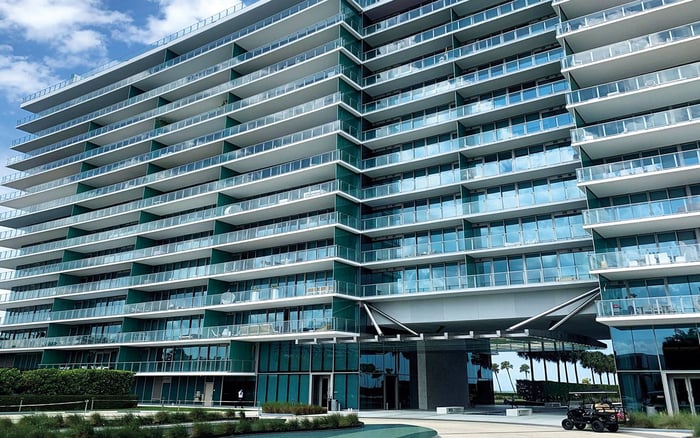
A buyer-oriented guide to reading Key Biscayne luxury condo fees through the lens of HOA operations, reserves, insurance structure, and assessment exposure.
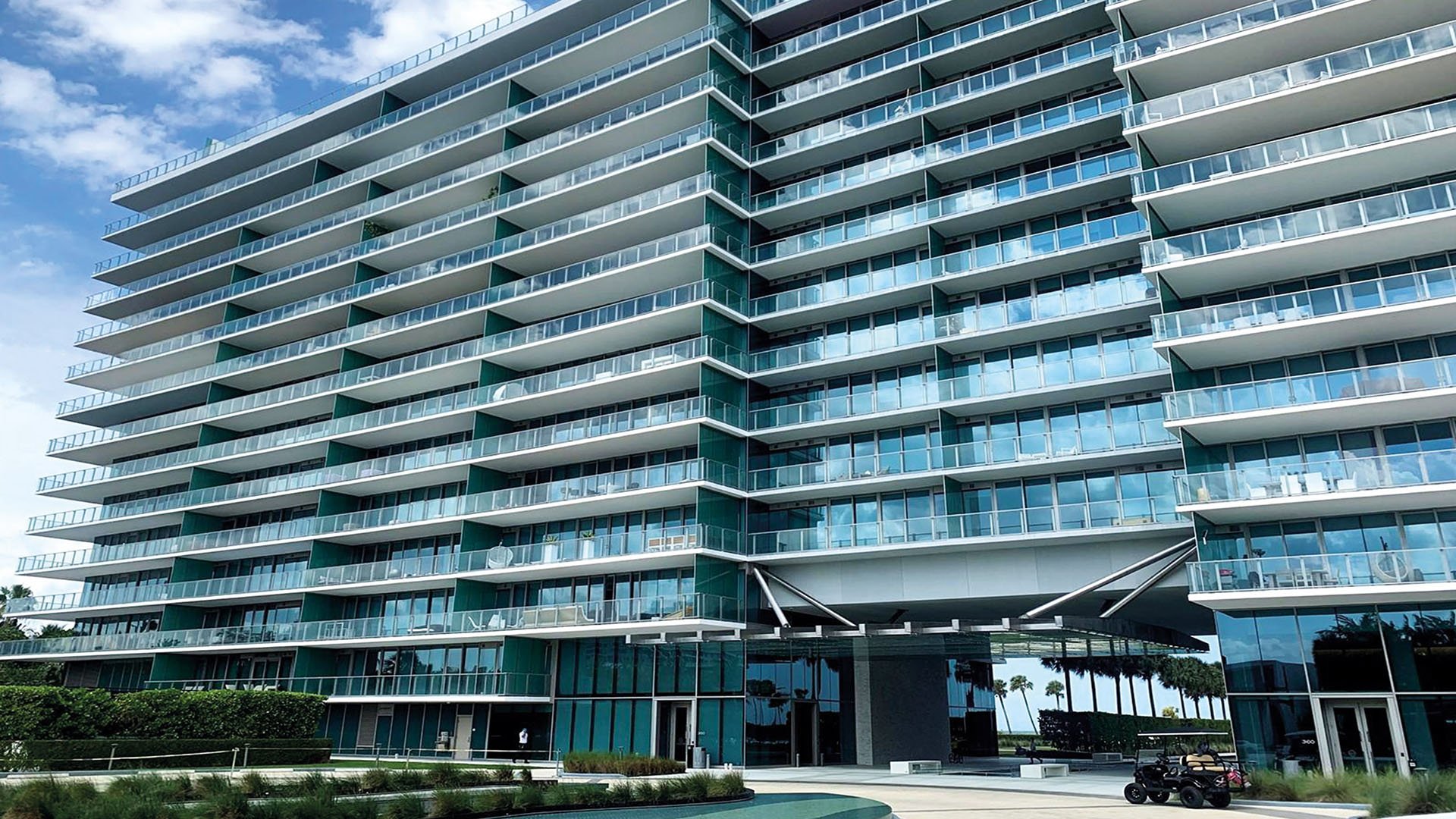
In Key Biscayne, luxury condo ownership is rarely defined by the purchase price alone. The more revealing measure is the ongoing cost of stewardship: monthly association fees, reserve planning, building insurance, capital projects, and the possibility of future assessments. For a discerning buyer, these are not administrative details. They are part of the asset itself.
The island’s appeal is clear: privacy, water, greenery, and a residential rhythm that feels removed from the mainland while remaining close to Miami. Yet that setting also raises the standard for building management. Salt air, waterfront exposure, mechanical systems, elevators, landscaping, security, amenities, and common-area finishes all require disciplined funding. A low monthly fee can be attractive at first glance, but it is not automatically a sign of value. In some cases, it may simply mean expenses have been deferred.
The most sophisticated buyers treat fees as a due-diligence language. They read what the budget includes, what it excludes, how reserves are funded, how insurance is structured, and whether the association has a history of addressing capital needs with composure. This is especially important for buyers comparing Key Biscayne with other ultra-prime coastal options such as Oceana Key Biscayne, South Beach, Fisher Island, Bal Harbour, and the broader Miami waterfront market.
A monthly HOA fee should be unpacked before it is judged. In a luxury condominium, that number may support building staff, management, security, common-area utilities, pool and amenity operations, landscaping, janitorial care, elevator service, life-safety systems, garage maintenance, and other shared costs. It may also include items that affect the private residence directly, depending on the building’s structure and governing documents.
The key question is not whether the fee is high or low. The question is whether it is coherent. A building with substantial amenities, attentive staffing, and significant waterfront exposure should have a budget that reflects those obligations. If the fee seems unusually lean, the buyer should understand why. If it appears elevated, the buyer should determine whether the cost is supporting genuine operational quality, insurance coverage, reserve funding, or simply inefficiency.
In internal shorthand, the decision often spans Key Biscayne, Oceanfront, Waterview, Resale, Investment, and Second-home criteria, but the work is always building by building. A Second-home buyer who visits seasonally may value lock-and-leave service. An Investment-minded owner may focus more heavily on liquidity, rental rules, and fee competitiveness. A primary resident may care most about staffing, predictability, and building culture.
Reserves are where luxury becomes durable. A building can have beautiful lobbies, manicured grounds, and generous amenities, yet still be financially fragile if long-term repair and replacement needs are underfunded. For buyers, the reserve position should be reviewed alongside recent budgets, meeting minutes, engineering discussions, capital plans, and any known upcoming projects.
The goal is to understand whether the association is funding future obligations steadily or relying on occasional special assessments. Neither approach should be evaluated emotionally. Some buildings may deliberately assess for specific projects. Others may prefer stronger monthly reserve contributions. What matters is transparency, discipline, and alignment between the physical building and the financial plan.
In the broader South Florida luxury market, newer developments may present a different fee profile than mature buildings. A buyer considering a newer coastal alternative such as The Delmore Surfside may be reviewing developer budgets, projected operations, and early association assumptions, while a buyer in an established Key Biscayne tower may be studying years of operating history. Both require rigor. The questions change, but the standard does not.
Insurance has become one of the most important elements in condominium due diligence. For a waterfront condominium, buyers should understand what the association’s master policy is intended to cover, what deductibles may apply, how premiums are allocated, and what coverage remains the responsibility of the individual owner. The private unit policy, the association’s policy, and any lender requirements should be considered together.
A refined buyer does not simply ask whether the building is insured. The better question is how insurance risk is absorbed if there is a loss, a premium increase, or a deductible event. If the association faces a significant deductible or a coverage gap, that exposure can migrate to owners through association action. This is why insurance should be reviewed not as a closing formality, but as part of the economic architecture of ownership.
Luxury buyers comparing Key Biscayne with buildings such as Continuum on South Beach or Rivage Bal Harbour are often evaluating more than views and finishes. They are comparing governance models, amenity intensity, coastline exposure, and long-term cost visibility. The most elegant residence is less compelling if its cost structure is opaque.
Special assessments are not inherently a warning sign. They can be a responsible method for funding meaningful improvements or addressing necessary repairs. The real issue is surprise. A buyer should aim to know whether assessments are active, recently completed, under discussion, or reasonably foreseeable based on the condition of the property and the association’s financial posture.
Meeting minutes can be particularly revealing because they often show what owners and boards are actually debating. Budget notes may show cost pressure. Reserve studies or capital planning materials can point toward future work. Conversations with the association, management, counsel, and qualified inspectors can help place each issue in context.
For a Resale purchase, assessment exposure should be addressed before contract deadlines expire. Buyers should request association documents early, review them promptly, and ask direct questions about pending projects, insurance renewals, litigation, deferred maintenance, and reserve funding philosophy. A beautiful unit should not distract from the building that supports it.
The strongest comparison is not fee per square foot in isolation. It is fee quality. A larger residence in a well-run building may carry a higher monthly obligation but offer stronger staffing, better maintenance, healthier reserves, and lower uncertainty. Another building may appear more affordable monthly but carry a greater likelihood of assessments, service inconsistency, or future capital strain.
Buyers should compare what is included, what is excluded, how the association has handled prior projects, and whether the property’s physical profile matches its budget. A tower with extensive amenities, major mechanical systems, waterfront infrastructure, and premium service expectations must be financed accordingly. A boutique building may have fewer amenities but less cost sharing across owners, which can create its own sensitivities.
This is also where lifestyle and financial planning meet. A buyer focused on ease may prefer a higher fee if it produces predictability and service. A buyer focused on long-term cost control may accept fewer amenities if the building is well maintained and financially transparent. A buyer comparing Key Biscayne with a highly private alternative such as The Residences at Six Fisher Island should expect very different service models, ownership cultures, and shared-cost structures.
Before signing off on a Key Biscayne luxury condo purchase, buyers should know what the monthly fee includes, how often it has changed, whether reserves are considered adequate by the association’s own planning, and whether any major work is pending. They should understand insurance deductibles, claims history if available, owner obligations, and the process for approving assessments.
They should also evaluate governance. Responsive management, clear communication, organized records, and a board that addresses issues early can materially improve the ownership experience. In a luxury building, discretion and polish matter, but so do minutes, budgets, contracts, and maintenance schedules.
The most successful buyers do not treat this review as a negotiation obstacle. They treat it as asset intelligence. In Key Biscayne, where the lifestyle is quiet and the setting is rare, the best ownership experience comes from pairing emotional conviction with financial clarity.
Are higher HOA fees always a problem in Key Biscayne luxury condos? No. Higher fees may reflect staffing, amenities, insurance, reserves, and maintenance quality. The issue is whether the fee is justified and transparent.
Can a low monthly condo fee indicate hidden risk? It can. A low fee may be efficient, but it may also suggest underfunded reserves, deferred maintenance, or future assessment pressure.
What should buyers review first when evaluating HOA fees? Start with the current budget, what the fee includes, reserve contributions, insurance costs, and any pending or recent assessments.
Why are reserves so important for luxury condominium ownership? Reserves help fund future repairs and replacements without relying entirely on sudden owner contributions. They are a measure of long-term discipline.
Are special assessments always negative? No. A special assessment can fund necessary or value-enhancing work, but buyers should understand timing, amount, purpose, and whether more may follow.
How does insurance affect condo ownership costs? Association insurance premiums, deductibles, and coverage structure can influence monthly fees and possible owner obligations after a covered event.
Should a cash buyer still care about association documents? Yes. Cash removes lender scrutiny, but it does not remove exposure to fees, reserves, insurance deductibles, rules, or assessments.
How should a Key Biscayne buyer compare one building with another? Compare fee quality, not only fee amount. Look at services, reserves, insurance, maintenance history, governance, and amenity intensity.
Do waterfront and Oceanfront buildings require different scrutiny? Yes. Waterfront settings can involve more complex maintenance and insurance considerations, so budgets and capital planning deserve close attention.
When should assessment risk be reviewed in the purchase process? As early as possible. The strongest buyers address documents, budgets, minutes, and insurance questions before key contract deadlines pass.
For a confidential assessment and a building-by-building shortlist, connect with MILLION.
If branded residences are on your mind — as a home or as an allocation — we would be glad to share what we are seeing, privately.
Begin a quiet conversation