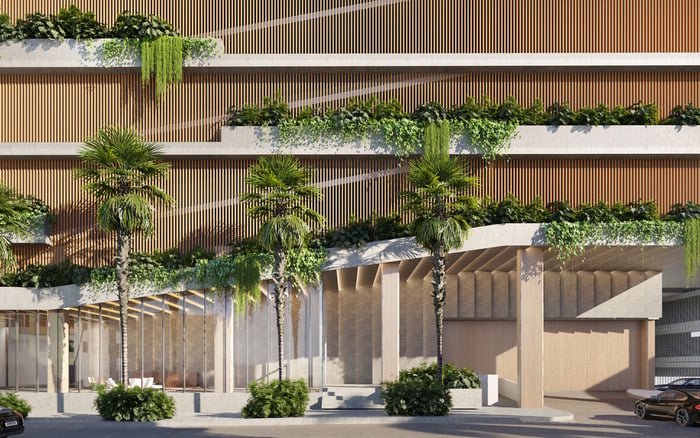
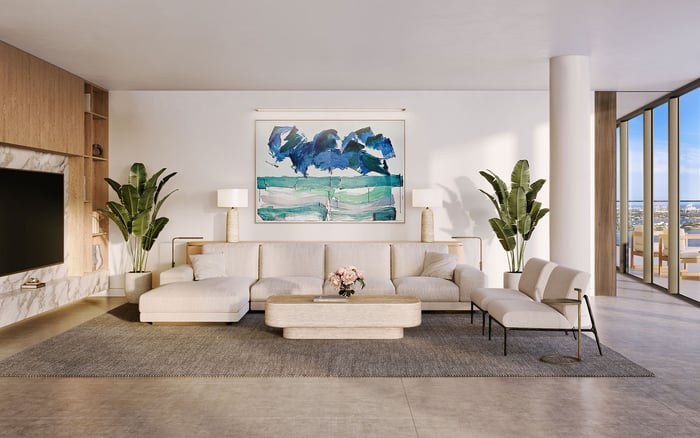
A discreet buyer’s guide to evaluating Kempinski Residences Miami Design District and The Cove Residences Edgewater through the lens of elegant aging in place, daily support, privacy, adaptability, and long-term livability.
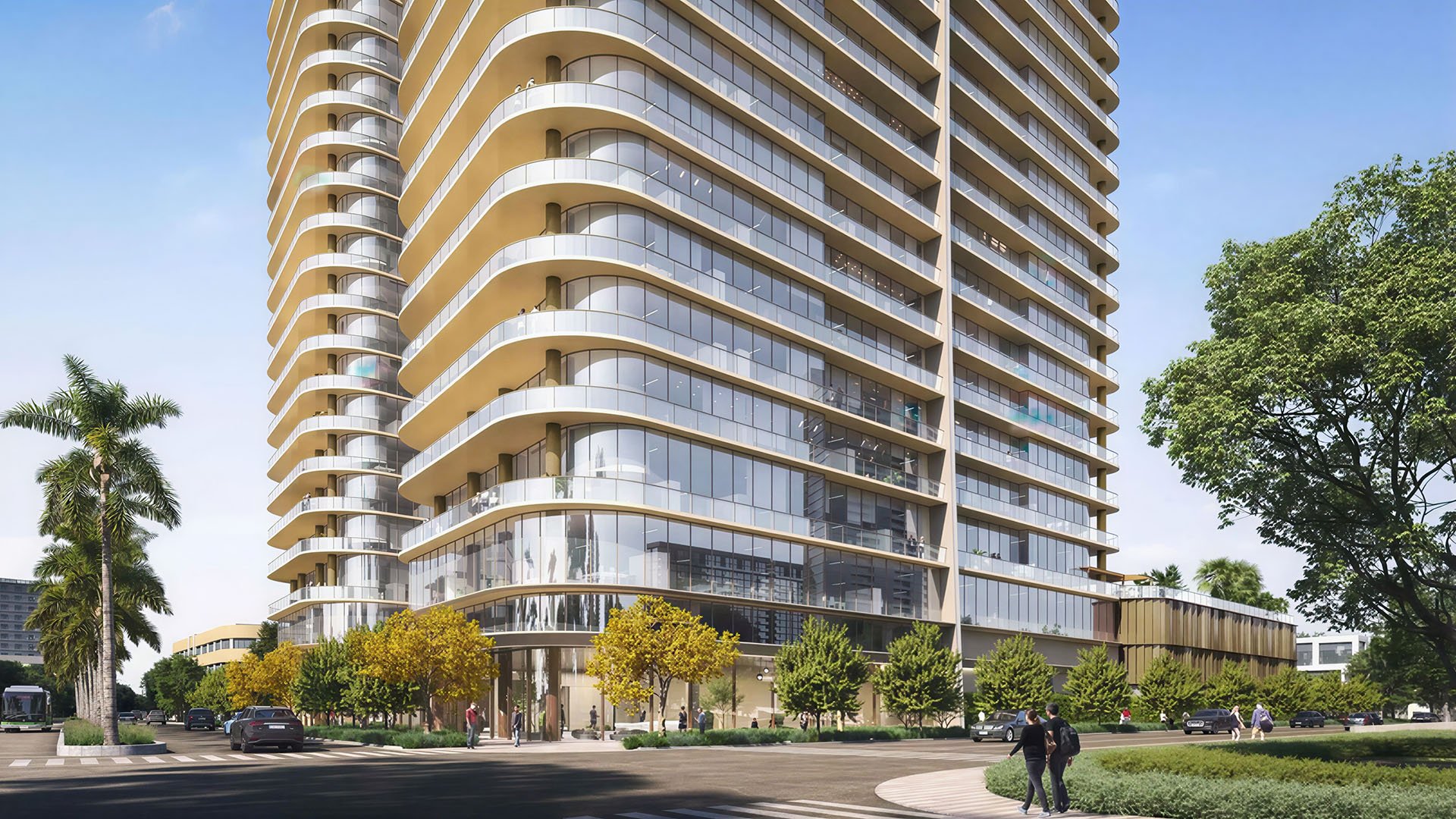
For South Florida buyers, aging in place is no longer a purely clinical conversation. It is a design conversation, a service conversation, and ultimately a lifestyle conversation. The most elegant residence is not simply the one that photographs beautifully today. It is the one that continues to feel graceful when mobility changes, when household staffing expands, when visiting family stays longer, or when a couple begins to prefer services that arrive quietly over errands that require coordination.
That is the central distinction in evaluating Kempinski Residences Miami Design District or The Cove Residences Edgewater. Both speak to a buyer who wants a refined Miami address, yet the aging-in-place lens asks something more specific: which environment best preserves independence without making support feel visible?
Because this decision is deeply personal, the stronger answer depends less on a single amenity than on the buyer’s operating style. Some households want a high-touch residential experience where hospitality is part of the value proposition. Others want a calmer, more private setting where the home itself, its proportions, and its sense of retreat do more of the work.
Elegant aging in place begins with reducing friction. Elevators should feel intuitive. Arrival should be protected from heat, weather, and unnecessary walking. Corridors, thresholds, kitchen circulation, bathroom access, and primary suite placement all matter more over time than a dramatic first impression.
The best residences also anticipate privacy around support. A future caregiver, private nurse, personal assistant, driver, chef, or visiting adult child should be able to participate in the household without compromising the owner’s dignity. That can mean flexible rooms, separated guest accommodations, generous storage, discreet service access, and a building culture accustomed to coordination.
Buyers considering New-construction and Pre-construction residences should be especially disciplined. Early selection can create opportunities to plan finishes, lighting, millwork, and smart-home infrastructure in a more future-proof way. Yet promises should be translated into practical questions: where will a walker turn, where will medicine be stored, where can seating be placed near an entry, and how easily can a bathroom be modified later without looking modified?
Kempinski Residences Miami Design District may be more compelling for buyers who associate graceful longevity with service intensity. In an aging-in-place context, hospitality support can be powerful when it reduces the mental load of ownership. The right service culture can help transform daily life from a sequence of tasks into a more fluid residential experience.
For some owners, that is the decisive point. A residence that supports elegant aging is not only about wider passages or better lighting. It is also about whether dinner reservations, transportation, deliveries, maintenance, guest arrivals, wellness appointments, and household requests can be handled with consistency. When a buyer imagines a future with less driving, fewer errands, and greater reliance on trusted building personnel, a service-forward environment may feel reassuring.
The Miami Design District context may also speak to a buyer who wants an urban residential setting to remain part of daily identity. For an owner who wants to stay engaged with Miami life without making routines feel strenuous, that setting can be meaningful. The question is whether the building experience allows that energy to remain accessible rather than demanding.
Kempinski may therefore be better suited to the buyer who wants support integrated into the residence’s personality. If the household expects frequent guests, formal entertaining, recurring services, or a concierge-led lifestyle, the service model may matter as much as the floor plan.
The Cove Residences Edgewater may be more compelling for buyers who define elegant aging through privacy, spaciousness, and waterfront calm. The aging-in-place conversation is not always about doing more. Sometimes it is about needing less stimulation, less choreography, and less exposure to the pace of the city.
For this buyer, the emotional quality of the home carries exceptional weight. A Waterview can become part of a daily wellness rhythm. A Terrace can provide fresh air without requiring a drive, an elevator ride to a public amenity, or a full outing. Quiet mornings, protected evenings, and a stronger sense of retreat may support independence in a way that is subtle but deeply felt.
Edgewater is an especially relevant part of the comparison because many buyers who consider the neighborhood are drawn to a balance of residential calm and urban access. The Cove Miami conversation, in that sense, is not simply about a building name. It is about whether the buyer wants a softer waterfront lifestyle that can absorb changing routines over many years.
The Cove may therefore be better suited to the buyer who prioritizes the residence as sanctuary. If future needs include longer family visits, more time at home, quieter surroundings, or indoor-outdoor living, the privacy and calm side of the equation may carry more value than a more overtly serviced lifestyle.
This comparison is best framed as service versus sanctuary, although the strongest residences ideally offer both. Kempinski may appeal to a buyer who wants hospitality to do the invisible work of aging well. The Cove may appeal to a buyer who wants the home’s atmosphere to provide ease before any service is requested.
Neither approach is inherently superior. A highly social buyer may feel younger, safer, and more connected in a setting where staff support, amenities, and city access are close at hand. A more private buyer may feel better supported by generous residence planning, views, outdoor space, and a quieter daily cadence.
Couples should also recognize that needs may diverge. One partner may prize concierge coordination and cultural proximity. The other may want calm, waterfront light, and fewer shared spaces. The best purchase will accommodate both, especially if the residence is intended as a primary home rather than a seasonal foothold.
The most important evaluation is experiential. Buyers should walk the residence path as if it were a future daily routine: arrival by car, entry with packages, elevator wait, corridor navigation, kitchen movement, nighttime bathroom access, guest arrival, and departure for appointments. If any step feels theatrical rather than effortless, that feeling will likely become more pronounced with time.
Light is another serious consideration. Aging eyes benefit from layered illumination, minimal glare, intuitive switches, and clear transitions between rooms. Flooring should feel stable. Door hardware should be easy to grip. Bathrooms should be beautiful but not slippery. Kitchens should support seated prep, visible storage, and simple circulation.
Buyers should also think about how support enters the home. Can a caregiver stay overnight with privacy? Can adult children visit without disrupting the owner’s routine? Is there space for a wellness professional to work comfortably? Can deliveries and maintenance be handled without repeatedly drawing the owner into logistics?
Finally, consider identity. The right residence should not feel like a concession to age. It should feel like a continuation of taste, status, independence, and pleasure. Elegant aging in place is successful when the home looks intentional, not adapted.
Choose Kempinski Residences Miami Design District if your highest priority is a service-rich lifestyle that may make daily coordination easier over time. It is the more intuitive direction for buyers who want hospitality, access, and support to be central to the ownership experience.
Choose The Cove Residences Edgewater if your highest priority is privacy, calm, and a residence that feels like a long-term retreat. It may be the more intuitive direction for buyers who expect to spend meaningful time at home and want the setting itself to provide serenity.
For many ultra-premium buyers, the answer will come from a simple question: when life becomes more selective, do you want the building to assist you more, or do you want the home to ask less of you? Kempinski leans toward the first instinct. The Cove leans toward the second.
Which residence is better for aging in place? The better fit depends on whether the buyer values service intensity or residential calm more highly. Kempinski may suit service-led buyers, while The Cove may suit privacy-led buyers.
Is aging in place only about accessibility features? No. It also includes service, privacy, lighting, circulation, guest flexibility, wellness routines, and the emotional comfort of the setting.
Why might service matter as owners age? Strong service can reduce errands, coordination, transportation stress, and household management. That can help preserve independence without making support feel clinical.
Why might waterfront calm matter for long-term living? A quieter setting, view, and private outdoor space can support daily wellness. For some buyers, serenity is as valuable as staffing.
Should buyers prioritize floor plan over amenities? For aging in place, the private residence usually matters most. Amenities are valuable, but the daily path through the home is what owners experience constantly.
Can a luxury residence be adapted later? Often, but the best approach is to anticipate future needs early. Lighting, thresholds, bathrooms, storage, and smart-home systems deserve particular attention.
What should couples consider if they have different preferences? They should test both service needs and sanctuary needs. A strong choice will support one partner’s desire for engagement and the other’s desire for quiet.
Is a terrace useful for aging in place? It can be, if it is easy to access, comfortably furnished, and protected enough for regular use. Private outdoor space can make staying home feel expansive.
How should visiting family factor into the decision? Buyers should consider guest privacy, flexible rooms, storage, and the ability for family to help without disrupting the owner’s routine.
What is the most elegant aging-in-place strategy? Choose a residence that makes future support feel natural, discreet, and consistent with your lifestyle. The goal is continuity, not compromise.
For a confidential assessment and a building-by-building shortlist, connect with MILLION.
If branded residences are on your mind — as a home or as an allocation — we would be glad to share what we are seeing, privately.
Begin a quiet conversation