A discreet buyer’s guide to evaluating private-driver waiting areas at Kempinski Residences Miami Design District, with emphasis on privacy, service choreography, and long-term resale appeal.
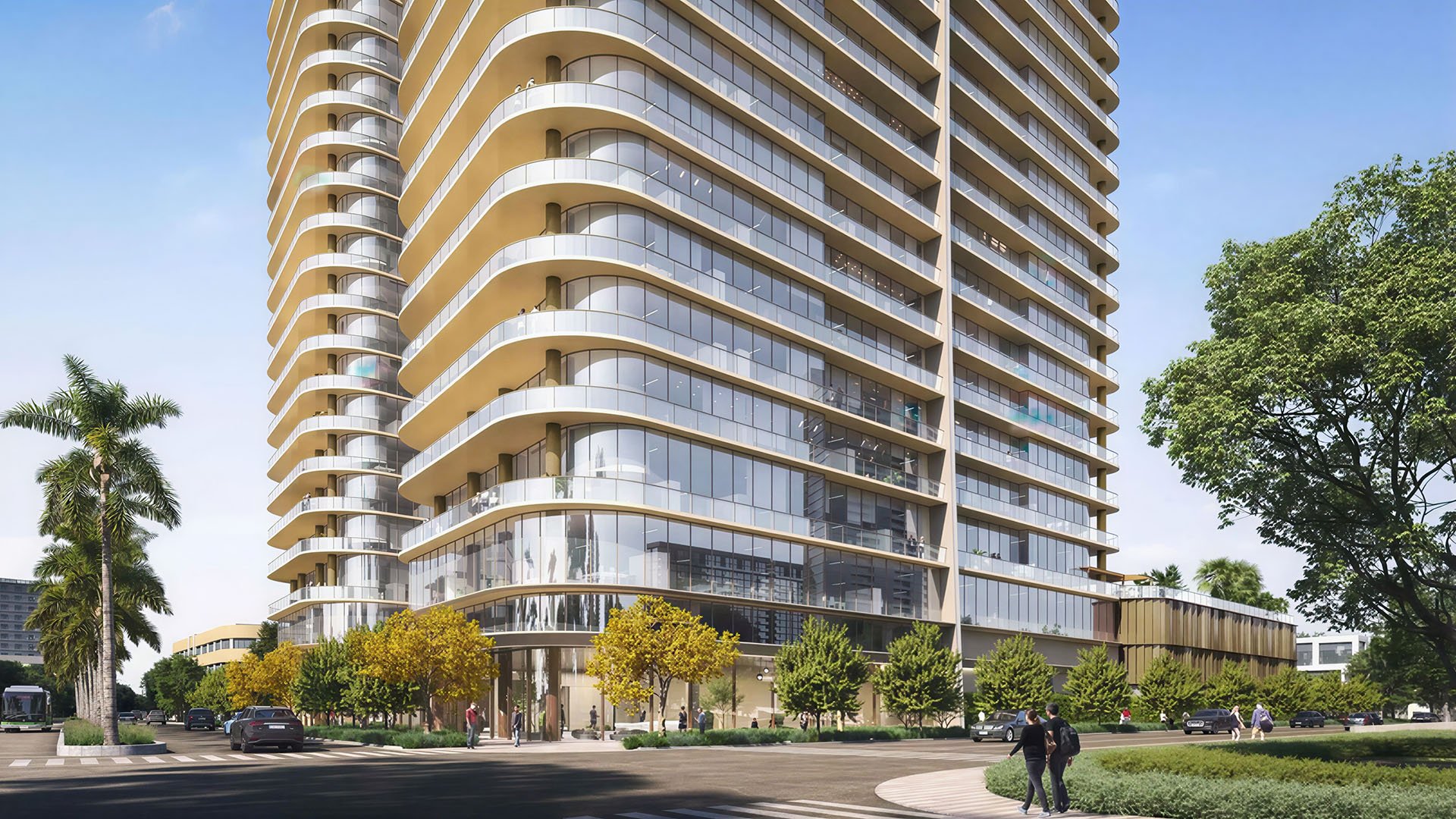
For buyers considering Kempinski Residences Miami Design District, the private-driver waiting area should not be treated as a back-of-house detail. It is part of the residence’s first and last impression: the hinge between public Miami and private home. In the luxury condominium market, arrival is not merely architectural. It is behavioral, operational, and deeply tied to discretion.
A well-conceived driver waiting area supports a specific rhythm of life: the resident moving between dinners, galleries, airport transfers, school runs, medical appointments, private clubs, and evening events without lingering in view. The question is not simply whether there is a place for a car to pause. It is whether the building can absorb movement without friction.
That matters in a neighborhood where design, hospitality, retail, and restaurant traffic can overlap. In that context, the most valuable amenity may be the one guests barely notice: a calm holding pattern for vehicles, drivers, luggage, packages, and staff communication.
The first question is whether the arrival sequence allows a resident to transition from vehicle to lobby without unnecessary exposure. A private-driver waiting area should be evaluated together with the porte cochere, entry doors, lobby sightlines, valet movement, and security desk. If those elements do not work in concert, the driver zone becomes visible congestion rather than a privacy tool.
Walk the sequence as if arriving during peak social hours. Where does the vehicle pause? Who can see the passenger door open? Is the resident crossing a shared pedestrian path, a public sidewalk, or a guest drop-off lane? The strongest layouts make the resident’s movement feel natural, brief, and protected, without creating the appearance of overbuilt security.
Buyers comparing Miami’s branded and design-led residences, from 888 Brickell by Dolce & Gabbana to boutique waterfront addresses, should look beyond lobby finishes and ask how the building handles discretion at street level. Privacy is not a material palette. It is choreography.
The waiting area is only as strong as the service protocol attached to it. A driver may need to stage before pickup, coordinate with reception, load luggage, wait during a short appointment, or return precisely when a resident exits. If the building cannot communicate cleanly with drivers, the amenity loses its value.
Ask how pickup requests are handled, whether staff can sequence multiple vehicles, and how the building manages overlap between residents, guests, deliveries, rideshare arrivals, and vendor access. A luxury residence should not require the owner to manage curbside logistics by text message while standing in the lobby.
The best systems feel almost invisible. Staff know when a vehicle is expected. The driver knows where to wait. The resident does not need to repeat instructions. A guest is not left to guess which entrance is correct. This level of service discipline matters for daily living, and it also shapes how the building is perceived by future buyers.
Begin with capacity, but do not stop there. Capacity is not merely the number of cars that can fit at once. It is whether the space can handle real-life timing without awkward stacking, reversing, blocking, or circling. A narrow area that technically accommodates vehicles may still fail if one delayed departure disrupts the entire sequence.
Next, study turning radius and exit logic. A private car should be able to enter, wait, load, and leave without a conspicuous maneuver. In a high-service building, drivers should not be forced to improvise. Smooth circulation protects the tone of the property.
Then consider shelter and comfort. South Florida weather makes covered movement valuable. Rain, heat, and evening humidity can make even a short exposed transition feel inelegant. Lighting should be soft but sufficient, with no theatrical glare into the cabin. Cameras and staff visibility should provide reassurance without making the space feel surveilled.
Finally, ask whether the waiting area is separated from loading and vendor functions. Blending private passenger arrival with service traffic can undermine the experience, particularly for owners who value quiet, formal arrivals.
Resale is often discussed through views, floor height, finishes, and brand affiliation. Yet operational amenities can become decisive when two residences appear otherwise comparable. A buyer may forgive a slightly smaller secondary bedroom, but not a building that makes every departure feel public or disorganized.
Resale strength in the luxury segment tends to favor buildings that maintain composure under pressure. When residents host, travel frequently, employ drivers, entertain family, or coordinate staff, logistics become part of the residence’s livability. A private-driver waiting area that functions well can support the perception of an address as polished, secure, and genuinely residential.
For investment-minded buyers, the question is not whether every future purchaser will use a private driver daily. The question is whether the building’s arrival infrastructure signals long-term quality. In resale conversations, subtle conveniences can separate a residence that photographs well from one that lives well.
Miami’s prime neighborhoods each create different arrival demands. Brickell introduces density, office traffic, dining traffic, and vertical living at scale. Edgewater often layers waterfront access with urban movement. Miami Beach brings event nights, hospitality energy, and a heightened need for separation between residents and visitors.
That is why buyers should compare the private-driver experience across buildings, not just within a single sales gallery conversation. A residence such as EDITION Edgewater may prompt different questions about waterfront urban access than a beach-oriented property such as The Perigon Miami Beach. The point is not to declare one model superior. It is to understand whether the arrival plan suits the way you actually live.
In Downtown and Brickell, for example, the issue may be curb discipline and timing. In quieter residential pockets, the issue may be maintaining privacy without excessive formality. In the Miami Design District, the best outcome is a refined threshold that acknowledges the neighborhood’s public energy while preserving the resident’s private cadence.
A serious buyer should ask practical questions early. Where exactly does a private driver wait? Is there a separate protocol for scheduled pickups? How are residents notified when the car is ready? Can staff stage luggage or shopping discreetly? What happens when several residents request vehicles at the same time?
Also ask to understand the building’s rules. Driver waiting areas can be affected by association policies, staffing models, valet procedures, insurance requirements, and municipal traffic patterns. A beautiful plan on paper needs governance that keeps it elegant over time.
If considering a new-construction residence, revisit these questions as the building moves from concept to operation. Renderings can convey mood, but operations reveal discipline. The most persuasive answer is not a flourish of design language. It is a clear explanation of how the space will work on a Tuesday morning, a Friday evening, and during a major neighborhood event.
Why is a private-driver waiting area important in a luxury residence? It protects privacy, reduces curbside friction, and supports a smoother daily arrival and departure experience.
What should I inspect first at Kempinski Residences Miami Design District? Start with the full arrival sequence, including vehicle approach, passenger drop-off, lobby sightlines, and staff coordination.
Is a larger waiting area always better? Not necessarily. A smaller space with clean circulation and disciplined service can outperform a larger area that feels exposed or chaotic.
How does this affect resale value? Future buyers often respond to operational ease, especially when a building feels private, composed, and well managed.
Should the driver area be separated from deliveries? Ideally, yes. Mixing resident arrivals with vendor or loading activity can weaken the sense of discretion.
What service questions should buyers ask? Ask how pickups are scheduled, how staff communicate with drivers, and how peak arrival times are managed.
Does this matter if I do not use a private driver daily? Yes. Guests, family, airport transfers, and special events can all benefit from a well-run arrival system.
How should investment buyers evaluate the feature? Treat it as a quality signal that may support long-term desirability among privacy-focused luxury purchasers.
Can design compensate for weak operations? Only to a point. Elegant materials cannot fix poor traffic flow, unclear protocols, or inconsistent staffing.
What is the best sign of a strong private-driver waiting area? The best sign is that it feels effortless: vehicles arrive, residents move privately, and no one appears to be managing a problem.
For a tailored shortlist and next-step guidance, connect with MILLION.
If branded residences are on your mind — as a home or as an allocation — we would be glad to share what we are seeing, privately.
Begin a quiet conversation