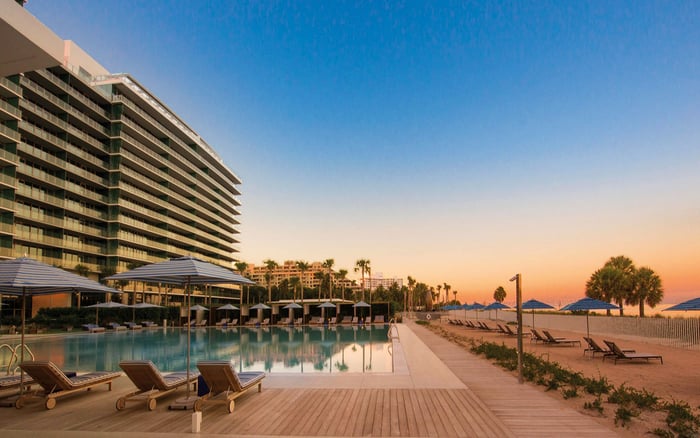
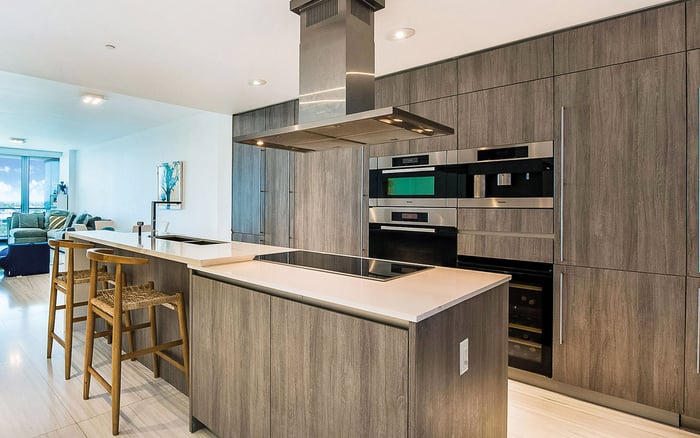
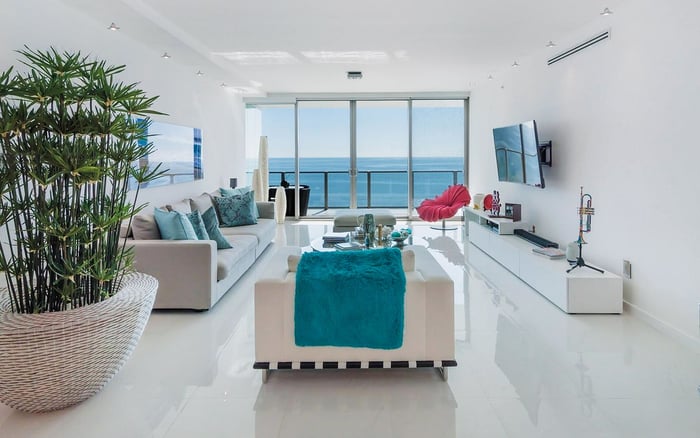
A buyer-focused comparison of Oceana Key Biscayne and Onda Bay Harbor, emphasizing completed-tower evidence, terrace usability, view quality, and maintenance exposure for luxury condominium purchasers.
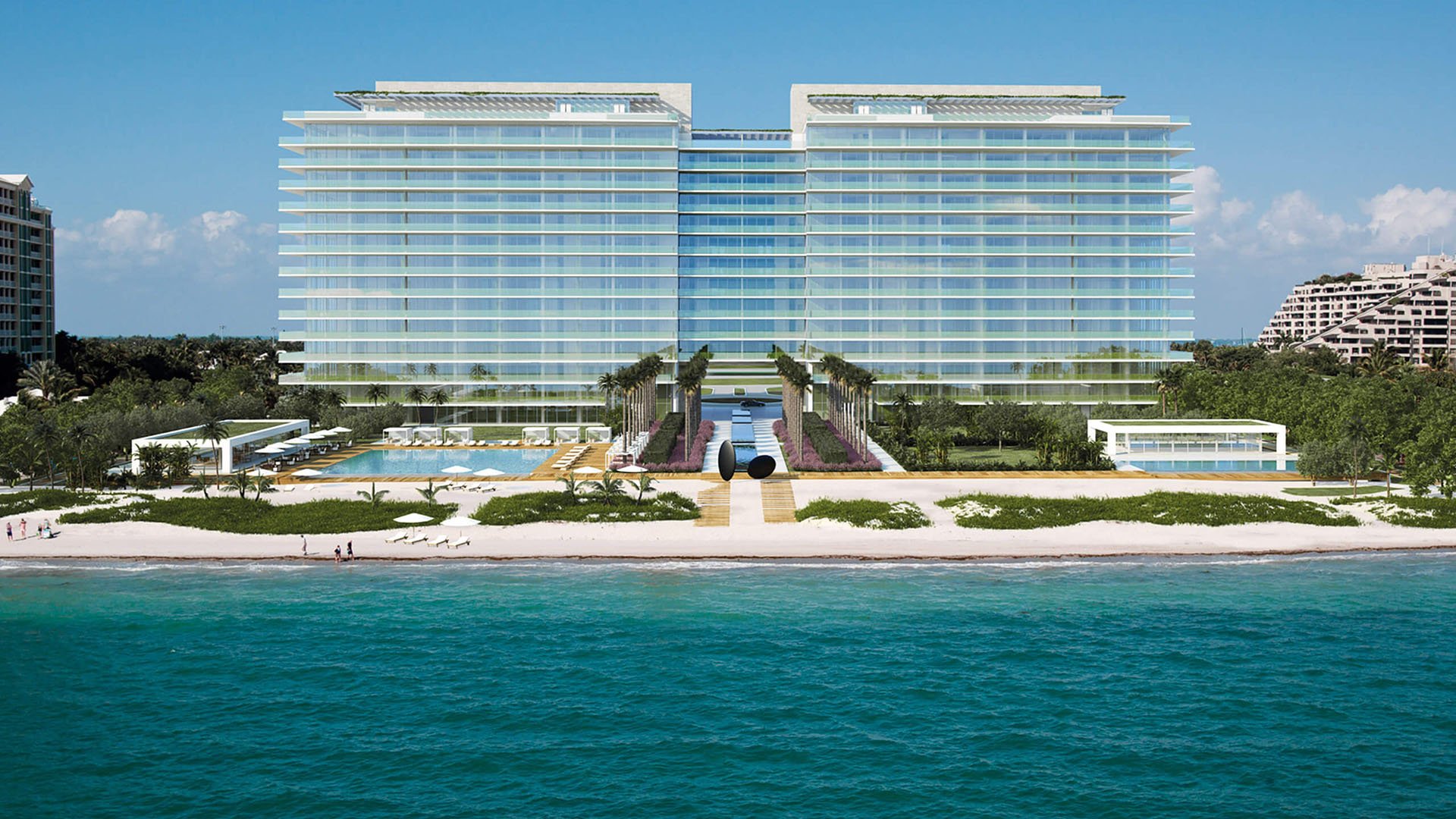
For a certain South Florida buyer, the most persuasive amenity is not a spa suite, a private elevator, or a cinematic rendering. It is certainty. That is the frame for comparing Oceana Key Biscayne with Onda Bay Harbor: one can be evaluated as a completed oceanfront condominium, while the other is understood as a boutique bayfront alternative with newer-construction appeal and a more intimate design proposition.
The distinction matters because luxury buyers are no longer simply selecting a floor plan. They are underwriting a lifestyle that must function through humidity, salt air, seasonal weather, association governance, service expectations, and future neighboring development. In shorthand, this is a Key Biscayne versus Bay Harbor decision, but it is also a terrace, oceanfront, and maintenance-risk decision.
Oceana Key Biscayne speaks to buyers who want to walk the property, stand on the terrace, see the actual horizon, review observable finishes, and understand how the building performs after real occupancy. Onda Bay Harbor speaks to buyers who value contemporary design language, boutique scale, and the possibility that newer systems and code standards may create advantages, even with less long-run operating evidence to inspect.
Neither position is inherently superior. The right choice depends on whether the buyer prizes empirical proof or is comfortable accepting newer-design upside with questions that will only become fully visible over time.
Terrace size is often marketed as if every outdoor foot carries the same value. It does not. The better question is whether the terrace can be used comfortably at the hours and seasons that matter to the owner. At Oceana, completed status allows buyers to test that directly. A serious visit can reveal exposure, wind, shade, privacy, glare, and how the outdoor area feels when the building is functioning as a lived-in address rather than as an idea.
That practical advantage is significant. A terrace that looks exceptional on paper may be too windy for dinner, too exposed for afternoon reading, or too shaded for the owner who imagined sunrise rituals. Conversely, a terrace that seems modest in plan can become the most used room in the residence if it is protected, well proportioned, and naturally connected to the interior.
Onda’s bayfront positioning changes the terrace question. Buyers may be drawn to the intimacy and design of a boutique building, but terrace comfort should be treated as forward-looking until occupancy has shown how the building performs through multiple weather and seasonal cycles. Bayfront air, neighboring parcels, and surrounding conditions all influence the daily experience. In Bay Harbor, buyers comparing Onda with alternatives such as La Baia North Bay Harbor Islands and Bay Harbor Towers should resist relying on terrace renderings alone.
For both buildings, the best terrace diligence is physical and repeated. Visit at different times of day. Sit down; do not merely step outside. Listen. Check sightlines while standing and while seated. Ask whether the terrace feels like a genuine extension of the home or an architectural flourish.
Oceana’s oceanfront identity allows the view experience to be assessed from the actual building. This is a major advantage for buyers who dislike interpretive risk. They can observe the depth of the view, the way light moves across the residence, and the relationship between interior rooms and exterior outlooks. The view is not theoretical.
That does not mean every view within a completed building is equal. Height, orientation, neighboring structures, angle, and interior layout still matter. But the buyer is dealing with evidence rather than projection. The oceanfront condition can be judged in real time, and the emotional response can be tested against the physical environment.
Onda’s bayfront setting requires a different discipline. View quality should be evaluated through bay orientation, neighboring parcels, and future surrounding buildout risk. The bayfront experience can be elegant and quieter in character than a broad oceanfront panorama, but it is more dependent on the exact line of sight and the evolving context around the property.
This is where buyers often misprice risk. A rendering may show water, sky, and architectural calm. The actual long-term value of the view depends on what remains protected, what may change nearby, and how the residence frames the bay when life is being lived inside it. Buyers who also study other coastal projects should keep the same principle in mind: the premium is not merely for water, but for the durability and livability of the view.
Maintenance exposure is where the comparison becomes especially important for risk-aware buyers. Oceana’s completed condition allows purchasers to review association financials and maintenance history as part of diligence. That does not remove all uncertainty, but it gives the buyer a real operating record to evaluate.
The value of this record is not just financial. It can help reveal how a building handles real occupancy, how systems perform after use, and how ownership obligations may feel beyond the initial purchase. Buyers can inspect observable finish quality and building-system performance rather than relying only on delivery promises.
Onda may offer the appeal of newer construction, contemporary systems, and potential building-code advantages. For some buyers, that is meaningful. Newer design language can feel cleaner, more current, and better aligned with how modern owners entertain, work, and retreat. Yet newer does not automatically mean lower exposure. Until a building has lived through multiple seasons with residents in place, certain maintenance patterns remain less proven.
This is the essence of the trade-off. Oceana offers more empirical evidence. Onda offers newer-design upside with less historical data. A buyer who wants maximum clarity before closing may prefer the completed-tower profile. A buyer who accepts a degree of future discovery may find the boutique bayfront proposition compelling.
The smartest approach is not to ask which building is more glamorous. It is to ask which uncertainties the buyer is willing to own.
At Oceana, diligence should focus on the actual residence, the terrace’s daily comfort, observable finish quality, building performance, and association documents. Because the property is already operating, the buyer can be more demanding. If a terrace is uncomfortable, a view is compromised, or a building condition is visible, there is less reason to excuse it as something that will improve later.
At Onda, diligence should focus on bay orientation, neighboring parcels, future surrounding context, and the degree to which the buyer values newer design over longer operating history. The boutique scale may be attractive, but the buyer should underwrite terrace usability and lived view quality with caution until real occupancy supplies more evidence.
The comparison also has a lifestyle dimension. Key Biscayne offers a different residential rhythm than Bay Harbor Islands. The former is connected to an island-resort sensibility with oceanfront immediacy. The latter is more boutique, bayfront, and neighborhood-scaled. Buyers who are also considering Bay Harbor options such as The Well Bay Harbor Islands should separate the appeal of the location from the evidence available on each specific building.
In the end, this is not a contest between old and new. It is a contest between known performance and future promise. For buyers who prefer completed-tower certainty over pre-construction theater, Oceana’s advantage is the ability to verify. For buyers drawn to a contemporary bayfront boutique concept, Onda’s appeal is the possibility of a more current expression, accepted with a longer list of questions.
Which building is better for buyers who want certainty before closing? Oceana Key Biscayne is better aligned with that preference because buyers can evaluate the completed building in its existing operating condition.
Why does terrace usability matter so much in this comparison? Terrace value depends on real comfort, including wind, shade, exposure, privacy, and whether the space works for daily outdoor living.
Can Onda Bay Harbor still be the better choice for some buyers? Yes. Buyers who value boutique scale, contemporary design language, and newer-construction potential may find Onda compelling.
How should buyers evaluate Oceana’s views? They should assess the actual residence in person, including orientation, light, sightlines, and the connection between interior rooms and the oceanfront setting.
How should buyers evaluate Onda’s views? They should study bay orientation, neighboring parcels, and future surrounding buildout risk before assigning a premium to the view.
Does newer construction automatically mean lower maintenance exposure? No. Newer systems may offer advantages, but long-run maintenance patterns become clearer only after real occupancy and seasonal cycles.
What documents matter most for a completed building? Association financials, maintenance history, and observable building conditions can all help buyers estimate longer-term exposure.
Is this mainly a Key Biscayne versus Bay Harbor Islands lifestyle choice? Partly, but the more important question is whether the buyer prefers observable performance or newer-design upside with less empirical history.
Should buyers visit terraces more than once? Yes. Multiple visits at different times of day can reveal comfort, shade, glare, wind, and practical usability.
What is the core trade-off between Oceana and Onda? Oceana offers completed-tower evidence, while Onda offers boutique bayfront design with less long-run operating data.
If you'd like a private walkthrough and a curated shortlist, connect with MILLION.
If branded residences are on your mind — as a home or as an allocation — we would be glad to share what we are seeing, privately.
Begin a quiet conversation