A discreet buyer’s guide to South Florida residence types and settings that can feel calmer, more private, and less oriented around transient visitor traffic.
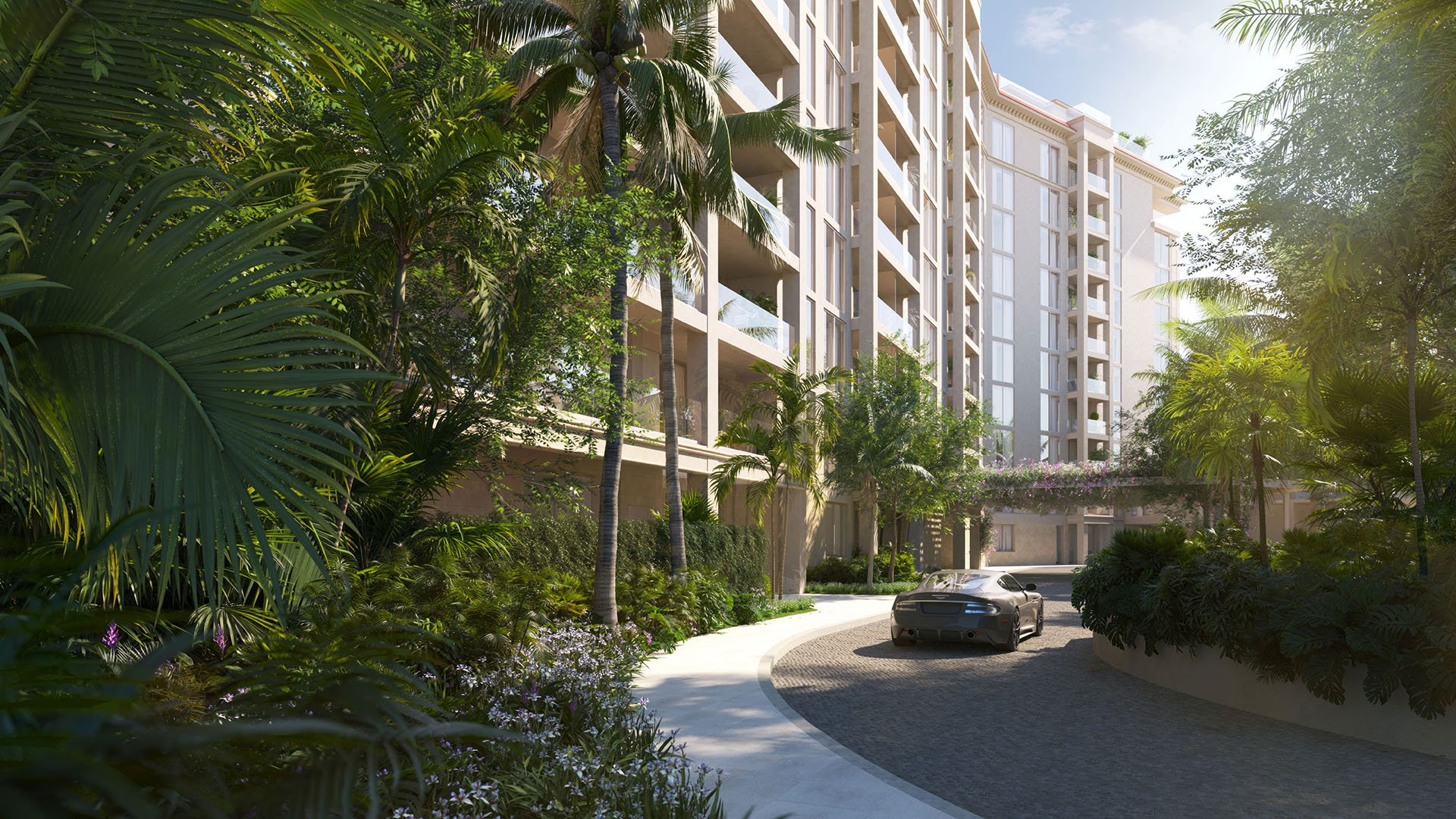
For a certain South Florida buyer, luxury is no longer defined only by a wide terrace, a cinematic water view, or a marble-clad lobby. It is defined by the ability to come home without feeling as if the building is in constant turnover. Less exposure to short-term visitors can mean fewer unfamiliar faces in elevators, calmer pool decks, a more predictable garage experience, and a residential atmosphere that feels consistent from season to season.
This is not simply a question of whether a property is beautiful. Many beautiful buildings feel highly social, highly transient, or deliberately hospitality-driven. The more discreet buyer is looking for a different signal: a residence where the rhythm is owner-centered, the arrival sequence is controlled, and the amenities feel like extensions of home rather than destinations for a rotating audience.
In South Florida, that search can lead across private islands, established beachfront enclaves, boutique waterfront buildings, gated communities, and full-service residences with a culture of long-term ownership. The essential vocabulary often includes short-term rentals, long-term rentals, gated community, Fisher Island, Miami Beach, and Boca Raton, but the real distinction is experiential. The question is not only where you live, but who shares the spaces around you.
1. Private island residences - Fisher Island context
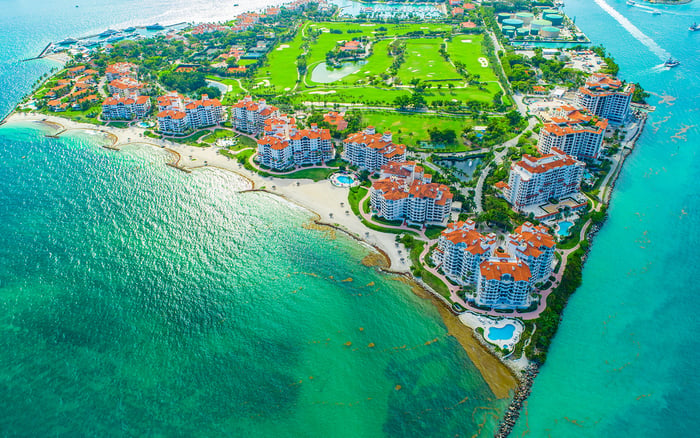
For buyers who place discretion first, private island living remains one of South Florida’s clearest expressions of separation. The appeal is not theatrical. It is practical: a defined point of arrival, a more controlled residential environment, and a social ecosystem that tends to reward familiarity over turnover.
This type of residence suits buyers who want resort-level beauty without a resort-style public atmosphere. The best fit is an owner who values privacy, security posture, and a sense of removal, while still wanting proximity to Miami’s cultural and financial centers.
2. Gated single-family estates - Boca Raton and Palm Beach County context
A gated single-family residence is often the most intuitive answer for buyers who want less shared circulation. There is no elevator queue, no shared corridor, and no pool deck shaped by building-wide guest activity. Daily life happens within a private envelope, with neighborhood access managed at the community level.
In Boca Raton and nearby luxury markets, this option can appeal to families, seasonal residents, and executives who want space, predictability, and control over the home environment. The tradeoff is diligence: buyers must evaluate the community culture carefully, since privacy depends on both physical planning and local expectations.
3. Boutique waterfront condominiums - Bay Harbor and Surfside context
Boutique waterfront buildings can offer a compelling middle ground for buyers who want condominium convenience without the energy of a large, hospitality-forward tower. Smaller scale can make the residential experience feel more personal, with fewer amenity users and a stronger chance of recognizing neighbors.
For the right buyer, this is about proportion. A quieter lobby, a more measured valet rhythm, and a less crowded pool environment can matter more than an expansive amenity menu. In these settings, privacy is often created by restraint rather than spectacle.
4. Established beachfront condominiums - Miami Beach and Surfside context
Not every beachfront address feels transient. Some established oceanfront buildings cultivate a quieter residential identity, especially when the daily culture is shaped by owners rather than temporary guests. For buyers who want beach access without a revolving-door atmosphere, the key is to study how the building actually lives.
The best candidates tend to feel composed at arrival, disciplined in common areas, and intentional about resident services. Buyers should pay close attention to elevator patterns, amenity density, front-desk protocol, and whether the property feels like a private residence first.
5. Full-service urban residences - Brickell, Coconut Grove, and West Palm Beach context
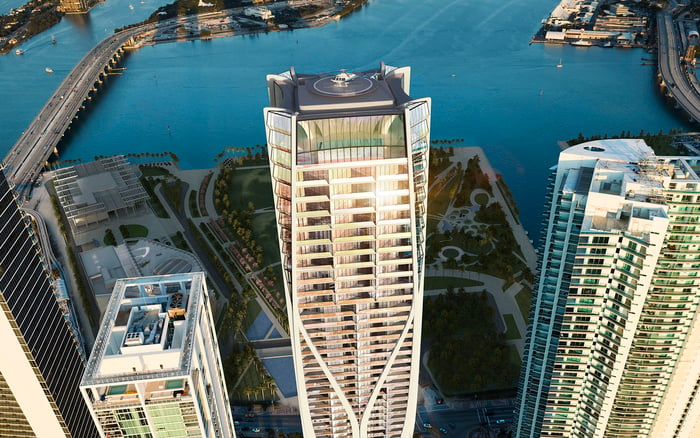
Urban luxury does not have to mean constant exposure. In the right full-service residence, a controlled lobby, private amenity floors, resident-focused services, and thoughtful circulation can soften the intensity of city living. The objective is to enjoy access without surrendering privacy.
This category works best for buyers who need proximity to business districts, restaurants, private clubs, and cultural venues, but do not want their building to feel like an extension of the nightlife economy. The defining feature is not height or glamour. It is the quality of separation between public city energy and private residential life.
Less exposure to short-term visitors is not only a rental-policy concern. It is a lifestyle concern. A buyer may be sensitive to lobby activity, guest access, amenity crowding, elevator wait times, noise, package volume, or the sense that common areas are being used by people without a long-term relationship to the building.
The most refined residences manage this through design and culture. Separate service access, controlled garages, resident-only amenities, careful front-desk procedures, and clear guest protocols all contribute to a quieter experience. In the strongest buildings, discretion is not advertised loudly. It is felt in the absence of friction.
Buyers should also distinguish between visitor exposure and social energy. Some owners want a lively building, but not a transient one. Others want near-total privacy. The correct choice depends on how often the buyer is in residence, whether the home is used by family, and how much shared space the owner expects to use.
The most revealing moment is often an ordinary one. Visit at different times of day. Observe the porte cochere, lobby, elevators, pool, fitness area, and garage. A building’s character is visible in small details: whether staff know residents, whether amenity areas feel supervised, whether guests appear guided, and whether arrival feels calm or improvised.
Ask direct questions about leasing rules, guest registration, amenity access, and house policies. Review governing documents with appropriate professional guidance. Policies can vary widely, and the practical experience may depend on enforcement as much as on the words themselves.
For condominium buyers, board culture matters. For single-family buyers, the homeowners association and neighborhood character matter. For new developments, buyers should consider how the project is positioned and what kind of ownership profile it is likely to attract. A residence can be architecturally exquisite, yet still feel too open for a buyer whose true priority is privacy.
This search is especially relevant for principals who travel frequently, families with children, collectors, public figures, and international buyers who want their South Florida home to function as a sanctuary. It is also relevant for buyers who work from home, maintain staff, host selectively, or simply prefer a quieter standard of living.
The best residence is rarely chosen by amenity count alone. It is chosen by the rhythm it protects. For this buyer, a less crowded elevator can be as meaningful as a better view. A controlled lobby can be as valuable as a larger spa. Privacy is not a retreat from luxury. It is luxury refined to its most personal form.
What does less exposure to short-term visitors mean for a buyer? It means choosing a residence where shared spaces are less likely to feel transient, crowded, or unpredictable.
Is a private island residence the most discreet option? It can be one of the strongest options for buyers who want controlled access and a more separated residential setting.
Are single-family homes better than condominiums for privacy? They often reduce shared-space exposure, but community rules, location, and neighboring activity still matter.
Can a beachfront condo still feel private? Yes, particularly when the building culture is residential, controlled, and not oriented around frequent turnover.
What should I review before buying in a condominium? Review leasing rules, guest policies, amenity access, parking procedures, and governing documents with professional guidance.
Do boutique buildings always mean more privacy? Not always, but smaller scale can create a calmer experience when paired with disciplined management and resident-focused policies.
Is Brickell suitable for buyers seeking discretion? It can be, if the residence separates private living from public city energy through access, service, and amenity design.
Why does building culture matter? Policies are important, but the lived experience depends on how consistently the building manages residents, guests, and amenities.
Should buyers avoid all hospitality-branded residences? Not necessarily. The key is whether the daily experience is primarily residential rather than transient or public-facing.
What is the first step in narrowing the search? Define the level of privacy you need, then compare buildings by access, rules, amenity rhythm, and ownership culture.
When you're ready to tour or underwrite the options, connect with MILLION.
If branded residences are on your mind — as a home or as an allocation — we would be glad to share what we are seeing, privately.
Begin a quiet conversation