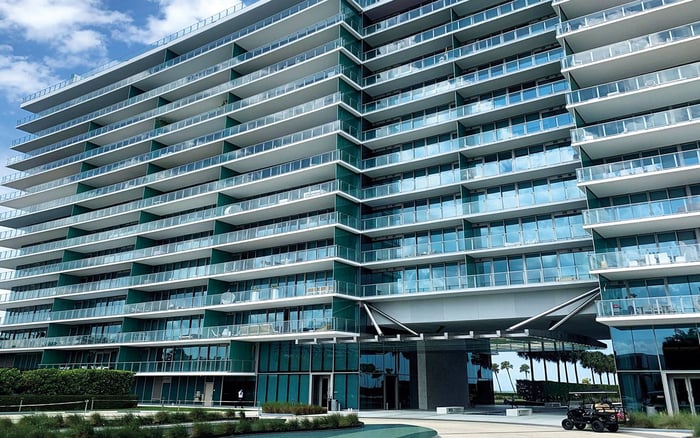
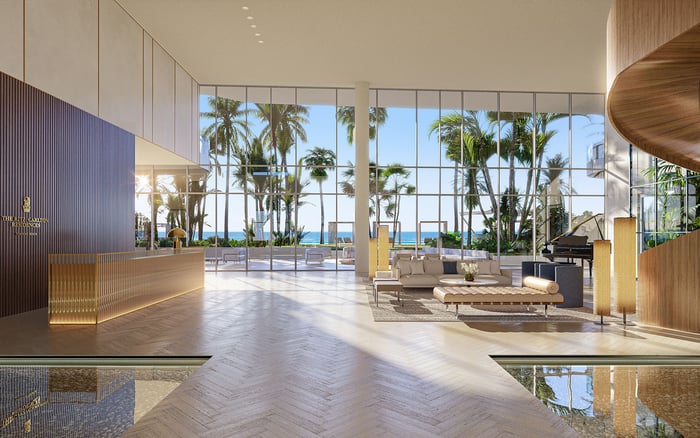
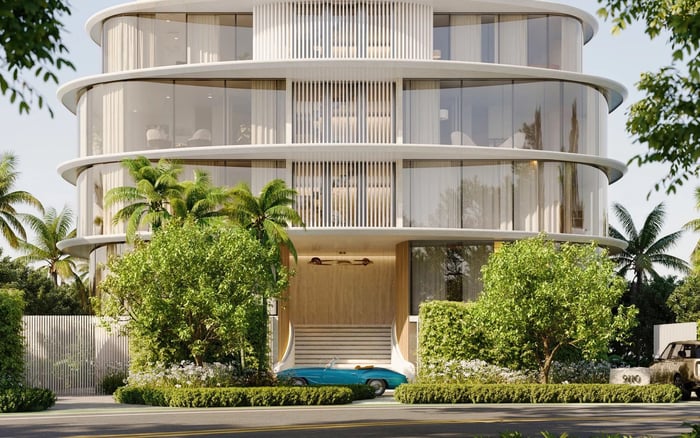
Smaller island communities across South Florida are drawing ultra-premium buyers with a proposition that feels increasingly distinct from classic Miami Beach: fewer residences, deeper privacy, quieter streets, marina adjacency, and a more residential rhythm without sacrificing design ambition. For buyers who already know Miami Beach well, the appeal is not replacement so much as refinement. Bay Harbor Islands, Surfside, Fisher Island, Key Biscayne, and select Palm Beach enclaves are competing by offering scarcity in a more intimate format.
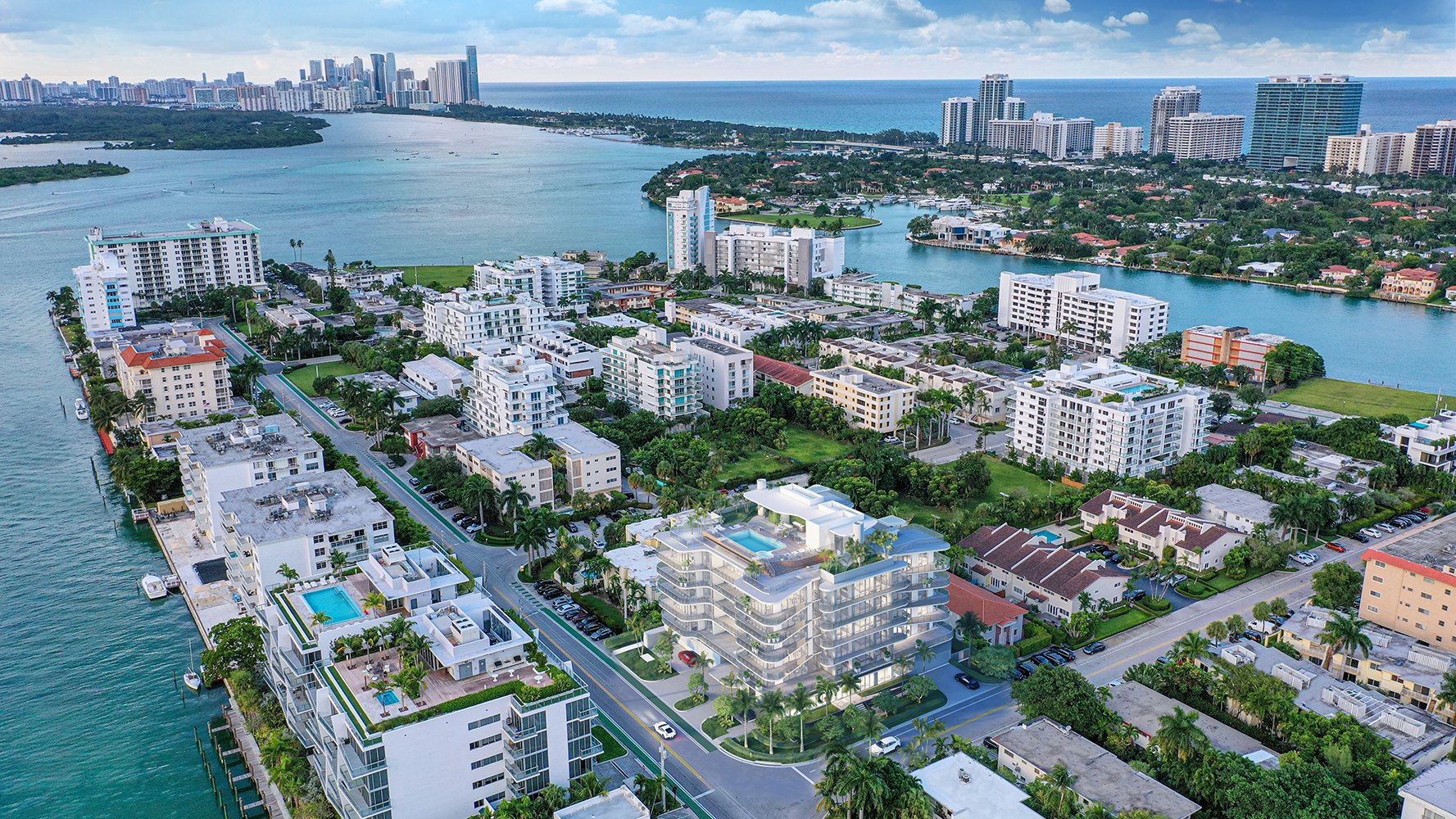
Miami Beach remains the region’s most internationally legible luxury address. It offers cultural gravity, hospitality pedigree, and a level of visibility few waterfront markets can match. Yet in the ultra-premium tier, visibility is no longer the only currency that matters. A meaningful share of affluent buyers now wants something more controlled: quieter streets, fewer neighbors, easier arrivals, and a home environment that feels private even at the height of season.
That shift has elevated smaller island communities from niche alternatives to serious contenders. In places such as Bay Harbor Islands, Surfside, Fisher Island, Key Biscayne, and Palm Beach, the value proposition is especially clear. These enclaves often deliver waterfront living with a lower-density profile, a more residential cadence, and an experience that feels insulated without becoming remote.
For many second-home and primary-home buyers, the choice is no longer simply Miami Beach or elsewhere. It is Miami Beach for one lifestyle, and a smaller island community for another. The latter increasingly appeals to families, privacy-minded entrepreneurs, and seasoned collectors of real estate who have already lived through the cycle of buying the most visible address in the room.
At the top of the market, square footage is only part of the equation. Buyers are also purchasing silence, predictability, and separation. A tower with fewer residences, a boutique bayfront building, or a gated island setting can create an entirely different daily experience from a larger beachfront corridor.
That is one reason Bay Harbor has become such a closely watched micro-market. Projects such as Alana Bay Harbor Islands and Onda Bay Harbor embody the kind of intimate, design-forward residential positioning that appeals to buyers who want contemporary finishes and waterfront presence without the higher-profile tempo of Miami Beach.
The same logic extends north and south along the coast. In Surfside, boutique prestige carries a different emotional tone from South of Fifth or the central beach corridor. It is less performative, more composed. At The Delmore Surfside, that sensibility aligns with the broader preference for residences that feel like private compounds in vertical form.
For UHNW purchasers, this is not a retreat from luxury. It is a recalibration of it.
The strongest smaller island communities compete with Miami Beach by making privacy tangible. That can mean fewer units, limited through-traffic, more discreet points of entry, or simply a setting where residents are not constantly living amid visitors and nightlife spillover.
In practical terms, buyers often respond to the reduced friction of these enclaves. Arrivals are easier. Security feels less theatrical and more embedded. Staffed buildings and managed residences can still deliver high service, but the surrounding neighborhood remains quieter. That balance matters to buyers who want polished living without a hotel-like atmosphere every day.
Fisher Island represents the clearest version of this dynamic, with separation functioning as part of the address itself. Key Biscayne offers another interpretation, where proximity to Miami combines with a notably more residential texture. Palm Beach competes from a different angle, emphasizing legacy prestige, social discretion, and a calmer rhythm that many buyers now view as the ultimate luxury.
This is also why Miami Beach’s own most rarefied projects increasingly speak the language of exclusivity rather than scale. Even within the larger market, residences such as The Perigon Miami Beach signal that today’s premium buyer is prioritizing privacy, curated services, and architectural distinction over simple address recognition.
Many ultra-premium purchases are now evaluated with a family-office lens. The home must perform aesthetically, of course, but it must also function as a long-hold asset, a secure intergenerational base, and a place that can accommodate changing household patterns.
Smaller island communities fit that brief well. They often offer easier day-to-day livability, stronger feelings of neighborhood continuity, and a more stable residential identity. For families, this can translate into less congestion and a more intuitive environment for children, visiting relatives, and household staff. For international buyers and domestic relocators alike, the appeal is the ability to have waterfront prestige without the full intensity of a globally exposed beachfront district.
That helps explain the widening relevance of markets once treated as supporting players. Bay Harbor Islands has become a genuine luxury conversation. Surfside remains highly coveted because its scale is difficult to replicate. Fisher Island continues to occupy a class of its own. Palm Beach has captured buyers who want old-guard polish with modern residential product, including developments such as Alba West Palm Beach that reflect the broader migration of premium demand beyond the traditional Miami Beach core.
None of this diminishes Miami Beach. In many respects, the city remains the benchmark because it continues to define the image of South Florida luxury for a global audience. Its strongest buildings, hospitality ecosystem, and cultural visibility still give it unmatched symbolic power.
For some buyers, that symbolism is decisive. They want oceanfront drama, immediate recognition, and a residence embedded in a market with proven cachet. Miami Beach also offers a broader menu of product, from iconic legacy condominiums to newer branded and design-led towers. For those who value social access and city intensity, the smaller islands may feel too quiet.
But that is precisely why competition has intensified. The ultra-premium market is no longer choosing one universal definition of luxury. It is splitting into subcategories. Miami Beach stands for spectacle, access, and iconicity. The smaller island communities increasingly stand for stillness, discretion, and scarcity.
When buyers weigh Miami Beach against smaller island alternatives, the decision often comes down to five unspoken questions.
First, how much exposure do they want in daily life? Second, how many residences are they willing to share a building with? Third, does the setting support boating, family routines, and easy movement? Fourth, does the neighborhood feel enduring rather than trend-driven? Fifth, will the property still feel special once the novelty of a famous ZIP code fades?
Those questions tend to favor boutique communities more often than they did a decade ago. Scarcity is easier to defend in a small, well-defined island setting. Residential identity is easier to preserve where retail and tourism do not dominate the streetscape. And in the current market, discernment itself has become a status signal.
That does not mean Miami Beach is losing. It means buyers at the very top have more than one way to win.
Why are smaller island communities attracting ultra-premium buyers? They offer privacy, lower density, and a more residential atmosphere while still preserving waterfront prestige.
Is Miami Beach still the strongest luxury address in South Florida? It remains the benchmark for visibility and cultural cachet, but quieter enclaves now compete by offering a different kind of exclusivity.
Which areas are most directly competing with Miami Beach? Bay Harbor Islands, Surfside, Fisher Island, Key Biscayne, and Palm Beach are among the clearest contenders discussed here.
What makes boutique buildings so appealing right now? Fewer residences can create more discretion, calmer common areas, and a more private day-to-day owner experience.
Are these buyers replacing Miami Beach or diversifying beyond it? Often they are diversifying, choosing a smaller island setting for privacy while still valuing Miami Beach’s prestige.
Does waterfront access matter more than nightlife for this segment? For many ultra-premium buyers, daily ease, marina adjacency, and tranquility can matter more than constant social activity.
Why is Bay Harbor drawing more attention? Its intimate scale and design-led residential options appeal to buyers seeking polished but quieter luxury.
How does Surfside differ from Miami Beach? Surfside feels more restrained and residential, with a boutique character that many privacy-minded buyers prefer.
Is Palm Beach part of the same competitive conversation? Yes. It attracts buyers who favor legacy prestige, discretion, and a calmer social rhythm within South Florida.
What is the best way to shortlist comparable options for touring? Start with location fit, delivery status, and daily lifestyle priorities, then compare stacks and elevations to validate views and privacy.
When you're ready to tour or underwrite the options, connect with MILLION.
If branded residences are on your mind — as a home or as an allocation — we would be glad to share what we are seeing, privately.
Begin a quiet conversation