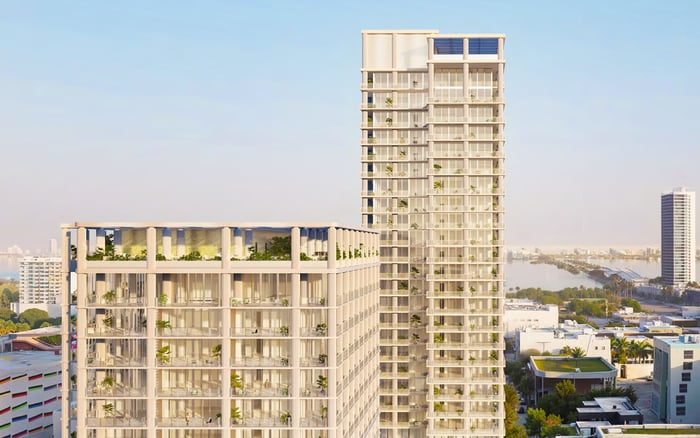
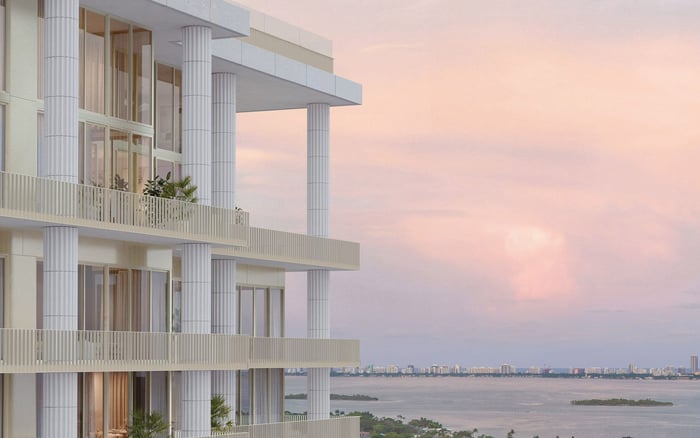
A buyer-focused look at Kempinski Residences Miami Design District through the lens of weekday logistics, school routines, work patterns, and family time.
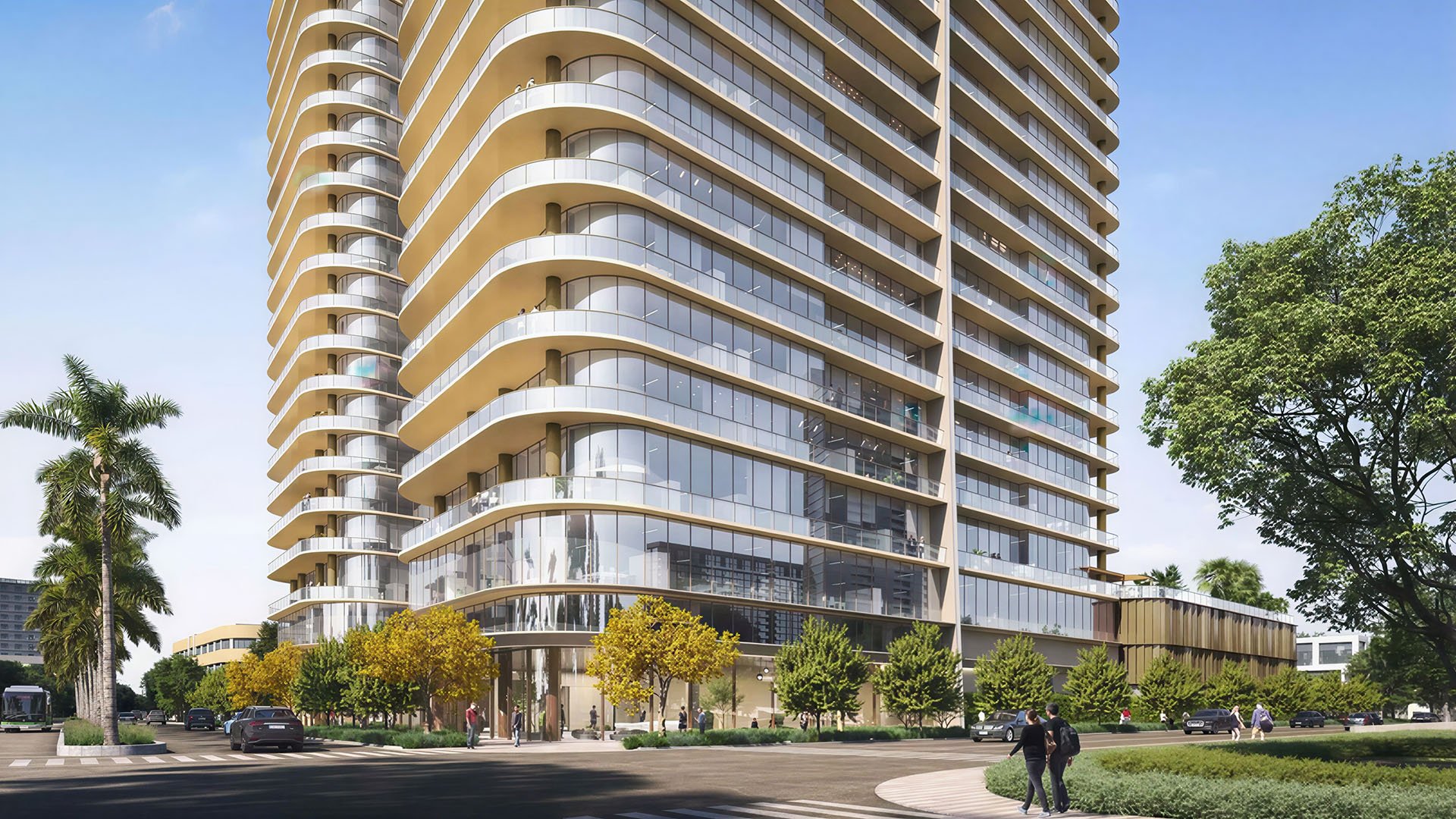
For many South Florida luxury buyers, the most valuable amenity is not the most photogenic one. It is time. Kempinski Residences Miami Design District enters a conversation that matters deeply to families who want a polished urban address without letting weekday logistics consume the household. The question is not simply whether the residence is desirable. The sharper question is whether it can support school runs, office commutes, appointments, practices, dinners, and quiet evenings with less friction.
The Miami Design District has clear appeal for buyers who want cultural energy, dining access, retail proximity, and a location connected to the city’s creative core. Yet for a family, location must be measured against the calendar. A beautiful residence can disappoint if the daily pattern demands too many compromises. Conversely, an address that shortens repetitive trips can feel more luxurious every month, especially when children, work obligations, caregivers, and household staff all operate on different schedules.
A residence may be measured in bedrooms, ceiling heights, and views, but a family experiences it through time blocks. The morning departure window, afternoon pickup, after-school activity, dinner reservation, and late work call all determine how a home performs. For buyers considering Kempinski Residences Miami Design District, the most useful exercise is to map the family’s week before becoming absorbed by finishes or presentation.
Where does each parent work most often? Which school or private-school route matters today, and which may matter in three years? Is the family reliant on one car, multiple cars, a driver, or ride services? Are grandparents, tutors, trainers, or household staff part of the routine? These questions are not secondary. They determine whether a new residence functions as a genuine improvement or simply a more glamorous address.
The best luxury purchase is often the one that removes repeated stress. If a residence can reduce stressful transfers, rushed departures, and long waits between obligations, it improves the quality of family life in a way no spec sheet can fully capture.
The Design District sits within a broader urban pattern that includes Edgewater, Wynwood, Midtown, Brickell, Miami Beach, and other high-demand neighborhoods. Each offers a different relationship to work, schools, dining, and waterfront life. A family choosing among them should resist ranking neighborhoods in the abstract. The stronger approach is to rank them by the family’s actual destinations.
For a household with frequent obligations in Brickell, the commute pattern will feel different from that of a family anchored north or east. For buyers who spend significant time in Edgewater or Wynwood, the Design District may offer a more intuitive daily radius. For those who cross to Miami Beach often, bridge timing and weekend patterns become part of the decision. A new-construction residence can be compelling, but the surrounding movement patterns must align with real life.
This is where the Design District’s appeal becomes more nuanced. It is not only a place to visit. For the right buyer, it can serve as an urban base that keeps several important parts of Miami within reach. For the wrong buyer, even a central location can feel inconvenient if the household’s true orbit lies elsewhere.
A polished sales experience cannot replace a weekday test. Families should drive the routes that matter at the times they actually occur. Morning school departure should be tested during a school week, not imagined on a quiet weekend. Office travel should be tested when meetings usually begin. Afternoon returns should account for pickups, activities, and traffic changes. Evening routes should be considered for dinners, events, and airport departures.
The second test is operational. How will the building handle arrivals, deliveries, guests, valet patterns, and family movement during busy hours? Even without relying on a long list of promised features, buyers can ask practical questions about how the residence is expected to support daily use. A luxury lobby is less important than predictable access when a child is late for practice or a parent has a flight.
The third test is emotional. Does the location make the family feel calmer, or does it introduce a new kind of pressure? South Florida buyers often focus on prestige, but prestige does not compensate for a home that makes ordinary days harder. The correct residence should make the family’s schedule feel more composed.
In the ultra-premium market, amenities are often described as lifestyle enhancements. For a family, the more precise standard is whether they reduce external trips. Fitness, wellness, dining, lounge, pool, pet, and service offerings matter most when they eliminate friction. If an amenity meaningfully replaces a separate car ride, it has real value. If it simply adds another appointment to manage, it may be less useful than it appears.
This is especially relevant for families considering an urban residence rather than a more secluded home. The right amenity program can help parents preserve routines without scattering the household across the city. The wrong amenity program can look impressive yet remain underused. Buyers should ask how often they will use each feature on a normal Tuesday, not only during the first month of ownership.
Privacy also deserves attention. A family may want the advantages of a connected address while still needing a residence that feels protected and calm. The balance between energy and retreat is central to any Design District decision. Luxury, in this context, is the ability to participate in the city without feeling consumed by it.
Kempinski Residences Miami Design District will be most compelling to buyers who think of location as family infrastructure. These are not necessarily buyers chasing the largest footprint or the most remote estate setting. They may be executives, entrepreneurs, physicians, investors, art patrons, or internationally mobile families who need a Miami base that makes weekday life more efficient.
They may also be buyers who already understand the penalty of a poorly chosen address. A long school run, a difficult bridge crossing, or an awkward office commute can quickly erode the pleasure of a home. The appeal here is not only the name on the door. It is the possibility that a residence in the Design District can place the family closer to the life it already leads.
For these buyers, the smartest due diligence is personal rather than generic. A broker can explain the market, but the family must evaluate the rhythm. The right decision will feel less like a compromise and more like a correction.
A disciplined buyer should create three maps. The first is the weekday map, including school, work, medical appointments, activities, and household errands. The second is the lifestyle map, including restaurants, clubs, cultural commitments, friends, and beach access. The third is the contingency map, including airport needs, grandparents, caregivers, and backup routes. A residence that scores well across all three is rare, and therefore valuable.
The final decision should also consider future flexibility. Children change schools, offices relocate, and family habits evolve. A location that remains useful across several scenarios carries more resilience than one built around a single current routine. That is particularly important in Miami, where lifestyle patterns can shift quickly as families move between neighborhoods and seasonal commitments.
Kempinski Residences Miami Design District should be evaluated through that lens. Not as a slogan, not as a trophy, but as a possible answer to a practical luxury question: can this address give the family more of its day back?
Is Kempinski Residences Miami Design District mainly a lifestyle purchase? It can be a lifestyle purchase, but family buyers should evaluate it first as a daily logistics decision.
Why does commute testing matter before buying? A weekday test reveals school, office, and evening patterns that a weekend tour cannot show.
Should school routes influence a luxury condo decision? Yes. For families, school timing often shapes the entire household schedule more than any single amenity.
How should buyers compare the Design District with Brickell? Compare each neighborhood against actual destinations, not general reputation or skyline appeal.
Does proximity to Wynwood and Edgewater matter? It can matter if the family frequently uses those areas for work, dining, services, or social commitments.
Is Miami Beach access part of the decision? Yes, but buyers should test bridge timing and weekend travel rather than assuming access will feel effortless.
What makes an amenity valuable for families? The strongest amenities reduce errands, simplify routines, and support normal weekday use.
Should buyers prioritize new construction over resale? Not automatically. The better choice is the residence that best supports the family’s real daily pattern.
How can a family decide if the address is too urban? Spend time nearby during busy periods and decide whether the energy feels convenient or intrusive.
What is the best way to shortlist comparable options for touring? Start with location fit, delivery status, and daily lifestyle priorities, then compare stacks and elevations to validate views and privacy.
For a discreet conversation and a curated building-by-building shortlist, connect with MILLION.
If branded residences are on your mind — as a home or as an allocation — we would be glad to share what we are seeing, privately.
Begin a quiet conversation