A discreet buyer’s guide to balcony and terrace maintenance in South Florida, with emphasis on structural exposure, condominium documents, reserves, approvals, and inspection timing for Latin American purchasers.
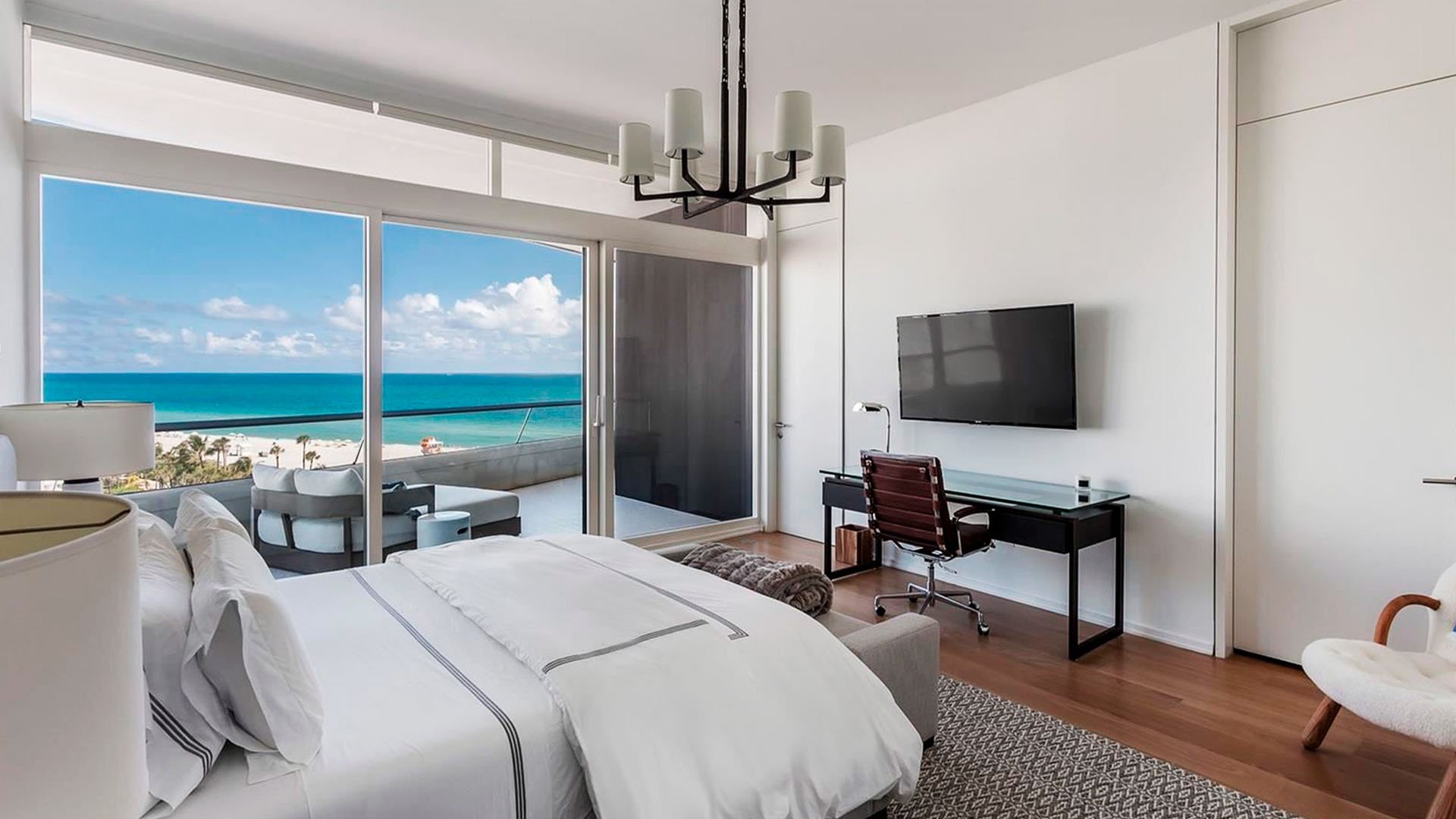
For many Latin American buyers, the balcony or terrace is the emotional center of a South Florida residence. It is where the first coffee is taken above Biscayne Bay, where family gathers after the beach, and where a second home begins to feel less transactional and more permanent. Yet in Florida, especially along the coast, that same outdoor space is also part of a demanding building envelope exposed to wind, rain, salt air, heat, and storm conditions.
That distinction matters before signing. A balcony with direct ocean or bay exposure is not merely a decorative extension of the living room. It may involve structural slabs, railings, anchors, drains, waterproofing layers, façade connections, and common-element systems that are regulated, inspected, reserved for, and often controlled by the condominium association. A terrace may feel private because only one owner uses it, but in many Florida condominium documents, private use does not automatically mean private control.
For international purchasers, the outdoor space should be evaluated with the same seriousness as interior finishes, views, parking, and building services. In high-value markets such as Miami Beach, Brickell, Surfside, Sunny Isles, and Fort Lauderdale, the most elegant terrace can carry legal, financial, and technical obligations.
Florida condominium ownership is built around categories: the unit, common elements, and limited common elements. A balcony or terrace may be assigned for the exclusive use of one owner while still being classified, maintained, altered, or insured under the condominium declaration. That legal architecture can surprise buyers accustomed to different property regimes in Latin America.
Before closing, the declaration, rules, budget, meeting minutes, and any engineering or maintenance records should be reviewed carefully, preferably in Spanish or Portuguese if that is the buyer’s working language. The goal is not only to understand whether the space may be used privately, but who pays when waterproofing fails, who approves tile replacement, who controls railing changes, and whether future work is already anticipated.
In a newer development or a prominent resale building, the same discipline applies. A buyer comparing urban residences such as The Residences at 1428 Brickell with beachfront options should ask a similar set of questions: what portion of the exterior space is part of the unit, what is a limited common element, and what alterations require approval?
South Florida’s beauty is inseparable from its exposure. Coastal construction must account for wind loads, heavy rain, flood conditions, wave action in certain locations, erosion, and corrosion. Salt-laden air can accelerate corrosion of embedded steel in reinforced concrete, which is particularly relevant for cantilevered balcony slabs and exposed terrace structures.
This does not mean buyers should avoid outdoor space. Quite the opposite: in the luxury market, outdoor living is often one of the reasons to buy. But it does mean buyers should treat railings, anchors, glass guards, screens, pergolas, shade structures, drains, pavers, planters, and waterproofing as inspection items rather than décor.
The visual surface is not enough. New tile, artificial turf, elegant planters, and an outdoor kitchen may conceal moisture movement, drainage issues, or loads that were not part of the original design assumptions. A buyer considering an oceanfront residence such as 57 Ocean Miami Beach should be as interested in waterproofing history and railing maintenance as in the sweep of the view.
For condominium buyers, the most important balcony information is often not visible during a showing. It may be embedded in association records: annual budgets, reserve schedules, financial statements, meeting minutes, contracts, bids, notices, warranties, engineer letters, and prior concrete-restoration files.
Balcony restoration, concrete repair, railing replacement, waterproofing, and façade work can become major special assessments if reserves are inadequate. Florida’s current condominium safety framework has made reserve planning more central, particularly for structural and building-envelope components. Applicable associations must complete structural integrity reserve studies, and those funding items can no longer be treated casually in the way some older associations once handled reserves.
A refined lobby and recently renovated corridors do not answer the balcony question. Buyers should request records that show whether there are pending projects, open bids, planned inspections, reserve shortfalls, or known exterior repair cycles. In Brickell, a buyer looking at vertical luxury near the water, including options such as St. Regis® Residences Brickell, should still examine exterior-structure obligations as part of the purchase file.
The collapse of Champlain Towers South changed the tone of condominium due diligence across South Florida. For buyers, the result is a more serious focus on milestone structural inspections, reserve studies, engineering records, and the age and condition of coastal buildings.
Florida requires milestone structural inspections for condominium and cooperative buildings of three stories or higher at specified building ages and recurring intervals. Local enforcement agencies may require earlier review for buildings near saltwater. In addition, Miami-Dade County requires periodic recertification for older buildings, while Broward County operates a building safety inspection program for older buildings in markets that include Fort Lauderdale, Hollywood, Hallandale Beach, and other coastal communities.
This makes location-specific diligence essential. A buyer exploring Fort Lauderdale residences such as Four Seasons Hotel & Private Residences Fort Lauderdale should ask whether the building is subject to current or upcoming inspection obligations, whether any exterior conditions have been identified, and whether funding is already in place.
Latin American buyers often plan to personalize outdoor areas quickly: imported stone, large planters, a summer kitchen, a spa, a pergola, or sophisticated shade systems. In South Florida, these choices are not just aesthetic. They may affect structural load, drainage, waterproofing, wind resistance, fire safety, and common-element integrity.
Owners should not assume they can replace tile, add railings, install heavy planters, alter waterproofing, or build outdoor kitchens without association approval. Exterior attachments and loads are life-safety concerns under the building-code framework. Even when an upgrade appears modest, it may require architectural review, engineering confirmation, permits, association consent, or all of these.
This is especially important in boutique and ultra-luxury properties where outdoor areas are part of the residence’s identity. A buyer studying Surfside inventory such as The Delmore Surfside should understand not only how the terrace can be enjoyed, but how it can legally and safely be modified.
Before signing or allowing a document review period to expire, buyers should ask for the condominium declaration, rules, current budget, reserve schedule, structural integrity reserve study if applicable, milestone inspection materials if applicable, recent meeting minutes, notices of special assessment, concrete-restoration records, waterproofing warranties, railing plans, and any contracts or bids tied to the building exterior.
The buyer’s team should include a Florida real estate attorney, an inspector familiar with coastal condominium structures, and when needed, a structural engineer. Translation should be handled early, not after the review period is nearly over. For foreign buyers, the goal is simple: no assumptions, no verbal shortcuts, and no surprise that a private-feeling terrace is governed by collective documents.
Outdoor living remains one of South Florida’s great privileges. The sophisticated buyer simply understands that the privilege is supported by engineering, maintenance, funding, and governance.
Does private balcony access mean I control the balcony? Not always. A balcony may be used exclusively by one owner while still being governed as a common or limited common element under the condominium documents.
Why is balcony maintenance such a major issue in South Florida? Wind, rain, salt air, and coastal exposure can affect railings, concrete, waterproofing, anchors, and façade connections. These conditions make exterior maintenance a structural and financial issue.
What records should I request before buying? Ask for budgets, reserves, meeting minutes, engineering records, inspection materials, contracts, bids, warranties, and notices of assessment related to balconies, concrete, railings, waterproofing, and façades.
Can I install planters or an outdoor kitchen after closing? Do not assume so. Heavy planters, kitchens, spas, pavers, railings, and shade structures may require association approval, permits, and structural review.
Are newer buildings exempt from balcony due diligence? No. Newer buildings may have stronger current standards, but buyers should still review maintenance obligations, rules, warranties, and any restrictions on terrace modifications.
What is a structural integrity reserve study? It is a reserve study for applicable condominium buildings that addresses major structural and building-envelope components. It can affect future assessments and monthly carrying costs.
Why do milestone inspections matter to buyers? They can identify structural issues and future repair obligations in buildings three stories or higher. Coastal proximity may also affect inspection timing.
Should Latin American buyers translate condominium documents? Yes, if English is not the buyer’s strongest legal language. Translation can prevent misunderstandings before the statutory review period expires.
Can visible new tile prove a terrace is sound? No. Attractive finishes may conceal waterproofing, drainage, or load concerns that require a qualified inspection.
Is balcony risk only a concern in older buildings? Older buildings deserve close review, but any coastal building should be evaluated for maintenance obligations, approval rules, and exposure to wind, rain, and corrosion.
When you're ready to tour or underwrite the options, connect with MILLION.
If branded residences are on your mind — as a home or as an allocation — we would be glad to share what we are seeing, privately.
Begin a quiet conversation