A buyer-focused guide to Downtown Miami luxury residences for those who prize controlled entries, low-profile lobby movement, and a calm transition from car to home.
For certain buyers, the most valuable luxury is not the most visible one. It is the quiet confidence of arriving without friction, being received without spectacle, and moving from car to residence with control. In Downtown Miami, where cultural venues, waterfront promenades, hotels, offices, restaurants, and nightlife converge in a dense vertical setting, the arrival sequence becomes a defining measure of residential value.
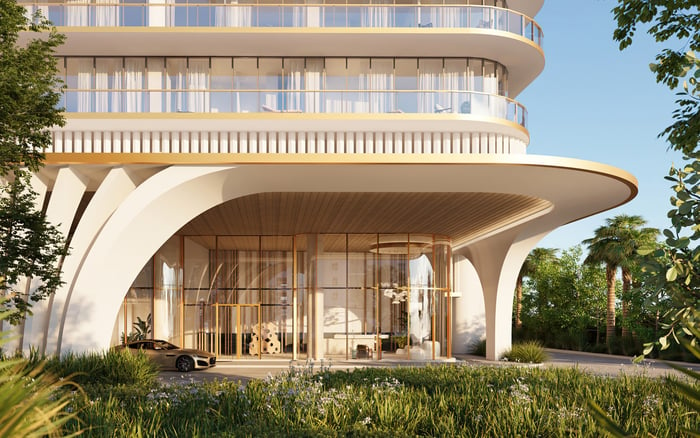
A discreet arrival sequence is more than a porte cochere or a polished lobby. It is the choreography between street, valet, security, reception, elevator access, and the residence itself. It should feel intuitive to the owner, legible to staff, and nearly invisible to everyone else. For buyers accustomed to private aviation terminals, members clubs, and homes with layered entries, this is often the difference between a beautiful tower and a truly livable one.
Downtown buyers should therefore look beyond skyline height and amenity photography. The more important questions are practical: how does the car enter, who sees the guest handoff, where does staff wait, how are deliveries separated from residents, and how calmly does the building handle peak-hour movement?
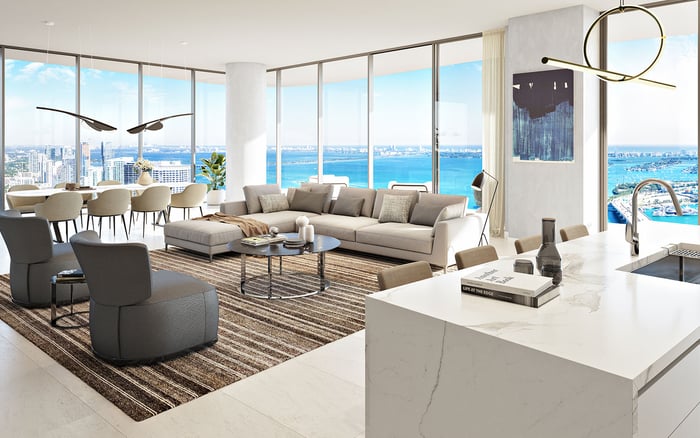
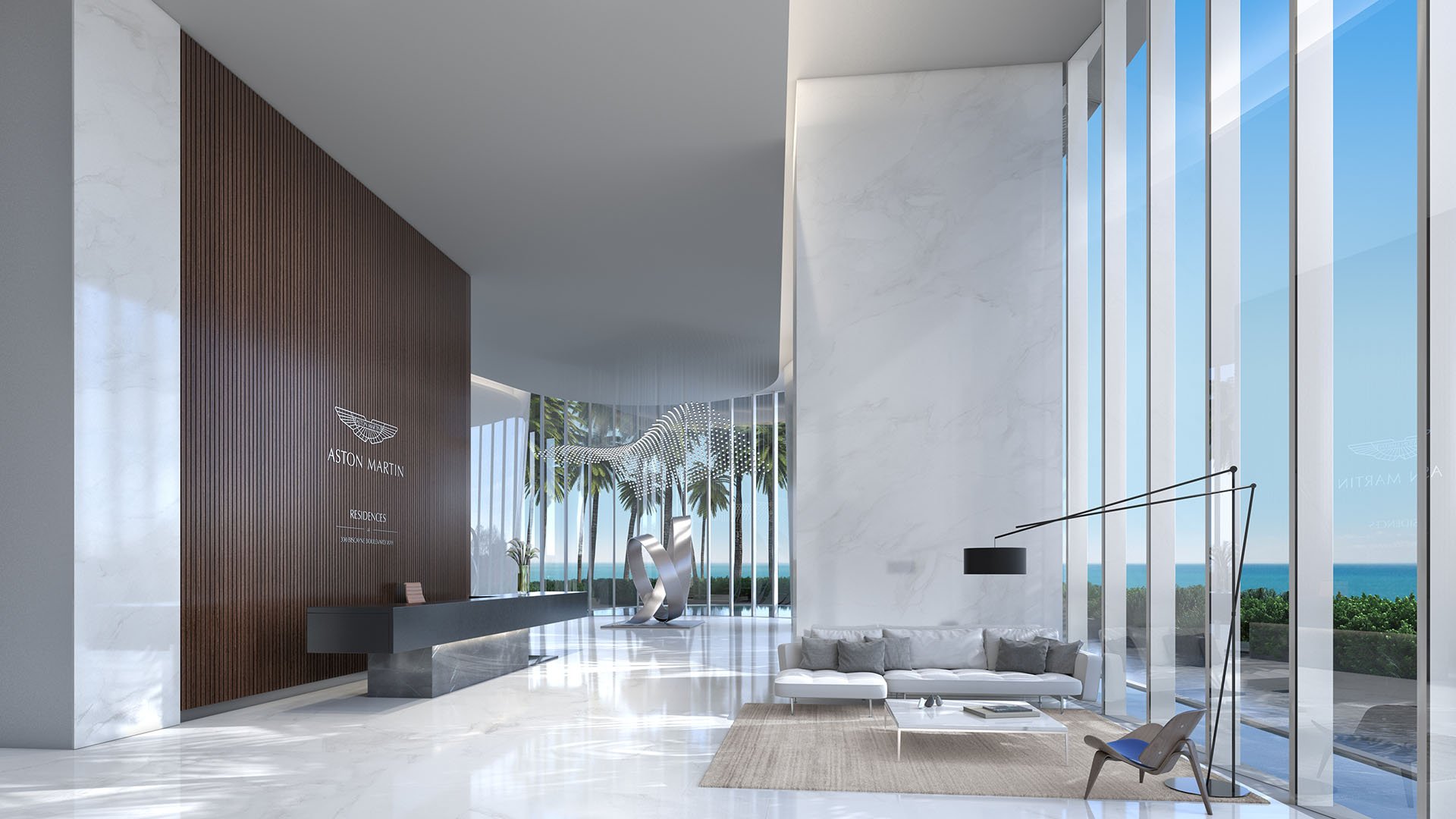
Among Downtown options, Aston Martin Residences Downtown Miami appeals to buyers who want their residence to project precision without excess noise. Its value for this brief lies in how it should be assessed: as a waterfront Downtown address where the transition from urban energy to private interior life must feel seamless.
For buyers drawn to a hotel-caliber sensibility, Waldorf Astoria Residences Downtown Miami belongs in the conversation because service culture and arrival protocol matter as much as architecture. Buyers should focus on how resident movement is prioritized, how guests are greeted, and how building staff distinguish social arrival from owner arrival.
Design-minded buyers may also consider Casa Bella by B&B Italia Downtown Miami when the brief calls for a polished interior atmosphere and a refined sense of threshold. The essential test is whether the experience feels residential first, even when the surrounding district is active and highly visible.
For collectors of distinctive architecture, One Thousand Museum Downtown Miami remains a reference point in the Downtown conversation. Its relevance to a discreet-arrival buyer is not only visual identity, but whether that identity is matched by a measured, private day-to-day approach to access and reception.
Brickell-adjacent buyers should widen the lens slightly. Baccarat Residences Brickell may suit those who want proximity to the financial core while still seeking a ceremonial, carefully managed transition into the building. In this part of Miami, the ideal arrival is elegant, never performative.
The first component is curb logic. A residence can have beautiful design, but if the entry is difficult to approach, visually exposed, or easily congested, the owner experience changes. A proper arrival should allow a driver to pull in smoothly, pause without pressure, and transfer passengers or luggage without creating an audience.
The second component is staff choreography. Discretion depends on training, sightlines, and timing. The best buildings make service feel present without feeling hovering. Reception should know when to engage, when to step back, and how to guide guests without announcing the owner’s presence to the room.
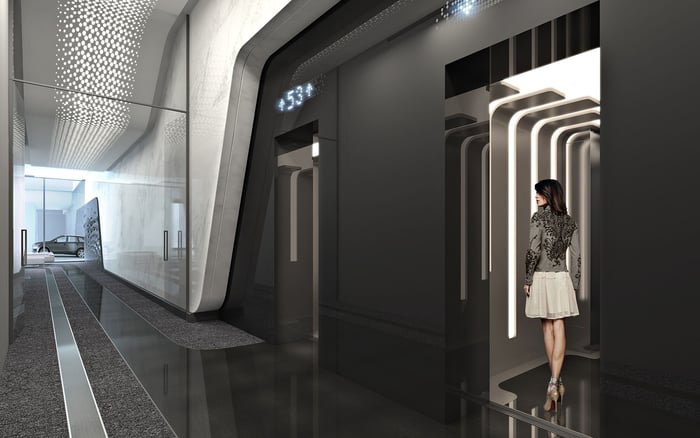
The third component is vertical privacy. Elevator access is often where the arrival either succeeds or breaks down. A calm path from entry to elevator, limited unnecessary crossover, and clear resident priority can make the building feel more like a private club than a public lobby.
The fourth component is separation of uses. In dense urban towers, residents, guests, deliveries, rideshare vehicles, building staff, and amenity users may all converge if planning is weak. The privacy-minded buyer should ask how these flows are separated, especially at dinner hours, on weekends, and during event periods.
Downtown offers cultural immediacy, skyline drama, and proximity to Biscayne Bay. Brickell offers corporate energy, dining density, and an established luxury condominium rhythm. For a buyer focused on discreet arrival, neither district is automatically superior. The better choice depends on the specific building, its access pattern, and how the surrounding block behaves throughout the day.
Downtown can feel more varied from block to block. A tower may sit near waterfront calm, cultural activity, or a highly trafficked corridor. That makes private touring especially important. Buyers should visit at different moments: weekday morning, early evening, weekend dinner hour, and after major events nearby. Privacy is not a static feature. It is a performance under pressure.
Brickell may feel more predictable for those who value routine, but it can be intensely active at peak times. A discreet buyer should look for buildings where the residential entry is not swallowed by restaurant, office, or hotel movement. The question is simple: can the owner arrive without being absorbed into the neighborhood’s public theater?
A standard showing often begins in the sales gallery or lobby, but a privacy-oriented tour should begin at the street. Ask to experience the real approach by car, including the drop-off and transfer point. Observe whether staff make eye contact at the right time, whether the vehicle pause feels natural, and whether the entrance reads as secure without feeling defensive.
Next, walk the path to the elevators slowly. Notice who can see you, where guests wait, how packages and service personnel move, and whether the lobby is designed for lingering or circulation. Some buyers enjoy a social lobby. Others want a space that functions like a quiet antechamber. Neither is wrong, but the distinction matters.
Finally, ask how the building handles visiting chefs, private security, assistants, family offices, art handlers, wellness practitioners, and overnight guests. A residence that works for a high-profile principal must also work for the ecosystem around that principal. The most discreet buildings understand this without making it feel exceptional.
This brief is common among executives, founders, family-office principals, professional athletes, entertainers, and international buyers who divide time across several homes. Many do not want isolation. They want access to Miami’s energy with a controlled return to privacy.
The ideal Downtown residence for this buyer should feel effortless rather than hidden. It should allow a guest to be received properly, a driver to coordinate without confusion, and an owner to move from public city to private residence in a few composed steps. The best luxury buildings do not simply impress visitors. They protect the owner’s rhythm.
What is a discreet arrival sequence? It is the controlled path from curb to residence, including valet, lobby, security, elevator access, and staff interaction.
Why does it matter more in Downtown Miami? Downtown combines residential, cultural, waterfront, hotel, and nightlife activity, so arrival privacy depends on thoughtful building flow.
Should buyers prioritize a private elevator? A private or controlled elevator experience can help, but the full sequence from street to elevator is equally important.
Is Brickell better than Downtown for privacy? Not automatically. The best fit depends on the exact building entrance, traffic pattern, and how resident access is managed.
When should I tour a building to test discretion? Visit during peak times as well as quiet hours, since privacy is most revealing when the neighborhood is active.
What should I watch for at the curb? Look for an easy vehicle approach, minimal exposure, calm staff response, and a drop-off that does not feel rushed.
Can a dramatic tower still feel discreet? Yes, if the building pairs architectural presence with controlled access, trained staff, and calm resident circulation.
Do amenities affect arrival privacy? They can. Shared amenity traffic should not overwhelm the residential entry or make owners feel publicly observed.
Is lobby design important for discretion? Very important. Sightlines, waiting areas, reception placement, and elevator proximity all shape the owner experience.
What is the best way to shortlist comparable options for touring? Start with location fit, delivery status, and daily lifestyle priorities, then compare stacks and elevations to validate views and privacy.
For a confidential assessment and a building-by-building shortlist, connect with MILLION.
If branded residences are on your mind — as a home or as an allocation — we would be glad to share what we are seeing, privately.
Begin a quiet conversation