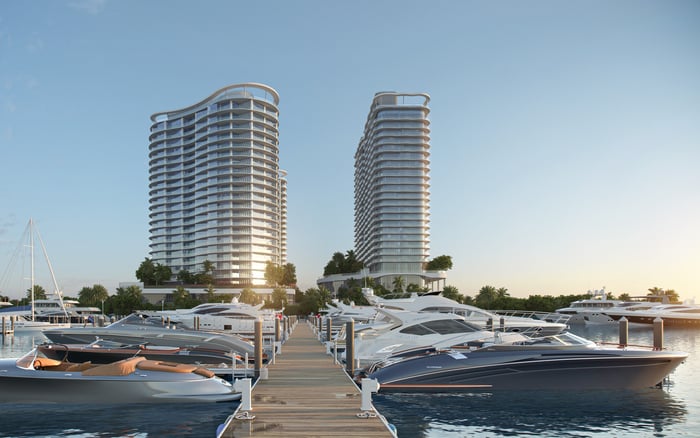
Fort Lauderdale can suit finance executives when a residence is evaluated less as a view purchase and more as an operating platform for privacy, reliability, arrivals, staff discipline, wellness, and low-friction daily movement.
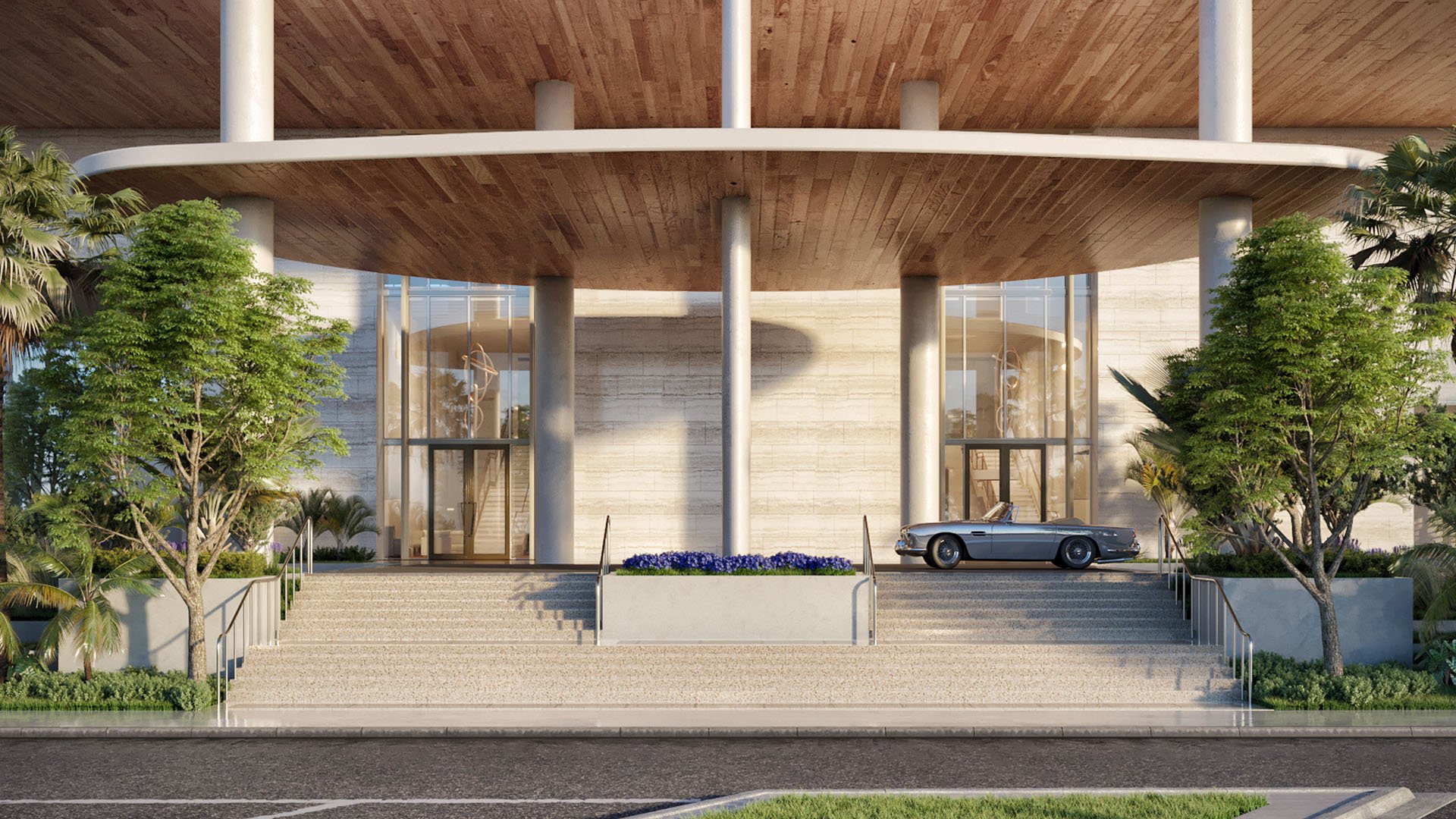
For a finance executive, the question is rarely whether a residence is beautiful. At the top of the market, beauty is assumed. The sharper question is whether the building can absorb the pace, discretion, and irregularity of a life shaped by markets, clients, travel, and compressed personal time.
Fort Lauderdale can work exceptionally well when the residence functions less as a trophy and more as a quiet operating base. The building must make mornings predictable, arrivals discreet, service requests efficient, and personal routines easy to preserve. It must support a resident who may leave early, return late, host selectively, and value privacy as highly as a view.
In practical search language, Fort-lauderdale, Broward, Marina, Oceanfront, and New-construction are not simply lifestyle labels. For this buyer, they are operational filters. Each speaks to how a building may handle access, maintenance, movement, exposure, and the daily choreography of a high-value household.
Finance buyers often evaluate property through a lens that resembles underwriting. The residence is not only a place to live. It is a system of recurring obligations, personnel dependencies, access points, capital needs, service culture, and potential friction. A strong building reduces uncertainty. A weak one creates invisible costs.
The most important questions are practical. How does the building handle arrivals when several residents return at once? Is the front desk trained to recognize regular guests without overexposing personal information? Are vendors managed in a controlled manner? Are elevators, valet, package handling, maintenance requests, and amenity bookings handled with discipline rather than improvisation?
For executives whose calendars move by the minute, a building that saves ten minutes three times a day can feel more valuable than a marginally larger terrace. The right residence preserves attention. It lets the owner think about the portfolio, the meeting, the family dinner, or the weekend-not the friction downstairs.
Privacy in luxury real estate is often reduced to gates, setbacks, or tinted glass. For this audience, it is more nuanced. Privacy is the ability to arrive without performance, receive guests without spectacle, and move through the building without feeling managed by the building.
That is why staffing culture matters. A polished team understands the difference between attentiveness and familiarity. It knows when to step forward and when to disappear. It keeps records current, handles access consistently, and protects the resident from the casual leakage of information that can occur in poorly run environments.
When evaluating a Fort Lauderdale address, the finance executive should watch the lobby in real time. Observe how staff greet residents, how they handle deliveries, whether the arrival experience feels calm, and whether the building reads as residential rather than transient. The lobby is not decoration. It is the first operational audit.
For a high-frequency traveler or a resident with demanding workdays, arrival sequence is essential. A beautiful residence loses force if the transition from car to elevator is chaotic. The strongest buildings understand that the owner should be able to move from exterior arrival to private residence with as few interruptions as possible.
Valet, self-parking, guest access, service entries, and elevator timing all deserve attention. So does the separation between resident movement and vendor movement. A building can feel luxurious in photographs yet remain operationally exposed if every delivery, guest, contractor, and resident is routed through the same visible point.
This is where Fort Lauderdale can be compelling for buyers who want a quieter cadence than more visibly urban markets. But the advantage holds only when the building is disciplined. A calm city setting cannot compensate for a poorly managed vertical environment.
Many finance executives no longer separate home from work in a rigid way. Even when the primary office is elsewhere, the residence must support confidential calls, focused mornings, secure documents, and a level of quiet that allows work to continue without the atmosphere of a hotel lobby.
This does not mean every buyer needs a formal office in the residence. It means the building should not create unnecessary noise, interruptions, or exposure. Acoustic quality, elevator traffic, amenity placement, and maintenance protocols all affect the ability to preserve concentration.
A buyer considering Four Seasons Hotel & Private Residences Fort Lauderdale, for example, should look beyond brand recognition and ask how the residential experience is organized day to day. The same is true for The Ritz-Carlton Residences® Fort Lauderdale, where the operating question is not merely what services exist, but how consistently they are delivered.
For this buyer, wellness is not a marketing flourish. It is recovery infrastructure. The best building allows exercise, light, water, quiet, and restoration to fit into a demanding schedule without requiring a separate logistical plan.
A gym that is never available at peak times is less useful than a smaller space that is well managed. A pool that feels exposed may be less appealing than a calmer environment with stronger resident discipline. A spa program, if present, must be easy to schedule and private enough to be used regularly.
Fort Lauderdale can offer a softer residential rhythm, but the building still has to protect that rhythm. The right residence should make it easier to maintain energy, not simply easier to entertain.
The most interesting Fort Lauderdale opportunities are not defined only by architecture or waterfront orientation. They are defined by how convincingly the building promises to run after closing. That is the central distinction for an executive buyer.
At St. Regis® Residences Bahia Mar Fort Lauderdale, the buyer should study the sequence between arrival, residence, amenities, and guest reception. At Riva Residenze Fort Lauderdale, the exercise is similar: determine whether the building’s daily rhythm matches the owner’s desired level of privacy and ease. For a more urban-feeling choice such as Sixth & Rio Fort Lauderdale, the focus should be access, noise management, and the clarity of the resident experience.
None of these evaluations should be outsourced to renderings. A serious buyer should ask operational questions early, then revisit them throughout the purchase process.
The finance executive should underwrite the building with the same discipline used for any consequential allocation. Start with governance. Who makes decisions, how are service standards maintained, and how are problems escalated? Then move to staffing. A luxury residence depends on people, and people require training, retention, and accountability.
Next, examine resilience. How does the building handle maintenance, peak usage, vendor access, and resident requests when conditions are imperfect? Luxury is not the absence of problems. It is the ability to solve them without drama.
Finally, evaluate fit. The best building for one executive may feel too visible for another. Some buyers want brand-managed service. Others want a quieter boutique cadence. The winning choice is the one that turns daily life into a more controlled environment.
Fort Lauderdale can work for finance executives because it can deliver a residential atmosphere that feels composed rather than performative. But that promise depends on operations. Without the right building culture, the address becomes another demanding asset. With the right one, it becomes an advantage.
The most sophisticated buyers will continue to look past surface luxury. They will ask how the property behaves at 7 a.m., during a late return, before a flight, after a client dinner, and on a quiet Sunday when the point of ownership is not display, but restoration. In that frame, Fort Lauderdale is not a compromise. It is a strategic choice when the building is run with precision.
Why can Fort Lauderdale appeal to finance executives? It can offer a composed residential base when the building supports privacy, efficient movement, and reliable service.
What matters more than views for this buyer profile? Arrival sequence, staffing quality, discretion, elevator performance, and maintenance discipline often matter more in daily life.
Should brand recognition drive the decision? Brand can be useful, but the buyer should focus on how the residence actually operates after closing.
How should a buyer evaluate privacy? Watch how staff manage guests, vendors, deliveries, and resident interactions during normal building activity.
Is a larger residence always better? Not necessarily. A slightly smaller home in a better-run building may create a more valuable daily experience.
What should be reviewed before contract? Buyers should study governance, service protocols, access, staffing, maintenance practices, and lifestyle fit.
Why is arrival sequence so important? It determines whether the owner can move from car to residence with ease, privacy, and minimal friction.
How does wellness factor into the decision? Wellness should function as usable recovery infrastructure, not merely as a list of amenities.
Can Fort Lauderdale compete with Miami for this audience? It can, especially for buyers who prioritize calm operations over a more conspicuous urban cadence.
What is the ultimate test of the building? The residence should protect time, reduce friction, and make demanding days feel more controlled.
For a confidential assessment and a building-by-building shortlist, connect with MILLION.
If branded residences are on your mind — as a home or as an allocation — we would be glad to share what we are seeing, privately.
Begin a quiet conversation