A practical family buyer’s guide to The Lincoln Coconut Grove, focusing on daily life, neighborhood fit, schools, commuting, recreation, climate diligence and long-term lifestyle value.
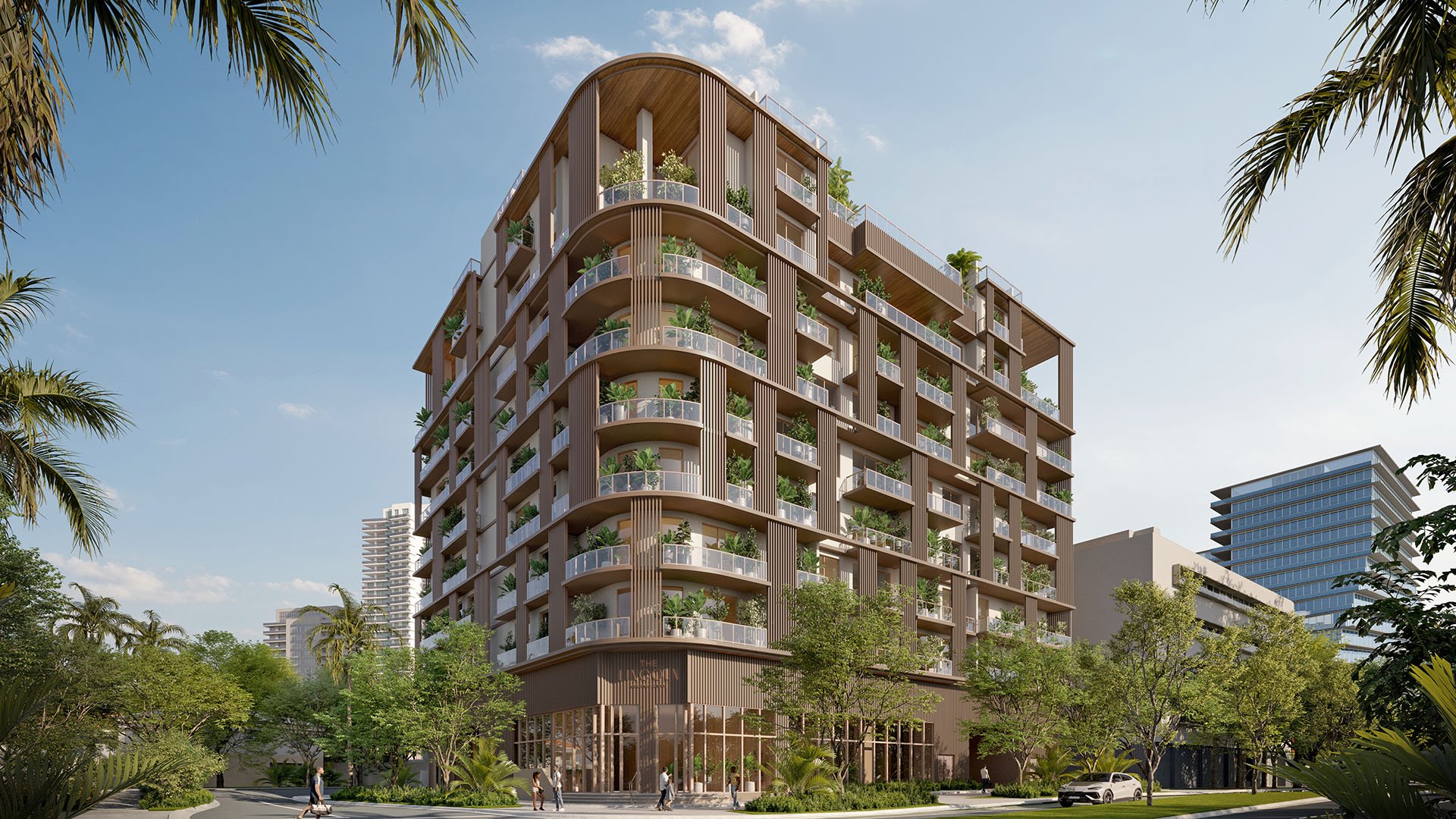
For families considering The Lincoln Coconut Grove, the essential question is not whether the address feels elegant. It is whether the building can support the cadence of a demanding household: school mornings, pediatric appointments, after-practice dinners, visiting grandparents, hybrid work, weekend sports, and the quiet need for privacy at the end of each day.
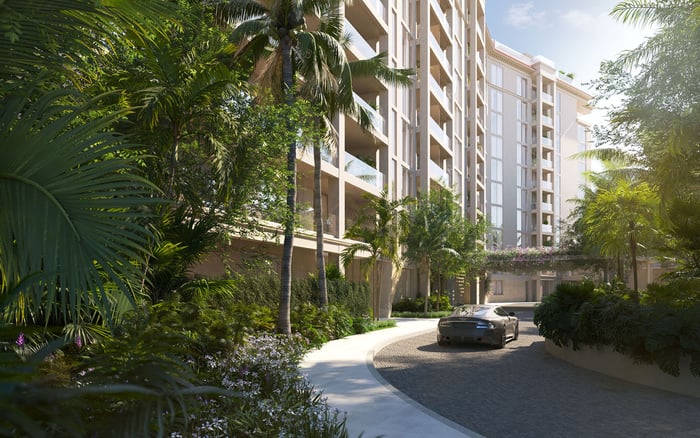
That lens matters in Coconut Grove. This is not a newly scripted master-planned district. Its appeal is more layered: mature streets, village-style routines, waterfront proximity, parks, restaurants, and a residential character that has long attracted buyers who want Miami without surrendering to constant resort energy. For a family, that can be powerful. It can also be deeply personal.
The Lincoln Coconut Grove belongs in a conversation about long-term livability, not only finishes and views. The right due diligence should ask how the residence works for children and parents at the same time.
Coconut Grove’s strongest family argument is its daily texture. A residence here can make the neighborhood itself feel like part of the amenity package, especially for households that value walkability, informal errands, nearby recreation, and a softer urban pace. Rather than relying only on an internal amenity deck, families may find that routine life extends into the surrounding streets.
That village quality differs from the proposition in larger Miami luxury corridors. Brickell may offer a denser high-rise environment and direct access to corporate life. Miami Beach may offer oceanfront drama. Sunny Isles may appeal to buyers seeking resort-scale waterfront towers. Coconut Grove tends to read as more residential, more established, and often more compatible with a family that wants luxury without spectacle.
Nearby Grove projects help frame the category. Arbor Coconut Grove speaks to the same neighborhood-based desire for a more grounded residential setting, while Four Seasons Residences Coconut Grove points to the area’s rise in high-end residential demand. The Lincoln should be read within that broader shift toward refined, boutique living in an already mature part of Miami.
For parents, the first practical screen is the morning test. Before choosing The Lincoln, families should map the real school run, not the idealized version. School access may involve public, independent, religious, international, or specialized programs, and each household will weigh admissions, zoning, grade levels, and commute tolerance differently. Private-school planning should begin early, because the residence decision and the school calendar rarely move at the same speed.
Commuting deserves the same realism. A parent traveling to Brickell, Downtown Miami, Coral Gables, Miami Beach, or the airport will experience the address differently depending on departure time and work pattern. The right question is not whether Coconut Grove is central in theory. It is whether the family’s weekday grid feels manageable over years.
That is where The Lincoln’s appeal becomes more nuanced. A family that values neighborhood calm may accept a different commute profile than one prioritizing immediate office access. Conversely, buyers who want a more tower-forward city rhythm might compare Grove life with 2200 Brickell, where the urban proposition is inherently different.
Boutique is not merely a marketing adjective for family buyers. In practice, it can mean a more intimate arrival sequence, fewer shared transitions, and a quieter residential atmosphere. For some households, that privacy is central to quality of life. Children may feel more anchored in a building that reads as home rather than hotel. Parents may value a setting where everyday routines feel less performative.
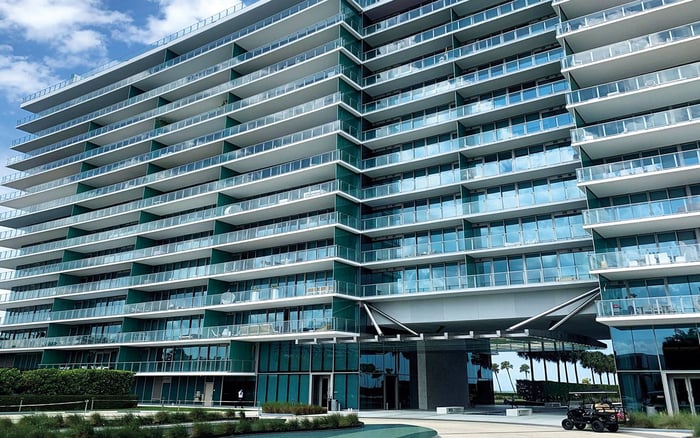
Larger luxury towers can be compelling for different reasons. They may emphasize extensive amenity decks, broad service platforms, dramatic scale, and a wider range of social spaces. For families with teenagers, frequent guests, or a preference for resort-style programming, that can be attractive.
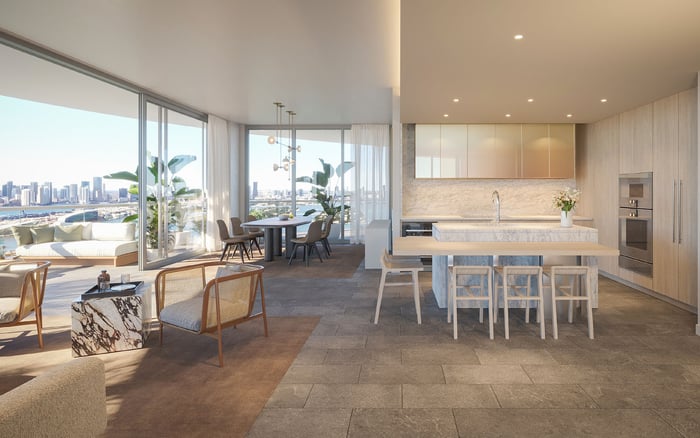
The Lincoln’s family fit depends on how its design, amenities, and location work together. Buyers should walk through actual scenarios: stroller storage, car seats, grocery deliveries, after-school pickups, pet care, visiting family, quiet bedrooms, home office separation, and safe circulation from arrival to residence. These are not glamorous details, but they determine whether a luxury home feels effortless.
The Grove’s recreational proposition is one of the address’s strongest lifestyle advantages. Families considering The Lincoln should think beyond the unit itself and examine how weekends would unfold. Parks, waterfront recreation, cafes, casual dining, shaded walks, and village errands can create a more organic rhythm than a car-dependent routine.
This is especially relevant for households relocating from northern cities or from larger South Florida homes. A condominium can feel like a trade-down in space if the neighborhood does not compensate. In Coconut Grove, the surrounding environment can help extend family life outward, giving children and parents more ways to use the day without turning every outing into a major production.
The same pattern appears around other Grove residences such as The Well Coconut Grove, where wellness-oriented living aligns with the neighborhood’s quieter, more pedestrian scale. The point is not that every Grove project serves the same buyer. It is that Coconut Grove’s lifestyle value often depends on the interaction between building and neighborhood.
No South Florida family purchase should ignore hurricane resilience, insurance exposure, and climate risk. At The Lincoln, due diligence should include a clear review of building systems, storm protections, backup power considerations, association planning, insurance structure, and long-term maintenance obligations. Families should also understand how assessments, reserves, and future capital needs may affect ownership over time.
This is not a reason to avoid the address. It is a reason to treat luxury ownership with discipline. Families often hold property differently than investors. They care about school continuity, household stability, and the ability to remain comfortable through storms and market cycles. The emotional cost of disruption is higher when children are involved.
A thoughtful buyer will examine not only the residence, but also the building’s readiness for South Florida conditions. That lens belongs beside design, views, and service.
The investment case for The Lincoln should not be reduced to resale expectations. For a family, value includes years of daily usefulness: shorter errands, calmer evenings, a neighborhood that children can grow into, and a home that supports both privacy and connection.
That does not mean financial discipline is secondary. Buyers should still compare pricing, carrying costs, liquidity, future competition, and the relative appeal of Coconut Grove against inland Miami alternatives. Some inland neighborhoods may offer different school access, larger homes, or a more suburban feel. The Grove may offer a rarer combination of established residential character and walkable convenience.
A useful comparison is Vita at Grove Isle, which reflects another version of luxury living tied to a distinctive Grove-area setting. For families, the decision is less about declaring one option superior and more about aligning the address with household behavior.
Before committing, families should tour The Lincoln at different times of day. Morning, late-afternoon, and weekend visits reveal different truths. Observe arrival flow, noise, street activity, parking patterns, nearby errands, and the feeling of walking with children.
Parents should also pressure-test the floor plan. Does the residence allow adults to entertain without waking younger children? Is there enough separation for remote work? Can a teenager have privacy without feeling isolated? Are storage needs realistic? Does the home still work if a second child arrives, grandparents stay for a season, or school routines change?
The best Coconut Grove purchase is not simply the most beautiful one. It is the one that stays useful as the family evolves.
Is The Lincoln Coconut Grove a family-oriented address? It can be, provided the household values Coconut Grove’s village setting, walkability, and residential character over tower-scale spectacle.
What should parents evaluate first? Start with school access, commute timing, floor-plan function, building logistics, and how daily errands would work from the address.
Does Coconut Grove feel different from Brickell for families? Yes. Coconut Grove generally offers a more established, residential village feel, while Brickell is more intensely urban and office-oriented.
Should school planning happen before a purchase? Yes. Families should confirm admissions, zoning, or preferred school pathways before relying on any residence as the final solution.
Is walkability part of The Lincoln’s appeal? Yes. The broader Coconut Grove setting supports daily convenience, recreation, and a more neighborhood-based family routine.
How should buyers think about amenities? Amenities matter, but families should focus on whether they support real routines such as storage, arrivals, play, work, and guests.
What climate questions should families ask? Buyers should review storm resilience, insurance exposure, reserves, maintenance planning, and building systems before committing.
Is boutique living better than a large tower? It depends on the family. Boutique living may offer privacy and calm, while larger towers may offer more scale and programming.
Should The Lincoln be compared with inland Miami options? Yes. Inland alternatives may offer different school, commute, space, and neighborhood trade-offs that deserve direct comparison.
What defines long-term value here? Long-term value includes lifestyle utility, neighborhood fit, family adaptability, and financial discipline, not only potential resale.
When you're ready to tour or underwrite the options, connect with MILLION.
If branded residences are on your mind — as a home or as an allocation — we would be glad to share what we are seeing, privately.
Begin a quiet conversation