A discreet buyer’s guide for Manhattan owners evaluating a lock-and-leave residence in Sunny Isles Beach, with emphasis on service, privacy, maintenance, arrival rhythm, and long-term fit.
A Manhattan buyer rarely needs an explanation of vertical living. The sharper question is whether a South Florida residence can deliver the same discretion, service, and ease while adding the waterfront calm that makes the move compelling. In Sunny Isles Beach, the lock-and-leave decision is less about acquiring a vacation address than choosing a private operating system for a life lived between cities.
The strongest purchases begin with an honest view of routine. Will you arrive for long weekends, school breaks, winter stretches, or spontaneous escapes? Will the home host family, staff, and guests, or remain mostly personal? Do you want a residence that behaves like a private suite, or one that feels like a full-scale home by the ocean? The answer is usually found in the quiet details: elevator sequence, storage, service culture, building governance, security posture, and how quickly the residence returns to order after departure.
Sunny Isles Beach rewards buyers who think operationally. A beautiful view matters, but a lock-and-leave home must also handle absence gracefully. That means the right building, the right floor plan, the right management standard, and a residence that can be closed, reopened, and enjoyed without friction.
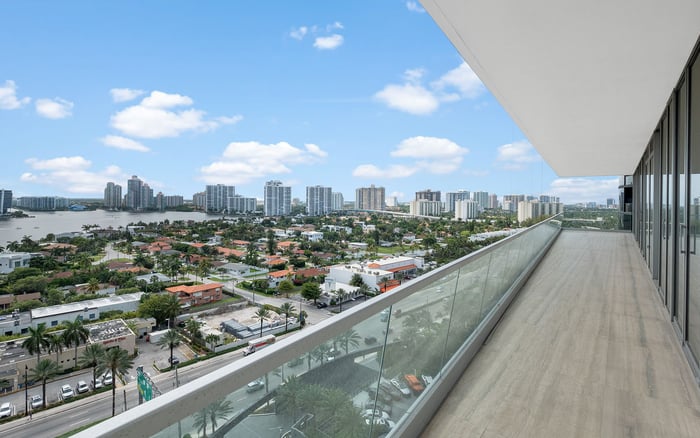
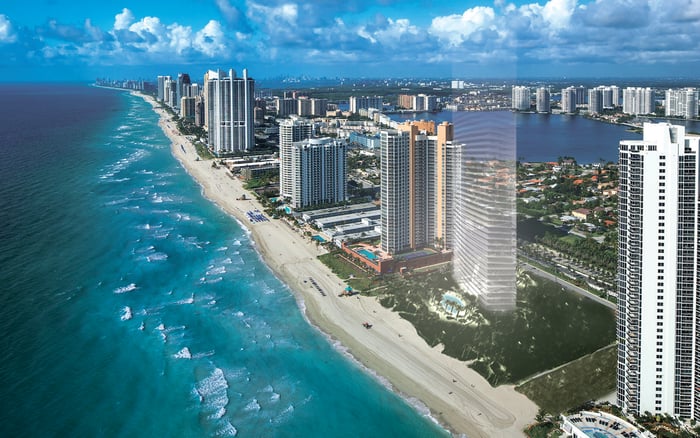
Sunny Isles Beach offers a familiar high-rise language in a distinctly coastal setting. For a Manhattan owner, the transition can feel intuitive: private elevators, attended arrival, amenity floors, valet routines, and a service expectation that supports part-time use. The difference is the daily backdrop. Instead of a city grid, the experience is defined by water, light, terraces, and a sense of distance from office rhythm.
The area is also attractive because it allows buyers to remain in a condominium format without surrendering scale. A lock-and-leave residence here can be a pied-a-terre, a second home, or a more substantial family base. The key is to avoid treating all towers as interchangeable. A buyer comparing The Ritz-Carlton Residences® Sunny Isles with another oceanfront address is not simply comparing finishes. They are comparing the cadence of arrival, staff interaction, privacy, building personality, and how the property will feel on the tenth visit, not just the first tour.
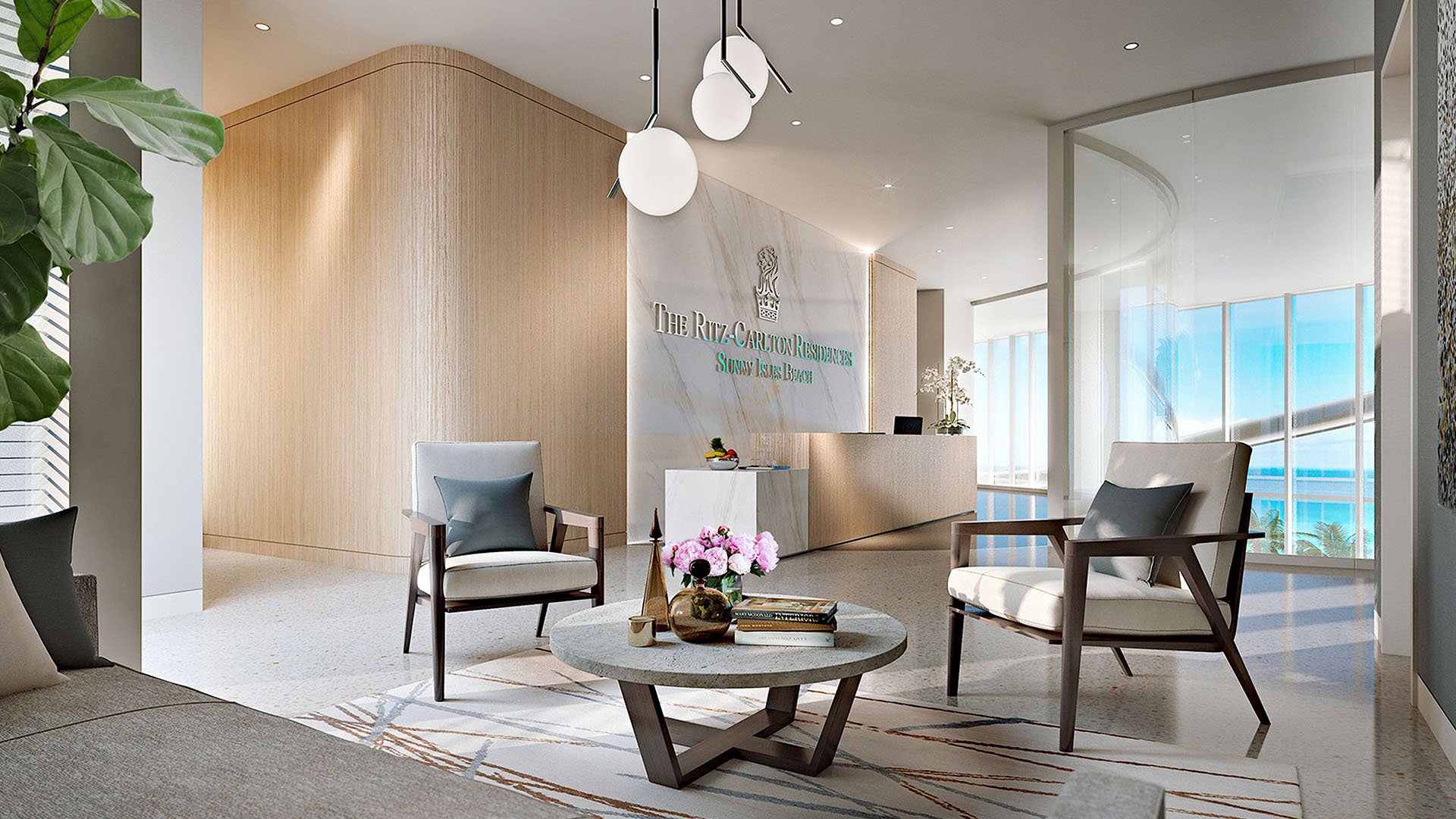
The first priority is arrival. A residence may photograph beautifully, but the experience begins at the curb, lobby, elevator, and corridor. Manhattan buyers are accustomed to choreography. In Sunny Isles Beach, that choreography should feel calm, secure, and efficient, especially after a flight or before a dawn departure.
The second priority is maintenance. Waterfront living asks more of materials, mechanical systems, terrace furnishings, and interior specifications than an inland apartment. A lock-and-leave home should have a clear plan for care while the owner is away. Ask how the building handles access, vendors, deliveries, packages, storm preparation, and owner communications. The best answers are specific and practiced, not improvised.
The third priority is storage. Seasonal living requires more than closets. Beach items, owner wardrobe rotation, luggage, sporting equipment, and entertaining pieces all need a place. In this context, a generous laundry area, service entry, owner storage, and well-planned secondary bedrooms can be as important as the primary suite.
The fourth priority is resilience of taste. Highly stylized interiors can be seductive, but a lock-and-leave residence benefits from finishes that remain composed under sun, salt air, guests, and repeated openings and closings. Move-in ready can be valuable when the design is durable, neutral enough to personalize, and already aligned with your usage pattern.
In New York, buyers understand that two buildings on the same block can live completely differently. The same is true in Sunny Isles Beach. Building culture determines whether the residence feels serene or busy, formal or social, family-oriented or hotel-like, discreet or highly visible. It also shapes the day-to-day relationship between owners, management, staff, guests, and service providers.
This is where private tours should slow down. Watch how staff greet residents. Notice whether common spaces feel curated or overused. Ask how the building manages guest access and owner preferences. A project such as St. Regis® Residences Sunny Isles may appeal to a buyer who wants a recognizable service framework, while another buyer may prefer a more understated residential mood. The right answer is personal, but it should be deliberate.
Privacy should be evaluated both vertically and socially. Consider elevator configuration, terrace exposure, neighboring sightlines, amenity placement, and the ease with which guests can come and go. Oceanfront living is most luxurious when it feels expansive without feeling exposed.
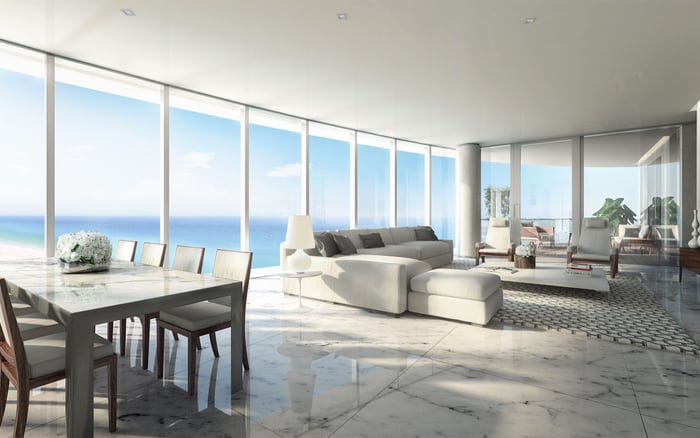
A Manhattan buyer often knows how to read a floor plan quickly. In South Florida, terrace logic deserves equal attention. The best plan is not always the largest. It is the one that places daily life where the light, view, and breeze feel natural. Living areas should connect gracefully to outdoor space, bedrooms should offer separation, and service areas should support real use rather than simply complete a checklist.
For frequent travelers, the primary suite should feel like a retreat immediately upon arrival. The kitchen should be useful whether entertaining casually or hosting with support. Guest rooms should be comfortable enough for extended stays, but not so dominant that the owner lives around occasional visitors. If the residence will function as a waterfront family base, circulation matters: wet towels, groceries, luggage, children, pets, and guests all create movement that the floor plan either absorbs or exposes.
A buyer considering Bentley Residences Sunny Isles may be drawn to a particular sense of identity, while a buyer studying Jade Signature Sunny Isles Beach may be weighing a different architectural and lifestyle tone. The point is not to collect brand names. It is to choose the building and residence whose daily rhythm matches your own.
Lock-and-leave ownership works best when decisions are made before the first extended absence. Confirm insurance considerations, building rules, vendor protocols, rental restrictions if relevant, guest policies, pet policies, terrace rules, and expectations around maintenance access. Review what is handled by the building and what remains the owner’s responsibility.
Also consider how the residence will age. Oceanfront property should be evaluated with a long view, including care of exterior elements, mechanical systems, building standards, and the owner’s willingness to maintain the home at the level it deserves. A low-friction home is not a no-maintenance home. It is a residence where responsibilities are clear, professionals are in place, and surprises are minimized.
The best Manhattan-to-Sunny Isles Beach purchase feels calm because the unglamorous questions have been answered. Once they have, the home can do what it was meant to do: receive you beautifully, protect your privacy, and wait in readiness until the next arrival.
Is Sunny Isles Beach a good fit for Manhattan lock-and-leave buyers? Yes, especially for buyers who already appreciate full-service vertical living and want a coastal residence that can be used part-time with ease.
What is the first thing to evaluate in a lock-and-leave condo? Start with building operations. Arrival, security, maintenance access, staff communication, and vendor rules shape the ownership experience.
Should I prioritize oceanfront views or building service? Ideally both, but service often determines how effortless the home feels when you are away. A remarkable view cannot compensate for operational friction.
Is move-in ready always the better choice? Not always. It is most valuable when the condition, design, and maintenance profile already suit your intended use.
How important is terrace design? Very important. Terrace size, exposure, privacy, and connection to interior living areas can define the daily experience in South Florida.
Should a second home have different criteria than a primary residence? Yes. A second home should be evaluated for absence, storage, guest use, maintenance simplicity, and the ease of reopening after travel.
What should Manhattan buyers ask about building culture? Ask how formal, social, private, or family-oriented the building feels. Culture affects comfort as much as architecture does.
Are branded residences the right choice for lock-and-leave ownership? They can be, particularly for buyers who value a defined service identity. The fit depends on the actual building experience, not the name alone.
How should I compare two Sunny Isles Beach towers? Compare arrival sequence, floor plan, privacy, service standards, maintenance expectations, and how each residence supports your repeat routine.
What is the most overlooked lock-and-leave detail? Owner storage is often underestimated. Luggage, seasonal clothing, beach items, and entertaining pieces need a practical home.
For a discreet conversation and a curated building-by-building shortlist, connect with MILLION.
If branded residences are on your mind — as a home or as an allocation — we would be glad to share what we are seeing, privately.
Begin a quiet conversation