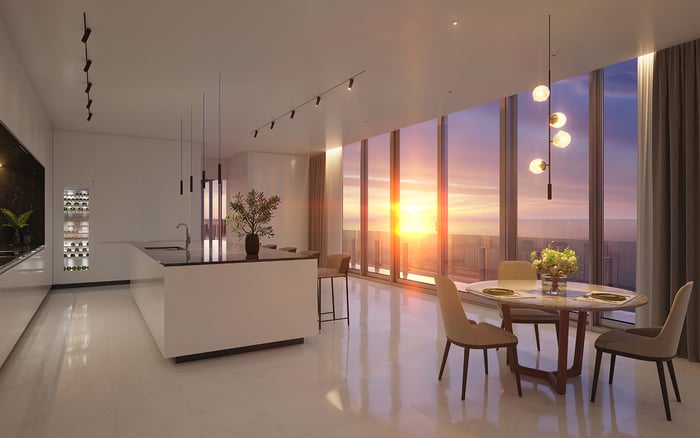
A buyer-oriented editorial on One Thousand Museum Downtown Miami, framed around weekday convenience, calendar control, and discreet urban luxury for active South Florida owners.
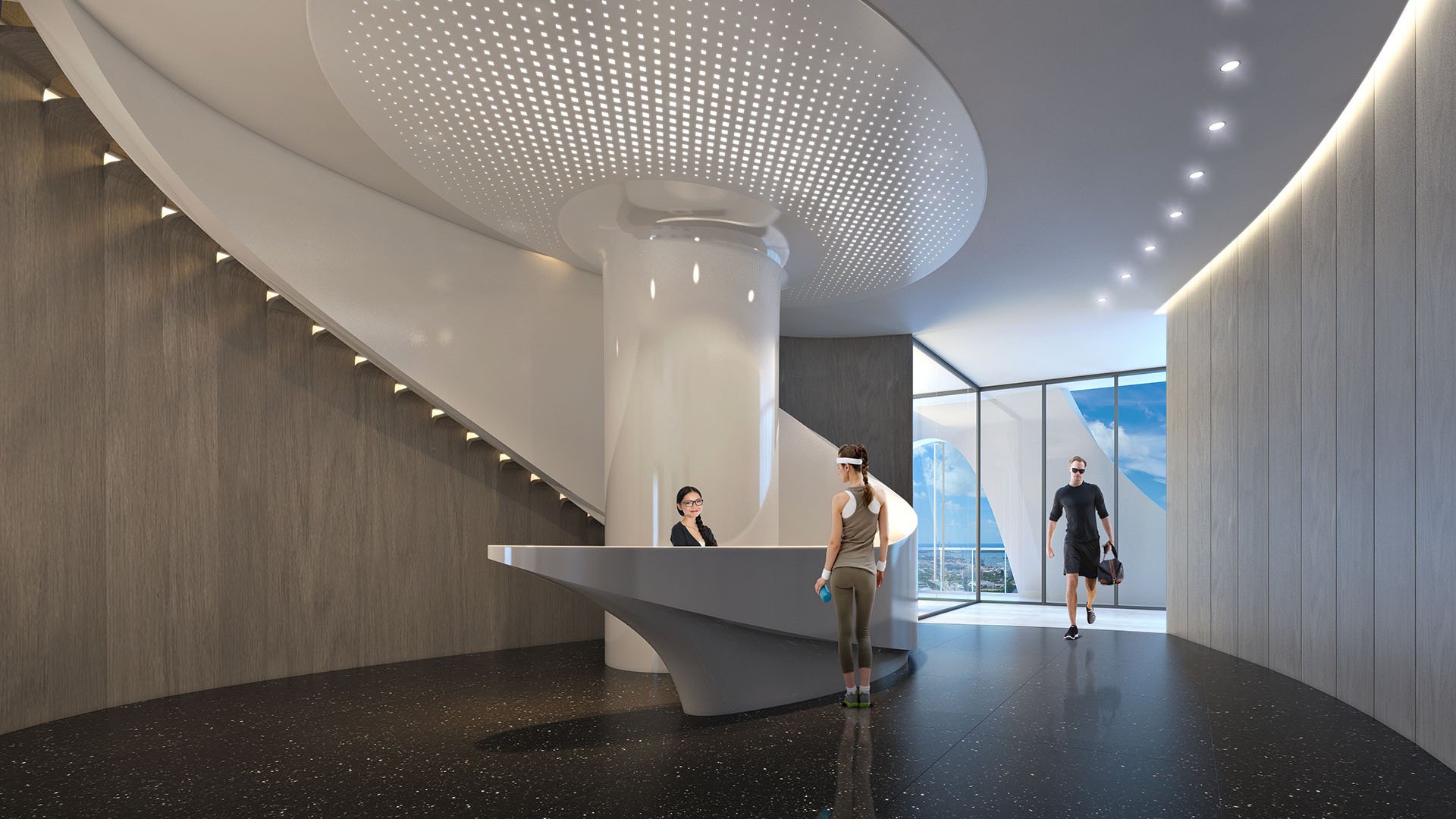
For many ultra-premium buyers, the true test of a residence is not the Saturday tour. It is the Tuesday morning. The question is less theatrical and more exacting: can the home support a demanding calendar without adding friction? That is the lens through which One Thousand Museum Downtown Miami should be considered.
The building is identified in the market as One Thousand Museum Downtown Miami, making it a clear subject for buyers evaluating a Downtown Miami address. The responsible approach is not to overstate particulars. It is to examine the convenience case through the owner’s daily rituals: arrival, departure, privacy, guest movement, workspace flexibility, wellness rhythms, and the ability to move through a weekday with control.
This is where luxury real estate becomes less about spectacle and more about choreography. A residence can be beautiful and still be inconvenient. It can be prominent and still require too many small negotiations before the day begins. For active calendars, the most valuable residential quality is often the absence of interruption.
Downtown Miami has become one of South Florida’s most closely watched urban luxury settings because it speaks to a buyer who wants city energy without surrendering the residential standard expected at the top of the market. The appeal is not simply that the address is urban. It is that the address can place the owner in a more immediate relationship with meetings, culture, dining, waterfront movement, and the broader Miami lifestyle.
For buyers comparing the area, the conversation often expands to adjacent Downtown Miami residences such as Aston Martin Residences Downtown Miami, Waldorf Astoria Residences Downtown Miami, and Casa Bella by B&B Italia Downtown Miami. Those comparisons can be useful, but the sharper buyer question is not which name sounds most impressive. It is which address best supports the week one actually lives.
One Thousand Museum Downtown Miami belongs in that evaluation because the weekday convenience case is ultimately personal. A finance principal, founder, collector, physician, and seasonal owner may all want the same prestige, yet each experiences convenience differently. Proper due diligence translates the building into a calendar.
For an active owner, arrival is not a minor detail. It is the threshold between the outside world and private life. Buyers should evaluate the experience from the curb or garage to the residence as if arriving late from dinner, returning between meetings, or welcoming a guest who values discretion.
This is not about inventing a service narrative. It is about observing flow. How intuitive is the entry experience? Where do guests pause? How does the transition feel when the day is compressed? A building that feels calm under weekday pressure can be more valuable than one that only performs under staged conditions.
When touring One Thousand Museum Downtown Miami, buyers with active calendars should ask to experience the property as a normal weekday user would. That means considering timing, approach, vertical movement, package handling expectations, staff interaction, and the general sense of privacy. Even without relying on unsupported claims, the practical test is clear: the building should reduce decisions, not create them.
Luxury buyers often describe convenience in logistical terms, but the deeper advantage is psychological. A well-matched residence gives the owner a reset between obligations. The elevator ride, the lobby, the corridor, and the home’s first impression all matter because they shape the transition from public tempo to private composure.
At this level, privacy is not merely seclusion. It is the ability to control exposure. Buyers should consider whether the common areas feel appropriate for high-profile residents, whether guest movement feels dignified, and whether the home can host personal, professional, and family moments without awkward overlap.
This is especially relevant in Downtown, where the urban setting naturally carries more movement. The best city residence does not pretend the city is absent. It frames the city while preserving the owner’s command over the day.
A disciplined tour should feel almost operational. Instead of asking only about finishes, views, and headline amenities, the buyer should walk through a full weekday.
Start with the morning. Where does the day begin? Is there a comfortable place for email before the household is fully active? Can wardrobe, grooming, coffee, calls, and departure happen without crossing paths in a way that feels inefficient? Then move to the midday scenario. If the owner returns briefly, can the residence support a reset without becoming a production?
The evening scenario is equally important. Some buyers need calm after meetings; others entertain frequently. The home should accommodate both without forcing every night into the same pattern. If a residence is being considered as a primary home, second home, or long-hold urban base, the buyer should evaluate its ability to absorb repeated use rather than a single impressive showing.
Design and architecture should be read through behavior. Beautiful design matters most when it clarifies how the owner moves, works, hosts, and rests.
One Thousand Museum Downtown Miami will often sit in a buyer’s mental comparison set with nearby urban and waterfront options. Brickell, in particular, remains a natural reference point for buyers who want a strongly urban residential experience. A buyer looking across that spectrum may also study Cipriani Residences Brickell or The Residences at 1428 Brickell while deciding whether Downtown or Brickell better matches the week.
The comparison should not be reduced to neighborhood stereotypes. Downtown Miami may appeal to those who want an urban cultural center of gravity. Brickell may appeal to those who prefer a business-district rhythm. Some buyers will prize immediacy; others will prize separation. The correct answer is not universal.
What matters is identifying the buyer’s real pressure points. Is the owner constantly hosting? Frequently traveling? Moving between family commitments and work obligations? Seeking a city residence that feels more like a private command center than a showcase? The building that wins is the one that makes the owner’s recurring weekday easier.
At the ultra-premium level, convenience is rarely about saving a few minutes in isolation. It is about reducing the number of decisions required before, during, and after the day’s most important moments. A strong residence anticipates patterns. It makes the ordinary feel composed.
For One Thousand Museum Downtown Miami, the most persuasive buyer case is therefore not a list of unsupported promises. It is the disciplined possibility that a Downtown Miami residence can align with an active calendar when the buyer confirms the right details personally. That means asking precise questions, visiting at realistic times, and evaluating the residence as a weekday instrument.
The same logic applies to high floors, views, storage, parking preferences, guest expectations, and household staffing needs. None should be assumed. All should be tested against the owner’s actual week. This is how lifestyle becomes strategy rather than branding.
Before advancing, buyers should request clarity on the specific residence under consideration, including layout, exposure, storage, parking arrangements, building policies, service expectations, monthly obligations, and any restrictions that could affect daily use. These are not peripheral matters. They are the difference between an elegant purchase and a residence that performs elegantly.
The strongest buyers also bring their own calendar to the conversation. They know when they travel, how often they host, whether they work from home, how guests arrive, and what privacy means in practice. This turns a showing into a stress test.
For One Thousand Museum Downtown Miami, the weekday convenience case is best understood as a framework. The buyer should not be seduced by address alone, nor should they dismiss the value of a prominent Downtown setting. The right approach is measured, private, and intensely practical.
Is One Thousand Museum Downtown Miami a relevant option for active buyers? Yes. It is a Downtown Miami residential option that can be evaluated through the lens of weekday convenience and calendar control.
What is the main buyer question for this property? The central question is whether the residence and building experience reduce friction during normal weekday routines.
Should buyers rely only on a weekend tour? No. A weekday visit can reveal more about arrival, pacing, privacy, and daily movement.
How should Downtown Miami be evaluated against Brickell? Buyers should compare the practical rhythm of each area rather than relying on broad neighborhood labels.
Are specific amenities confirmed here? This article does not make unsupported amenity claims. Buyers should confirm building features and policies directly before making decisions.
Why does privacy matter for weekday convenience? Privacy allows the owner to move between public obligations and private life with more control and less exposure.
What should a buyer ask during a showing? Ask about arrival flow, guest access, parking arrangements, storage, service expectations, and building policies.
Is this more of a primary home or second-home consideration? It can be evaluated for either role, provided the buyer tests how the residence supports actual use patterns.
How do design and architecture influence convenience? Strong design supports movement, work, hosting, and rest without making the owner adapt to awkward spaces.
What is the best way to decide if it fits? Bring a real weekday schedule to the evaluation and judge the residence against repeated daily needs.
To compare the best-fit options with clarity, connect with MILLION.
If branded residences are on your mind — as a home or as an allocation — we would be glad to share what we are seeing, privately.
Begin a quiet conversation