A discreet buyer’s guide to Regalia Sunny Isles Beach for seasonal owners, with emphasis on privacy, association diligence, coastal maintenance, services and absentee-ownership planning before closing.
Regalia Sunny Isles Beach occupies a distinct position in the South Florida luxury conversation: an oceanfront boutique condominium tower shaped around privacy, scale and full-floor living rather than the tempo of a larger multi-building resort community. For a seasonal owner, that distinction is not cosmetic. It affects how to evaluate association costs, daily service, extended absences, vendor access, terrace upkeep and the practical life of a residence that may sit unoccupied for weeks or months at a time.
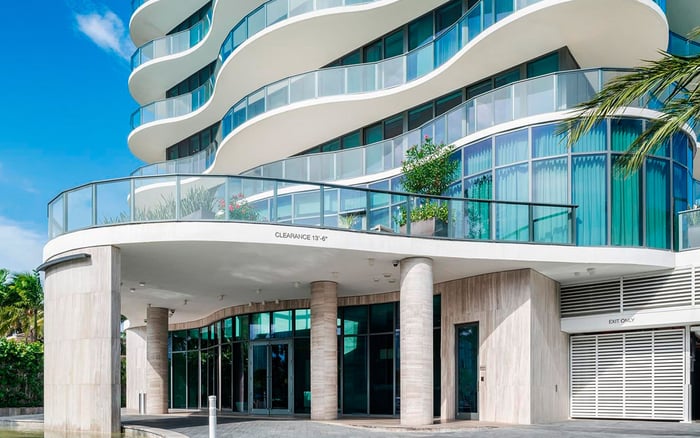
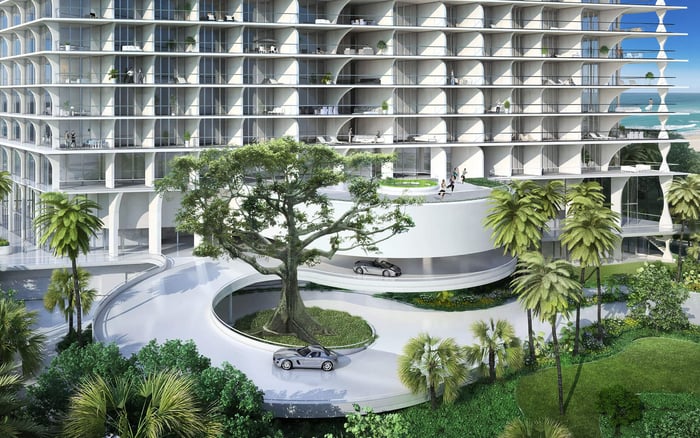
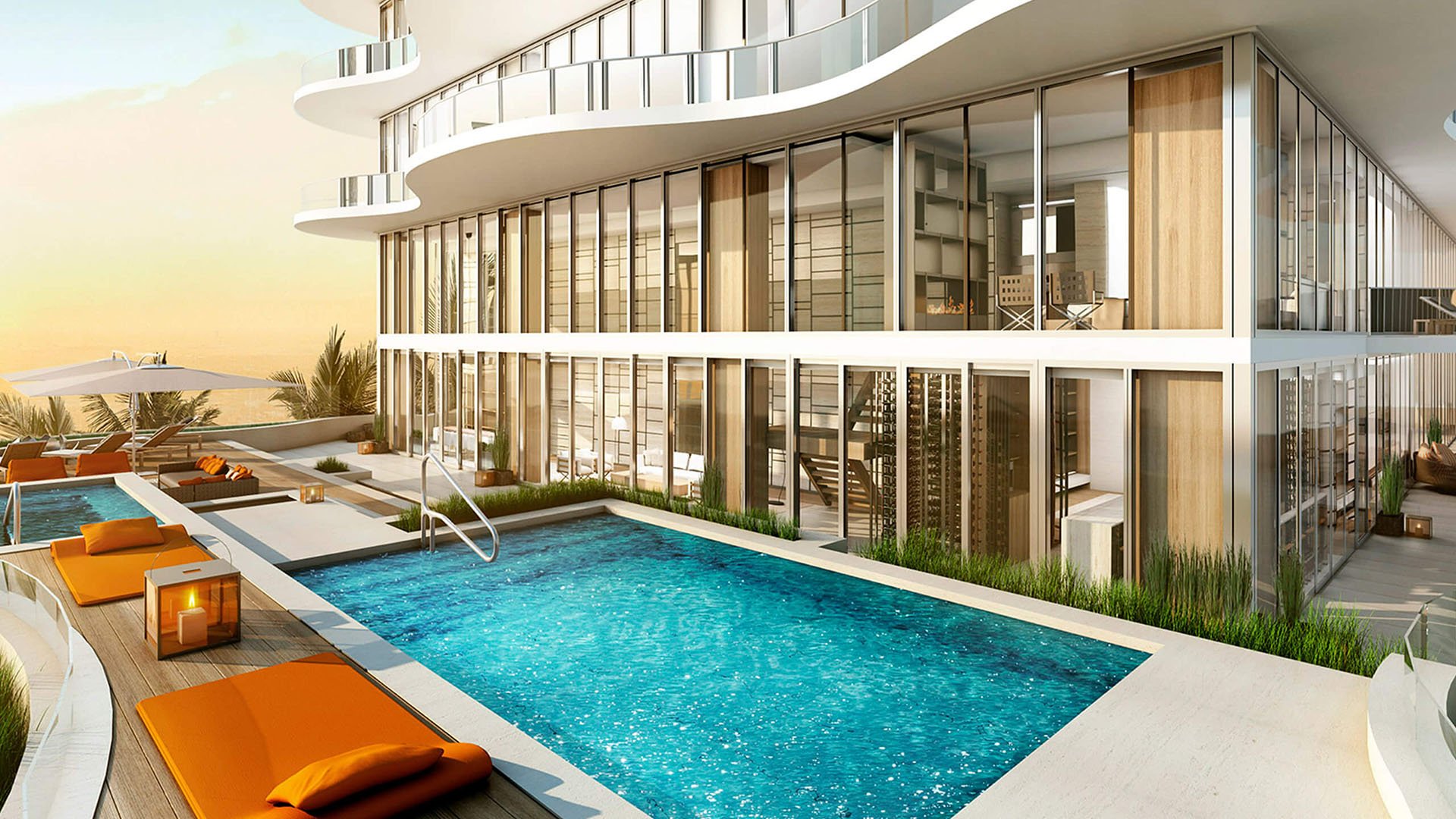
The appeal is clear. The tower’s sculptural profile, broad wraparound outdoor terraces and direct coastal setting create the kind of private beachfront lifestyle that draws second-home buyers to Sunny Isles Beach. The full-floor residence concept also changes the emotional register of ownership. Instead of feeling like one unit among many, the home can read more like a private villa in the sky, with the Atlantic as its front garden.
That privacy is precisely why closing diligence matters. In boutique ultra-luxury buildings, fewer residences may mean fewer owners sharing major operating and capital costs. Before closing at Regalia Sunny Isles Beach, a seasonal buyer should study the building not only as an architectural object, but as a small, highly serviced coastal asset with real maintenance, governance and staffing implications.
Full-floor living is one of Regalia’s defining attributes. For buyers comparing it with denser oceanfront towers, that privacy can be the central reason to pursue the building. Fewer shared corridors, a quieter ownership environment and a more intimate building culture are meaningful advantages for owners who value discretion.
Yet the same boutique quality calls for sharper financial review. Seasonal buyers should examine monthly association dues, reserve funding, insurance coverage, meeting minutes, pending capital projects and any disclosed special-assessment exposure before becoming emotionally committed to the closing date. The question is not whether a highly serviced oceanfront building should have meaningful carrying costs. It should. The question is whether the cost structure is transparent, well documented and appropriate for the buyer’s intended use.
This is especially important for owners who may occupy the residence only during winter, holidays or selected long weekends. A part-time owner still participates fully in the building’s cost base. Staffing, exterior maintenance, insurance, amenities, security and capital reserves do not pause when an owner is away. The most disciplined buyers treat association documents as carefully as they treat views and finishes.
Oceanfront living is both the romance and the responsibility of Regalia. Wind, salt air, humidity, storm exposure and intense sun should be understood as permanent conditions of ownership, not occasional inconveniences. A well-positioned coastal residence can deliver extraordinary daily beauty, but the building envelope, glazing, balcony systems and exterior finishes deserve careful attention before closing.
Regalia’s large terraces and glass-forward design make review of balcony drainage, waterproofing history, window and door seals, façade maintenance and leak history especially relevant. A terrace can be one of the most valuable parts of the residence, but it also lives fully in the marine environment. Seasonal owners should ask how exterior elements are monitored, what maintenance protocols apply to outdoor areas and how the building coordinates access for necessary work when owners are absent.
This level of scrutiny is not unique to one address. Buyers comparing the broader Sunny Isles Beach market often consider other oceanfront or near-ocean luxury options such as Bentley Residences Sunny Isles, St. Regis® Residences Sunny Isles and Jade Signature Sunny Isles Beach. What differs at Regalia is the combination of boutique scale, full-floor privacy and the concentration of ownership responsibilities that can accompany a low-residence environment.
A seasonal owner’s final walkthrough should be more technical than ceremonial. The residence may look pristine during a showing, but absentee ownership magnifies small maintenance failures. HVAC performance, humidity control, thermostat settings, dehumidification strategy, leak history, balcony drains, window and door seals, smart-home systems and security controls all deserve attention before closing.
Humidity is particularly important. A residence left closed for long periods requires careful climate control. Buyers should understand how the home performs when unoccupied, how alerts are handled and whether smart systems can be monitored remotely. A minor air-conditioning issue can become a major interior problem if no one enters the home for several weeks.
The same discipline applies to water intrusion and drainage. Ask targeted questions about any prior leaks, repairs or recurring conditions. Confirm whether balcony areas drain properly and whether doors and glazing have been maintained for a high-salt, high-humidity coastal environment. A beautiful view should not distract from the systems that protect the interiors behind it.
The most elegant seasonal ownership experience is rarely accidental. It depends on access procedures, staffing discipline and clear communication. Before closing, buyers should understand how Regalia handles owner absences, guest access, deliveries, vendors, service-elevator use, security protocols and unit checks. A highly serviced building can be an enormous advantage, but only if its procedures align with the owner’s lifestyle.
Review the condominium documents for leasing limits, guest-use rules, pet rules, renovation procedures, service-elevator policies and owner-absence protocols. These are not minor administrative points. They determine whether a residence can be used flexibly by family, prepared easily before arrival, serviced while vacant and protected during extended absences.
A professional home-watch or property-management arrangement may also be appropriate if the home will remain vacant for long stretches. Even in a well-staffed building, a private representative can check interiors, coordinate vendors, test systems, prepare the home before arrival and respond to small issues before they become costly. Second-home ownership is most successful when someone is accountable between visits.
Because Regalia is framed as a highly serviced ultra-luxury tower, the buyer’s diligence should include the staffing structure as well as the physical residence. Concierge coverage, valet or parking procedures, after-hours support, package handling and vendor coordination all shape the daily experience. For owners who arrive late, travel frequently or host family members, these details matter.
The service layer also intersects with privacy. A building with fewer residences may offer a more personal rhythm, but buyers should understand how coverage is maintained across peak and quiet seasons. The goal is not merely to confirm that services exist. It is to understand how they operate at midnight, during storms, over holidays and when the owner is abroad.
In Sunny Isles Beach, where the luxury buyer can compare multiple high-profile towers, Regalia’s identity rests on a quieter form of prestige: privacy, direct oceanfront presence and expansive outdoor living. The right buyer will find that compelling. The prudent buyer will pair that attraction with a meticulous review of documents, systems and operating procedures.
The best way to approach Regalia is with equal parts desire and discipline. Its strengths are highly legible: oceanfront positioning, a sculptural tower profile, broad terraces and full-floor residences that speak to privacy. For many buyers, those qualities are exactly why Sunny Isles Beach remains one of South Florida’s most competitive luxury corridors.
The closing process should translate that appeal into a durable ownership plan. Request current association financials, reserve schedules, insurance certificates, meeting minutes, litigation disclosures and information on pending capital projects. Confirm the condition and maintenance history of the systems most exposed to coastal life. Understand the rules governing access, guests, leasing, pets and renovations. Then decide whether the building’s operating culture suits the way the residence will actually be used.
Regalia can be a refined seasonal base for an owner who values privacy above density. It can also demand a more attentive ownership posture than a larger building where costs and responsibilities are spread more widely. The difference is not a flaw. It is the nature of boutique oceanfront ownership.
What makes Regalia Sunny Isles Beach distinctive? Regalia is positioned as a boutique oceanfront luxury tower with broad wraparound terraces and a full-floor residence concept that emphasizes privacy.
Why should seasonal owners review association costs carefully? In a boutique building, major operating and capital costs may be shared among fewer owners, so dues, reserves and potential assessments deserve close review.
What documents should a buyer request before closing? Buyers should request current association financials, reserve schedules, insurance certificates, meeting minutes, litigation disclosures and pending capital-project information.
Why is coastal maintenance such a major issue? Wind, salt air, humidity and storm exposure can affect exterior systems, glazing, waterproofing, balcony areas and façade maintenance over time.
What should the final walkthrough emphasize? Focus on HVAC performance, humidity control, leak history, balcony drainage, window and door seals, smart-home systems and security controls.
Should a seasonal owner hire home-watch support? A professional home-watch or property-management service can be useful when a residence will remain vacant for long stretches.
What building procedures matter most for absentee owners? Access control, security, deliveries, vendors, service-elevator use and unit-check protocols all matter when the owner is away.
Are leasing and guest-use rules important before closing? Yes. Condominium documents should be reviewed for leasing limits, guest-use rules, pet rules, renovation procedures and owner-absence policies.
How should buyers think about Regalia’s terraces? The terraces are central to the lifestyle, but they also require attention to drainage, waterproofing, exposure and ongoing maintenance history.
Is Regalia best suited to every Sunny Isles buyer? It is best aligned with buyers who value privacy, full-floor living and boutique oceanfront ownership, provided the operating structure fits their expectations.
If you'd like a private walkthrough and a curated shortlist, connect with MILLION.
If branded residences are on your mind — as a home or as an allocation — we would be glad to share what we are seeing, privately.
Begin a quiet conversation