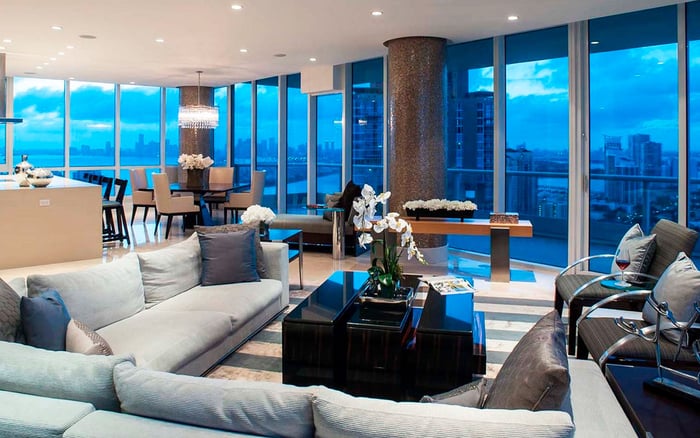
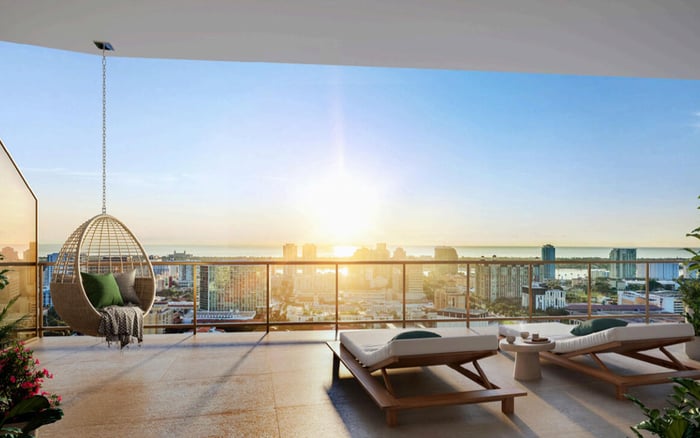
An editorial analysis of Origin Bay Harbor Islands and the forces likely to shape its long-term resale positioning, from boutique waterfront scarcity to buyer depth across the Bal Harbour coastal corridor.
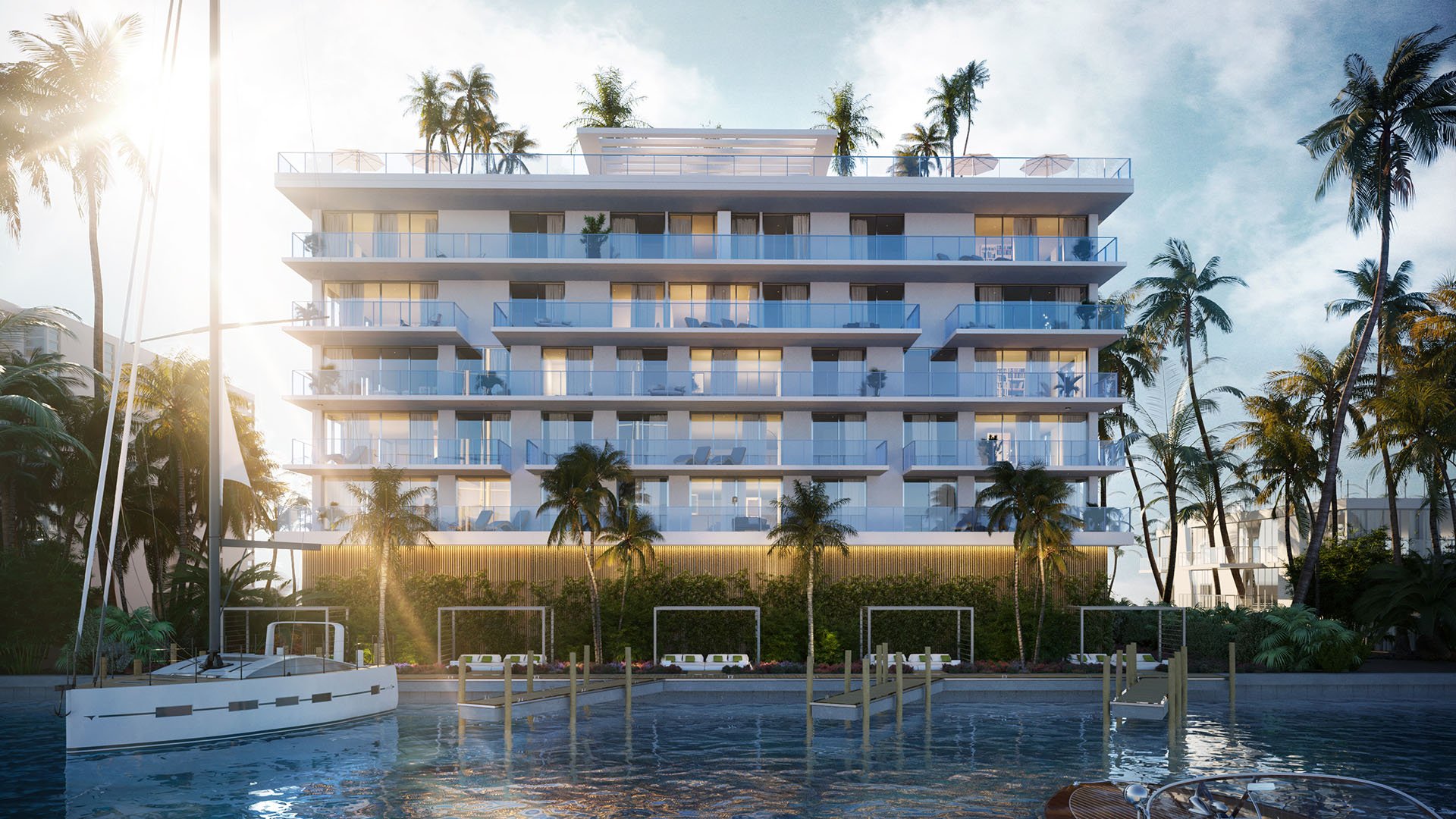
For buyers evaluating Origin Bay Harbor Islands, the central question is not simply whether the building will feel desirable at delivery. It is whether that desirability will remain clear to future buyers after the first wave of ownership has passed. In South Florida luxury real estate, long-term resale strength often comes from a narrow set of fundamentals: scarcity, a defined lifestyle proposition, disciplined ownership, and a location that can be benchmarked beyond its immediate block.
Origin Bay Harbor Islands is positioned as a boutique luxury condominium within Bay Harbor Islands, a market increasingly viewed within the broader Miami, Surfside, and Bal Harbour coastal corridor. That framing matters. Resale value is rarely sustained by finishes alone. It endures when the next buyer can immediately understand why a property is distinct, who else wants it, and why supply cannot easily replicate the same combination of scale, setting, and convenience.
Origin’s long-term case begins with its waterfront identity and lower-density positioning. In a region where many luxury buyers also consider larger towers, an intimate building can become either a differentiator or a constraint. The outcome depends on whether future purchasers prize privacy, quieter circulation, and a more residential atmosphere over the broader amenity volume of high-rise competitors.
In Bay Harbor Islands, that distinction may prove meaningful. Buyers are not only assessing a residence; they are evaluating a daily rhythm close to the Bal Harbour and Surfside lifestyle, while retaining a more contained neighborhood character.
That same argument also supports buyer depth. A limited boutique inventory profile can help stabilize perception when ownership is anchored by end users rather than high-volume investor turnover. Comparable neighborhood properties such as Alana Bay Harbor Islands and Onda Bay Harbor reinforce the broader shift toward design-conscious, lower-density living in the islands.
The strongest resale buildings are not dependent on a single buyer profile. Origin’s likely buyer pool spans end-user families, seasonal second-home owners, and internationally mobile purchasers seeking South Florida exposure. Each group evaluates value differently, but all are likely to care about access, ease of ownership, and the ability to exit into a recognizable demand pool.
Families may focus on proximity to daily services, beaches, and Bal Harbour conveniences. Seasonal owners may prioritize lock-and-leave simplicity, waterfront atmosphere, and proximity to dining and retail without the intensity of larger resort corridors. International buyers may view Origin as a more intimate way to hold a position in the Miami coastal market, especially if they want access to the Bal Harbour lifestyle without being directly oceanfront.
Second-home demand is particularly relevant because it can create durable liquidity without requiring speculative churn. A building with a stable owner profile may not always trade at the pace of larger investor-heavy towers, but it can appeal to buyers who value continuity, condition, and a well-kept residential environment.
Origin’s resale performance will not be judged only against other Bay Harbor Islands buildings. Future buyers are likely to compare it with alternatives in Bal Harbour, Surfside, Miami Beach, and Sunny Isles Beach. That broader lens is important because it places Origin in conversation with multiple versions of luxury: oceanfront prestige, branded services, taller towers, boutique waterfront condominiums, and neighborhood-oriented residences.
A buyer considering direct oceanfront Bal Harbour may also study Rivage Bal Harbour or established trophy inventory nearby. A Surfside buyer may compare the intimacy of Bay Harbor Islands with the architectural and oceanfront narratives surrounding The Delmore Surfside. Within Bay Harbor Islands itself, Bay Harbor Towers gives future buyers another local reference point for waterfront luxury positioning.
This comparison set creates both opportunity and pressure. Origin can benefit when buyers see value in being near Bal Harbour while retaining a quieter, more residential scale. The challenge is proving that its distance from direct oceanfront Bal Harbour is offset by price, intimacy, finishes, waterfront setting, and neighborhood convenience.
For luxury resale, architecture and location establish the first impression, but governance often determines how that impression ages. Origin’s long-term liquidity will likely depend on association governance, reserve transparency, maintenance standards, and rental policies. These elements may sound less glamorous than waterfront terraces or finishes, yet sophisticated buyers often scrutinize them closely.
A well-managed association can help preserve physical condition and buyer confidence. Clear reserves can reduce uncertainty. Thoughtful rental policies can protect the building’s residential tone while still allowing enough flexibility for owners whose usage patterns change over time. In boutique buildings, these issues can feel even more pronounced because each owner has a visible impact on the overall environment.
The principal resale risks are not framed around project-specific design flaws. They are broader market pressures, including insurance costs, Florida condo reform, and climate-related concerns. These factors now sit near the center of many serious luxury condo conversations in coastal South Florida.
That does not make Origin uniquely vulnerable. It means future buyers will expect clean answers. They will want to understand carrying costs, building maintenance, reserve discipline, and the practical realities of waterfront ownership. In a market where affluent buyers have many choices, confidence can become a pricing advantage.
Origin’s long-term pricing narrative should be simple: boutique waterfront scarcity, access to the Bal Harbour lifestyle, and a stable owner profile. If future buyers continue to value intimacy over scale, neighborhood convenience over spectacle, and quality ownership over turnover, Origin Bay Harbor Islands can occupy a distinct place in the coastal resale conversation.
The building’s success will depend on whether that narrative remains consistent. Luxury buyers have short patience for ambiguity. The clearer the story, the deeper the buyer pool.
What is the core resale thesis for Origin Bay Harbor Islands? The thesis centers on boutique waterfront scarcity, quality positioning, and a stable owner profile rather than high-volume investor inventory.
Who is the likely buyer pool for Origin Bay Harbor Islands? Expected buyers include end-user families, seasonal second-home owners, and internationally mobile purchasers seeking South Florida exposure.
Why does the waterfront setting matter for resale? Waterfront positioning gives Origin a clear lifestyle anchor and helps distinguish it within Bay Harbor Islands and the broader coastal corridor.
Will buyers compare Origin only with nearby buildings? No. Future buyers are likely to compare it with options in Bal Harbour, Surfside, Miami Beach, Sunny Isles, and Bay Harbor Islands.
Is boutique scale an advantage or a limitation? It can be an advantage if buyers value privacy, intimacy, and a quieter residential atmosphere over the scale of larger luxury towers.
What is Origin’s main challenge versus direct oceanfront Bal Harbour? It must show that price, intimacy, finishes, neighborhood convenience, and waterfront appeal offset not being directly oceanfront in Bal Harbour.
What factors may influence long-term liquidity? Association governance, reserve transparency, maintenance standards, and rental policies will likely play an important role in future resale confidence.
Are the main risks project-specific? The key risks are broader market pressures, including insurance costs, condo reform, and climate-related considerations.
Why is Bay Harbor Islands important to the story? The neighborhood supports Origin’s positioning as a boutique residential option within the Miami and Bal Harbour corridor.
Is Origin better suited to investors or lifestyle buyers? Its positioning leans toward lifestyle buyers and stable owners, though long-term value will depend on market conditions and building management.
For a confidential assessment and a building-by-building shortlist, connect with MILLION.
If branded residences are on your mind — as a home or as an allocation — we would be glad to share what we are seeing, privately.
Begin a quiet conversation