A buyer-focused look at One Thousand Museum as a Downtown Miami residence, measuring Zaha Hadid’s sculptural architecture against the realities of daily South Florida living.
One Thousand Museum Downtown Miami is one of the rare South Florida towers whose identity is legible from a distance. Its curving exterior exoskeleton, tied to Zaha Hadid’s sculptural architectural language, gives the building a skyline presence closer to civic architecture than conventional condominium design. Yet for a full-time owner, the more important question is quieter: does the building work as a day-to-day home?
That question is especially relevant on Biscayne Boulevard, where the bayfront edge of Downtown Miami has become more than an office-and-entertainment district. It now reads as a more residential urban neighborhood, with culture, water views, restaurants, events and practical city routines layered together. The building’s position near the Biscayne Bay waterfront and Downtown Miami’s cultural core gives it a strong lifestyle proposition, but location alone does not define livability.
The better way to read One Thousand Museum Downtown Miami is through two lenses at once: design and architecture, and the infrastructure of daily life. Prestige matters in this segment, but so do privacy, cooling, circulation, furniture planning, service expectations and the simple ability to move through the week without friction.
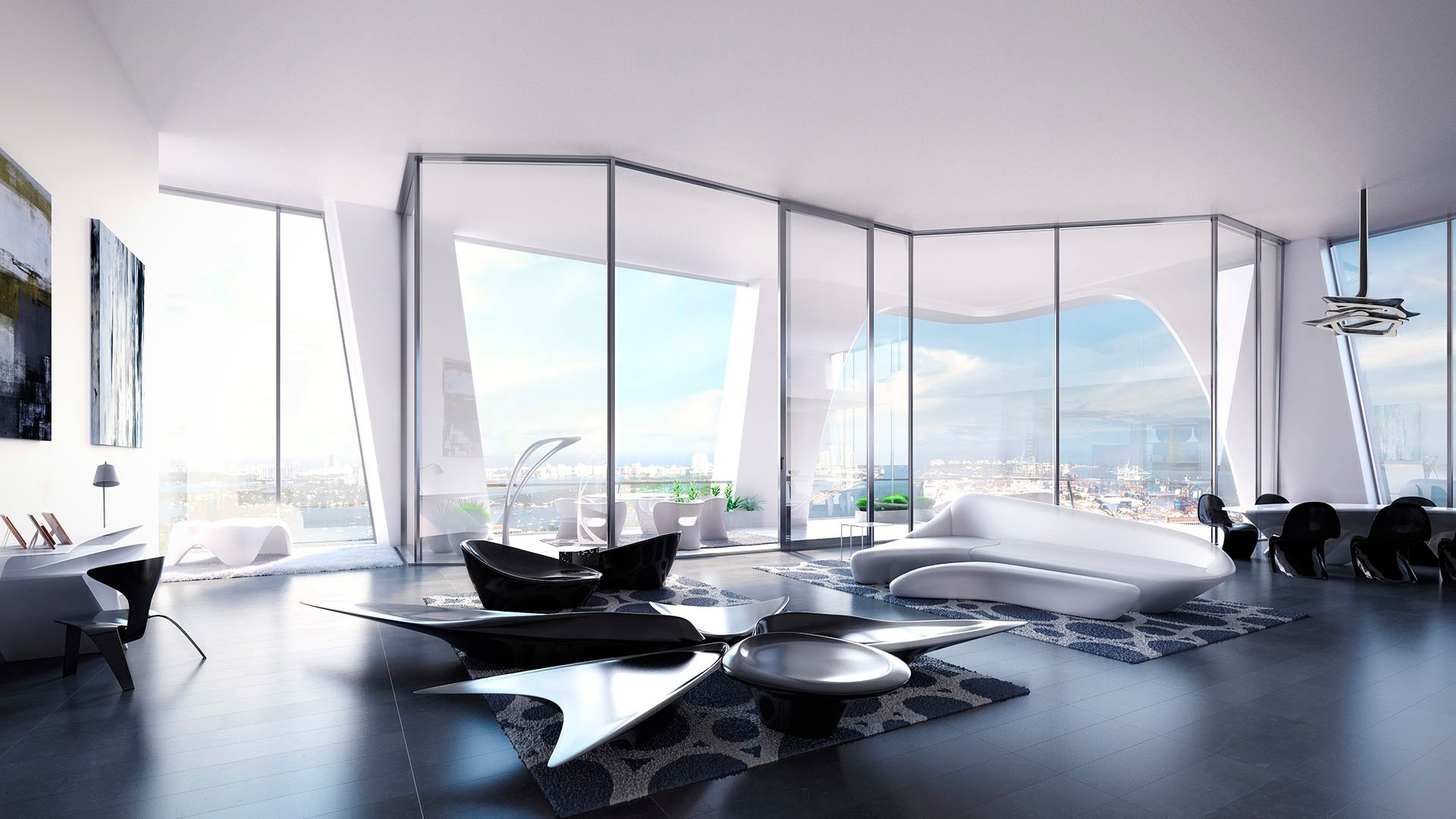
The exoskeleton is the tower’s most recognizable feature, but its relevance extends beyond photographs. A façade system with pronounced structural ribs changes how residents experience windows, depth, daylight and views. It can make rooms feel more sculpted, less generic and more connected to the building’s architectural idea.
In South Florida, that distinction matters. Sun exposure, humidity, heavy rain and hurricane-season considerations all shape how a residence feels over time. Deep exterior ribs can be read as both an aesthetic signature and a potential shading element in Miami’s intense light, although buyers should evaluate any specific residence by orientation, glazing, exposure and floor position rather than assuming one universal experience.
The structural concept also creates a different interior conversation than a standard column-heavy high-rise. More open volumes can make it easier to plan living, dining, lounge, work-from-home and family zones with continuity. For owners who collect art, host formally or want a residence that can shift between private retreat and social setting, that flexibility is central to the appeal.
The Biscayne Boulevard location places One Thousand Museum within a broader Downtown shift. Downtown is no longer defined only by weekday office traffic or event-night energy. Its luxury residential market increasingly asks whether a buyer can build a complete life there, not merely keep a seasonal address above the bay.
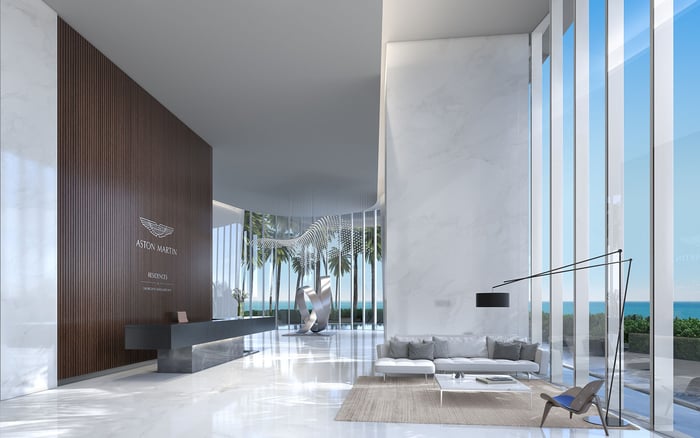
This context matters because the neighborhood now includes several distinct interpretations of vertical luxury. Aston Martin Residences Downtown Miami approaches the city through branded waterfront glamour, while Waldorf Astoria Residences Downtown Miami reflects the appeal of globally recognizable hospitality in the urban core. Nearby, Casa Bella by B&B Italia Downtown Miami speaks to buyers who prioritize interiors and design lineage.
Against that field, One Thousand Museum remains singular because its architecture is not merely a wrapper. The building’s identity influences expectations around privacy, formality, service levels, management standards and resident culture. It will likely appeal to owners who want a curated environment rather than a casual condominium atmosphere.
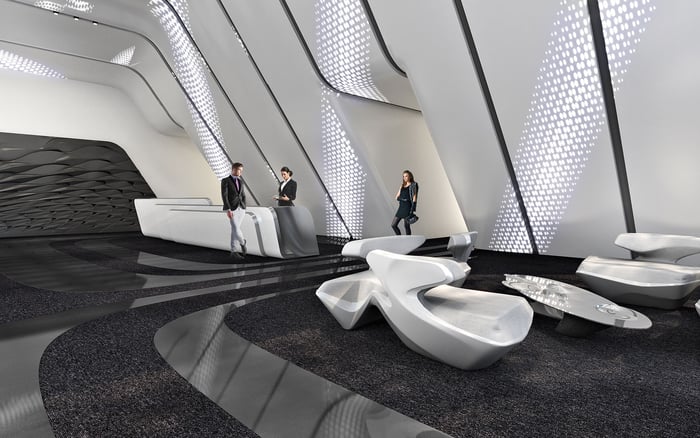
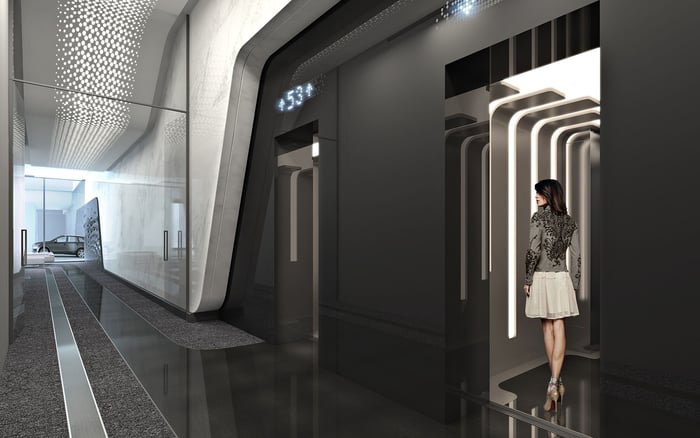
For a full-time South Florida resident, a tower succeeds when the glamorous elements become reliable. The arrival sequence should feel composed. Elevators, staff interaction and shared spaces should support privacy. Residences should accommodate ordinary life: early work calls, family visits, quiet evenings, deliveries, guests and the storage needs that seasonal buyers often underestimate.
The layouts deserve practical scrutiny. Can a formal living area coexist with a relaxed media zone? Is there a natural place for a desk that does not compromise the main room? Does the plan support dining, entertaining and retreat without forcing every activity into one dramatic volume? Are circulation paths intuitive when the home is occupied by family or guests?
One Thousand Museum’s architectural language may make these questions more interesting, not less. Fluid forms and dynamic surfaces can elevate the experience of daily space, but they also call for thoughtful furniture planning. The right owner will see this as an opportunity: a home shaped by architecture, not a blank container.
South Florida luxury buyers increasingly understand that climate comfort is part of value. Sun, cooling loads, humidity, rain and storm-season planning are not abstract concerns. They determine how often a terrace is used, how interiors age, how glass walls feel in the afternoon and how confidently a household functions during volatile weather.
One Thousand Museum’s façade depth and sculptural structure invite a nuanced reading. The ribs may contribute to the perception of shelter and shade, but individual livability will still depend on the specific residence. Buyers should pay close attention to orientation, afternoon heat, window exposure, mechanical performance, maintenance expectations and the building’s operational discipline.
This is where ultra-luxury design must become infrastructure. A building can be visually extraordinary and still be judged, by full-time owners, on the mundane standards that matter most: comfort, predictability, privacy and ease.
One Thousand Museum is not trying to disappear. It suits buyers who want architecture with presence, a Downtown Miami address, bayfront adjacency and a more formal residential atmosphere. It is especially compelling for design-conscious owners who value the relationship between structure, light and interior volume.
It may be less ideal for someone seeking a relaxed, low-key beach condominium feeling. This is an urban, architectural tower on Biscayne Boulevard, best understood as a polished base for city life. For the right household, that is precisely the point.
Its long-term appeal rests on whether the building’s sculptural identity continues to serve everyday life. As a trophy, it is easy to understand. As a full-time residence, it becomes more interesting: a test of whether high design can make daily routines feel more ordered, private and elevated.
What makes One Thousand Museum distinctive in Downtown Miami? Its curving exterior exoskeleton and association with Zaha Hadid’s sculptural design language give it a highly recognizable skyline identity.
Is One Thousand Museum only a trophy residence? It can function as a trophy address, but the stronger buyer question is whether its design supports comfort, privacy and full-time routines.
Where is the building positioned within Miami? It sits on Biscayne Boulevard, placing residents near the Biscayne Bay waterfront and the cultural core of Downtown Miami.
How does the exoskeleton affect daily living? The exterior structure shapes façade depth, window placement, daylight, views and the spatial character of the residences.
Why does climate matter for buyers here? South Florida living requires attention to sun exposure, cooling, humidity, heavy rain and hurricane-season expectations.
Does the architecture support flexible interiors? The structural concept can allow more open interior volumes than a conventional column-heavy tower, supporting flexible living and work zones.
Who is the ideal buyer for One Thousand Museum? It best suits design-conscious owners who want a formal, curated Downtown Miami environment with strong architectural identity.
How should buyers evaluate a specific residence? Orientation, daylight, views, furniture planning, storage, circulation and privacy should all be reviewed at the residence level.
How does One Thousand Museum compare with other Downtown towers? Its distinction is architectural authorship and sculptural form, while other Downtown towers may emphasize branding, hospitality or interiors.
Can it work for full-time South Florida life? Yes, for buyers whose priorities align with urban living, design presence, privacy and carefully managed daily routines.
For a discreet conversation and a curated building-by-building shortlist, connect with MILLION.
If branded residences are on your mind — as a home or as an allocation — we would be glad to share what we are seeing, privately.
Begin a quiet conversation