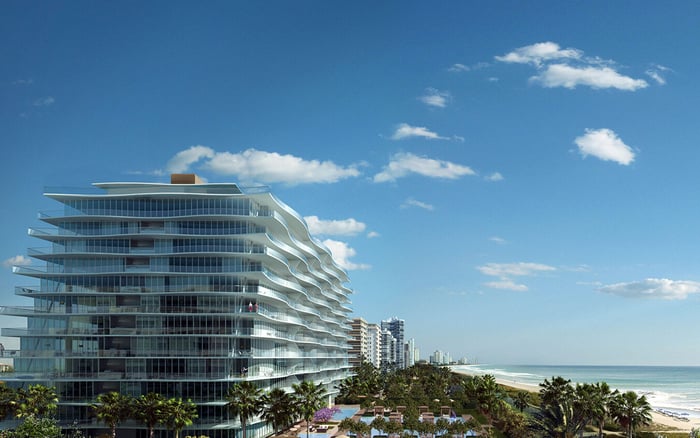
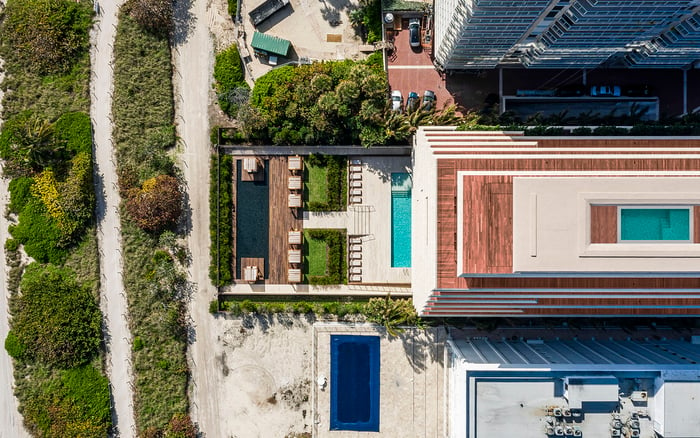
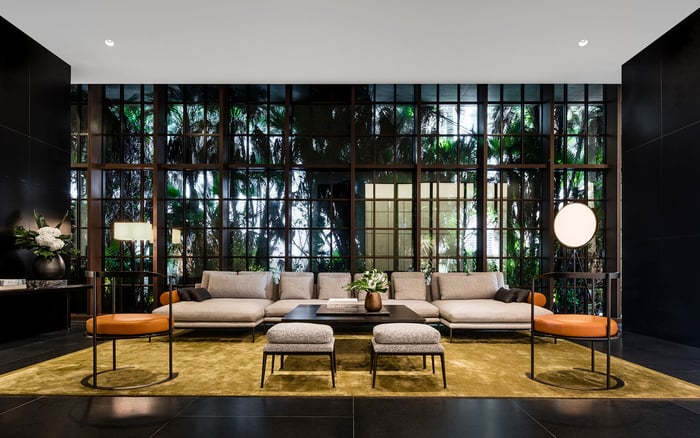
A discreet look at how Oceana Bal Harbour’s back-of-house planning supports privacy, quiet service, daily operations, and the elevated rhythm of oceanfront living.
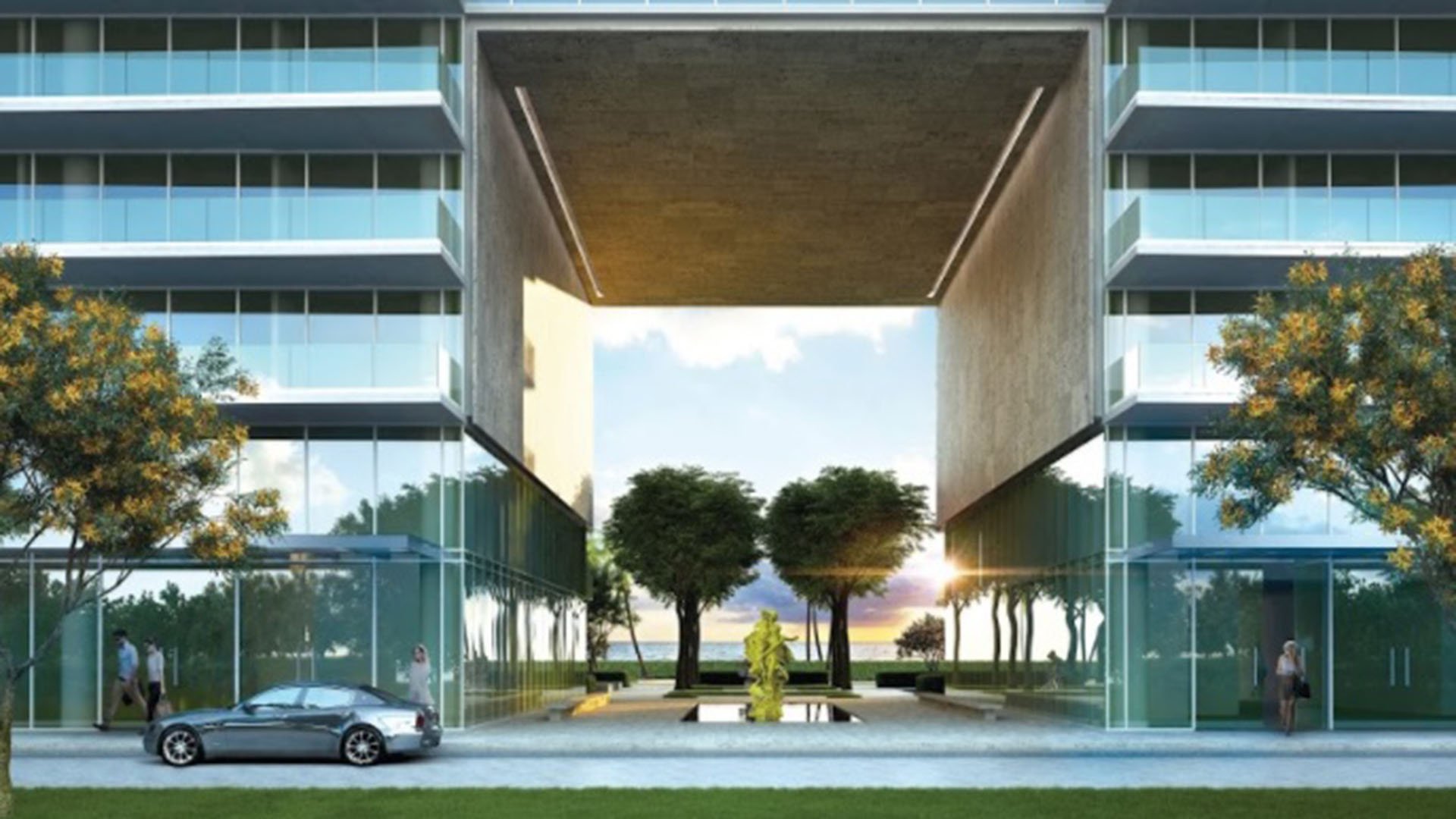
At the highest end of South Florida real estate, luxury is no longer measured only by the view, the lobby, or the scale of the amenities. It is measured by how effortlessly a property works. At Oceana Bal Harbour, an oceanfront residential condominium in one of South Florida’s most rarefied micro-markets, the hidden side of the building is central to the resident experience.
Back-of-house planning is the operating intelligence behind calm arrivals, discreet staff movement, efficient package handling, pristine amenity spaces, and a quieter daily rhythm. Residents may never see the service corridors, staff facilities, mechanical rooms, loading areas, or engineering spaces that support the property, yet these elements shape how private and polished life feels upstairs.
For buyers evaluating Bal Harbour, this distinction matters. The visible language of luxury attracts attention, but the invisible infrastructure sustains value. In a building expected to deliver hotel-grade service standards without functioning as a hotel-branded property, the true measure is service without intrusion. Staff must be able to work quickly and precisely while preserving the residential sense of sanctuary.
Ultra-luxury condominiums borrow selectively from hospitality, but they cannot operate exactly like hotels. A private residence demands a different balance of access, discretion, and continuity. At Oceana Bal Harbour, back-of-house circulation, service cores, engineering facilities, and staff workflows are part of the luxury proposition rather than a purely technical layer.
The goal is not to make service theatrical. It is to make it quiet. Housekeeping coordination, dining support, spa bookings, beach setup, amenity preparation, package delivery, and maintenance all require movement through the property. The more intelligently these paths are separated from primary resident circulation, the more seamless the building feels.
This is where access-controlled doors, back corridors, and service elevators become design tools. They allow staff to connect residences, amenities, mechanical areas, and exterior service zones while limiting unnecessary overlap with resident-facing spaces. In a market where buyers compare private residential service with the polish of destinations such as The Surf Club Four Seasons Surfside or the newer generation of branded and lifestyle-driven residences, the operational choreography matters.
Back-of-house performance is rarely experienced as a named feature. Residents feel it through small moments that either preserve or interrupt the day: a valet sequence that does not feel congested, a package that reaches the right place without confusion, a pool deck reset before it appears tired, a hallway that remains quiet even while staff are working elsewhere.
These are not decorative luxuries. They are operational luxuries. At Oceana, service areas such as loading docks, service elevators, kitchens, staff rooms, mechanical rooms, and circulation zones operate as distributed parts of the building’s functioning ecosystem. Rather than treating support spaces as an afterthought, the planning integrates them across basement, podium, and tower-core areas.
For the owner, this has practical meaning. Thoughtful staff logistics can help maintain privacy during daily service. They can reduce visible congestion. They can support amenity upkeep without turning the residence into a stage for constant activity. In the Oceanfront category, where salt air, weather exposure, and heavy seasonal use can intensify operational demands, the quality of the unseen systems becomes especially important.
Bal Harbour buyers tend to value privacy as much as direct waterfront access. In this context, back-of-house design supports more than efficiency. It supports the social contract of the building. Residents expect service to be available, but not ever-present. They expect security to be active, but not oppressive. They expect maintenance to happen, but not to define the atmosphere.
Access-controlled doors and service routes help establish that balance. They allow staff, vendors, deliveries, and building operations to move through appropriate channels rather than through spaces designed for arrival, leisure, or private circulation. The result is a calmer hierarchy between front-of-house and back-of-house life.
This is also why back-of-house planning can distinguish buildings that look luxurious from buildings that live luxuriously. A polished lobby may create the first impression, but operational discipline creates the second, third, and hundredth impression. Buyers comparing established Bal Harbour addresses with newer nearby projects such as Rivage Bal Harbour are often evaluating not only architecture and finishes, but the expected daily ease of ownership.
South Florida’s waterfront buildings carry design pressures that are not always visible in renderings or tours. Storm resilience, flood risk, and mechanical-system redundancy influence where critical infrastructure can be located and how protected it must be. For a coastal condominium, the back of house is not simply a convenience zone. It is part of the building’s long-term durability.
At Oceana, operational infrastructure includes engineering facilities as well as staff workflows. That combination matters because luxury service depends on system reliability. Elevators, climate control, water management, access control, and amenity operations all require planning that anticipates both routine use and coastal stress.
This is a key point for Design & Architecture conversations in South Florida. The most refined residential buildings do not separate beauty from performance. They use planning to preserve tranquility, protect systems, and maintain a residential standard over time. In Surfside, projects such as The Delmore Surfside invite similar buyer attention to the relationship between coastal design, privacy, and the unseen work of building operations.
For an ultra-premium buyer, back-of-house quality influences both Lifestyle and asset perception. A residence may have expansive views, generous amenities, and strong architectural identity, but if daily operations feel noisy, delayed, or overly visible, the experience becomes less rare. Conversely, a building that handles service quietly can make ownership feel lighter.
Oceana Bal Harbour is best understood as a case study in how a private condominium can translate hospitality-style operations into a residential environment. The point is not to mimic a hotel. The point is to deliver responsiveness while maintaining the emotional privacy of home.
That distinction is central to Waterfront ownership in South Florida. Residents want beach service, spa coordination, dining support, clean amenities, package reliability, valet precision, and maintenance discipline. Yet they also want stillness. The highest form of service is often the one that leaves no trace except convenience.
For buyers, the practical takeaway is simple: when touring or comparing luxury condominiums, ask how the building works. Consider how staff move, where deliveries are received, how amenities are serviced, how mechanical areas are protected, and how resident circulation remains distinct. These questions reveal whether the building has been planned for real life, not just presentation.
What is back-of-house design in a luxury condominium? It refers to the hidden operational areas and routes that support staff, service, deliveries, maintenance, engineering, and amenity upkeep.
Why is back-of-house planning important at Oceana Bal Harbour? It helps support privacy, quiet living, efficient service, and the high-touch residential experience expected in Bal Harbour.
Does back-of-house design affect residents directly? Yes. Residents feel it through valet flow, package handling, amenity cleanliness, low noise, and the general absence of disruption.
Is Oceana Bal Harbour a hotel-branded residence? It is characterized as a residential condominium expected to deliver hotel-grade service standards without being hotel-branded.
What kinds of spaces are part of the back of house? Service elevators, loading areas, mechanical rooms, kitchens, staff facilities, corridors, and controlled access points are typical components.
How does staff circulation protect privacy? Separate service routes can reduce overlap between staff movement and primary resident-facing spaces.
Why does coastal location matter for building operations? Storm resilience, flood risk, and system redundancy influence where critical infrastructure should be placed and protected.
Should buyers ask about back-of-house areas during a tour? Yes. Understanding deliveries, staff movement, service elevators, and amenity support can reveal how well a building functions.
How does this compare with other luxury waterfront buildings? The same principles matter across South Florida’s top coastal addresses, where privacy and operational polish shape daily ownership.
What is the central luxury lesson from Oceana Bal Harbour? The most valuable service is often the least visible, because it preserves comfort, discretion, and residential calm.
If you'd like a private walkthrough and a curated shortlist, connect with MILLION.
If branded residences are on your mind — as a home or as an allocation — we would be glad to share what we are seeing, privately.
Begin a quiet conversation