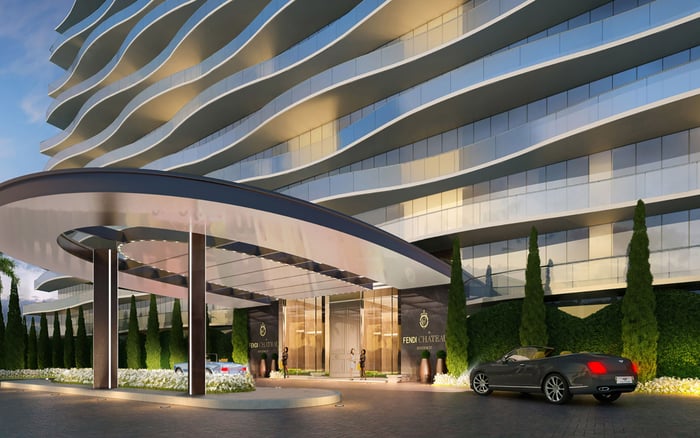
A discreet buyer’s guide to evaluating new-resident onboarding in Surfside, from service protocols and building access to move-in planning, owner communications, privacy, pets, guests, vendors, and long-term lifestyle fit.

In Surfside, the purchase is only the beginning. The true measure of a luxury residence often emerges in the first 30 days of ownership: how the building receives you, how clearly the team communicates its standards, and how quickly daily life becomes effortless. New-resident onboarding is the bridge between contract and lifestyle, and sophisticated buyers should evaluate it with the same care they bring to floor plans, views, finishes, and privacy.
This is especially relevant in a compact, high-expectation coastal market where discretion, arrival sequence, service culture, and building etiquette shape the experience as much as architecture. Whether considering The Delmore Surfside, comparing established oceanfront residences, or studying future ownership options, buyers should ask not only what the building offers, but how it teaches new owners to use it well.
For luxury buyers, the question is not simply, “What amenities are included?” It is, “How does the property make a new owner feel known, protected, and properly introduced?”
Before buying, ask who is responsible for guiding a new resident from closing to daily occupancy. In some buildings, this may be handled by management. In others, concierge, security, residential services, or a dedicated owner-relations team may participate. The essential issue is coordination.
A polished building should be able to explain the sequence clearly: when credentials are issued, how vehicle registration works, how elevator reservations are made, how domestic staff or vendors are added, and who answers questions after closing. If no single point of contact exists, ask how departments communicate with one another so the burden does not fall on the owner.
In ultra-premium property conversations, onboarding is often underdiscussed because it sounds operational. In practice, it is intensely personal. It determines whether the first arrival feels serene or fragmented.
Surfside buyers often care deeply about privacy. Onboarding should therefore include more than keys and fobs. Ask how residents are briefed on access control, guest procedures, package handling, valet protocols, elevator use, beach or amenity access, and after-hours arrivals. The goal is not to challenge security, but to understand the rhythm of the property before living within it.
If you travel frequently or maintain multiple residences, ask how the building handles owner absence. Can authorized representatives access the residence? How are deliveries managed when the owner is away? What steps are required to approve household staff? How are guest permissions created, modified, and revoked?
For oceanfront living in Surfside, privacy also includes the transition between residence, pool deck, beach path, lobby, garage, and service areas. A buyer evaluating Ocean House Surfside should understand how those movements are managed day to day, because the best luxury buildings make circulation feel intuitive, never exposed.
A luxury move is not simply about scheduling a truck. It is about protecting stone, millwork, elevators, corridors, art, furniture, and the mood of the building. Ask for the move-in protocol before you waive contingencies or finalize a closing timeline.
Key questions include how much notice is required, whether specific days or hours are restricted, how elevators are padded, whether certificates of insurance are required from movers, where trucks may stage, and who supervises the process. If custom furniture, art installation, or audiovisual integration is planned, ask whether those vendors are treated like ordinary deliveries or require special approvals.
New-construction buyers should be especially attentive. The first wave of residents can place pressure on scheduling, building teams, service elevators, and punch-list coordination. A refined onboarding plan anticipates this, setting expectations without making the owner feel managed.
Ask how official communication is delivered. Email may be sufficient for some notices, while apps, portals, printed packets, resident meetings, or direct concierge messages may be used elsewhere. The medium matters less than consistency.
Buyers should request examples of what is covered during orientation: building rules, amenity reservations, pet policies, noise standards, maintenance requests, emergency procedures, visitor protocols, and renovation approvals. If the residence will be used seasonally, ask how updates are communicated when the owner is not in town.
For buyers considering boutique luxury such as Arte Surfside, the onboarding tone should match the property’s intimacy. Smaller buildings can feel highly personal, but they still require formal clarity. Warmth is not a substitute for process.
Luxury buyers should ask where hospitality ends and association responsibility begins. Can staff assist with routine reservations, car arrivals, deliveries, dry cleaning coordination, or in-residence appointments? Are some services complimentary while others are billed through preferred vendors? Are gratuities customary, restricted, pooled, or left to owner discretion?
This conversation belongs before ownership, not after a misunderstanding. A building may deliver excellent service while maintaining firm boundaries. The best buildings state those boundaries with grace.
If a residence is part of a branded or hospitality-influenced environment, ask how brand standards translate for private owners. At The Surf Club Four Seasons Surfside, for example, a buyer should still ask the practical onboarding questions: who coordinates the first arrival, how resident preferences are recorded, and how service requests are routed.
The most elegant onboarding programs understand that luxury ownership involves more than the named buyer. Spouses, children, extended family, assistants, drivers, chefs, housekeepers, trainers, nurses, pet care providers, and visiting guests may all interact with the property.
Ask how each category is documented. Are recurring visitors treated differently from one-time guests? Can staff receive permanent credentials? Are background checks, photos, or identification records required? How are minors, older relatives, or private caregivers supported without compromising security?
Pet owners should ask about registration, approved access paths, grooming rules, service animal procedures, and any limits that affect daily routine. Families should ask how amenity use, children’s guests, and holiday periods are handled. These details may appear small, but they shape whether a residence feels natural for the household.
Even a finished luxury residence may need personalization. Before buying, ask how the building handles design approvals, contractor access, construction deposits, work hours, noise, debris removal, insurance, and neighbor notices. If you plan to combine spaces, install specialty lighting, upgrade closets, modify terraces where permitted, or add integrated technology, understand the process in advance.
A strong onboarding team will direct an owner to the correct forms and decision-makers early. A weaker process may leave owners discovering restrictions only after designers and contractors are engaged. In Surfside, where expectations are high and buildings protect their residential atmosphere carefully, clarity is part of the asset.
Before signing, ask for a resident orientation outline, move-in procedures, guest and vendor policies, communication channels, amenity reservation rules, emergency contacts, pet protocols, staff registration requirements, renovation guidelines, and any owner handbook available for review. If the building will not provide these before contract milestones, ask your advisor to obtain a written explanation of what is available and when.
The strongest onboarding programs share a few traits: one accountable contact, clear documentation, respectful security, predictable communication, and a service culture that feels calm rather than improvised. In luxury real estate, the first impression after closing is not a courtesy. It is part of the value proposition.
What is new-resident onboarding in a luxury Surfside building? It is the process that introduces a new owner to access, services, rules, communications, staff, amenities, and move-in procedures.
When should I ask about onboarding? Ask before contract deadlines whenever possible, especially if your closing, move-in, or design schedule is time-sensitive.
Should onboarding affect my buying decision? Yes. A polished onboarding process can indicate strong management, clear service standards, and fewer surprises after closing.
What documents should I request? Ask for move-in procedures, resident rules, amenity policies, vendor requirements, pet guidelines, renovation procedures, and emergency contacts.
How important is one point of contact? Very important. One accountable contact helps prevent confusion between management, concierge, security, valet, and service teams.
What should seasonal owners ask? They should ask how communication, deliveries, staff access, maintenance issues, and guest approvals are handled when they are away.
Are guest and vendor rules negotiable? Usually they are building policies rather than negotiable terms, so buyers should understand them before closing.
Why ask about move-in logistics early? Luxury moves often involve art, furniture, technology, and specialty vendors, all of which require careful scheduling and protection.
Should pet owners raise onboarding questions? Yes. Pet registration, access routes, elevator etiquette, and service-provider access can materially affect daily comfort.
What is the ideal onboarding tone? It should feel discreet, organized, and personal, with clear boundaries and responsive service from the first arrival.
If you'd like a private walkthrough and a curated shortlist, connect with MILLION.
If branded residences are on your mind — as a home or as an allocation — we would be glad to share what we are seeing, privately.
Begin a quiet conversation