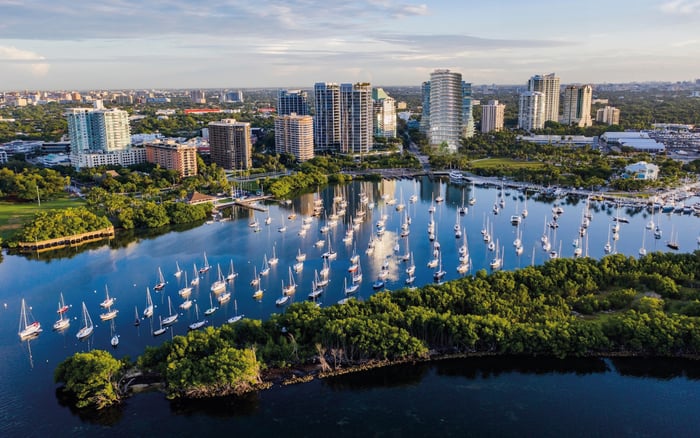
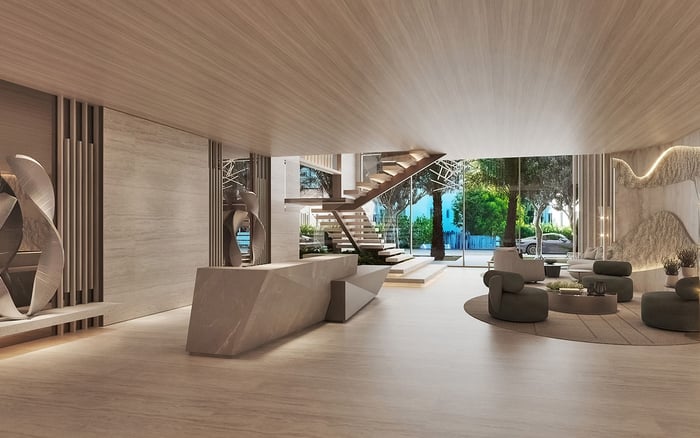
For South Florida bayfront buyers, the inspection period is not a procedural pause. It is the moment when price, timing, future upkeep, marine exposure, insurance expectations, and closing confidence begin to converge into the residence’s true cost.
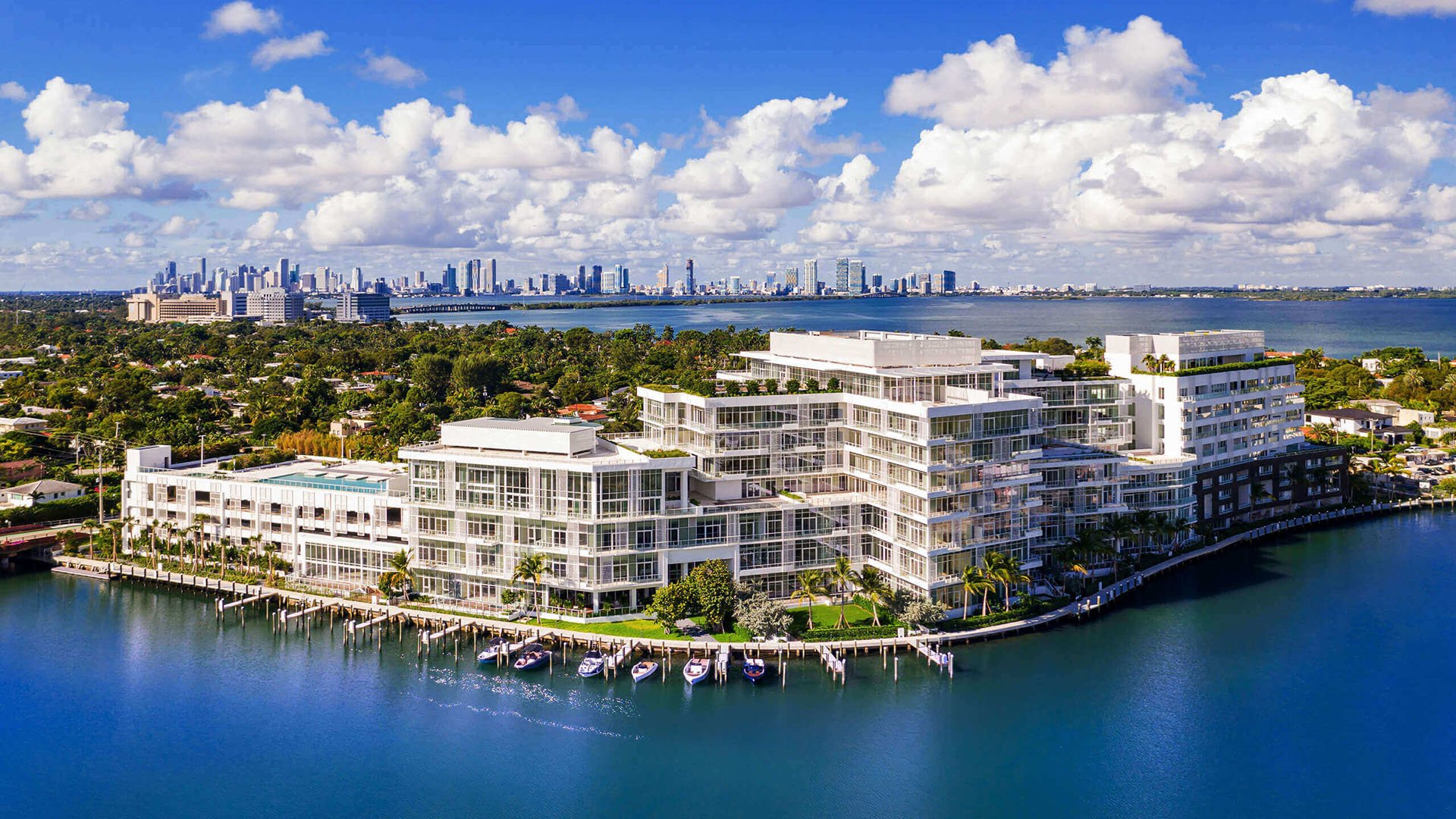
For a South Florida bayfront residence, the inspection is not a routine checkpoint between contract and closing. It is one of the few moments when a buyer can translate beauty into cost discipline. A terrace over Biscayne Bay, a private dock, a high-floor water view, or the quiet privilege of a protected inlet may define the emotional appeal, but timing determines how clearly the buyer can see what that appeal will require after closing.
The earlier the inspection is scheduled, the more it functions as strategic review rather than a last-minute obstacle. Early timing gives the buyer room to evaluate condition, request clarifications, consider credits or repairs, and decide whether the contract economics still match the residence. Late timing compresses judgment. In the luxury segment, where decisions can involve designers, family offices, counsel, marine specialists, and insurance advisors, compression is expensive even when the purchase price does not change.
This is especially true for waterfront homes and condominiums where the residence is part architecture, part infrastructure, and part exposure to salt air, wind, humidity, and water access. A buyer comparing bayfront living in Brickell, Miami Beach, North Bay Village, Coconut Grove, or Bay Harbor Islands is not just buying rooms. The buyer is accepting a lifestyle system that should be understood before the closing table.
A contract price can be elegant, negotiated, and precise. The real cost is broader. It includes visible repair needs, invisible deferred maintenance, specialist evaluations, insurance expectations, timing risk, carrying costs, and the opportunity cost of discovering too much too late.
In a bayfront acquisition, the inspection window can reveal whether a residence is move-in ready in the practical sense, not merely in the photographic sense. Interior finishes may show beautifully, while cost sits in less theatrical places: balcony components, window and door performance, mechanical systems, moisture patterns, dock condition, seawall interfaces, drainage behavior, elevator reliability, garage exposure, or building-level maintenance obligations. Not every residence has each of these elements, but the principle is consistent. Water enhances value and complexity at the same time.
For buyers studying polished new and recently delivered settings such as Una Residences Brickell, inspection timing is less about questioning the appeal and more about confirming how the specific residence, building systems, punch-list items, and closing logistics align. For resale bayfront properties, the same timing becomes even more consequential because age, prior renovations, association history, and maintenance choices may shape the cost profile.
Inspection leverage is strongest when there is still time. If a buyer learns early that a bayfront residence needs specialized review, the parties can address the issue calmly. The buyer can ask for documents, coordinate access, obtain opinions, and evaluate whether a credit, repair, price adjustment, or contract exit is appropriate under the agreement.
When inspection work is delayed until the end of the due diligence period, the buyer may still have rights, but the atmosphere changes. Decisions become binary. The buyer may feel forced to accept uncertainty, request concessions under pressure, or risk the deal. For high-value residences, that pressure can be more costly than the repair itself because it limits the ability to think clearly.
A disciplined buyer treats the inspection period as a sequencing exercise. General inspection comes first. Then, if warranted, specialists follow. A bayfront single-family home with a boat slip may need a different inspection rhythm than a high-rise condominium with shared amenities and association-managed infrastructure. A waterfront condominium may require close review of building documents, maintenance obligations, and unit-specific condition. The point is not to inspect everything indiscriminately. The point is to schedule intelligently enough that the right experts can be engaged before leverage narrows.
Bayfront residences carry variables that reward patience. The interior inspection is only the beginning. Buyers may need time to understand how the residence meets the water, how outdoor areas perform, and how the ownership structure allocates responsibility.
In a condominium, a private terrace, floor-to-ceiling glass, HVAC performance, storage, parking, and association obligations can all affect the practical cost of ownership. In a single-family setting, exterior envelope, roof, drainage, seawall, dockage, landscaping, gates, pools, outdoor kitchens, and marine access may deserve closer attention. Each element has a different repair cycle, and each can become more difficult to evaluate if access is limited or closing is near.
Neighborhood context also matters. A buyer considering the intimate bayfront character around La Baia North Bay Harbor Islands may focus on boutique scale, water orientation, and ease of living. A buyer drawn to the resort-like energy of Continuum Club & Residences North Bay Village may think differently about shared amenities, service, and building operations. The inspection strategy should reflect the ownership experience being purchased.
Pre-construction and new construction purchases call for a different mindset than resale purchases. The inspection question may arise around walkthroughs, punch-list review, delivery condition, and the timing of closing obligations. The buyer’s advisor should be attentive to what is contractually available and when.
In these settings, the objective is often confirmation rather than renegotiation. Does the residence delivered match the expected standard? Are visible items documented before closing? Are systems, finishes, appliances, and terrace areas reviewed with enough time for follow-up? Even in highly designed buildings, the timing of a walkthrough can influence the buyer’s ability to have issues noted clearly.
Resale properties require broader forensic curiosity. Prior ownership history, renovations, repairs, additions, and maintenance decisions can shape the cost picture. A beautifully staged bayfront residence may still need careful review of older systems or outdoor features. The buyer should avoid confusing presentation with condition.
For buyers evaluating the arc from Miami Beach to Grove Isle, buildings such as The Perigon Miami Beach and Vita at Grove Isle illustrate how different waterfront lifestyles can require different diligence rhythms. The inspection schedule should follow the asset, not a generic calendar.
A late inspection can change cost in several ways. The first is direct: a buyer discovers an issue that requires money. The second is procedural: there is not enough time to price the issue confidently. The third is psychological: the buyer’s sense of certainty erodes just as closing approaches.
In luxury real estate, uncertainty has a price. If the buyer proceeds without sufficient clarity, that uncertainty may become a larger contingency reserve after closing. If the buyer seeks a concession too late, the seller may resist or offer less than a fully informed negotiation might have achieved. If the buyer delays closing, carrying costs, rate locks, moving plans, or renovation schedules may be affected.
This is why the most refined buyers do not wait for problems to appear. They create a calendar that assumes questions may arise. They schedule early access, keep specialists on alert, and leave space for review. The buyer who finds nothing material has lost little. The buyer who finds something important has preserved options.
The best inspection calendar begins as soon as the contract is effective. The buyer’s team should confirm access, identify the property type, and decide whether the first inspection should include only the residence or also exterior and marine-adjacent elements where applicable.
Within the early part of the inspection period, the general inspection should be completed and reviewed. If concerns appear, specialists should be scheduled immediately. For condominium purchases, document review should proceed at the same time. For single-family bayfront homes, outdoor structures, dockage, seawall conditions, drainage, pool equipment, and roof questions may require additional attention if present.
The final days before the inspection deadline should be reserved for decisions, not discovery. This is the period for counsel and advisors to synthesize findings, evaluate the contract, and shape a response. A buyer who is still trying to gain access to critical areas at the end of the window is already operating at a disadvantage.
South Florida bayfront real estate rewards decisiveness, but it punishes haste. The residence that feels effortless at sunset can still have complex ownership demands. Inspection timing is how a buyer separates elegance from assumption.
The goal is not to diminish romance. It is to protect it. When the inspection is early, complete, and tailored to the asset, the buyer can proceed with a more accurate view of cost. That clarity can preserve negotiating power, reduce post-closing surprises, and make the residence feel more fully owned from the first day.
For ultra-premium buyers, this is the essence of intelligent acquisition. The number on the contract is only the visible price. The real cost is revealed by timing, access, documentation, and the quality of questions asked before closing.
Why is inspection timing so important for a bayfront residence? Because water-oriented properties can include exterior, mechanical, marine, and association considerations that need time to evaluate before closing.
Should inspections begin immediately after contract signing? In most luxury transactions, early scheduling is prudent because it preserves time for review, follow-up access, and specialist input if needed.
Does a new residence still need inspection attention? Yes. New and recently delivered residences may still benefit from walkthroughs, punch-list review, and confirmation that visible items are documented before closing.
What can late inspection discoveries affect? They may affect negotiation strategy, repair credits, confidence, closing timing, and the buyer’s post-closing reserve planning.
Is a general inspection enough for a bayfront home? Sometimes, but properties with docks, seawalls, pools, extensive exterior systems, or older components may justify additional specialist review.
How is a condo inspection different from a single-family inspection? A condo review often focuses on the unit, building documents, shared systems, and association obligations, while single-family homes may involve more exterior responsibility.
Can inspection timing influence negotiating leverage? Yes. Earlier findings generally give the buyer more time to evaluate options and present requests in a calmer, better-supported manner.
What should buyers avoid during the inspection period? They should avoid waiting until the final days to schedule access, review documents, or decide whether specialists are needed.
Are waterfront views enough to justify a faster closing? A compelling view can support value, but it should not replace disciplined diligence around condition, ownership obligations, and future cost.
What is the best way to shortlist comparable options for touring? Start with location fit, delivery status, and daily lifestyle priorities, then compare stacks and elevations to validate views and privacy.
For a tailored shortlist and next-step guidance, connect with MILLION.
If branded residences are on your mind — as a home or as an allocation — we would be glad to share what we are seeing, privately.
Begin a quiet conversation