A discreet look at how Mr. C Residences West Palm Beach may serve art collectors, designers, and globally mobile buyers through service, setting, light, and adaptable interiors.
For collectors and designers, the most useful luxury residence is rarely the loudest one. It is the home that lets the work lead: paintings with breathing room, objects with proper sightlines, and furniture given enough quiet to feel intentional. That is the lens through which Mr. C Residences West Palm Beach becomes especially interesting.
The project is best considered through a branded-service lens. In practical terms, that may matter because many serious collectors live across several addresses, travel frequently, and need a residence that can be maintained smoothly when they are not in town. A service-led building can be less about indulgence than continuity: access coordination, delivery windows, vendor arrivals, and the everyday choreography that keeps a refined home functioning.
Its West Palm Beach setting also gives art-oriented residents a base within a city that supports a sophisticated lifestyle around entertaining, collecting, and design. For buyers who divide time between Palm Beach, New York, Europe, and Miami, the location can offer a more intimate counterpoint to larger urban markets while remaining connected to South Florida luxury living.
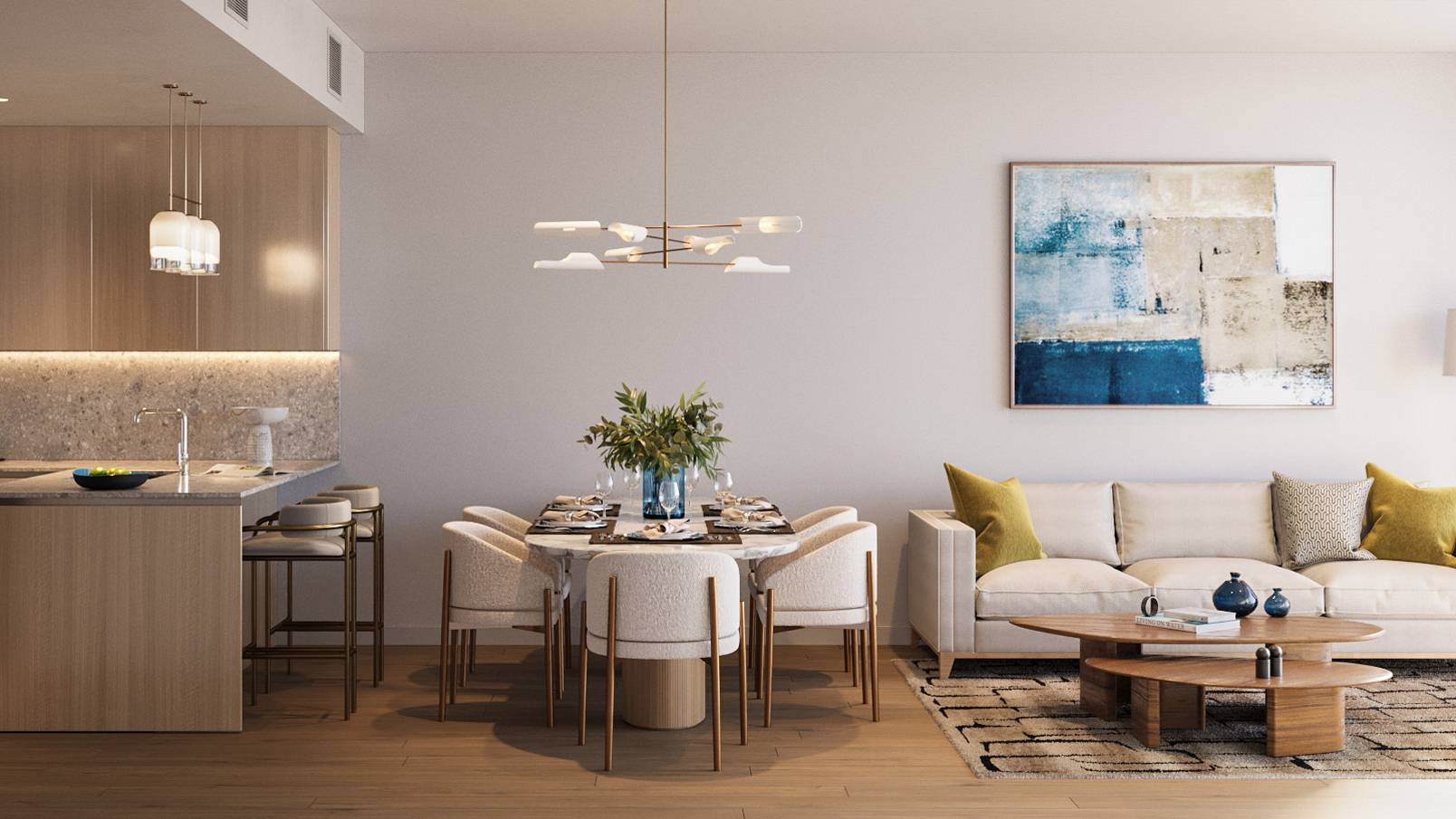
The most compelling homes for collectors often begin with restraint. Mr. C Residences West Palm Beach is framed here as a candidate for owners who want refinement rather than excess. That distinction matters. A branded residence can sometimes overwhelm personal taste with too much identity, while a more understated palette may give owners room to layer photography, sculpture, paintings, rare books, ceramics, and collectible furniture.
For designers, neutral luxury finishes can operate as a client-ready canvas. The question is not simply whether the residence looks finished on day one. It is whether the base architecture can accept a specific vision without resistance. Wall availability, ceiling height, lighting adaptability, material tone, and the relationship between public and private rooms all shape how successfully an interior can be customized.
This is where branded residences can be particularly attractive to a certain buyer profile. Service, presentation, and consistency are built into the residential idea, while the interiors still need to leave space for personal expression. In the broader South Florida design conversation, buyers may compare the service-forward tone of Mr. C with other branded or design-conscious properties such as Cipriani Residences Brickell or Casa Bella by B&B Italia Downtown Miami, each appealing to clients who treat a residence as both private retreat and design statement.
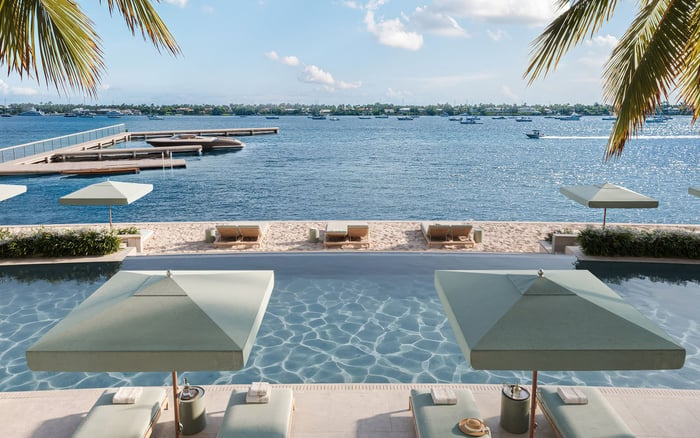
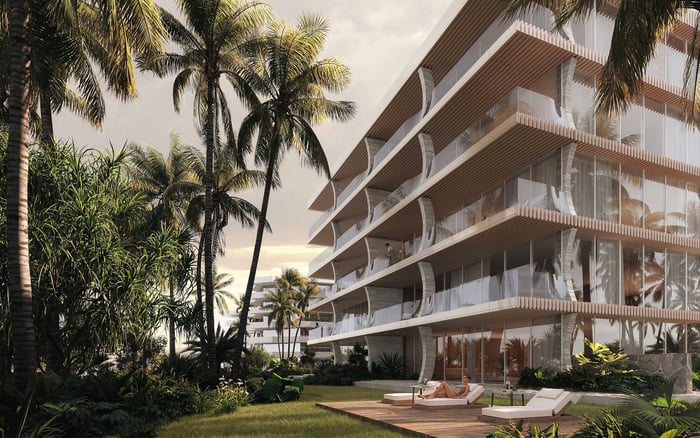
Water views and generous glazing can create rooms with cinematic atmosphere, especially for designers who understand how daylight moves across surfaces. Natural light can make interiors feel alive, revealing texture in stone, linen, plaster, bronze, and wood.
For art collectors, however, that same quality requires discipline. Strong light exposure can be beautiful for living but complicated for works on paper, textiles, photography, and sensitive pigments. Buyers should think early about UV control, window treatments, lighting scenes, and placement strategies. A dramatic waterfront living room may be ideal for sculpture, collectible seating, or robust contemporary work, while more sensitive pieces may belong in controlled corridors, bedrooms, studies, or interior-facing walls.
The point is not to avoid glass or views. It is to plan for them. The best collector residences in South Florida balance openness with protection, using shades, films where permitted, layered artificial lighting, and careful rotation of works. In West Palm Beach, where light is part of the luxury, the most successful interiors will likely be those that treat it as a material to be edited, not merely enjoyed.
A globally mobile collector often needs more than a beautiful living room. They need dependable systems around the home. Hospitality-style services can help with practical art-ownership needs such as receiving shipments, coordinating installer access, arranging vendor appointments, and managing the small but consequential details that arise when an owner is abroad or at another residence.
Designers may find a similar advantage. Installations rarely happen in one perfect day. They involve deliveries, protection, punch-list work, lighting adjustments, art hanging, accessory placement, and client presentations. A service-rich environment can make that process more controlled, provided building protocols, elevator access, loading logistics, and insurance requirements are understood in advance.
This is especially relevant for buyers who use South Florida as a seasonal or second-home market. A residence that can be managed while the owner is away has value beyond convenience. It can protect the integrity of an interior scheme and reduce the friction that often comes with high-touch ownership.
West Palm Beach is compelling for buyers who want proximity to Palm Beach lifestyle patterns while remaining in an evolving downtown and waterfront residential scene. For collectors, that can mean a base where private dinners, studio visits, design meetings, and gallery-oriented weekends feel natural rather than overly programmed.
The city’s luxury pipeline also gives buyers a way to calibrate taste. Someone considering Mr. C may also look at Alba West Palm Beach for another expression of waterfront living, or Forté on Flagler West Palm Beach for a different West Palm Beach perspective. These comparisons are useful not because every building serves the same buyer, but because collectors tend to be unusually specific. They notice light, approach, arrival sequence, wall rhythm, and how a room might receive a work long before they discuss finishes.
For designers advising clients, the recommendation should be based on use pattern as much as aesthetics. Is the owner in residence for several months, or for long weekends? Will the home hold a meaningful collection, or rotate key works seasonally? Will entertaining happen mostly inside the residence, or across shared lounges, dining-oriented environments, pool areas, and private clubs? Mr. C’s amenity and service model may suit buyers who want the residence to support a social life around art and design without requiring a large standalone estate staff.
Mr. C Residences West Palm Beach should not be treated as a purpose-built art-storage facility unless a buyer independently verifies the specific infrastructure they need. Museum-level collectors should review climate stability, humidity control, HVAC zoning, security protocols, glass performance, lighting allowances, storage options, insurance requirements, and procedures for large-format deliveries.
Elevator and loading logistics deserve special attention. Oversized canvases, stone works, fragile design objects, and crated pieces can be unforgiving. A residence may look ideal on a floor plan yet become challenging if turns, ceiling clearances, or service access are tight. Serious buyers should involve an art adviser, installer, conservator, or designer early enough to influence decisions before closing or build-out.
For many owners, the building’s likely appeal is not that it solves every conservation issue automatically. It is that it may provide a polished, managed, lock-and-leave setting where the right professional team can create a highly personal environment with less operational drag.
The best fit may be the collector who values elegance over spectacle, service over excess, and a waterfront West Palm Beach base that can be lived in gracefully while supporting a serious design life. It may also suit designers seeking a refined shell for clients who want hospitality, privacy, and adaptable interiors without moving into a residence that already says too much.
In that sense, Mr. C Residences West Palm Beach is less about declaring itself an art building and more about offering conditions that art-minded residents often appreciate: calm palettes, strong views, service infrastructure, social amenity space, and a setting connected to the city’s cultural momentum.
Is Mr. C Residences West Palm Beach marketed as an art-specific building? It is better understood as a branded luxury residence that may suit art-minded owners, not as a dedicated art-storage or museum-grade facility.
Why might collectors like the building? The combination of service, waterfront orientation, and understated interiors may work well for owners who want a refined base for living with art.
What should art buyers verify first? They should review light exposure, humidity control, HVAC zoning, security, insurance rules, and elevator or loading logistics.
Can waterfront views be a problem for art? They can be if sunlight is unmanaged, so UV control, shades, and thoughtful placement should be part of the design plan.
Why might designers find the residences useful? Neutral finishes and a service-rich setting can make installations, deliveries, and client-specific interiors easier to coordinate.
Does the Mr. C brand matter for owners who travel often? Yes, the branded-service model may appeal to lock-and-leave buyers who need practical support while away.
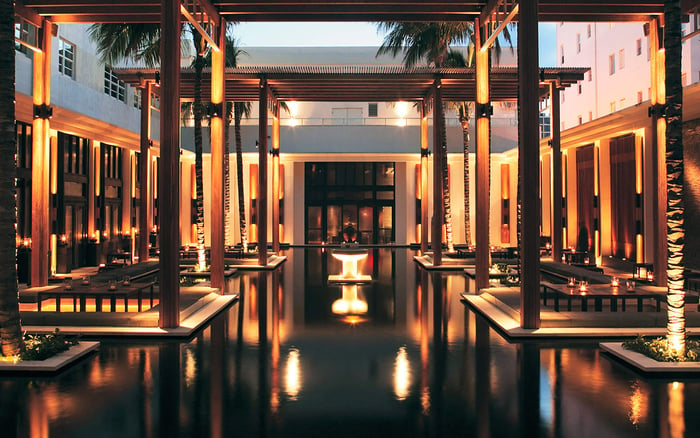
Are amenity spaces relevant to collectors? Shared lounges, pool areas, and dining-oriented environments can support entertaining around art, design, and social occasions.
Should museum-level collectors add supplemental planning? Yes, highly sensitive collections may require added climate, lighting, storage, and conservation guidance.
How does West Palm Beach support this buyer profile? The city offers a cultural and design setting with proximity to Palm Beach lifestyle patterns.
What is the best way to shortlist comparable options for touring? Start with location fit, delivery status, and daily lifestyle priorities, then compare stacks and elevations to validate views and privacy.
If you'd like a private walkthrough and a curated shortlist, connect with MILLION.
If branded residences are on your mind — as a home or as an allocation — we would be glad to share what we are seeing, privately.
Begin a quiet conversation