A practical, discreet buyer’s guide to evaluating milestone inspection history, repair follow-through, reserves, board transparency, and long-term ownership risk before purchasing a luxury condominium on Brickell Key.
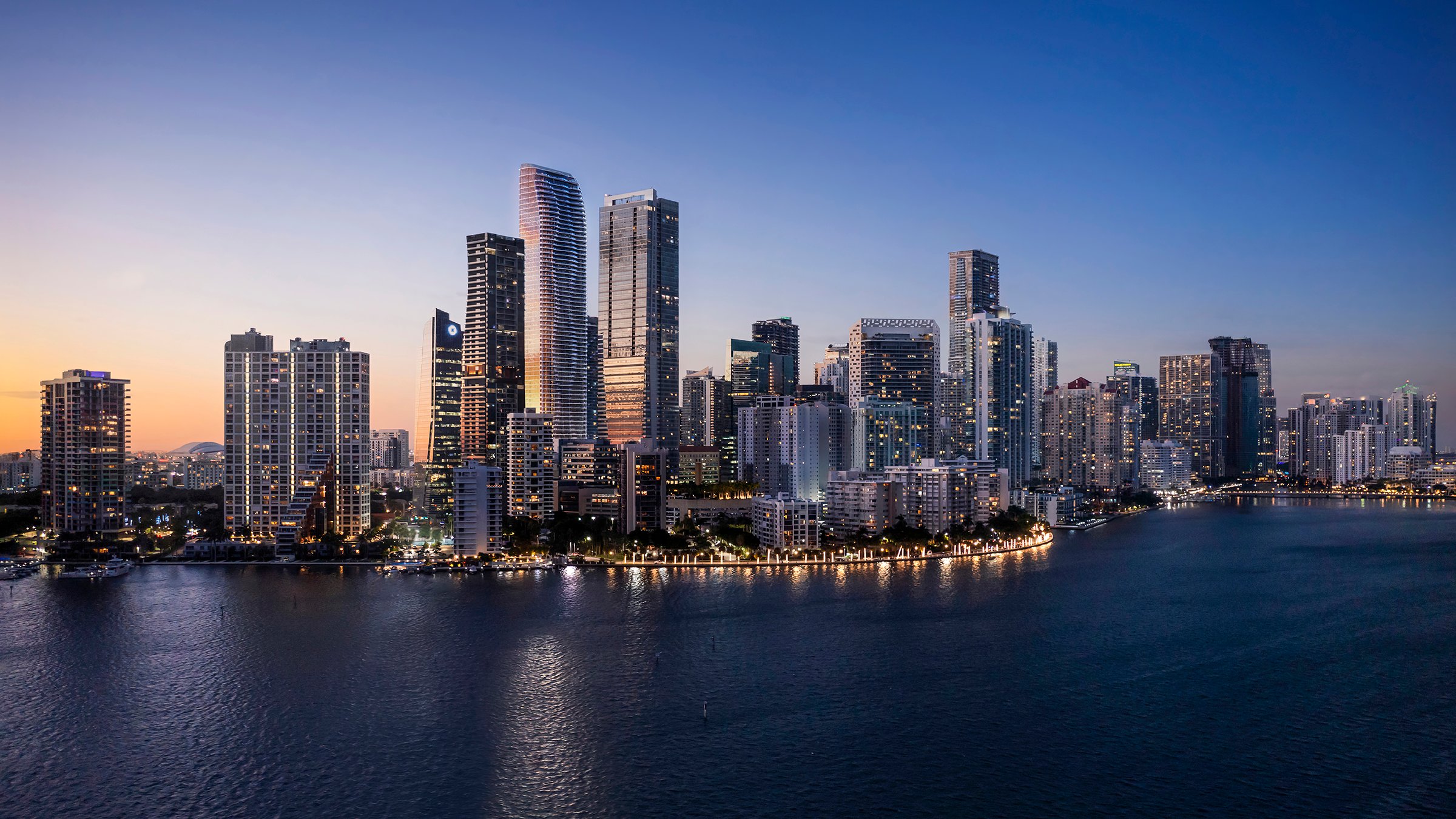
Brickell Key has always appealed to a particular buyer: globally mobile, waterfront-minded, privacy-conscious, and attuned to the difference between prestige and permanence. A residence may offer a cinematic bay view, a gracious balcony, valet discretion, and immediate access to Brickell, yet the most consequential questions often sit in the document room rather than the sales gallery.
Milestone inspection history belongs at the center of that conversation. For a luxury condominium buyer, it is not merely a technical file. It is a record of how a building has been observed, maintained, funded, and governed over time. On an island setting, where waterfront exposure, salt air, wind, humidity, and intensive building systems are part of daily life, a polished lobby is only one part of the story.
The right inquiry is not, “Did the building pass?” A more sophisticated question is, “What did the inspection reveal, what was recommended, what was completed, what remains open, and how has the association planned for the next cycle?” That is the difference between buying a view and buying durable confidence.
Before making an offer on Brickell Key real estate, ask for the full milestone inspection timeline, not a verbal summary. A luxury buyer should request the inspection report, follow-up letters, engineering correspondence, board responses, repair scopes, applicable permits, completion documentation, and any current maintenance plans tied to the findings.
The sequence matters. A report may identify items for observation, repair, further review, or ongoing maintenance. What matters is how the association responded. Was there a defined repair plan? Were professionals engaged promptly? Were owners updated clearly? Did the board treat the inspection as a compliance exercise or as a long-range asset-management tool?
Ask whether any material recommendations remain unresolved. If so, ask why. A pending item is not automatically a reason to walk away, but it must be understood before price, financing, insurance, and closing expectations are finalized. In a high-value purchase, ambiguity is the true cost.
Luxury buyers sometimes read repair histories as inherently negative. In practice, completed work can be reassuring when it is documented, funded, and professionally managed. A building that identifies issues, acts decisively, and preserves records may be stronger from an ownership perspective than one that offers only vague assurances.
The key is to separate normal capital stewardship from deferred maintenance. Ask whether repairs were preventive, corrective, or urgent. Ask how the work was funded, whether it required special assessments, and whether future assessments are being discussed. Ask whether the work affected common areas, structural components, parking areas, mechanical systems, balconies, pool decks, seawalls, or other shared assets.
This is especially important for resale buyers. In a mature condominium, the purchase price is only one part of the economic picture. The balance sheet, reserve posture, insurance profile, board discipline, and inspection record all influence the real cost of ownership. A beautiful apartment inside an underprepared association can become an expensive surprise.
Brickell Key often competes with new and newer luxury offerings across the bridge in Brickell proper. That comparison should be more than aesthetic. A buyer weighing island serenity against a tower such as The Residences at 1428 Brickell should compare not only floor plans and amenity programming, but also the transparency of building documentation and the projected maintenance burden.
The same applies when considering branded or hospitality-influenced residences. A purchaser looking at St. Regis® Residences Brickell may find a different ownership profile from a long-established Brickell Key condominium, particularly around new-building systems, initial governance, warranty expectations, and association turnover. New construction does not eliminate due diligence. It changes the questions.
For buyers who love the waterline but want contemporary systems, comparing Brickell Key inventory with Una Residences Brickell or Baccarat Residences Brickell can clarify priorities. Some buyers will value the island’s privacy and established rhythm. Others will prefer a newer vertical lifestyle. In either case, milestone inspection thinking remains useful because it trains the buyer to look beyond finishes and ask how the building will perform over time.
Discretion is important, but precision is essential. Ask your representative to put inspection-related questions in writing before the inspection period becomes compressed. The answers should be reviewed alongside condominium documents, meeting minutes, budgets, reserve information, insurance materials, and any disclosed assessment history.
Start with the obvious: Has the building completed any milestone inspection process applicable to it? If yes, request the full report and all related follow-up. If no, ask whether one is anticipated, budgeted, scheduled, or under discussion. Ask whether any engineering evaluations have occurred outside a formal milestone framework. Many buildings commission studies for façades, balconies, garages, roofs, waterproofing, or mechanical systems even when those studies are not described in casual marketing language.
Then move from documents to governance. How did the board communicate findings to owners? Were meetings held? Were reserves adjusted? Were repairs competitively bid? Were professionals retained for oversight? Were timelines met? A well-run association usually has a paper trail that feels orderly, not evasive.
Finally, connect the answers to your economics. If repairs are planned, how might they affect cash flow, access, noise, amenity use, rental flexibility, or resale timing? For an end user, the issue may be lifestyle interruption. For an investment buyer, it may be carrying cost and exit liquidity. For a seasonal owner, it may be remote coordination and proxy voting. These are not minor details at the upper end of the market.
A strong response is calm, specific, and document-backed. It does not overpromise. It identifies what was reviewed, what was found, what was completed, what is ongoing, and who is responsible. It can explain funding without defensiveness and provide board materials without delay.
A weak response relies on atmosphere: “Everyone knows the building is fine,” “the board handled it,” or “there is nothing to worry about.” In luxury real estate, comfort should be earned through documentation. The best buildings understand that sophisticated buyers are not being difficult when they ask for inspection history. They are acting like long-term stewards of an expensive asset.
This is why inspection history belongs in MILLION Buyer’s Guides. Brickell buyers are not only purchasing square footage, views, and services. They are purchasing confidence in the structure behind the lifestyle, and confidence is built from records.
What is milestone inspection history? It is the building’s record of formal inspection activity, related findings, recommended work, board responses, repairs, and follow-up documentation.
Should I ask for the full report or just a summary? Ask for the full report and related follow-up materials. Summaries can miss important nuance around timing, scope, and unresolved items.
Does a repair history mean I should avoid the building? Not necessarily. Documented, completed repairs can show responsible stewardship, while vague or delayed responses deserve closer review.
What if the association says there are no open issues? Ask for documents that support the statement. In luxury due diligence, a clear paper trail is more valuable than reassurance.
How does this affect negotiation? Inspection history can influence price, credits, contingencies, assessment risk, closing timing, and your comfort with long-term ownership.
Should new construction buyers care about milestone thinking? Yes. Newer buildings require different questions, including warranties, association turnover, maintenance planning, and future reserve discipline.
What documents should I review with counsel? Review inspection reports, board minutes, budgets, reserves, insurance materials, assessment notices, repair contracts, and association correspondence.
Can milestone history affect financing or insurance? It can influence how a buyer, lender, or insurer views building risk. Discuss any material findings with qualified advisors early.
Is Brickell Key different from mainland Brickell? The island setting adds lifestyle appeal and waterfront exposure. Buyers should weigh privacy, views, governance, and maintenance history together.
When should I ask these questions? Ask before the contract period becomes tight. The earlier the document review begins, the more leverage and clarity you preserve.
For a confidential assessment and a building-by-building shortlist, connect with MILLION.
If branded residences are on your mind — as a home or as an allocation — we would be glad to share what we are seeing, privately.
Begin a quiet conversation