A buyer-focused analysis of Bay Harbor Towers, examining waterfront value, modernization, carrying costs and the depth of future resale demand in Bay Harbor Islands.
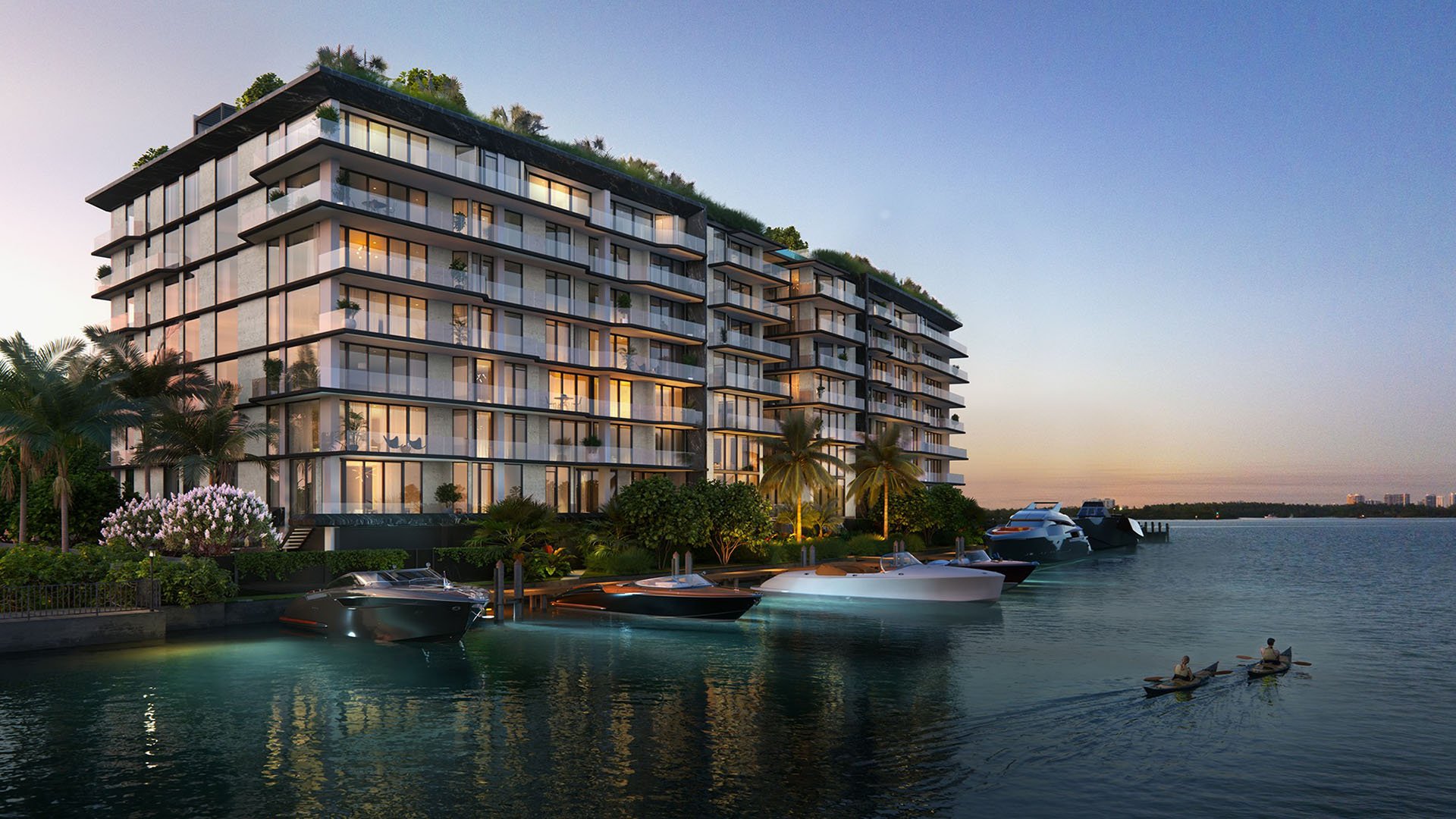
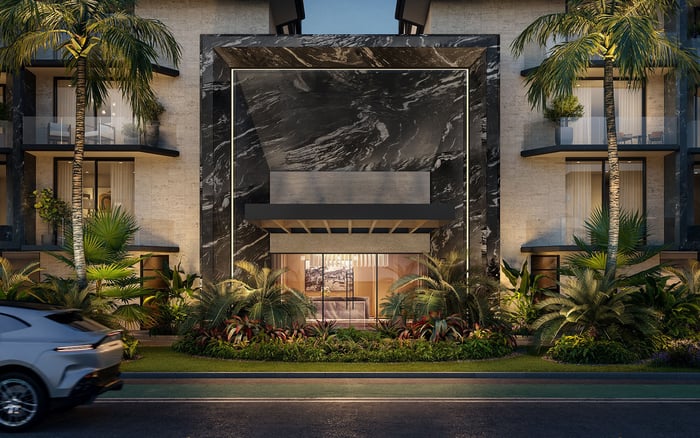
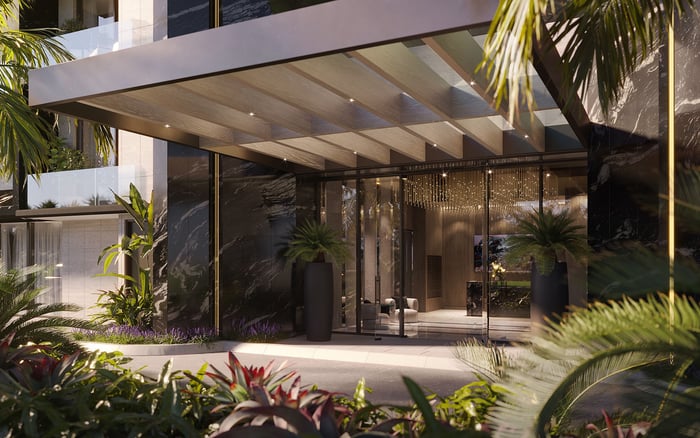
For a buyer studying Bay Harbor Islands with patience rather than urgency, Bay Harbor Towers presents a specific proposition: a legacy bayfront building whose long-term resale story is not driven by novelty alone. Its appeal sits in the more nuanced territory of waterfront setting, relative value, building maturity, and the ability of individual residences to feel current within an established shell.
That distinction matters. In South Florida’s luxury condo market, the strongest resale narratives are rarely built on a single feature. They are built on a sequence of arguments a future buyer can understand quickly: where the building sits, what lifestyle it offers, how predictable the cost structure feels, and whether the residence itself compares well against newer inventory. For Bay Harbor Towers, the conversation begins with the bay, but it does not end there.
The building’s buyer depth is likely to come from sophisticated domestic and international purchasers comparing waterfront value, ownership costs, and modernization needs across a tight geographic field. They are not simply buying “Miami demand.” They are deciding whether a legacy bayfront address in Bay Harbor Islands can offer stability, convenience, and value when measured against newer boutique alternatives nearby.
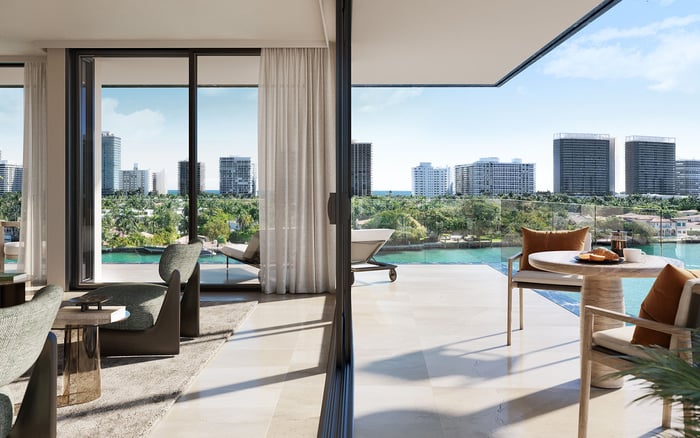
Bayfront positioning remains the cleanest resale language for Bay Harbor Towers. A water view is easy for buyers to understand, difficult to replicate, and often more emotionally persuasive than amenity rhetoric. In a neighborhood where boutique development has elevated expectations, the waterfront setting gives the building an enduring point of relevance.
Still, waterfront value has to be framed carefully. The most compelling future presentation is not that Bay Harbor Towers is newer than its competitors, because it is not positioned that way. The stronger argument is that it offers a legacy bayfront foothold in a market where new luxury projects can reset buyer expectations and pricing conversations. That contrast can create opportunity for buyers who prefer location and view fundamentals over the immediate polish of new construction.
The building also benefits from its position between established luxury markets to the east and more emerging neighborhoods to the west. That geography gives Bay Harbor Islands a useful middle ground. It can appeal to buyers who want proximity to the prestige corridor of Bal Harbour and Surfside while retaining a quieter residential rhythm.
Resale performance at Bay Harbor Towers should be analyzed through a disciplined lens. The future buyer will care about more than the entry price. They will examine insurance costs, reserve requirements, capital work, and the interior condition of the unit being offered. This is where the investment conversation becomes less about quick appreciation and more about defensive ownership.
For a legacy condo, clarity matters. If post-recertification capital work is well managed and clearly communicated, future buyers can better understand what they are inheriting. If the cost structure feels opaque, even a strong bayfront setting can lose momentum during negotiations. Luxury buyers may respond emotionally at the first showing, but they become analytical before signing.
Owners preparing for resale should assume buyers will compare monthly obligations and anticipated building expenses with the perceived lifestyle benefit. A residence with a strong view, a polished interior, and a transparent building story has a better chance of standing out than a unit relying on location alone. In this sense, Bay Harbor Towers’ resale future depends partly on how owners and agents present waterfront value and stability as one coherent narrative.
Interior modernization is one of the most important variables for long-term competitiveness. A legacy bayfront building can attract attention, but the residence itself has to meet contemporary expectations. Buyers comparing Bay Harbor Towers with newer nearby projects may be willing to accept an older building profile if the interiors feel fresh, functional, and quietly luxurious.
The most persuasive updates are usually the ones that reduce friction. Clean kitchens, refined baths, improved lighting, efficient storage, and cohesive materials can help a residence feel aligned with current luxury standards. Overly personalized design can narrow the buyer pool, while restrained modernization can broaden it.
This matters because Bay Harbor Islands buyers are increasingly cross-shopping. A purchaser considering Alana Bay Harbor Islands or Onda Bay Harbor may still pause for a well-positioned legacy residence if the waterfront value is clear and the renovation burden feels manageable. The inverse is also true. A dated interior can turn a value proposition into a project, and not every luxury buyer wants a project.
Bay Harbor Towers’ long-term buyer pool is also supported by neighborhood convenience. Walkability to local amenities gives the building a broader lifestyle argument than view alone. For full-time residents, the ability to move through daily routines with ease can be as important as a dramatic outlook.
Family-oriented buyers add another layer to the demand picture. School access and neighborhood convenience are meaningful drivers for this group, especially when the buyer wants a residential setting without disconnecting from the wider Miami Beach and mainland luxury network. In Bay Harbor shorthand, the strongest appeal is not spectacle. It is the combination of calm, proximity, and practical livability.
That practicality can be powerful on resale. A second-home buyer may begin with the view, but a full-time buyer often asks more layered questions. Where will the family shop, dine, walk, and move through the week? How easy is it to reach adjacent luxury markets? Does the building feel stable enough for a long ownership period? These are the questions that deepen demand beyond a narrow investor pool.
Bay Harbor Towers should not be measured against broad Miami demand narratives alone. Its most relevant competition is nearby boutique luxury inventory, particularly projects that help shape expectations for design, service, finishes, and newness in Bay Harbor Islands. That makes comparison unavoidable, but not necessarily unfavorable.
Newer buildings may offer a different ownership profile, and buyers will weigh that carefully. Yet a legacy building with a compelling waterfront position can remain relevant if the pricing, interior condition, and building story align. The key is not to pretend the property competes on the same terms. It competes through a different thesis: established bayfront value, neighborhood stability, and a potentially more mature ownership environment.
That is why references to La Maré Bay Harbor Islands and The Well Bay Harbor Islands are useful in the buyer conversation. They help define the contemporary backdrop. Bay Harbor Towers’ strongest sellers will acknowledge that backdrop while emphasizing what cannot be newly manufactured in the same way: a specific waterfront placement and the value equation that comes with it.
The next chapter for Bay Harbor Towers will likely be shaped by presentation as much as by market mood. Sellers who lead with only square footage or view may miss the broader story. The stronger positioning is more complete: waterfront, walkability, school access, cost awareness, capital-work clarity, and modernized interiors.
For buyers, due diligence should be equally complete. A compelling residence should be reviewed for its physical condition, the building’s cost structure, reserve context, and any relevant capital planning. In a luxury market where polished marketing can sometimes blur differences, the best buyers will separate emotional appeal from ownership fundamentals.
That is not a negative reading of Bay Harbor Towers. It is precisely the framework that can make a legacy bayfront building attractive to the right audience. The buyer who understands cost, view, convenience, and modernization may see a more durable proposition than a buyer chasing novelty alone.
Bay Harbor Towers occupies a resale lane that is easy to underestimate and difficult to replace. Its future depth will depend on the continued relevance of Bay Harbor Islands, the building’s ability to manage capital needs, and the willingness of owners to keep interiors competitive. When those elements align, the building can speak to buyers seeking substance over flash.
The most resilient resale story is not about being the newest address in the neighborhood. It is about being legible to the next buyer. Bay Harbor Towers can be legible when presented as a bayfront legacy property with practical convenience, family appeal, and a clear ownership narrative. In a market increasingly shaped by boutique luxury, that clarity may be its most important asset.
What is the core resale thesis for Bay Harbor Towers? The thesis centers on bayfront value, neighborhood convenience, cost clarity, and the ability of residences to feel modern within a legacy building.
Who is the likely buyer for Bay Harbor Towers? The buyer pool includes sophisticated domestic and international purchasers comparing waterfront value, building costs, and modernization needs.
Why does the building’s age profile matter? Age influences buyer questions around capital work, reserves, insurance, and interior condition, all of which can affect negotiation strength.
How important are renovated interiors? Very important. Modern interiors can help a legacy residence compete more effectively with newer boutique luxury inventory nearby.
Does Bay Harbor Towers compete with new construction? Yes, but through a different lens. It competes on established waterfront value, convenience, and relative positioning rather than newness alone.
What role do insurance costs and reserves play? They are key pressure points because buyers evaluate not just purchase price, but also the predictability of long-term ownership costs.
Why does walkability support buyer depth? Walkability broadens lifestyle appeal by making daily routines easier for both full-time residents and seasonal owners.
Are family buyers relevant to the resale story? Yes. School access and neighborhood convenience can strengthen demand from family-oriented buyers seeking a calmer residential setting.
What should sellers emphasize when listing? Sellers should connect the waterfront setting with stability, updated interiors, transparent costs, and neighborhood convenience.
What should buyers examine before purchasing? Buyers should review interior condition, building expenses, reserve context, and any capital work that may shape future ownership.
For a tailored shortlist and next-step guidance, connect with MILLION.
If branded residences are on your mind — as a home or as an allocation — we would be glad to share what we are seeing, privately.
Begin a quiet conversation