A disciplined buyer’s framework for assessing real-world walkability, club and private dining privileges, and the qualities that can support long-term resale in Bay Harbor Islands.
Walkability in a luxury market is not simply a distance on a map. It is the quality of the entire journey: the building exit, sidewalk continuity, shade, crossings, traffic, noise, lighting, weather exposure, and the ease of returning with shopping bags or after dinner. A route that feels effortless one morning may feel markedly different during rush hour, after dark, or in summer rain.
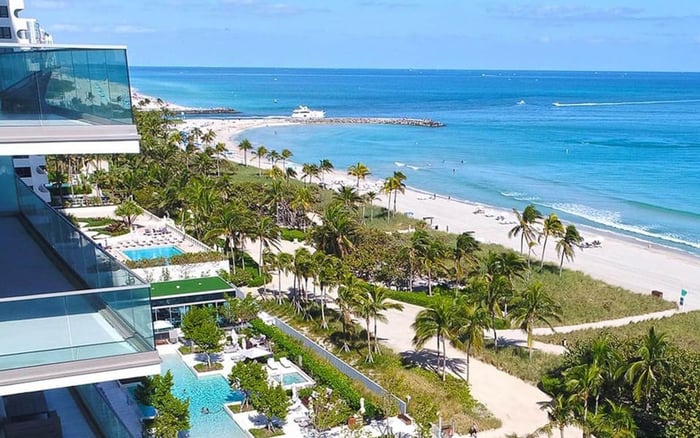
Begin by identifying the places that would genuinely shape ownership. These might include Kane Concourse, a preferred restaurant, Bal Harbour, Surfside, the beach, or a private club. Then walk every relevant route in both directions at several times of day. Time each journey, but also note where it becomes unpleasant, indirect, or dependent on a car.
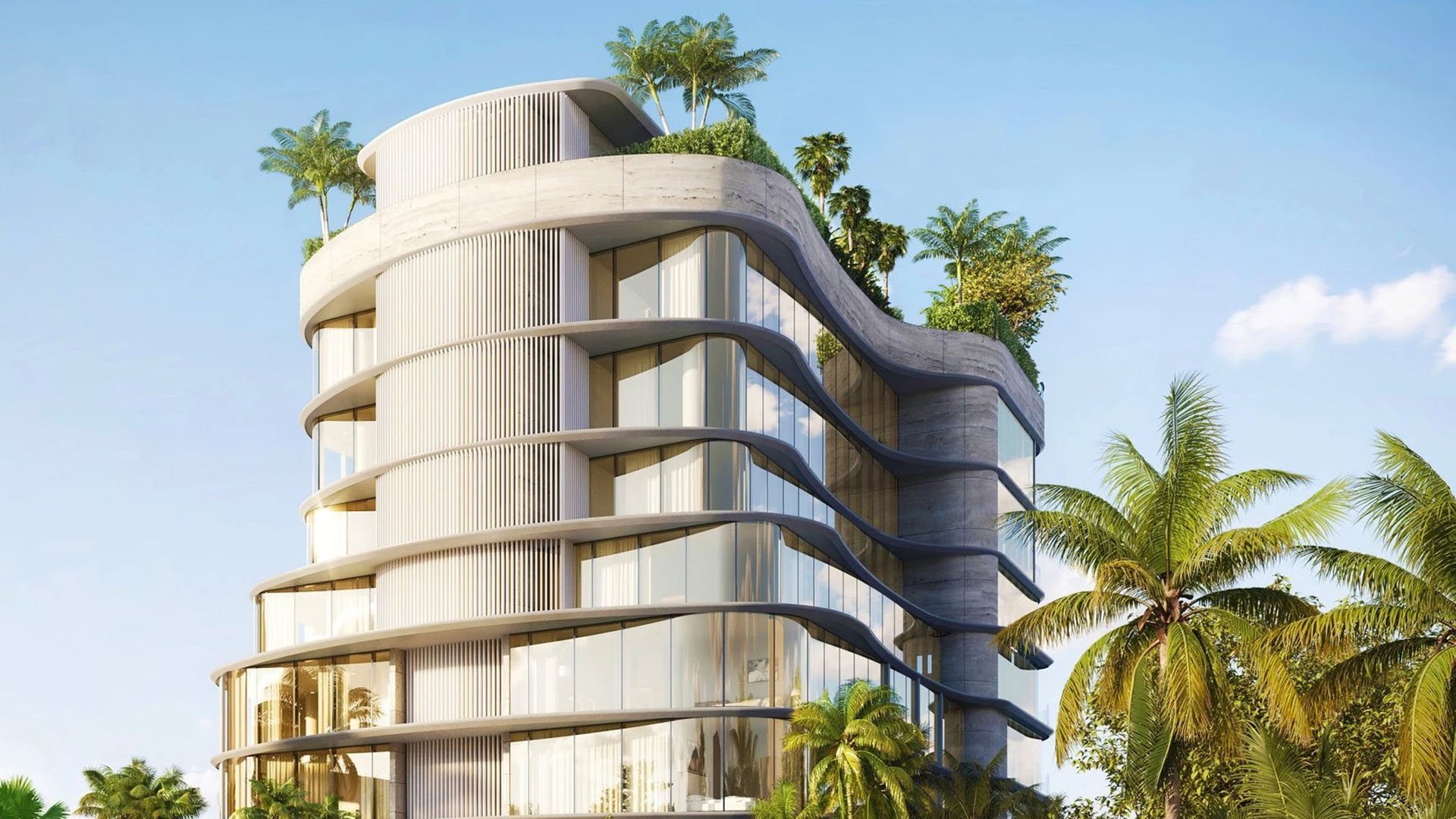
Repeat this exercise from the exact building entrance, not a nearby intersection. When comparing Alana Bay Harbor Islands with other candidates, the useful question is not which address appears closest. It is which front door creates the most comfortable, repeatable daily experience.
A nearby hotel, club, spa, or dining room can enrich a lifestyle, but proximity does not establish access. Buyers should distinguish among public availability, paid membership, invitation-only privileges, resident benefits, and access arranged through a third party. Each category carries a different degree of certainty.
Request current written terms covering eligibility, initiation costs, recurring fees, guest rules, reservation priority, blackout periods, minimum spending, and cancellation rights. Confirm whether a privilege belongs to the owner, the unit, the building, or an outside membership. If access is central to the purchase, determine whether it can transfer at resale and whether its continued availability is contractually protected.
Private dining deserves the same scrutiny. A room may exist without offering priority tables, broad operating hours, or practical guest access. Buyers considering The Well Bay Harbor Islands should assess any desired wellness, club, or dining experience through the governing documents and current written terms-not assumptions based on branding or location.
A few blocks can alter natural light, outlook, road exposure, and the quality of a walk. Visit the residence itself, then stand in the principal rooms with windows and doors both open and closed. Listen for traffic, service activity, mechanical equipment, boats, and neighboring construction. Return in the evening to assess lighting, privacy, and the arrival experience.
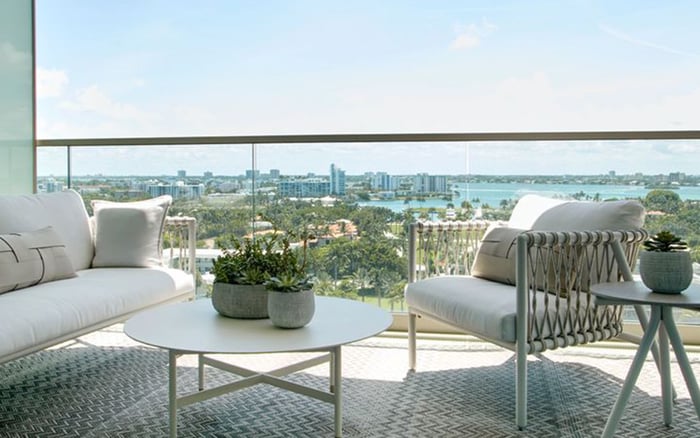
For a waterfront home, study more than the broad view. Consider the unit’s orientation, neighboring parcels, balcony usability, potential obstructions, and the distinction between a protected outlook and one that depends on today’s surroundings remaining unchanged. At Onda Bay Harbor and La Maré Bay Harbor Islands, as with any waterfront candidate, the analysis should be specific to the selected residence and line.
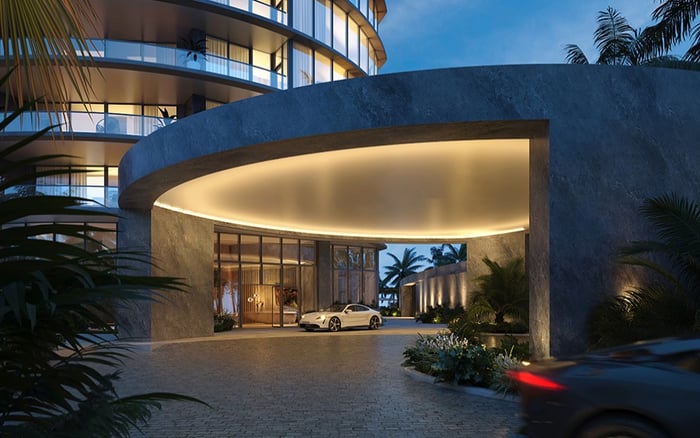
The arrival sequence matters as well. Walk from the parking area to the lobby, test guest entry and deliveries, and note how pedestrians interact with vehicles. Boutique scale may feel discreet, but buyers should still examine staffing, service resilience, and the distribution of shared costs.
Lifestyle appeal and investment quality can overlap, but they are not interchangeable. Build a resale scorecard independent of personal enthusiasm. Include construction quality, maintenance history, reserves, insurance, governance, recurring charges, planned work, rental rules, floor-plan efficiency, parking, storage, light, privacy, view durability, and the breadth of the likely future buyer pool.
Review the condominium documents, financial materials, meeting records, engineering information, and insurance position with qualified advisers. The objective is not merely to identify a problem. It is to understand whether ownership costs and restrictions could narrow demand or compel a future buyer to seek a discount.
Resale liquidity often benefits from qualities that are easy to articulate: a functional plan, credible building stewardship, attractive light, manageable carrying costs, and a location that works without elaborate justification. Bay Harbor Towers can be placed in the same comparative matrix as newer alternatives, with every candidate judged on its own documents, residence-specific attributes, and expected exit audience.
Use four columns: daily mobility, verified privileges, property fundamentals, and exit appeal. Weight them according to intended use, but require a minimum score in every category. A second home may place greater emphasis on services, while a primary residence may prioritize routine walkability. Neither use case should excuse weak governance or an awkward unit.
Price privileges separately. Assign no permanent resale value to a club or dining benefit that can be withdrawn, repriced, or denied to a future purchaser. Conversely, do not dismiss a strong residence because a desired venue requires a separate membership. Treating the home and the privilege as two distinct decisions prevents lifestyle enthusiasm from obscuring durable value.
Before making an offer, repeat the walks, reconfirm access terms, and compare total ownership costs under more conservative assumptions. The strongest purchase is not necessarily the residence with the longest amenity description. It is the one whose everyday convenience, documented access, and physical fundamentals remain compelling when considered independently.
How should a buyer test walkability in Bay Harbor Islands? Walk each important route from the exact entrance during daytime, rush hour, and evening, noting crossings, shade, noise, and comfort.
Is a short mapped distance enough to call a residence walkable? No. Route quality, weather exposure, traffic, and the arrival experience can matter as much as time or distance.
Does proximity to a private club guarantee entry? No. Eligibility, fees, guest policies, and reservation rights should be confirmed directly in current written terms.
What should be verified about private dining access? Confirm who may reserve, priority rules, operating periods, guest limits, minimum spending, and whether access can change.
Can club access increase resale value? It may support appeal, but buyers should assign limited durable value unless the privilege transfers and is contractually protected.
Why does the exact unit line matter? Orientation, light, privacy, noise, and view exposure can differ materially within the same property.
What building records deserve close review? Examine financials, reserves, meeting records, engineering materials, insurance, planned work, and governing documents with advisers.
How should carrying costs enter the decision? Compare current charges and plausible future obligations with the services received and the likely expectations of future buyers.
Should buyers favor new construction for resale? Not automatically. Compare design, execution, governance, costs, and residence-specific qualities rather than relying on age alone.
What is the best final test before making an offer? Revisit the routes, verify every valued privilege, and confirm that the property remains attractive without optional access benefits.
For a discreet conversation and a curated building-by-building shortlist, connect with MILLION.
If branded residences are on your mind — as a home or as an allocation — we would be glad to share what we are seeing, privately.
Begin a quiet conversation