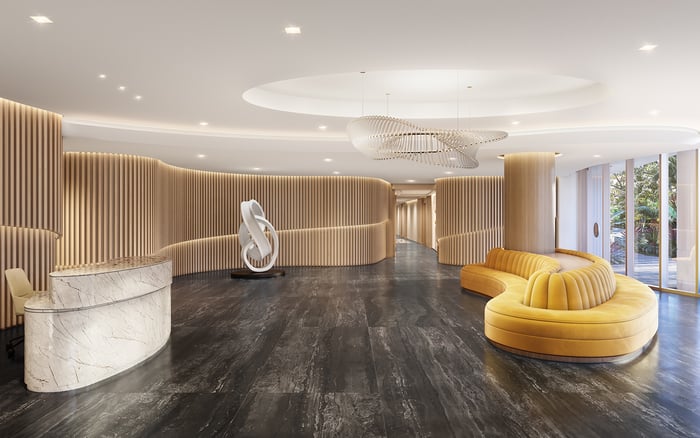
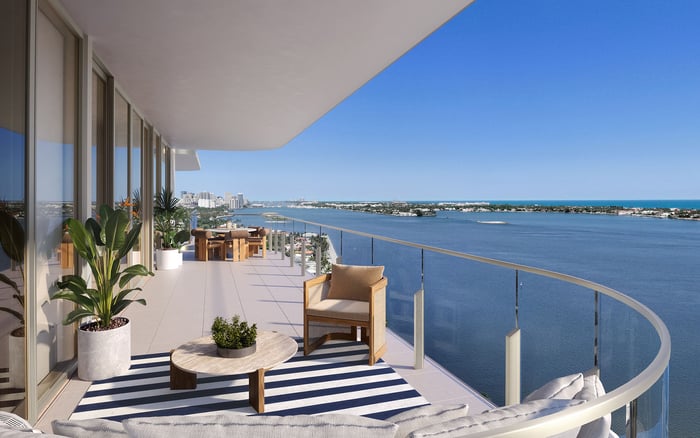
For collectors considering a new or vertical Palm Beach residence, art planning belongs at the beginning of due diligence. Storage, lighting, climate strategy, delivery logistics, and building rules should be reviewed as one coordinated brief before a buyer commits.
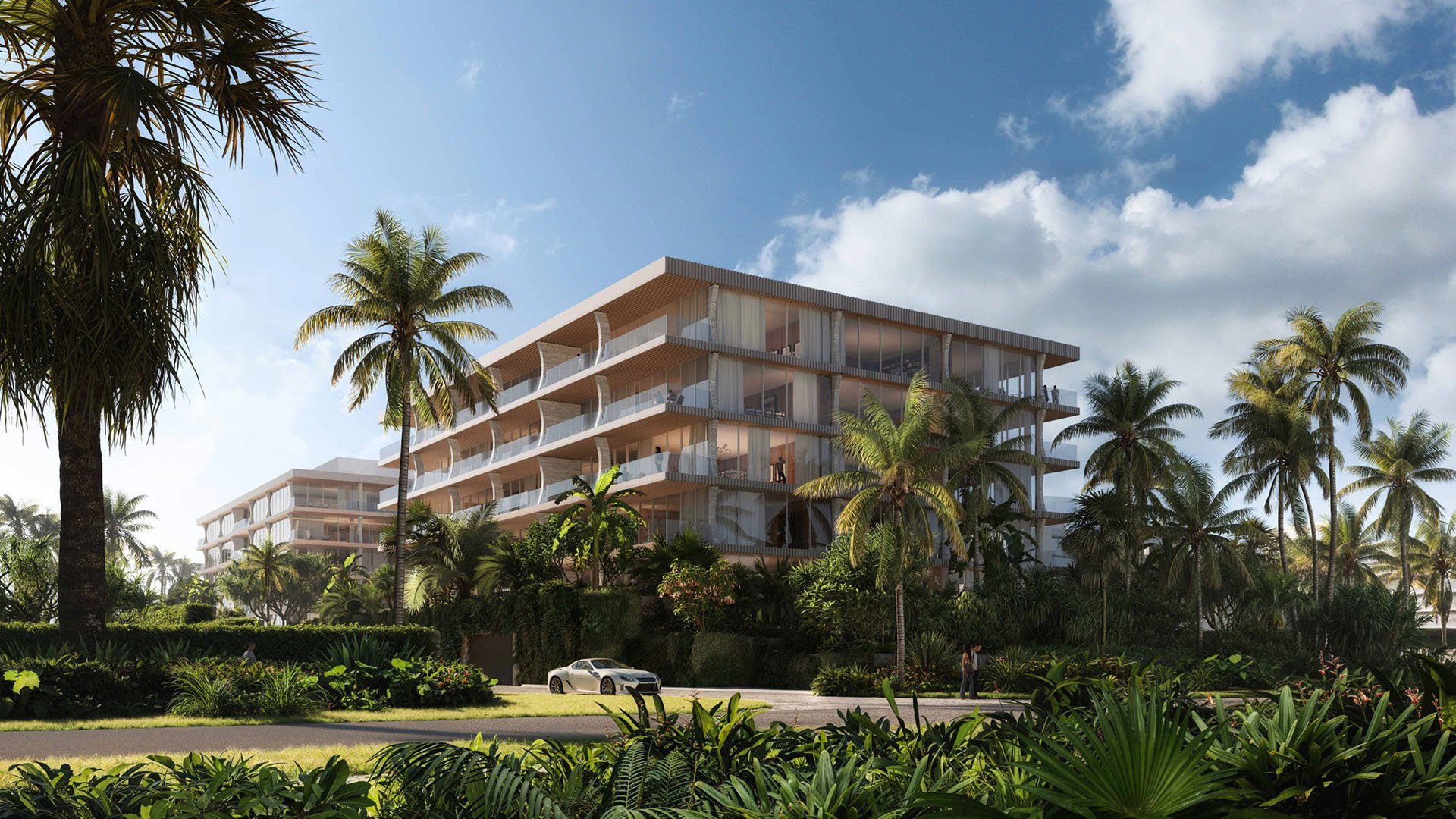
A significant art collection changes how a buyer should assess a new residence. The questions extend beyond wall dimensions and visual appeal: Where will works wait between rotations? How will lighting be controlled? Which rooms may require a defined environmental strategy? How will installers move pieces from the arrival point to their final positions?
For a Palm Beach buyer, these considerations deserve attention before the residence plan is settled. The objective is not to turn a home into a gallery, but to preserve the ease and intimacy of residential living while giving the collection an appropriate operational framework.
This Buyer's Guide treats design and architecture, ownership rules, and collection care as one conversation. That approach is particularly useful when comparing new-construction options, a completed residence, or a waterfront home with a highly transparent interior.
Prepare a confidential inventory for the professionals who need it. Identify approximate dimensions, weight, media, preferred orientation, rotation plans, and any owner-defined handling conditions. Separate works intended for immediate display from those likely to remain in storage.
Then overlay the map on the proposed floor plan. Buyers reviewing Palm Beach Residences, for example, can use the project as a starting point for determining where display, staging, and storage fit within their purchasing brief. The relevant question is not whether a residence appears art-friendly, but whether the specific collection has a coherent place within it.
Storage is often treated as whatever space remains after closets, millwork, and service areas are assigned. A collector should reverse that sequence. Define the required capacity, access, internal arrangement, security expectations, and monitoring brief before approving built-ins or allocating secondary rooms.
Confirm that the proposed location allows comfortable movement of the largest stored work. Review door clearances, turning points, floor protection, shelving concepts, and the route between storage and display. If off-site storage remains part of the plan, determine what the residence still requires for short-term staging, unpacking, inspection, and rotation.
During a West Palm Beach search that includes Forté on Flagler West Palm Beach, buyers can make these questions part of an early unit review rather than a post-closing fit-out discussion.
An art-lighting brief should begin with the collection and the owner's way of life. Identify which works may need specialist guidance, which walls require flexibility, and where decorative lighting could conflict with the intended presentation. A lighting designer and art conservator can then define suitable criteria for each piece rather than applying a single treatment throughout the home.
Review daylight, electric light, controls, fixture locations, ceiling conditions, and likely furniture placement as one plan. Include evening scenes, entertaining settings, housekeeping requirements, and periods when the residence is unoccupied. Buyers considering Mandarin Oriental Residences, West Palm Beach can bring a room-by-room lighting schedule into the selection process and compare it with the residence under consideration.
The useful question is not simply whether a residence is air-conditioned. It is whether the proposed system, controls, monitoring, and operating plan can meet the collection criteria established by the buyer's specialists.
Request a plain-language explanation of zoning, sensor locations, control access, alarm notifications, service responsibility, and the intended response to an interruption. Ask how any dedicated art-storage condition would relate to the rest of the residence. The owner, conservator, mechanical consultant, interior designer, and building team should work from the same written brief.
This review can accompany consideration of The Ritz-Carlton Residences® West Palm Beach without assuming that any named project automatically satisfies an individual collection's requirements.
Vertical luxury introduces shared procedures that a single-family buyer may not encounter in the same form. Before contracting, seek clarity on delivery scheduling, loading access, elevator use, installer credentials, insurance requirements, work hours, protective measures, and approval steps for mounting or specialist improvements.
Walk the proposed delivery route with the dimensions of the largest work in hand. Review every threshold, turn, elevator opening, corridor, and temporary staging point. Where answers depend on future approvals, record that dependency rather than treating the matter as resolved.
Apply the same discipline to insurance coordination, security, remote monitoring, and emergency contacts. Each responsibility should have a named party, an approval status, and a next action.
Before moving forward with a purchase, assemble one concise file containing the collection map, preferred display plan, storage concept, lighting criteria, climate brief, delivery-route review, building responses, specialist comments, and unresolved items. Clearly distinguish confirmed provisions from buyer upgrades and assumptions.
This file gives counsel, designers, engineers, conservators, insurance advisers, and the sales team a common reference. It also allows the buyer to compare residences by readiness and adaptability, not presentation alone.
When should art planning begin? Begin during residence evaluation, before layouts, millwork, lighting, and mechanical decisions become difficult to revise.
Who should define collection-care criteria? Engage the buyer's art conservator and relevant design or engineering specialists to establish a collection-specific brief.
Is a large empty wall enough for important art? No. Review lighting, mounting approach, circulation, furniture placement, controls, and specialist requirements together.
Should storage be inside the residence? That depends on the collection and ownership plan. Compare in-residence capacity with secure off-site storage and staging needs.
What should buyers ask about lighting? Ask about daylight management, fixture flexibility, controls, ceiling conditions, and the criteria recommended for each work.
What belongs in the climate-control review? Include zoning, monitoring, alerts, service responsibility, interruption procedures, and any collection-specific operating criteria.
Why review the delivery route before purchase? It helps determine whether works can move through loading areas, elevators, corridors, turns, and thresholds under building procedures.
Which condominium rules matter to collectors? Review delivery reservations, installer requirements, work hours, insurance documentation, mounting approvals, and protective measures.
Can the interior designer handle the entire process? The designer can coordinate it, but collection care may also require conservator, lighting, mechanical, security, and insurance input.
What should be resolved before closing? Resolve critical feasibility questions and document remaining approvals, upgrades, responsibilities, timing, and costs with the appropriate advisers.
For a tailored shortlist and next-step guidance, connect with MILLION.
If branded residences are on your mind — as a home or as an allocation — we would be glad to share what we are seeing, privately.
Begin a quiet conversation