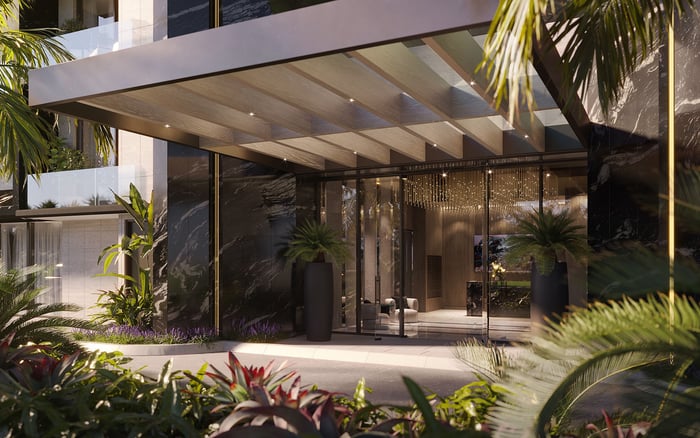
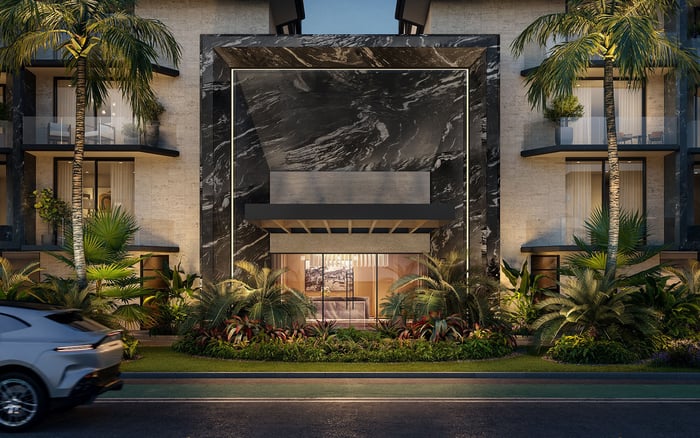
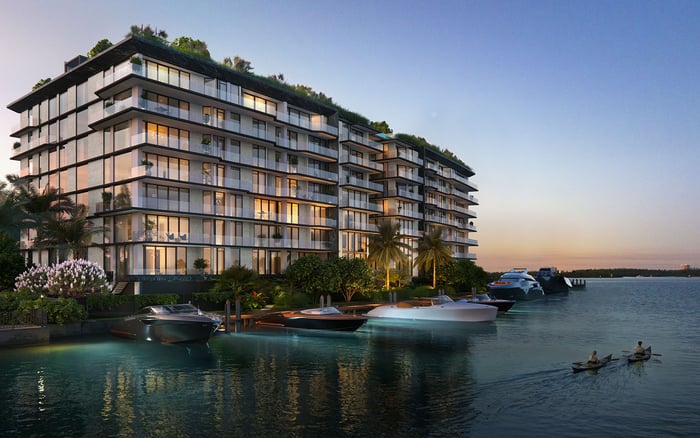
Bay Harbor Towers belongs in a resale-focused shortlist when buyers evaluate it through demand breadth, product clarity, future due diligence, and the practical question of how easily a specialized condominium can be understood by the next buyer.
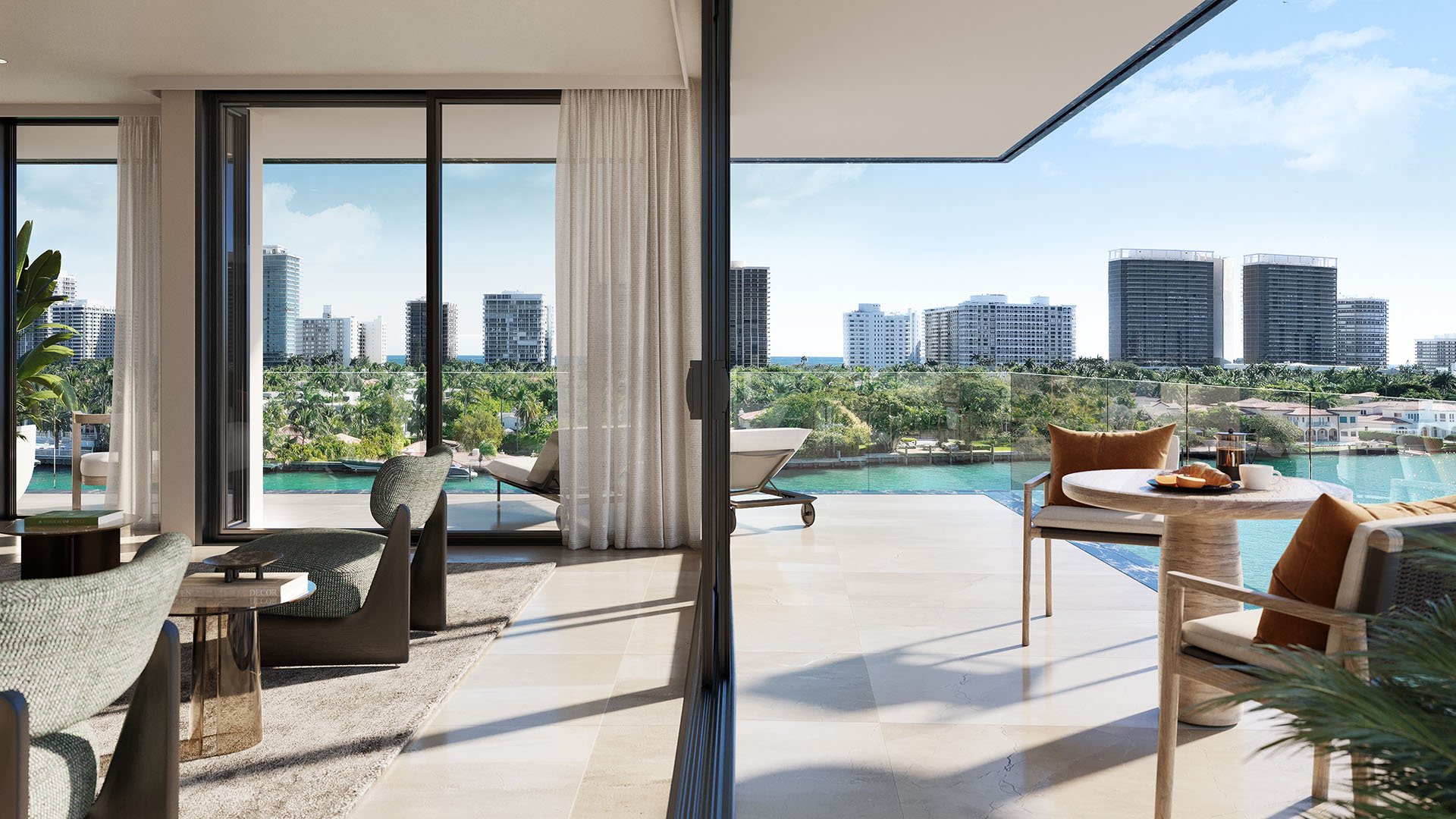
For luxury condominium buyers, resale liquidity is not a secondary consideration. It is part of the acquisition thesis. A strong purchase is rarely defined by appearance alone. It is defined by how many future buyers can understand it, desire it, finance it, and justify it when the time comes to sell.
That is the lens through which Bay Harbor Towers deserves attention. The key question is not whether a specialized building can be desirable. The better question is whether its specialization remains legible to a future buyer pool.
For purchasers who care about exit strategy as much as arrival experience, that distinction matters. A condominium can feel differentiated without becoming difficult to explain, and that clarity is central to any serious resale-liquidity analysis.
In South Florida, specialization can either help or hurt resale. A highly unconventional product may draw intense attention from a narrow audience, but it can also require the next buyer to share a very specific taste, ownership use case, or financial profile.
The more balanced scenario is a building that has identity without unnecessary friction. That means future buyers can understand what the property is, how it fits their lifestyle, and why it deserves comparison against other options in the same search set.
For Bay Harbor Towers, the shortlist argument rests on that balance. Resale-minded buyers should ask whether the building feels distinct enough to stand out while remaining practical enough for a future buyer to underwrite, inspect, finance, and close with confidence.
A resale-focused buyer should never evaluate one condominium in isolation. The more disciplined approach is to compare the building against other relevant choices, then ask which product is easiest to explain to the next buyer.
Within Bay Harbor Islands, buyers may compare boutique or luxury alternatives such as Onda Bay Harbor, Alana Bay Harbor Islands, and La Maré Bay Harbor Islands. The purpose of that comparison is not to declare one universal winner. It is to understand how each building’s positioning, buyer audience, and resale narrative differ.
A buyer may also look across nearby luxury markets and consider alternatives such as Rivage Bal Harbour. That broader context can help clarify whether Bay Harbor Towers is being chosen for the right reasons: fit, clarity, discipline, and a value proposition that a future buyer may also understand.
Liquidity is not only about desire. It is also about confidence. Future buyers need to understand what they are buying, how the building functions, and how the ownership profile fits their due diligence process.
That is why product clarity matters. A residence can be beautiful and still encounter resale friction if the building itself feels hard to evaluate. Conversely, a specialized condominium can remain compelling when its strengths are straightforward and its ownership considerations can be reviewed without confusion.
Bay Harbor Towers belongs on the shortlist for buyers who want to evaluate that kind of clarity. The proper analysis should include the specific residence, its condition, view quality, floor position, carrying costs, association documents, financing considerations, and recent comparable activity.
No buyer should treat any condominium as guaranteed liquidity. South Florida resale outcomes depend on market conditions, pricing discipline, building-specific details, and the quality of the individual residence being offered.
That is especially important when evaluating a specialized building. Specialization can create identity, but it does not remove the need for rigorous underwriting. Buyers should avoid relying on general reputation alone and should instead test the resale thesis against practical questions.
How broad is the likely future buyer pool? Is the residence easy to show and explain? Are the carrying costs aligned with the buyer segment most likely to pursue it later? Are comparable sales clear enough to support pricing expectations? These questions matter more than a simple label such as luxury, boutique, waterfront, or investment-oriented.
The best reason to shortlist Bay Harbor Towers is not a promise of instant resale. The better reason is that it can be evaluated through a disciplined framework: buyer breadth, product clarity, building familiarity, residence-specific quality, and future market comparability.
For a primary resident, the attraction may be long-term livability in a focused residential setting. For a second-home buyer, the appeal may be a manageable ownership proposition that does not require an overly complex explanation. For an investor, the question is whether future demand can extend beyond a single buyer profile.
That is the practical resale lens. Bay Harbor Towers should be judged not only by how it feels today, but by how persuasively it can be presented tomorrow.
Bay Harbor Towers is compelling for buyers who want a specialized building without abandoning resale discipline. Its strongest case is not that specialization automatically creates scarcity value, but that a clearly understood condominium can remain easier for future buyers to evaluate.
A smart buyer should compare alternatives, review current inventory, study relevant resale activity, and examine the exact residence with care. If the building’s positioning, condition, carrying costs, and buyer audience remain coherent after that review, Bay Harbor Towers deserves serious shortlist consideration.
Is Bay Harbor Towers automatically liquid because it is specialized? No. Specialization can help a building stand out, but resale liquidity still depends on pricing, buyer demand, due diligence, and market conditions.
Why should resale-focused buyers consider Bay Harbor Towers? It belongs in the conversation because buyers can evaluate it through product clarity, buyer breadth, and how easily a future purchaser may understand the offering.
Can a specialized condominium still appeal to a broad buyer pool? Yes, if its value proposition is clear and does not depend on a single narrow use case or buyer profile.
What should buyers compare Bay Harbor Towers against? Buyers should compare it with relevant Bay Harbor Islands options and nearby luxury alternatives to understand positioning, pricing, and resale narrative.
Does this article guarantee future resale performance? No. It identifies factors that may support a disciplined resale thesis, but no condominium purchase should be treated as guaranteed liquidity.
What due diligence matters most for a specific residence? Buyers should review condition, view quality, floor position, carrying costs, association documents, financing fit, and comparable sales.
Why does product clarity matter for resale? A future buyer is more likely to engage confidently when the building and residence are easy to understand, evaluate, and compare.
Should investors view Bay Harbor Towers differently from end-users? Investors should focus more heavily on future buyer depth, carrying costs, and comparable resale evidence, while end-users may also prioritize daily lifestyle fit.
How can a buyer avoid overpaying for a specialized building? The best safeguard is disciplined comparison with active inventory, recent transactions, residence condition, and realistic future resale assumptions.
What is the main shortlist takeaway? Bay Harbor Towers is worth evaluating when specialization, building clarity, and resale discipline all support the buyer’s acquisition strategy.
When you're ready to tour or underwrite the options, connect with MILLION.
If branded residences are on your mind — as a home or as an allocation — we would be glad to share what we are seeing, privately.
Begin a quiet conversation