A disciplined due-diligence framework for evaluating school logistics, daily travel, building security, and offer terms before purchasing a Key Biscayne luxury condominium.

A Key Biscayne condominium can be visually persuasive long before it is operationally proven. The more useful pre-offer question is not simply whether the residence suits the family, but whether the address supports the family’s actual week. School departures, office arrivals, household staff, guests, deliveries, after-school activities, and late returns should all be modeled before price dominates the conversation.
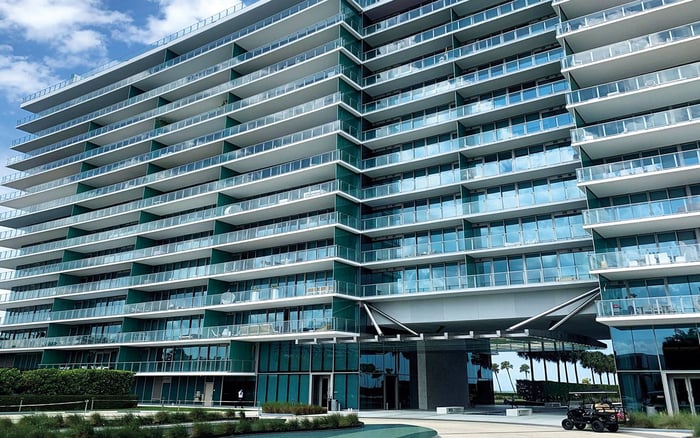
This is best approached as household due diligence. A buyer considering Oceana Key Biscayne, for example, should evaluate the residence alongside the routines that will begin and end there. The objective is not to find a universally perfect location, but to determine whether a particular home, building, and schedule work together with minimal friction.
Private-school selection and condominium selection should be tested together. Begin by asking each school about admissions timing, enrollment prerequisites, transportation options, arrival procedures, dismissal windows, sibling coordination, aftercare, and protocols for late pickups. Do not assume that acceptance, transportation, or a preferred schedule will align with the purchase timeline.
Then map the entire school day. Account for the elevator wait, garage departure, child handoff, possible sibling stops, extracurricular transitions, and the return home. A route that appears manageable in isolation may feel markedly different when repeated twice daily alongside work obligations.
Private-school planning should also identify who can reliably execute the routine. If a parent travels, can another adult access the building, retrieve a vehicle, receive the children, and enter the residence without improvisation? Ask management how caregivers, drivers, tutors, and recurring household personnel are registered and authenticated.
Families comparing alternatives might also review Ponce Park Coral Gables and Vita at Grove Isle to determine whether island living, another residential setting, or proximity to different daily priorities better serves the household.
Test the commute at the hours the buyer will actually travel. Conduct trial departures on relevant weekdays, during school arrival and dismissal periods, and around recurring professional commitments. Repeat the exercise in both directions. One favorable drive reveals little about the rhythm of a full week.
Create a simple schedule matrix covering school, office, airport departures, medical appointments, dining, sports, and household errands. Include realistic buffers for parking, valet retrieval, passenger loading, and building access. If two adults travel in opposite directions, evaluate both calendars rather than allowing one primary commute to define the decision.
Buyers with regular business in Brickell can use Una Residences Brickell as a point of comparison, not a presumed substitute. The useful question is which location reduces friction across the greatest number of nonnegotiable trips. Lifestyle preferences matter, but the weekly calendar should reveal their practical cost.
Test contingency plans as well. Ask what happens when a child is ill, a meeting runs late, a vehicle is unavailable, or a caregiver must take over. A resilient address is one the household can operate under imperfect conditions.
Security warrants a detailed conversation with management, followed by document review where appropriate. Ask how residents, guests, vendors, delivery personnel, contractors, household staff, and real estate professionals enter the property. Clarify whether credentials are individual, time-limited, revocable, and recorded, without requesting sensitive technical details that could compromise the building.
Review the entire sequence from property arrival to residence entry. Questions should cover garage controls, valet procedures, package handling, elevator access, visitor confirmation, key replacement, emergency communications, and protocols for vacant residences. For a second home, ask how management handles extended absences, authorized inspections, water events, and access requested by a representative.
Gated-community language should never be accepted as a complete answer. Distinguish perimeter control from lobby oversight, residential-floor access, unit-level systems, and staff training. Waterfront exposure may also shape questions about arrival points, common areas, and emergency procedures, but conclusions should follow a building-specific review rather than assumptions based on the setting.
Request clarity on privacy as well. Determine what resident information is retained, who may authorize entry, how household changes are processed, and how former employees or vendors are removed from access systems. The strongest discussion is calm, specific, and documented.
Before making an offer, organize open issues into three categories: matters resolved through documents, matters requiring professional inspection or legal review, and personal preferences that only a trial run can answer. This discipline prevents an attractive interior from eclipsing unresolved operational questions.
Ask for the current governing documents, relevant financial materials, insurance information, application requirements, move procedures, parking assignments, storage terms, pet rules, leasing restrictions, and disclosed assessments or projects, as applicable. Qualified legal, inspection, insurance, tax, and financial advisers should review matters within their disciplines.
When an answer materially affects the purchase, do not rely on a casual conversation. Use appropriate contingencies, written requests, and clearly defined deadlines with counsel. A refined offer is not merely competitive; it is structured around what the buyer must know, verify, or preserve before becoming obligated.
Should school research come before selecting a condominium? The two decisions should proceed together because admissions, schedules, and transportation can influence whether an address works.
How should buyers test a school commute? Drive the complete route on relevant weekdays at actual departure and return times, including building and parking delays.
Is one successful commute test sufficient? No. Repeat the journey under different routine conditions and test both directions before drawing conclusions.
What should families ask schools directly? Ask about admissions timing, arrival and dismissal procedures, transportation, aftercare, and authorized pickup rules.
What building access questions matter for caregivers? Clarify registration, credential duration, parking, elevator access, revocation procedures, and who may authorize changes.
How should a buyer evaluate condominium security? Review every layer from property arrival to unit entry, including guest, vendor, package, garage, and emergency protocols.
What deserves attention in a second-home purchase? Ask about extended-absence procedures, representative access, inspections, emergency notices, and responses to in-unit events.
Should verbal assurances influence an offer? Material assurances should be verified through documents, professional review, or appropriately drafted offer terms.
Which documents should counsel review? Request the governing, financial, insurance, application, parking, storage, leasing, and assessment materials relevant to the residence.
What is the best final pre-offer test? Run a full household week on paper, then identify every trip, handoff, access need, and unresolved dependency.
For a tailored shortlist and next-step guidance, connect with MILLION.
If branded residences are on your mind — as a home or as an allocation — we would be glad to share what we are seeing, privately.
Begin a quiet conversation