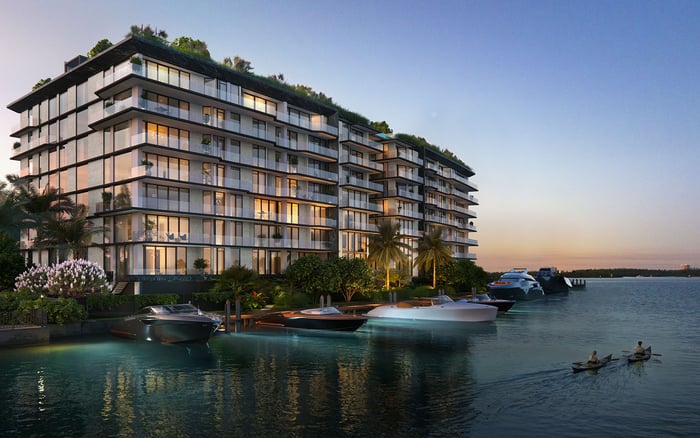
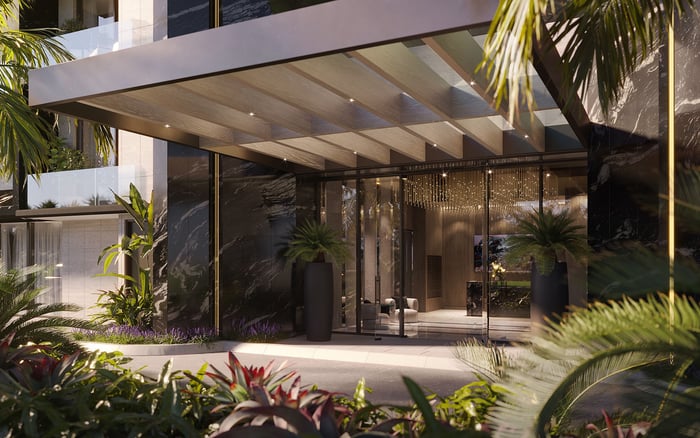
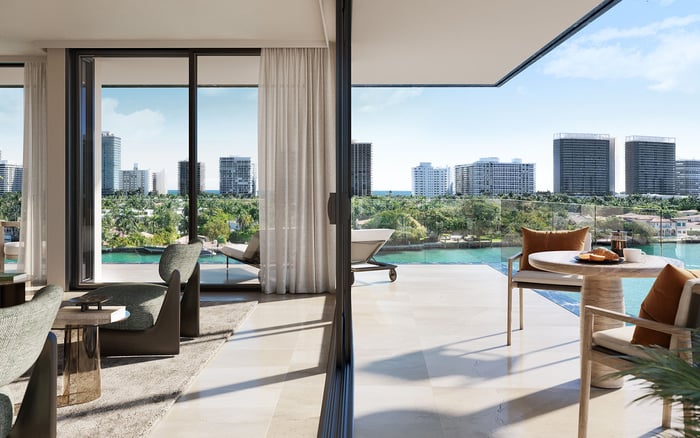
A buyer-focused guide to judging resale liquidity in specialized Bay Harbor Islands buildings, with emphasis on buyer-pool depth, comparable alternatives, pricing discipline, association review, and exit strategy.
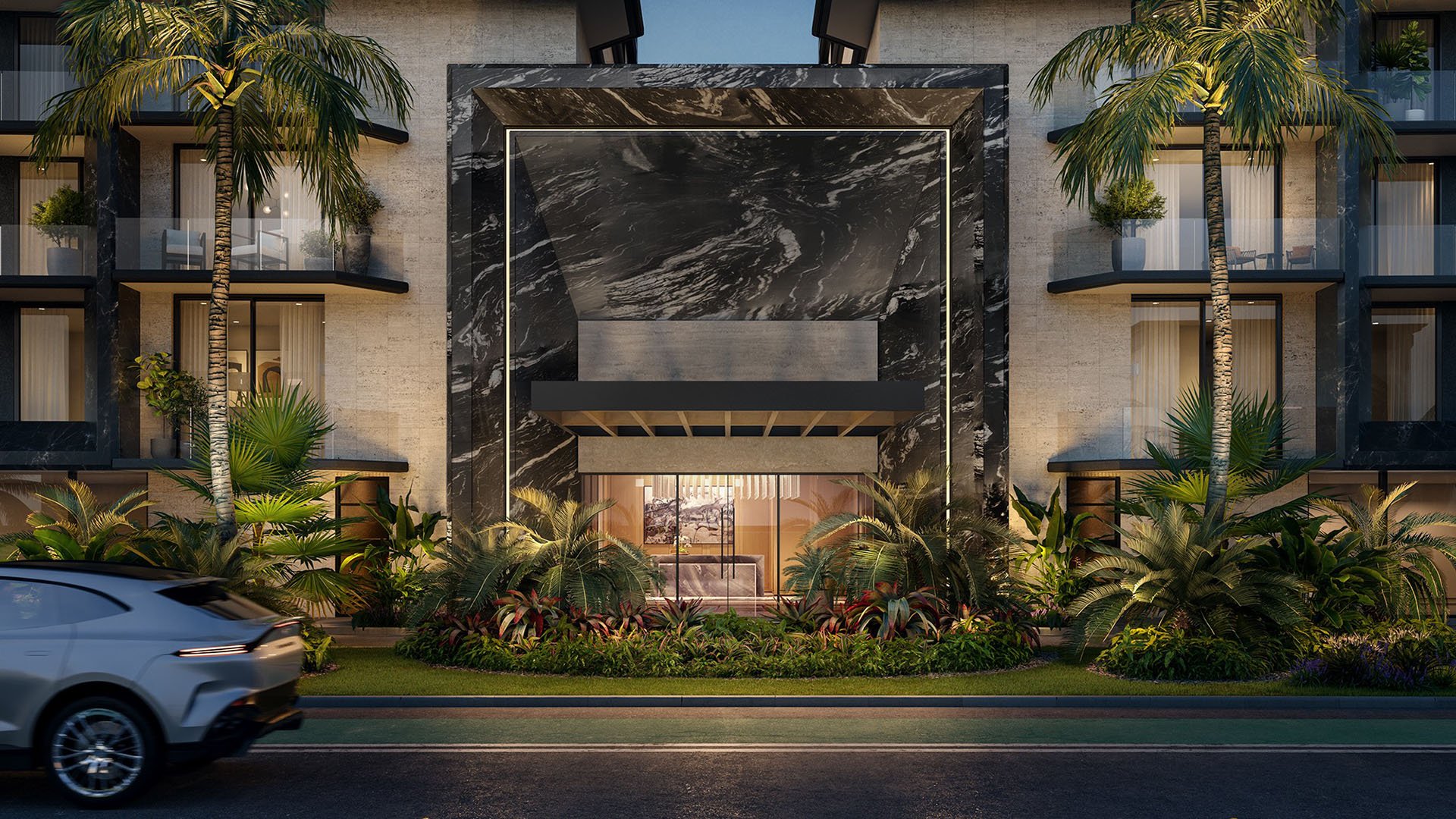
A specialized building can be the most seductive purchase in Bay Harbor Islands: intimate scale, a distinct design language, a defined wellness point of view, or a residence type that feels difficult to replicate. That rarity is often what makes a buyer fall in love. It is also why resale liquidity deserves careful examination before contract.
Liquidity is not the same as desirability. A home can be exquisite and still require a narrower, more patient resale campaign. The question is not simply, “Will someone want this later?” The more precise question is, “How many qualified buyers will understand this product, finance it comfortably, compare it correctly, and act within my future timing needs?”
For a Bay Harbor buyer, the most elegant underwriting starts before acquisition. Treat the purchase as both a lifestyle decision and an investment decision, even if the residence is intended primarily for personal use. That does not mean reducing the home to a spreadsheet. It means understanding whether the building’s specialization expands or contracts the future audience.
Before evaluating resale liquidity, define the source of specialization. Is the building unusually boutique in scale? Does it emphasize wellness, privacy, marina adjacency, larger terraces, a particular service culture, or a highly specific architectural character? Each distinction can be valuable. Each also shapes the next buyer pool.
A buyer comparing The Well Bay Harbor Islands, Alana Bay Harbor Islands, and other area offerings should avoid treating “newer,” “smaller,” or “more curated” as automatic liquidity advantages. The relevant issue is repeatability. If the concept is clear and legible to future buyers, specialization can sharpen demand. If the concept is too personal, too expensive to explain, or too dependent on a niche preference, the resale window may narrow.
A good test is simple: can the value proposition be stated in one sentence without over-explaining? If the answer is yes, future marketing has a stronger foundation. If it requires a long justification, the next owner may face a more selective market.
The strongest resale buildings have more than one natural audience. In Bay Harbor Islands, a residence may appeal to full-time local owners, seasonal users, downsizers, international buyers, or families seeking a quieter residential environment near established coastal neighborhoods. The more a building depends on only one of those audiences, the more sensitive liquidity becomes to timing and sentiment.
Specialized product should be measured by depth of demand, not applause. A dramatic floor plan may generate attention, but if only a few buyers can use the space naturally, attention does not always translate into transaction velocity. A water-view residence may broaden emotional appeal, yet its future liquidity still depends on price, layout, monthly carrying costs, and how directly it competes with other options.
When considering Bay Harbor Towers or Onda Bay Harbor, ask how many realistic buyers would see the residence as an obvious fit rather than an acquired taste. Liquidity improves when the future buyer can understand the lifestyle quickly and compare it confidently.
One of the most common mistakes is comparing a specialized building to every available condominium in the area. That can distort both price and liquidity. The better approach is to build a narrow competitive set around the actual buyer decision.
A boutique Bay Harbor Islands buyer may also consider Surfside, Bal Harbour, Miami Beach, or North Bay Village, depending on lifestyle priorities. Within Bay Harbor Islands itself, the comparison should account for scale, view quality, unit size, service expectations, parking convenience, outdoor space, and the emotional tone of the building. A small, highly curated residence should not be priced only against a larger but less tailored alternative. Nor should it be excused from discipline simply because it feels rare.
For example, a buyer weighing La Baia North Bay Harbor Islands against other Bay Harbor options should focus on the buyer who would actually cross-shop the product. The strongest comps are not always the closest buildings. They are the properties that compete for the same capital, lifestyle expectation, and level of discretion.
Liquidity is often reduced by friction that feels minor at purchase and consequential at resale. Review association documents, rental policies, pet rules, approval processes, reserve posture, insurance obligations, pending work, and any restrictions that could affect a future buyer’s use. A building can be beautiful, but if the transaction path feels cumbersome, a portion of the buyer pool may step away.
Financing is equally important. Some luxury buyers pay cash, but a liquid resale should not depend exclusively on cash demand. If a building’s structure, budget, insurance, or documentation makes financing less straightforward, the resale audience may become smaller. That does not mean the purchase is wrong. It means the buyer should price the potential constraint at entry.
Also consider how the building will age. Specialized finishes, amenity concepts, and design choices can be assets when maintained with discipline. They can become liabilities if upkeep is deferred or if the concept begins to feel dated. Resale liquidity depends not only on what the building is today, but on whether its identity can remain desirable when you are ready to sell.
In a specialized building, overpaying is the fastest way to turn lifestyle pleasure into exit pressure. Rarity can justify a premium, but only to the extent that a future buyer can recognize and underwrite that same premium.
A disciplined buyer should separate three layers of value: the residence itself, the building’s concept, and the scarcity of similar alternatives. If all three are strong, a premium may be rational. If only the concept is strong, but the plan is compromised or the carrying costs are difficult to defend, the premium should be moderated.
The best entry price leaves room for the next buyer to feel intelligent. This is especially important in boutique product, where there may be fewer near-identical resales to validate an aggressive ask. The goal is not to buy timidly. It is to avoid needing a perfect buyer at a perfect moment in order to exit well.
A sophisticated purchase file should include a future resale narrative. Identify the likely buyer, the three most compelling value points, the likely objections, and the improvements that would preserve marketability. This exercise can reveal whether the purchase is liquid, merely beautiful, or both.
If a residence has an unusual layout, consider whether furniture planning can make it read more intuitively. If the building’s appeal depends on calm, privacy, or wellness, preserve that atmosphere in the way the home is maintained. If outdoor space is the key differentiator, treat it as a room, not an afterthought.
Resale liquidity in Bay Harbor Islands is ultimately about translation. The current owner may understand the home intimately. The next buyer must understand it quickly. The more easily the residence can be explained, shown, financed, and compared, the more resilient the exit becomes.
What does resale liquidity mean in a specialized building? It means the likely ease of selling in the future, based on buyer depth, pricing clarity, financing comfort, and how easily the product is understood.
Is a boutique building less liquid than a larger building? Not automatically. Boutique buildings can be highly desirable, but they require a clear buyer pool and disciplined entry pricing.
Should I avoid a building with a very specific concept? No. A specific concept can be powerful if it is legible, well maintained, and valued by more than a tiny niche of buyers.
How important are comparable sales? They are important, but the right comparables matter more than the widest set. Compare against properties that compete for the same buyer.
Do views improve resale liquidity? Views can broaden emotional appeal, but they do not replace fundamentals such as layout, price, carrying costs, and building condition.
What documents should I review before buying? Review association documents, budgets, rules, rental policies, insurance obligations, and any issues that may affect a future buyer’s comfort.
Can rental restrictions affect liquidity? Yes. Even buyers who do not plan to rent may value flexibility, so restrictions can influence the size of the future audience.
How should I think about carrying costs? Carrying costs should feel defensible relative to the building’s service level, condition, and amenities. If they are hard to explain, resale may be harder.
Is new construction always more liquid? No. Newness helps only when the product, price, documents, and buyer pool remain compelling beyond the initial launch period.
What is the best way to protect my exit? Buy with a clear resale narrative, avoid overpaying for rarity, and choose a residence that future buyers can understand quickly.
When you're ready to tour or underwrite the options, connect with MILLION.
If branded residences are on your mind — as a home or as an allocation — we would be glad to share what we are seeing, privately.
Begin a quiet conversation