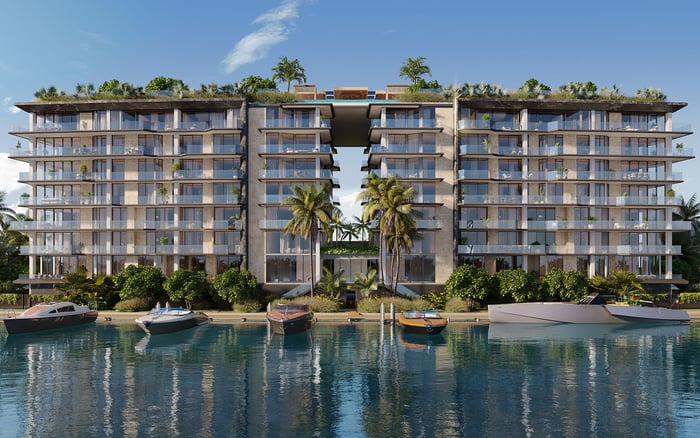
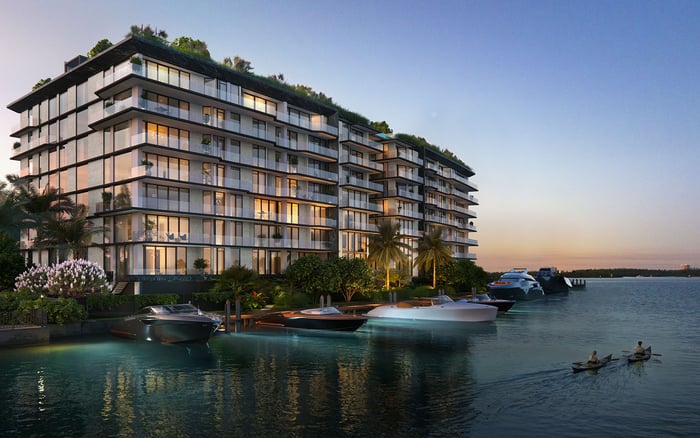
A discreet ownership analysis of Bay Harbor Towers, focusing on why its traditional condominium structure may appeal to affluent buyers who want waterfront presence, more autonomy, and lock-and-leave ease in Bay Harbor Islands.
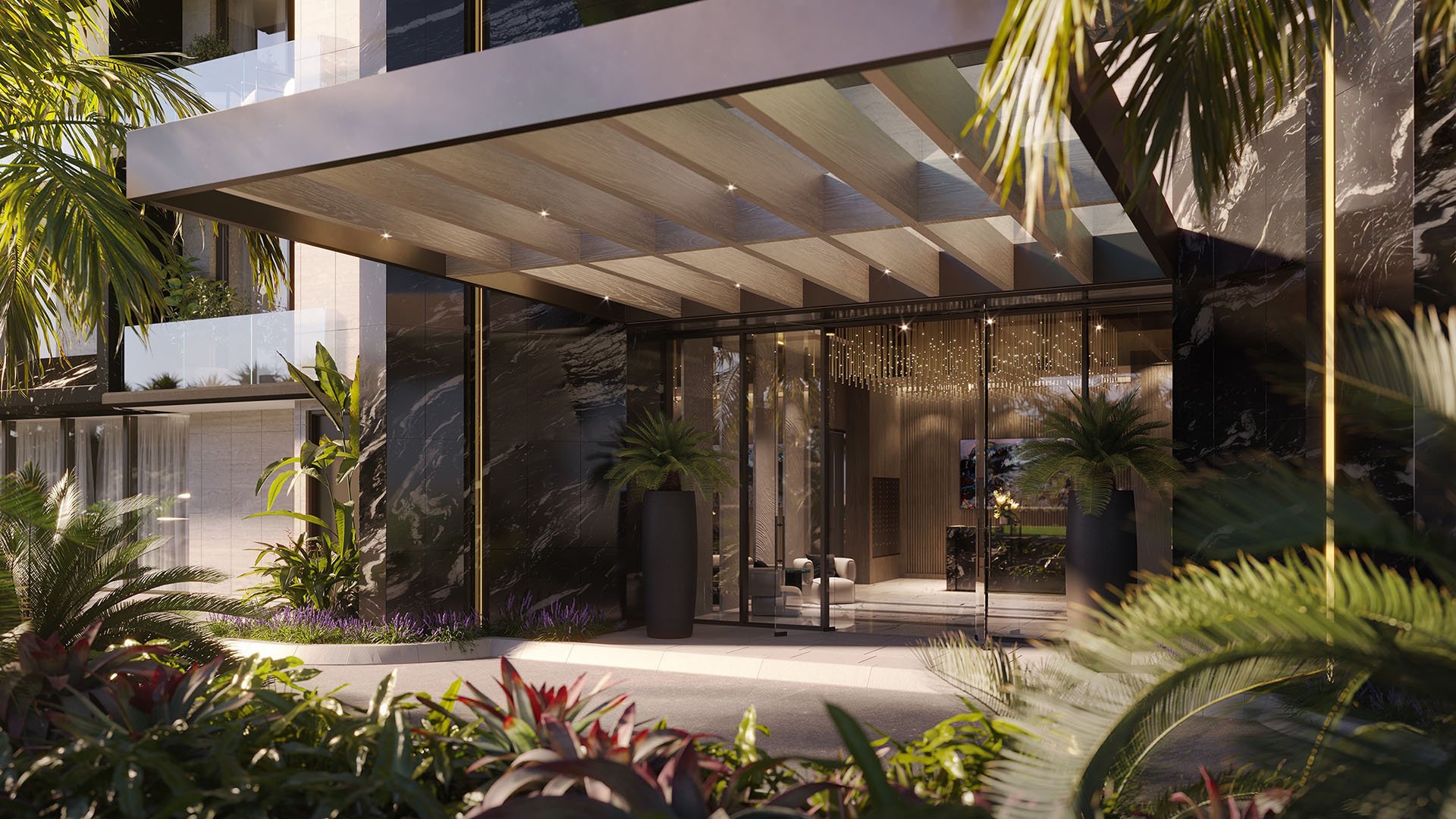
For the South Florida buyer who has already owned the large house, the staffed estate, or the hospitality-managed pied-à-terre, the next residence is often less about spectacle than calibration. Control matters, but so does relief from the constant operational load that comes with a freestanding home. Bay Harbor Towers sits squarely in that conversation: a waterfront condominium in Bay Harbor Islands for buyers who want meaningful autonomy without surrendering day-to-day ease.
That distinction matters. Luxury buyers are not simply choosing between a house and a condo. They are choosing among different models of governance, responsibility, privacy, design flexibility, and convenience. In Bay Harbor Islands, where the residential tone is quieter than many of Miami’s more theatrical waterfront districts, Bay Harbor Towers reads as a traditional condominium alternative to more restrictive branded hotel-condos, co-ops, or rigid shared-ownership formats.
For Bay Harbor buyers, the appeal is not a promise of total independence. Condominium ownership always carries collective obligations. The case is subtler: more room to shape how a residence is used and designed than some hospitality-managed environments may allow, paired with less personal burden than a single-family property demands.
In the ultra-premium market, ownership structure has become part of the luxury conversation. A branded building can deliver polish and consistency, but it can also bring a hospitality framework that feels prescriptive. A co-op can offer discretion and selectivity, often through a more controlled approval culture. A single-family estate offers latitude, but the owner carries the full weight of maintenance, vendors, security routines, exterior care, and seasonal oversight.
Bay Harbor Towers is positioned around a comparatively traditional condominium regime. That makes the proposition legible for buyers who understand association living and prefer a more familiar ownership format. It can be especially compelling for those who want to make decisions about the interior character of their residence, the rhythm of occupancy, and the practical way they live, without entering a resort-style apparatus that defines the experience too tightly.
This is where the word control deserves precision. Control does not mean the absence of rules. It means stronger alignment between the buyer’s desired discretion and the property’s operating culture. The buyer is neither outsourcing the entire residential identity to a hotel brand nor assuming the daily obligations of a private house. The balance is the product.
Many affluent owners reach a point where the romance of a house is outweighed by the administration behind it. The roof, landscaping, exterior systems, access coordination, insurance reviews, service visits, storm preparation, and everyday management all become part of the ownership experience. Even when handled by staff, they still require attention.
Bay Harbor Towers speaks to the owner who wants a residence that can be closed, secured, and left with confidence. The lock-and-leave idea is central, particularly for second-home buyers who divide time among multiple cities, boats, family homes, or seasonal destinations. A waterfront condominium can provide a sense of address and continuity while reducing the number of moving parts the owner personally oversees.
This is not convenience for convenience’s sake. In the luxury tier, time is a scarce asset. The right condominium can make ownership feel more immediate: arrive, settle in, enjoy the water, host quietly, and depart without turning every stay into a property-management meeting.
Bay Harbor Towers is described as mid-scale rather than a large resort-style ownership environment, and that distinction will matter to the right buyer. A larger resort-style tower can offer a high-energy residential program, but it may also bring more circulation, shared programming, and social visibility. A mid-scale setting can feel more residential, less performative, and better suited to owners who value calm over choreography.
Boutique is sometimes overused in real estate, but the underlying preference is real. Many high-net-worth buyers want the advantages of collective ownership without feeling absorbed into a massive residential machine. They want association structure, but not necessarily a resort atmosphere. They want ease, but not constant activation.
Nearby conversations around Alana Bay Harbor Islands, La Baia North Bay Harbor Islands, and Onda Bay Harbor reinforce how closely buyers study tone in this part of the market. The question is not only which building is newer or more visually assertive. It is which ownership environment best matches the buyer’s preferred level of privacy, governance, and personal freedom.
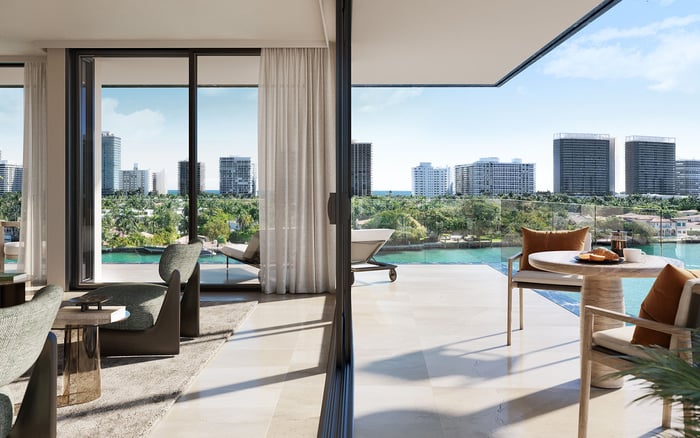
A waterfront condominium in Bay Harbor Islands offers a distinct kind of presence. Waterview living is not only aesthetic; it influences how a residence feels when used casually, seasonally, or as a primary home. The water gives the property an everyday sense of relief, while the condominium format keeps the ownership model more contained than a waterfront house.
That combination can be especially compelling for buyers comparing lifestyle outcomes rather than only square footage or amenity menus. A house may offer a private realm, but it also requires the owner to run that realm. A hospitality-managed residence may promise seamlessness, but the owner may accept a more defined framework in return. Bay Harbor Towers sits in the middle, where the ownership thesis is less about performance and more about livability.
Mature association dynamics add another layer to that interpretation. In a market where new development often dominates attention, established condominium environments can appeal to buyers who prefer operating patterns that are already formed. That does not remove the need for diligence, but it gives the buyer a different lens: how the community functions, how decisions feel, and whether the rhythm of the building suits long-term ownership.
The cleanest way to evaluate Bay Harbor Towers is to ask what kind of control the buyer truly wants. If the goal is maximum independence, a single-family home may still be the purest expression. If the goal is service-driven uniformity, a branded or hospitality-managed residence may be more aligned. If the goal is meaningful autonomy with easier operations, Bay Harbor Towers becomes more interesting.
That is why the ownership case is also an investment case, though not in a speculative sense. The value proposition is the durability of the fit: a waterfront Bay Harbor Islands condominium with a traditional ownership structure, a mid-scale feel, and a lock-and-leave profile for owners who want to live well without managing excessively.
Resale logic may also be influenced by this clarity. Buildings that know what they are can be easier for buyers to understand. Bay Harbor Towers is not trying to be a hotel, a private estate, or a sprawling resort. Its argument is quieter: own a waterfront condominium with enough structure to simplify life and enough autonomy to preserve the owner’s sense of command.
What is Bay Harbor Towers? Bay Harbor Towers is presented as a waterfront condominium in Bay Harbor Islands, with an ownership case centered on control and ease.
Who is the ideal buyer for Bay Harbor Towers? It is positioned for affluent owners who want convenience without giving up meaningful control over how they live.
Is Bay Harbor Towers a hotel-condo? It is framed as a more traditional condominium alternative to more restrictive branded hotel-condos or similar managed formats.
Does condominium ownership mean total freedom? No. It means shared governance, but the appeal here is a balance of autonomy and operational simplicity.
Why might a buyer choose it over a single-family home? A buyer may prefer the lock-and-leave convenience and reduced day-to-day operational burden of condominium living.
Is Bay Harbor Towers considered large resort-style living? It is described as mid-scale rather than a large resort-style ownership environment.
Why does a mature association matter? Mature association dynamics may appeal to buyers who value established operating patterns and a more settled residential rhythm.
Can owners shape their residence at Bay Harbor Towers? The ownership thesis emphasizes buyers who want to shape how they use and design their residence, subject to condominium rules.
How should buyers compare it with newer Bay Harbor Islands projects? Compare governance, tone, autonomy, and ease, not only newness or visual presentation.
What is the central ownership takeaway? Bay Harbor Towers is best understood as a waterfront condominium for buyers seeking control, discretion, and practical ease.
For a confidential assessment and a building-by-building shortlist, connect with MILLION.
If branded residences are on your mind — as a home or as an allocation — we would be glad to share what we are seeing, privately.
Begin a quiet conversation