A pre-closing guide for seasonal buyers considering Arbor Coconut Grove, with attention to lifestyle fit, boutique scale, terrace living, walkability, and practical diligence before taking title.
For seasonal buyers, the central question at Arbor Coconut Grove is not simply whether the residence is beautiful. It is whether the building, the neighborhood, and the daily rhythm of ownership align with how a second residence will actually be used.
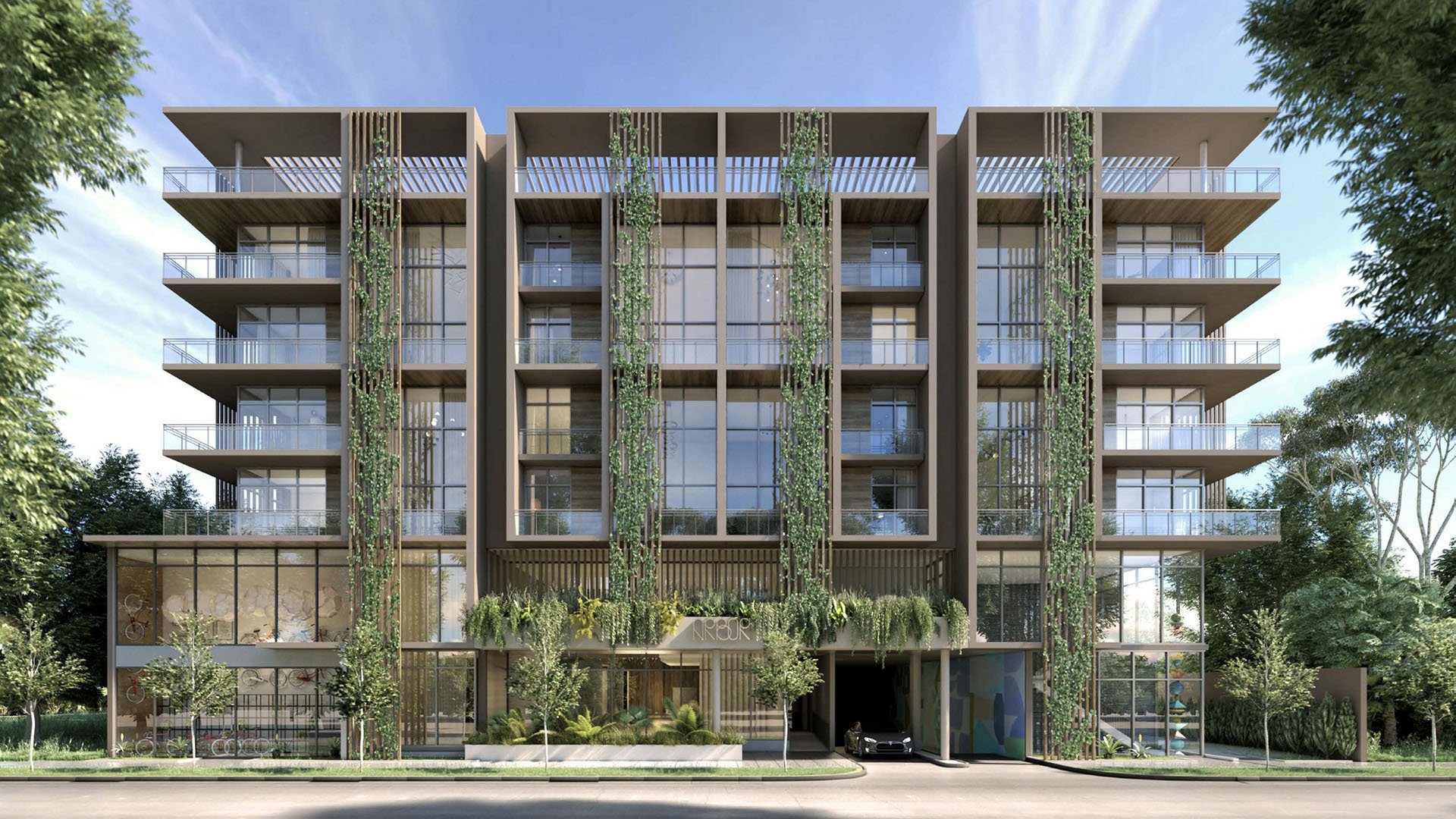
Arbor Coconut Grove is positioned as a boutique luxury condominium rather than a high-rise waterfront tower. That distinction matters. Buyers arriving from Manhattan, Chicago, Toronto, London, or Latin American capitals may come to Miami expecting vertical drama, sweeping amenity decks, and a tower lifestyle. Arbor’s appeal is more discreet: low-scale design, a residential setting, and a treehouse sensibility tied closely to Coconut Grove’s canopy streets.
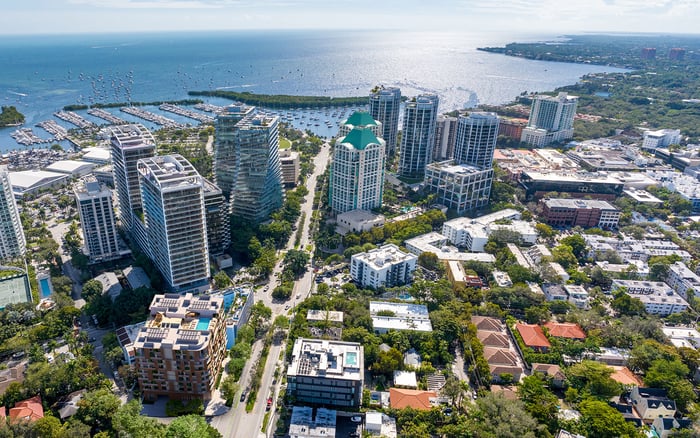
This is a different expression of South Florida luxury. It is less about spectacle and more about atmosphere. The Grove’s village-like environment, lush streets, cafes, restaurants, boutiques, and daily services give seasonal owners a softer landing than Miami’s denser urban-core districts such as Brickell. For buyers planning winter stays, long weekends, or extended school breaks, that context can matter as much as the residence itself.
Boutique scale is one of Arbor’s clearest advantages for the right buyer. A smaller, more intimate condominium can feel calmer than a large luxury tower, especially for owners who do not want their seasonal home to resemble a hotel. It can also create a more residential mood, with less sense of constant turnover and a closer connection to the surrounding streetscape.
That same boutique character should be evaluated with discipline before closing. Seasonal owners should understand how access works when they are away, how guests are handled, which procedures apply for deliveries, and how building rules treat vendors, household staff, and visiting family. None of these points should be assumed. They belong in the pre-closing review, alongside the condominium documents and association materials provided to the purchaser.
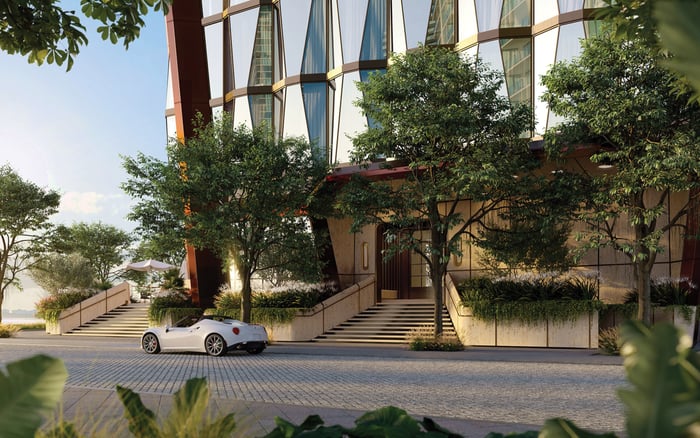
For comparison, buyers looking across Coconut Grove will encounter a broader spectrum of scale and residential expression, from more established Grove profiles to newer luxury offerings such as Four Seasons Residences Coconut Grove. Arbor’s identity occupies a quieter lane, which can be precisely the point for the seasonal owner who wants privacy, greenery, and a less formal arrival experience.
Arbor’s residences are described around livable two- and three-bedroom formats, a relevant detail for second-home buyers. Seasonal ownership often requires a different floor plan logic than a primary home. The residence must work for a couple alone, for visiting children or grandchildren, and for occasional guests without feeling overbuilt during quieter weeks.
Open kitchen and living areas connected to outdoor space are central to that use case. So are generous balconies or terraces, which support the indoor-outdoor rhythm that defines much of Coconut Grove living. A terrace is not merely a visual amenity in this context. It can become the breakfast room, the reading corner, the evening decompression space, and the feature that makes a seasonal residence feel materially different from the owner’s northern home.
Ceiling heights and glazing are also positioned as key design features at Arbor, helping maximize natural light. Seasonal buyers should experience the residence at the time of day they expect to use it most. Morning light, afternoon brightness, and the feeling of privacy from the outdoor space can determine whether the home feels restorative or exposed.
Coconut Grove is one of Miami’s most enduring residential neighborhoods because it offers a rare mix of privacy, greenery, and village convenience. Arbor’s location places owners within reach of the neighborhood’s commercial core, including cafes, restaurants, boutiques, and daily services. For seasonal residents, that can reduce reliance on a car for everyday errands during stays.
This walkable dimension should not be underestimated. Many seasonal owners arrive wanting simplicity. They may prefer to land, open the residence, walk to coffee, collect groceries, meet friends for dinner, and avoid building an entire stay around driving. The surrounding context is more residential than Brickell, yet still connected to the daily pleasures that make a second home feel used rather than merely maintained.
The Grove market also includes distinctive residential choices and wellness-oriented neighborhood offerings like The Well Coconut Grove. Buyers comparing these options should focus less on which name is most visible and more on which daily pattern feels most natural.
The romance of a Grove residence should be matched by a practical review. Before closing, seasonal buyers should verify building rules, access procedures, maintenance expectations, and closing documents. The goal is not to create anxiety. It is to avoid discovering operational details only after the first long absence.
Key questions should include who may enter the unit when the owner is away, how scheduled maintenance is coordinated, how packages and deliveries are managed, and which rules apply to guests or extended family. Buyers should also review any restrictions that affect how the residence may be used during periods when the owner is not in town. Legal, insurance, lending, association, and tax questions should be reviewed with the appropriate advisers before purchase.
Second-home ownership works best when the residence is easy to leave and easy to return to. That means confirming not only the beauty of the interiors, but also the practical choreography of absence, arrival, housekeeping, vendor access, and document compliance.
Arbor Coconut Grove rewards buyers who value intimacy over height, design over spectacle, and neighborhood texture over resort scale. It is especially compelling for those who want Coconut Grove’s canopy-street setting and a quieter residential frame without giving up access to cafes, restaurants, boutiques, and daily services.
The ideal buyer is likely to see the building’s scale as a lifestyle advantage. They will understand that a boutique condominium can feel more personal, while still taking the time to confirm the operational details that make seasonal ownership smooth. In that sense, this is one of those Buyer's Guides subjects where taste and diligence belong together.
For the seasonal owner, Arbor is not simply a place to visit Miami. It is a way to inhabit Coconut Grove at a more measured pace, with light, terraces, walkability, and residential calm shaping the experience.
Is Arbor Coconut Grove a high-rise waterfront tower? No. Arbor Coconut Grove is positioned as a boutique luxury condominium in Coconut Grove rather than a high-rise waterfront tower.
What makes Arbor appealing to seasonal owners? Its boutique scale, low-rise character, and Grove setting may appeal to buyers seeking a quieter alternative to larger Miami luxury towers.
What residence sizes should buyers expect at Arbor? The residences are described around livable two- and three-bedroom formats, which can suit many second-home ownership patterns.
Do residences at Arbor emphasize outdoor living? Yes. Units are described with generous balconies or terraces that support Coconut Grove’s indoor-outdoor lifestyle.
Why are ceiling heights and glazing important here? They are positioned as design features that help maximize natural light and strengthen the residence’s open, airy feel.
Can owners walk to everyday services from Arbor? Arbor’s Coconut Grove location places seasonal owners within reach of cafes, restaurants, boutiques, and daily services.
Is Coconut Grove more residential than Brickell? Yes. The surrounding neighborhood context is more residential than Miami’s denser urban-core districts such as Brickell.
What should buyers verify before closing? Buyers should review building rules, access procedures, maintenance expectations, and closing documents before purchase.
Is Arbor best understood as a lifestyle purchase? Yes. Its boutique format and Grove location are lifestyle advantages, especially for buyers prioritizing calm, greenery, and walkability.
Should seasonal buyers seek professional guidance before closing? Yes. Association, legal, insurance, lending, and tax questions should be reviewed with qualified advisers before purchase.
If you'd like a private walkthrough and a curated shortlist, connect with MILLION.
If branded residences are on your mind — as a home or as an allocation — we would be glad to share what we are seeing, privately.
Begin a quiet conversation