A practical luxury buyer guide to assessing Coconut Grove waterfront homes and residences through access, comfort, resilience, boating use, privacy, and daily convenience.
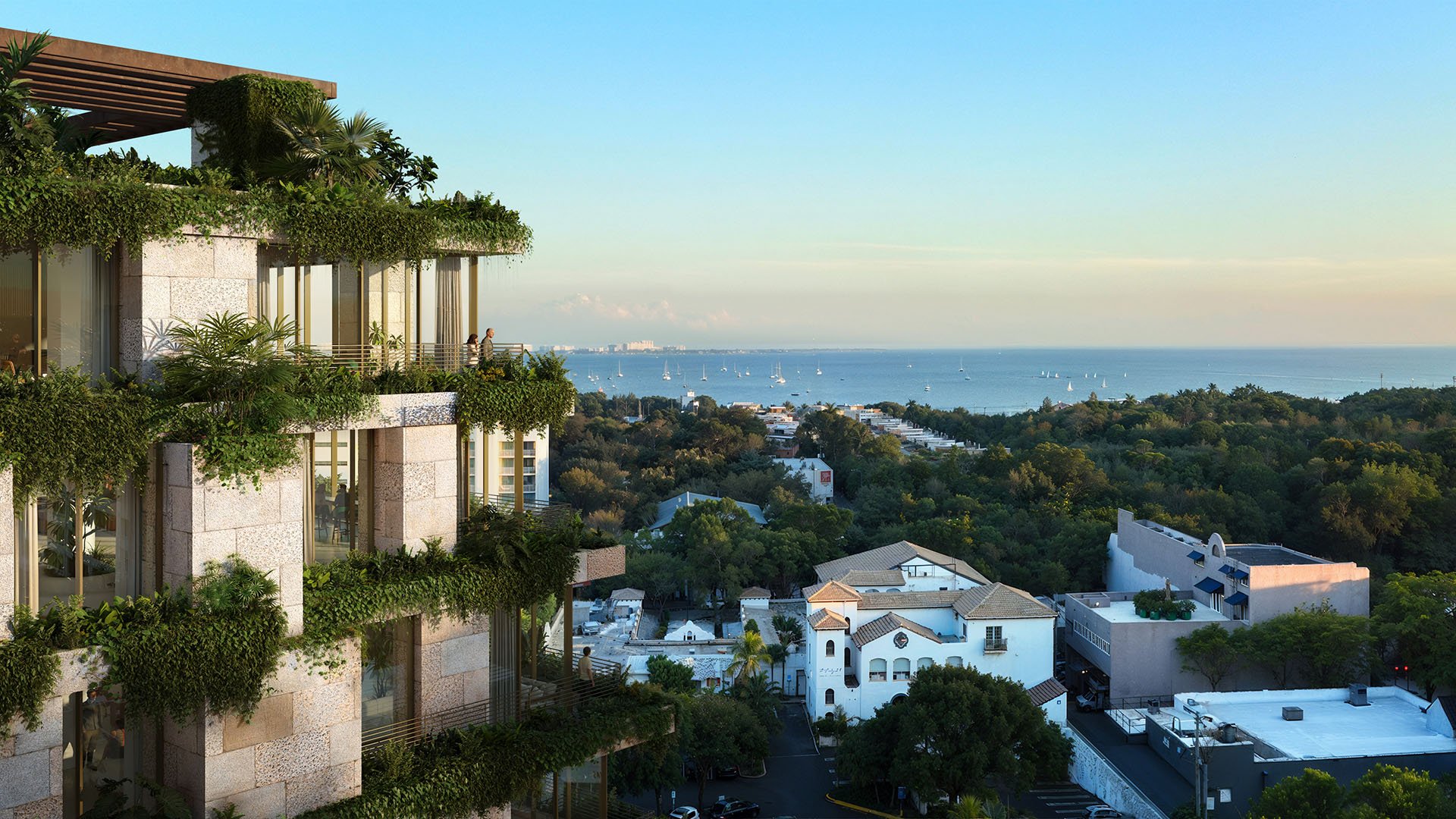
A Coconut Grove waterfront address can seduce instantly: filtered light through mature canopy, the stillness of the bay, the feeling that Miami has stepped back and softened. Yet sophisticated buyers know beauty is only the first test. The sharper question is whether the address works gracefully on a Tuesday morning, during a school run, after a summer storm, when guests arrive, when the dog needs a walk, or when a boat day starts earlier than planned.
In this segment of the market, utility is not the opposite of luxury. It is the foundation of it. A waterfront home or residence that looks exceptional but complicates ordinary life can become tiring. One that pairs outlook, access, privacy, resilience, and service logistics can feel effortless for years. In Coconut Grove, where water, canopy, village fabric, and residential scale all matter, the best evaluation is both emotional and clinical.
Buyers comparing private homes with condominium living should look beyond architectural renderings or listing photography. Residences such as Four Seasons Residences Coconut Grove can sit in the conversation not merely as branded real estate, but as a useful benchmark for service, lock-and-leave ease, and the daily rhythm a buyer may want from a Grove address.
Waterfront is valuable only if the address remains convenient. In Coconut Grove, a buyer should test the route at the times they actually live: morning departures, late dinners, weekend errands, school traffic, airport runs, and guest arrivals. A magnificent view loses some of its power if every transition feels narrow, delayed, or over-managed.
This is where the Grove’s small-scale charm should be evaluated with precision. Some buyers want the privacy of a quiet street and will accept a slower exit. Others want to be near dining, parks, clubs, and cultural life without depending on a car for every minor errand. There is no universal answer. The right address is the one whose friction matches the buyer’s lifestyle.
The practical vocabulary is simple: Waterfront, Waterview, Marina, and Boat-slip are not interchangeable. Each promises a different kind of daily experience, and each deserves its own diligence.
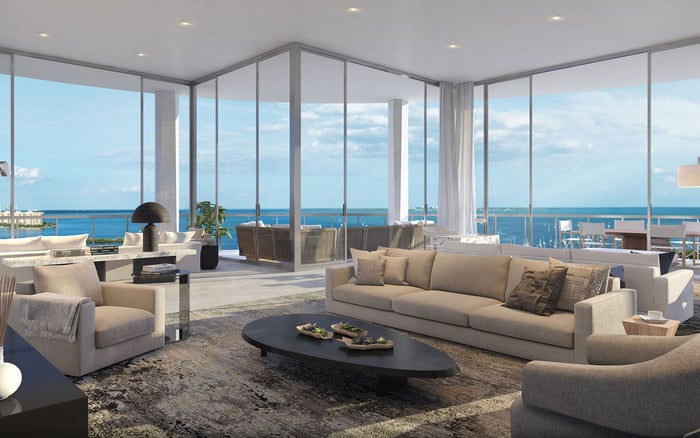
A Waterview can be extraordinary, especially when paired with height, orientation, and protected sightlines. But a view is not the same as water access. Buyers should ask what the property allows them to do, not only what it allows them to see. Can one walk to the water comfortably? Is there a meaningful outdoor room facing the bay? Does the plan support morning coffee, evening entertaining, or quiet reading without feeling exposed?
Condominium buyers often underestimate how much terrace depth, glazing, and orientation shape the experience. Park Grove Coconut Grove, for example, may be considered by buyers who want to understand how vertical living in the Grove can frame greenery and bay atmosphere differently from a single-family waterfront home. The comparison is not about better or worse. It is about how the water becomes part of daily ritual.
The strongest waterfront address makes the view usable. If glare, wind, privacy, or furniture constraints limit the outdoor space, the premium should be reconsidered. A beautiful view that can only be admired through glass is different from one that becomes a living room in the open air.
A dock, slip, or nearby Marina access can add emotional and practical value, but only if it fits the buyer’s real boating life. The evaluation should include vessel size, draft needs, bridge conditions, turning room, tide sensitivity, service access, fuel convenience, storage, security, and the time it takes to get from home to open water. A Boat-slip that cannot comfortably support the intended boat is not a convenience. It is a compromise.
Buyers should also consider who will manage the vessel. Some owners are hands-on. Others rely on captains, crew, or service providers. The address should support that reality discreetly. Where will crew park? How are provisions loaded? Can maintenance occur without disrupting the household? Does the property feel secure when equipment, guests, and service personnel move through it?
The most polished waterfront life is often invisible from the listing copy. It is the choreography behind the scenes that determines whether boating feels spontaneous or burdensome.
South Florida luxury buyers are increasingly attentive to resilience, and waterfront diligence should be direct. Elevation, drainage behavior, garage placement, mechanical systems, glazing, roof condition, landscaping, seawall integrity, and emergency access all deserve scrutiny. The goal is not to remove all risk. Waterfront ownership always requires judgment. The goal is to understand whether the property has been designed, maintained, and insured in a way that supports long-term comfort.
For condominium buyers, the questions shift toward building systems, association planning, reserves, maintenance culture, and the quality of shared infrastructure. Newer or repositioned Grove residences such as The Well Coconut Grove may enter a buyer’s comparison set when the preference is for managed living, wellness-driven routines, and reduced maintenance burden. The same discipline applies: understand how the building performs, not only how it presents.
The most desirable address is rarely the one that avoids complexity. It is the one where complexity has been anticipated.
Waterfront buyers often focus on frontage and overlook privacy. In the Grove, where lush landscaping and layered streetscapes can create a sense of retreat, privacy should be tested from multiple angles: water, neighboring properties, sidewalks, terraces, bedrooms, service entries, and evening lighting conditions.
Sound is equally important. A property may feel tranquil during a showing but behave differently at night, on weekends, or during boating activity. Buyers should visit more than once and at different hours. Listen for road noise, mechanical hum, nearby gathering points, and water activity. Luxury is often defined by what one does not hear.
A comparison with boutique Grove options such as Mr. C Tigertail Coconut Grove can help buyers clarify whether they prefer the animation of a more connected address or the hush of a more secluded waterfront setting. The point is not to chase silence at all costs. It is to choose the correct acoustic and social register.
The most livable waterfront address works for the household as well as the owner. Deliveries, parking, storage, staff circulation, guest arrival, pet routines, landscape care, marine service, and storm preparation should all be evaluated before purchase. If a property requires constant improvisation, the lifestyle will feel less refined than the price suggests.
Single-family homes may offer autonomy and direct control, but they also place responsibility on the owner. Condominium residences may provide convenience and staffing, but shared rules, elevator access, pet policies, storage limits, and parking protocols can shape the daily experience. Neither model is inherently superior. The correct choice depends on how much operational responsibility the buyer wants to retain.
For those comparing a more residential Grove rhythm with emerging low-rise options, The Lincoln Coconut Grove may be part of a broader conversation about scale, neighborhood intimacy, and convenience without committing to a direct waterfront premise.
The right purchase decision comes from assigning value to functions the buyer will actually use. If boating is central, the marine conditions matter. If privacy is central, sightlines and sound matter. If the buyer travels often, lock-and-leave management may outweigh private land. If entertaining is central, outdoor rooms, guest flow, parking, and service access become essential.
Coconut Grove rewards nuance. Its best addresses are not defined by a single metric. They are defined by the meeting point of bay atmosphere, canopy, access, resilience, privacy, architecture, and everyday ease. A waterfront premium is justified when the address makes life more fluid, not merely more impressive.
What is the first thing a buyer should test at a Coconut Grove waterfront address? Start with daily access. Drive the route at the hours you actually live, including mornings, weekends, and evening returns.
Is a Waterview the same as true Waterfront ownership? No. A Waterview may deliver beauty, while Waterfront ownership or access can involve use, maintenance, exposure, and different responsibilities.
How should a buyer evaluate a Boat-slip? Match it to the intended vessel, service needs, tide behavior, security, and the practical time required to reach open water.
Why does privacy require more than landscaping? Privacy changes by angle, elevation, lighting, neighbor activity, and water exposure. Test it at different times of day.
Should condominium buyers think differently from single-family buyers? Yes. Condominium buyers should study building systems, association culture, rules, service levels, parking, storage, and reserves.
What makes a Marina convenient rather than ornamental? Convenience comes from access, vessel fit, service support, security, provisioning, and how easily boating integrates with daily life.
How important is storm preparation for a waterfront purchase? It is central. Buyers should understand elevation, drainage, openings, mechanical placement, seawall condition, and operational plans.
Can a non-waterfront Grove residence still offer strong lifestyle value? Yes. Some buyers may prefer canopy, walkability, service, or lock-and-leave ease over direct water access.
How many times should a buyer visit before making a decision? Multiple visits are wise. Morning, evening, weekday, and weekend conditions can reveal very different realities.
What is the best way to shortlist comparable options for touring? Start with location fit, delivery status, and daily lifestyle priorities, then compare stacks and elevations to validate views and privacy.
For a confidential assessment and a building-by-building shortlist, connect with MILLION.
If branded residences are on your mind — as a home or as an allocation — we would be glad to share what we are seeing, privately.
Begin a quiet conversation