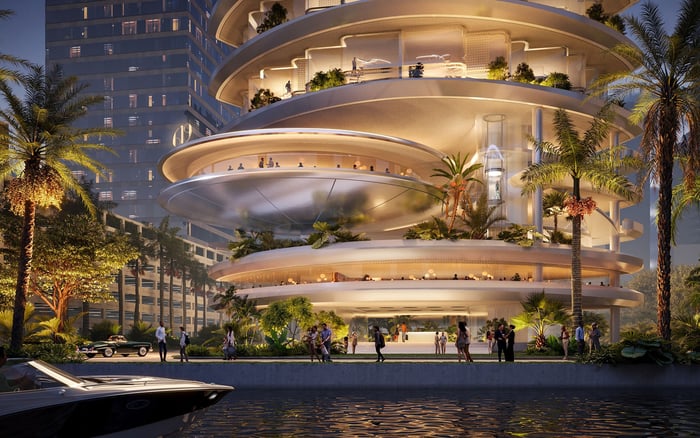
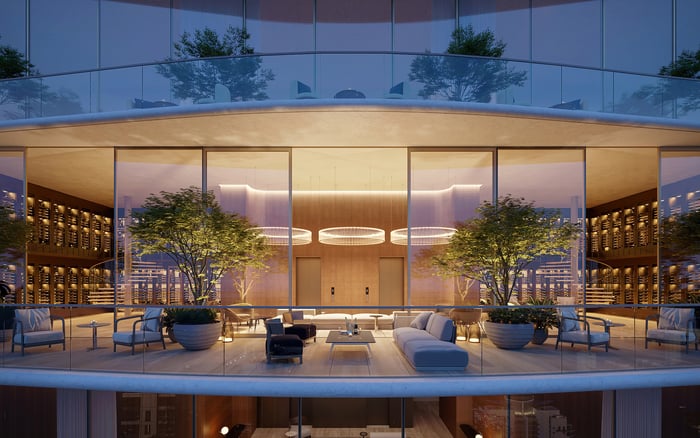
Colette Residences Brickell merits attention from buyers who see outdoor space as daily living area, not a decorative balcony. The right due diligence should focus on shade, exposure, depth, wind behavior, furniture placement, and the way each terrace line performs within Brickell’s dense high-rise setting.
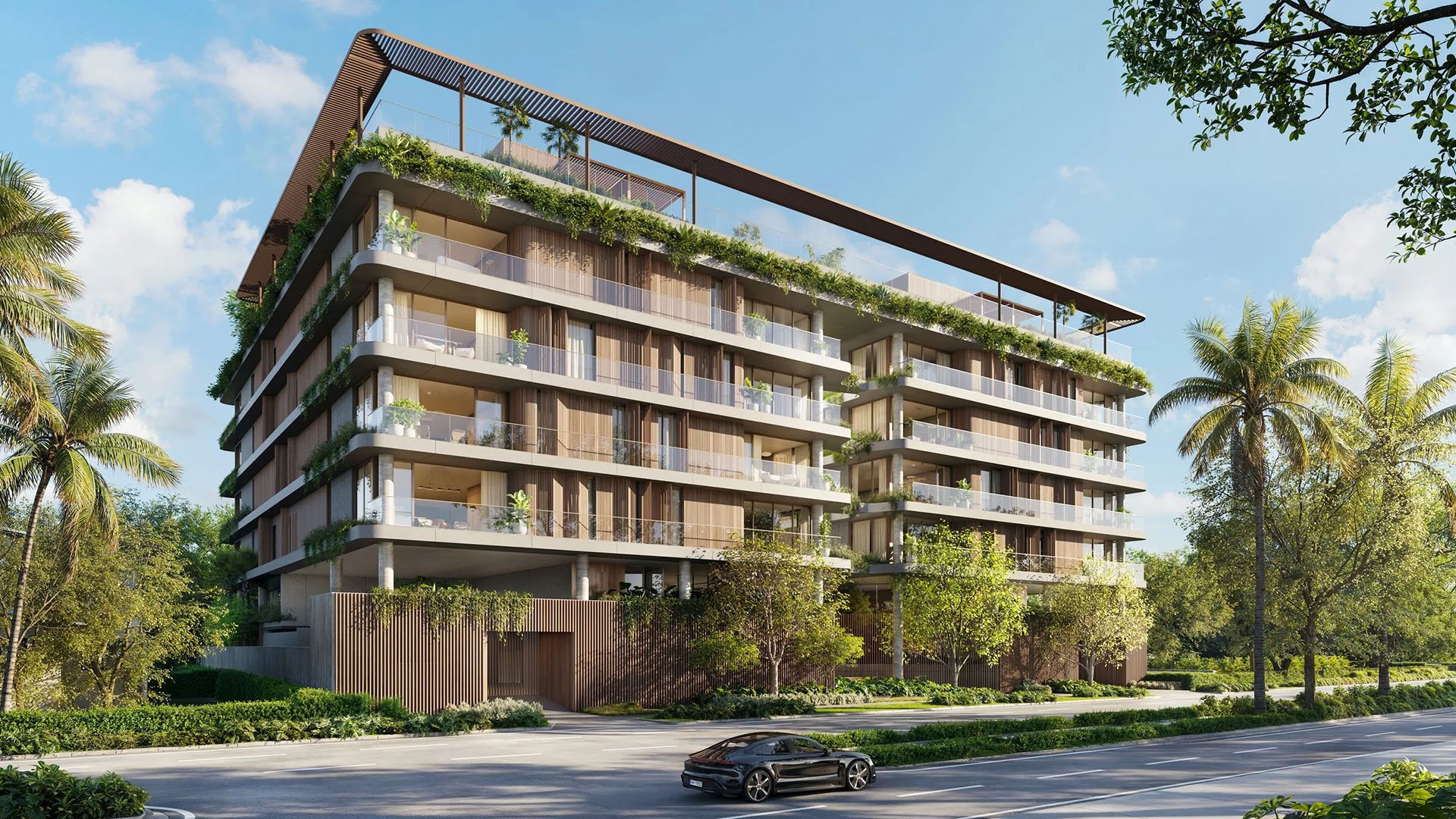
For many South Florida buyers, the terrace has shifted from amenity to essential room. It is where morning coffee becomes a ritual, where a laptop can replace a corner office, and where dinner carries into the evening air. In Brickell, however, outdoor space has to earn that role. Heat, humidity, direct sun, surface temperature, neighboring towers, and wind can separate a true open-air extension of the residence from a balcony that is visited briefly, photographed often, and rarely used.
That is why Colette Residences Brickell belongs on the shortlist for buyers who are serious about usable terraces. The key word is “shortlist.” Colette should not be treated as an automatic answer for every terrace-first buyer. It should be evaluated carefully, line by line and exposure by exposure, with the same rigor buyers typically apply to views, ceiling heights, parking, and finishes.
In practical terms, this is a Lifestyle and Waterview decision as much as a floor-plan decision. The best terrace is not always the largest one on paper. It is the one that can comfortably support dining, lounging, working, and entertaining through the conditions that define Miami living.
Luxury buyers often begin with square footage, but terrace square footage can mislead when the space is shallow, awkwardly proportioned, overexposed, or difficult to furnish. A deep, well-protected terrace may live larger than a longer, narrower one that functions mainly as a viewing ledge. For a Brickell buyer, the practical questions are direct: Can a proper dining table fit? Is there room to circulate? Can lounge furniture sit out of the harshest sun? Is there enough protection to make the space usable beyond ideal weather windows?
This is where Colette’s relevance becomes clear. It should be considered by buyers who want the terrace to behave like an extension of the interior residence, not a transitional strip between glass and skyline. That does not mean every terrace will perform equally. Terrace depth, proportion, orientation, overhangs, railing design, shade potential, and wind exposure all deserve close review before a buyer assigns value to the outdoor area.
The same discipline applies when comparing Colette with other Brickell options such as 2200 Brickell, Cipriani Residences Brickell, and Baccarat Residences Brickell. The goal is not to choose the project with the most dramatic rendering. The goal is to understand which specific residence offers the most livable outdoor room for the way the buyer actually intends to live.
Miami heat is not just a number on a weather app. Terrace comfort is shaped by humidity, direct sun, reflected heat from surfaces, shade, airflow, and the time of day a buyer expects to use the space. A terrace that feels gracious at sunrise may become intense in the afternoon. Another that receives less direct sun may become the preferred setting for an early dinner or a quiet evening drink.
For Colette buyers, this means studying the sun path carefully. Morning exposure, late-day exposure, and the presence or absence of meaningful shade can materially alter the experience. Overhangs may help. Adjacent tower shadows may help at certain hours and hurt at others. Surface heat, especially on flooring and furniture, should be part of the conversation because a terrace can look serene and still feel uncomfortable under sustained sun.
A serious showing should not treat the terrace as a view platform only. Buyers should stand where the table would go, where the lounge chair would sit, and where doors open from the interior. The terrace should be judged as a room, with zones, movement, shade, and comfort considered together.
Wind is one of Brickell’s most misunderstood outdoor-living variables. In humid weather, airflow can make a terrace feel more comfortable and extend its use. Too much wind, or wind that arrives in turbulent bursts, can have the opposite effect. It can make dining less pleasant, complicate furniture selection, and reduce the sense of calm that high-end buyers expect from private outdoor space.
Dense high-rise settings can intensify these issues. Towers influence sun, shade, privacy, and air movement in ways that are not always obvious from plans or renderings. Higher floors may gain outlook and openness, but they also merit extra attention to wind behavior. Lower or mid-level exposures may feel more protected in certain lines, while other orientations may be affected by neighboring structures.
This is why Colette’s terrace appeal should be tested, not assumed. Buyers should ask how the terrace is enclosed, how railings interact with views and wind, whether furnishings can be placed safely and comfortably, and how the outdoor area feels at different times. The most desirable result is balanced airflow: enough movement to soften humidity without creating a space that feels restless.
A disciplined buyer review at Colette should start with floor plans, but it should not end there. The most important questions include terrace depth, furniture usability, sun exposure by time of day, prevailing wind exposure, neighboring tower effects, and the degree of enclosure or protection. Privacy should also be part of the calculus, particularly in Brickell, where close skyline relationships can make some outdoor areas feel more public than expected.
Buyers should compare lines within the building rather than treating the project as a single terrace proposition. Height, orientation, and neighboring context can create materially different outdoor experiences within the same address. A terrace that is exceptional for one buyer may be too sunny, too windy, or too exposed for another.
This is also why cross-shopping with Una Residences Brickell or other Brickell residences should remain highly specific. The right comparison is not project versus project in the abstract. It is residence versus residence, terrace versus terrace, exposure versus exposure.
Colette belongs in the conversation because it focuses attention on what sophisticated Brickell buyers increasingly care about: whether outdoor space can support daily life. The strongest case is not that every terrace will be ideal in all conditions. The stronger, more credible case is that Colette is worth deeper due diligence for buyers who value outdoor dining, lounging, working, entertaining, and a more fluid relationship between interior and exterior living.
For the right buyer, the winning terrace is not merely the one with the most frontage. It is the one that feels usable at the times the owner will actually be home. It offers sufficient depth for real furniture, a sensible relationship to sun and shade, manageable airflow, and a level of privacy that suits the owner’s expectations. In Brickell, that combination is rare enough to justify careful attention.
Is Colette Residences Brickell a definitive winner for usable terraces? No. It belongs on the shortlist, but terrace performance should be reviewed by specific line, height, orientation, and exposure.
What matters more than terrace size? Depth, proportion, shade potential, wind exposure, railings, overhangs, and furniture usability can matter more than raw square footage.
Why is Brickell challenging for terraces? Dense high-rise development can affect sun, shade, wind movement, privacy, and how a terrace feels during daily use.
Can wind improve terrace comfort? Yes. Moderate airflow can help in humidity, but excessive or turbulent wind can reduce comfort and limit how the space is used.
How should buyers evaluate heat comfort? They should consider direct sun, humidity, surface heat, shade, and time of day, not air temperature alone.
Are renderings enough to judge a terrace? No. Renderings can show visual intent, but buyers should study floor plans, exposures, and practical furniture layouts.
Should buyers compare different lines within Colette? Yes. Terrace usability can vary materially between lines, heights, and orientations within the same building.
What lifestyle uses should be tested? Buyers should test whether the terrace can support dining, lounging, working, and entertaining in realistic Miami conditions.
Is a shallow balcony always a negative? Not always, but shallow outdoor space may function more as a visual amenity than a true open-air living room.
What is the best next step for a terrace-first buyer? Review specific floor plans and exposures, then compare how each terrace would perform during the hours it matters most.
To compare the best-fit options with clarity, connect with MILLION.
If branded residences are on your mind — as a home or as an allocation — we would be glad to share what we are seeing, privately.
Begin a quiet conversation.jpg&width=700&height=438&fit=cover)