Family-office conference season can sharpen the brief for a South Florida pied-à-terre, especially around Las Olas, where access, discretion, service, and lock-and-leave practicality matter as much as view or finish.
Family-office conference season has a way of turning an abstract South Florida plan into an operational requirement. A principal who once considered the region primarily as a winter escape may suddenly be moving between private meetings, advisory dinners, investment briefings, philanthropic events, and yacht-club conversations in the same week. In that rhythm, the right pied-à-terre is no longer a decorative convenience. It becomes a strategic piece of personal infrastructure.
Las Olas sits naturally inside that conversation because it can satisfy both the lifestyle and logistical brief. For an ultra-high-net-worth buyer, the question is not simply whether a residence is beautiful. It is whether the home shortens the distance between arrival and usefulness. Can one land, change, host a quiet drink, walk to dinner, sleep well, and leave the next morning without the friction of a large estate? That is the pied-à-terre promise when it is properly positioned.
The relevant vocabulary is not merely Fort Lauderdale, Broward, marina, new construction, investment, or second home. It is how those categories converge in a residence that performs gracefully during the busiest weeks of the calendar. Family-office travel exposes inefficiencies quickly. A beautiful home in the wrong location can become a burden. A more compact, better-located residence can feel like a private club suite with ownership control.
Las Olas offers a particular kind of South Florida utility. It is polished without requiring the scale of Miami, urban without losing the softer pace associated with Fort Lauderdale, and proximate to dining, boating culture, professional meetings, and beach life without forcing the buyer into a single identity. That balance matters for families that use South Florida in multiple ways: capital meetings one day, children and grandchildren the next, a dinner with advisers in between.
For the conference-season buyer, Las Olas also supports discretion. The best pied-à-terre does not announce itself every time the owner arrives. It allows a principal to move through the week with privacy, service, and predictable access. A residence near the river may appeal to those who want a quieter urban cadence, while a beach-oriented address may better suit owners who see wellness and resort service as part of their routine.
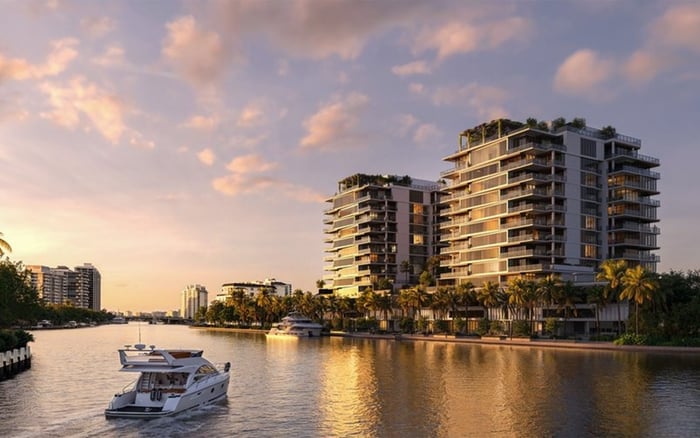
This is why projects such as Sixth & Rio Fort Lauderdale deserve attention in the Las Olas discussion. The appeal is not only architectural or amenity-driven. It is the idea of owning near the city’s most relevant daily circuit, where a pied-à-terre can support a short stay without feeling like a compromise.
A family-office buyer should evaluate a Las Olas pied-à-terre through four practical lenses: access, service, privacy, and future optionality. Access is not only about drive time. It is whether the building allows an owner to enter and exit without theatrical effort. Service is not only about amenities. It is whether the building can support a partially occupied home with consistency. Privacy is not only about security. It is the emotional ease of arriving without ceremony. Optionality is not only about resale. It is whether the asset can remain useful as the family’s South Florida pattern evolves.
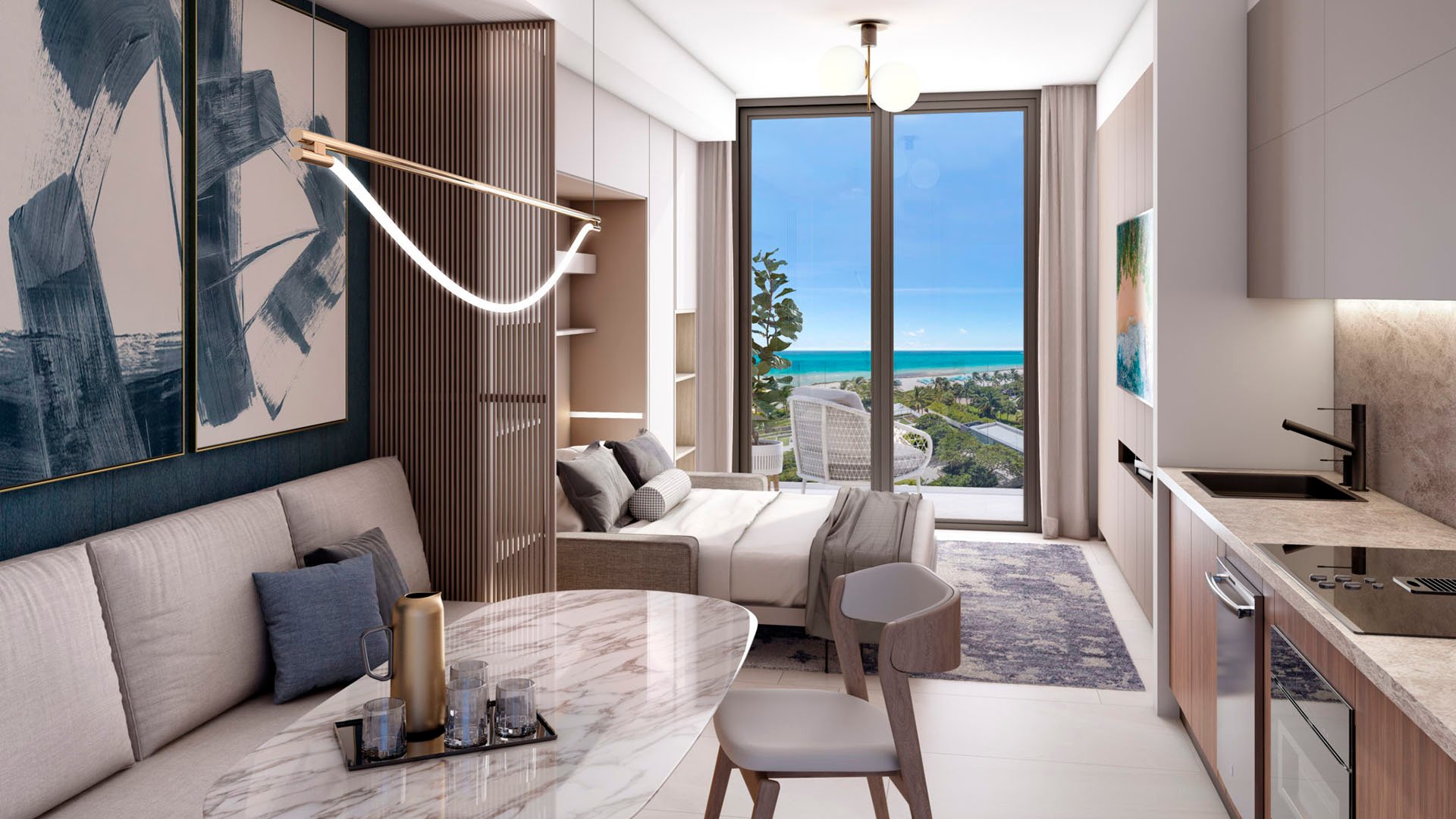
That test tends to favor residences with strong lock-and-leave characteristics. A pied-à-terre should not require the operating complexity of a waterfront compound unless the owner truly wants that responsibility. For many principals, the goal is less square footage and more precision: a generous primary suite, a comfortable guest room or office, terrace space, intuitive parking, attentive staffing, and a building culture that understands intermittent but exacting use.
A project such as Riva Residenze Fort Lauderdale fits into this broader evaluation because it invites the buyer to think about the river as a lifestyle axis rather than a backdrop. The point is not to chase a label. It is to ask whether the residence makes the owner’s South Florida week smoother, more private, and more productive.
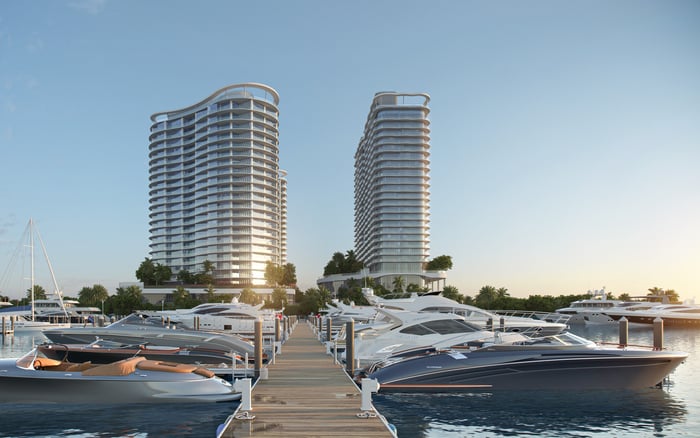
Las Olas buyers often compare three forms of positioning. River-oriented residences can offer a composed, urban-waterfront atmosphere that suits owners who value proximity to restaurants, meetings, and the city’s daily life. Beach-oriented residences offer a more resort-forward rhythm, with the emotional pull of ocean air and wellness rituals. Marina-adjacent residences add another layer for owners whose South Florida life includes boating, guest arrivals by water, or a more nautical social calendar.
None is inherently superior. The right answer depends on how the family actually uses the region. A principal who attends several meetings in a compressed week may prefer the convenience of being closer to Las Olas. A spouse or partner who treats the residence as a restorative base may prefer the beach. A family that entertains aboard or around the water may look more closely at the marina ecosystem.
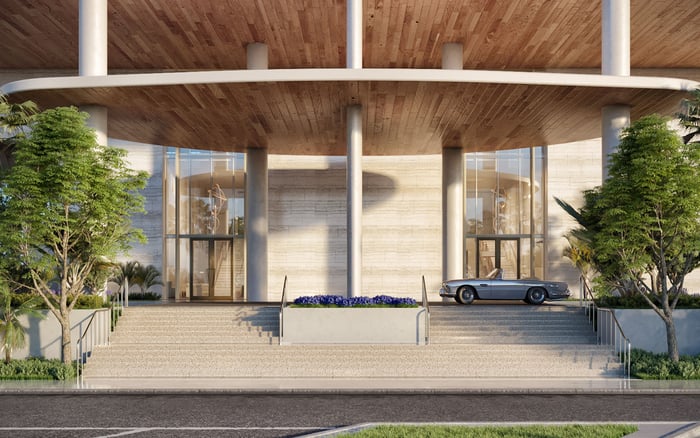
That is why Four Seasons Hotel & Private Residences Fort Lauderdale enters the conversation for buyers who want branded service and a resort sensibility, while St. Regis® Residences Bahia Mar Fort Lauderdale speaks to those considering the marina and beach side of the equation. The comparison is less about choosing the most impressive name and more about identifying which setting will be used with the least friction.
The most sophisticated pied-à-terre purchase is often not the largest one. Family-office buyers are accustomed to underwriting operating reality. They understand that ownership carries a time cost, not only a financial one. A South Florida residence should earn its place in the portfolio by being easy to use, easy to maintain, and easy to justify when family patterns shift.
That discipline is especially important near Las Olas, where the temptation may be to buy for the occasional grand weekend rather than the recurring practical week. The better question is: what residence will be used twelve times with pleasure, rather than twice with ceremony? In that frame, a slightly smaller home in a more intuitive building can outperform a larger home that creates logistical drag.
Buyers should also think carefully about the guest profile. A pied-à-terre used during conference season may need to host an adviser for coffee, a family member for a weekend, or serve as a staging point before an evening out. It does not necessarily need to function as a formal entertaining estate. The strongest layouts preserve the owner’s private retreat while allowing a small measure of hospitality without disruption.
For a family office, the real estate conversation should begin with use case rather than product. Who will use the residence? How often? During which months? Will the owner arrive alone, as a couple, with adult children, with staff, or with guests? Is the priority proximity to Las Olas, beach service, marina life, or an easy lock-and-leave experience? These questions reveal the right building category before finishes and views begin to distract.
The advisory conversation should also include governance. Some families prefer to hold a pied-à-terre personally. Others want the purchase aligned with broader estate, privacy, or asset-management considerations. Those decisions sit outside the romance of a terrace view, but they can determine whether ownership remains elegant over time.
In the end, conference season is useful because it compresses reality. It shows where the owner actually spends time, which drives feel tiresome, what level of service is expected, and whether Las Olas feels like a center of gravity. When those answers are clear, a better-positioned pied-à-terre becomes less of an indulgence and more of a refined tool for living well in South Florida.
Why does family-office conference season matter for a Las Olas purchase? It concentrates meetings, travel, and social commitments, revealing whether a residence truly supports an owner’s South Florida routine.
Is a pied-à-terre different from a traditional second home? Yes. A pied-à-terre is usually chosen for precision, access, and ease of use rather than expansive full-time living.
Why consider Las Olas instead of only Miami or Palm Beach? Las Olas can offer a balanced Fort Lauderdale base with dining, water access, and a more measured urban rhythm.
Should buyers prioritize the river, beach, or marina? The best choice depends on the family’s actual use pattern, including meetings, wellness, boating, and guest needs.
What makes a residence suitable for lock-and-leave ownership? Strong building service, privacy, security, simple maintenance, and intuitive access all matter for intermittent use.
Is new construction always the better choice? Not always. New construction may offer modern systems and amenities, but positioning and building culture are equally important.
How large should a Las Olas pied-à-terre be? It should be large enough for private comfort and occasional guests, but not so large that it becomes operationally burdensome.
Can a pied-à-terre also be an investment asset? It can be evaluated that way, but the strongest case begins with personal utility and long-term desirability.
What should family offices review before purchase? They should review ownership structure, privacy needs, operating costs, building rules, and expected frequency of use.
When is the best time to refine the search? The best moment is immediately after a high-use travel week, when preferences and pain points are still clear.
For a confidential assessment and a building-by-building shortlist, connect with MILLION.
If branded residences are on your mind — as a home or as an allocation — we would be glad to share what we are seeing, privately.
Begin a quiet conversation