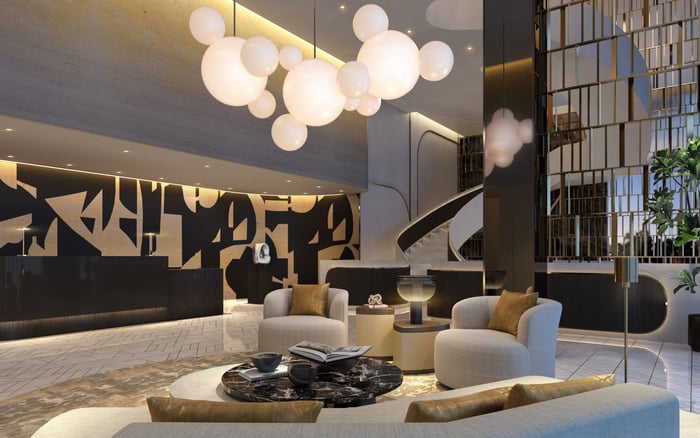
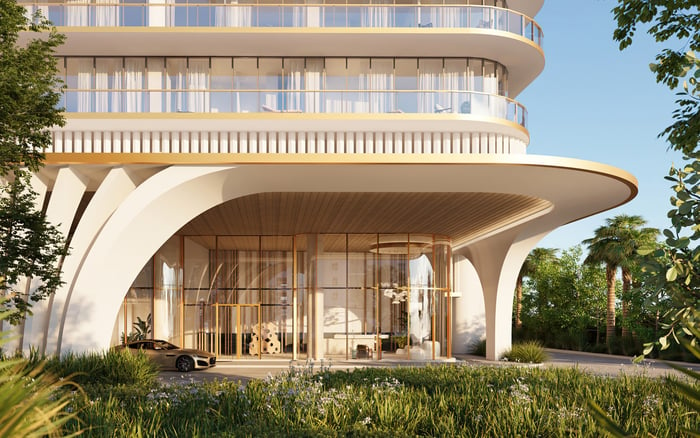
Waldorf Astoria Residences Downtown Miami offers a useful lens on how ultra-luxury buyers are rethinking privacy in the city core. Its highly visible skyline identity is balanced by a residential sequence designed around controlled exposure, separated flows, and a more discreet daily experience.
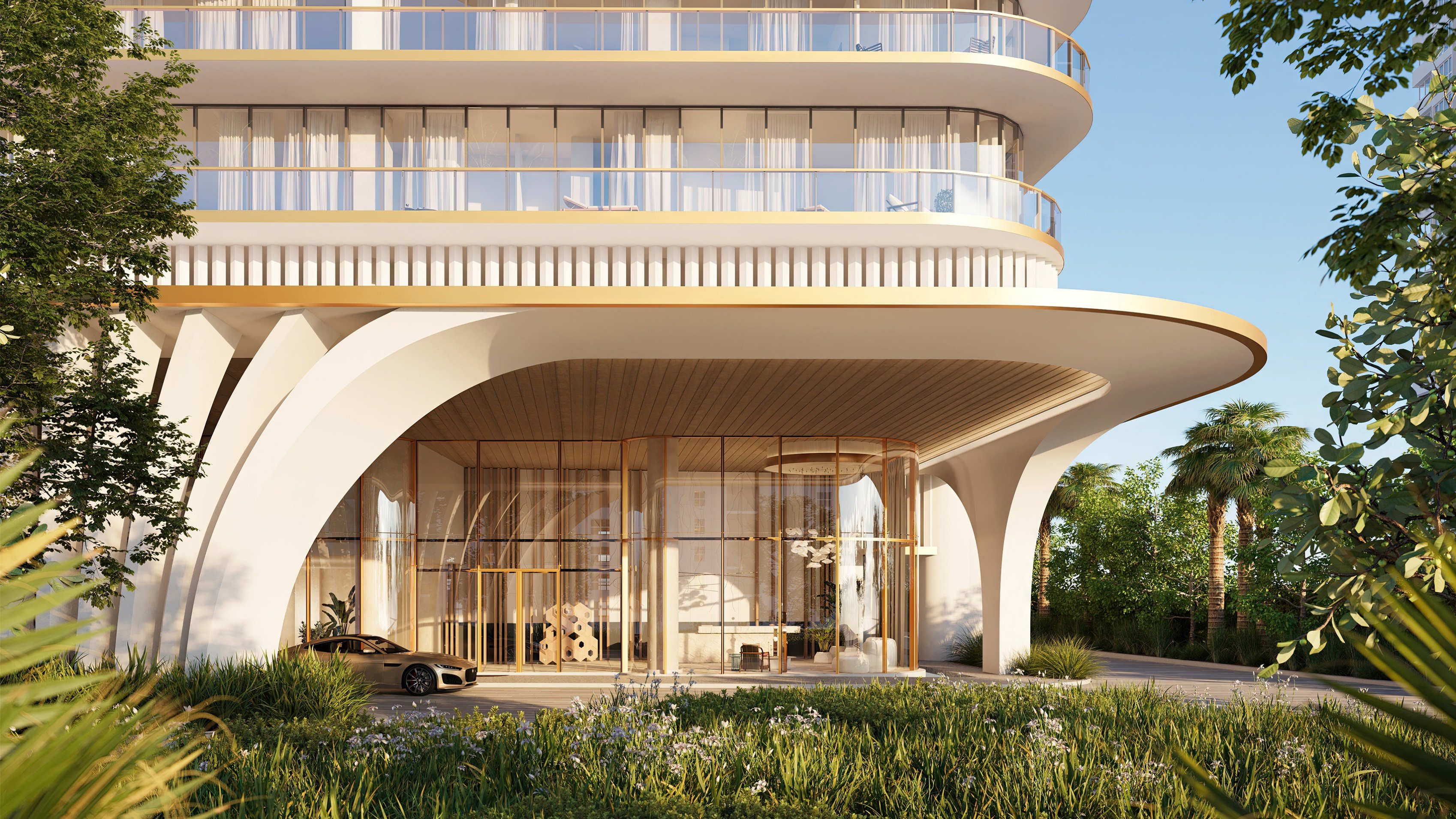
In Downtown Miami, privacy is no longer defined only by distance from the street. For the next generation of ultra-luxury buyers, the more important question is how a resident moves through the building: from curb to lobby, from lobby to residence, and from public visibility into a quieter residential rhythm.
That is where Waldorf Astoria Residences Downtown Miami becomes an especially relevant case study. The tower is positioned as an ultra-luxury branded residential address in one of Miami’s most visible urban districts, while the buyer conversation increasingly focuses on whether the daily experience can feel buffered and discreet inside.
Downtown Miami has always offered proximity. It places residents near business, cultural, waterfront, and transportation energy. The traditional trade-off has been density: more movement, more visitors, and more public-facing activity. Waldorf Astoria Residences Downtown Miami fits the current privacy-first arrival conversation because it treats that density as an operating question rather than a lifestyle afterthought.
In a market where Design & Architecture are part of the luxury language, visibility matters. A recognizable Downtown Miami address can become part of the city’s image, and buyers often understand that a prominent building carries symbolic weight.
Yet the most sophisticated buyers are not simply purchasing visibility. They are purchasing control. The residential experience must feel buffered, with the arrival sequence doing much of the quiet work. In practice, privacy is expressed through how residents enter, how they are routed, how public and private zones are organized, and how daily departures can feel composed rather than exposed.
That balance is increasingly central to Branded Residences across South Florida. A hospitality name can create expectation, but the private residential experience must still stand on its own. The Waldorf Astoria identity gives the project a recognizable luxury frame, while the residential strategy is evaluated through access, movement, and separation.
Privacy-first arrival feels different in Downtown Miami than it does in an island, beach, or boutique enclave. In more traditionally private settings, privacy is often supported by geography. In the urban core, it must be achieved through planning and operations.
Downtown Miami contains offices, cultural venues, visitor traffic, and major transportation flows. That urban energy is part of the appeal, especially for owners who want proximity without retreating from the city. But it also means the first moments of arrival carry more weight. The curb condition, the lobby sequence, and the transition into the residential elevator experience become part of the value proposition.
This is why Waldorf Astoria Residences Downtown Miami helps reframe the neighborhood. It suggests that Downtown does not have to function as a high-traffic compromise for luxury owners. With controlled access and carefully considered circulation, the district can support a more privacy-conscious form of vertical living.
Nearby comparisons deepen the context. Aston Martin Residences Downtown Miami and One Thousand Museum Downtown Miami also belong to the broader conversation around skyline identity and high-end urban living. Waldorf’s particular relevance is the way its brand prominence sits beside a privacy logic focused on reducing exposure during the most routine moments of ownership.
For mixed-use and branded towers, privacy depends on more than attractive common areas. The crucial question is whether the building can distinguish resident circulation from other forms of activity in a way that feels intuitive, calm, and reliable.
For buyers, the issue is not merely whether a building has services. It is whether those services are organized so residents feel insulated from unrelated movement. The more a building can clarify who moves where, and when, the more convincing the privacy promise becomes.
Vertical organization supports this logic. By thinking carefully about public, amenity, service, and residential zones within a dense high-rise format, a tower can make privacy both structural and operational. Discretion is not confined to a private lounge or a controlled door. It is embedded in the stacking of uses and the choreography of movement.
That is why arrival should be read as more than a design feature. In an ultra-luxury tower, arrival is part of the operating strategy. The most elegant lobby loses force if circulation feels porous or unpredictable. The most dramatic architecture feels incomplete if owners cannot move through the building with ease.
The buyer for this kind of residence is not necessarily trying to avoid the city. Often, the opposite is true. The appeal lies in being close to Downtown Miami’s business, cultural, and waterfront energy while maintaining discretion in daily life.
This is an important distinction. Privacy-first does not mean hidden from the world. It means reducing avoidable visibility. It means limiting the performance required to arrive home, host guests, leave for dinner, or return from travel. For high-net-worth owners, those small daily transitions can matter as much as views, finishes, or amenities.
That is why Waldorf Astoria Residences Downtown Miami belongs in the same buyer conversation as other high-design urban residences, including Faena Residences Miami Downtown Miami and Casa Bella by B&B Italia Downtown Miami. The shared theme is not sameness. It is the growing expectation that Downtown luxury must deliver more than an address. It must deliver a composed private sequence within a very public environment.
For New-construction buyers, that sequence is becoming easier to evaluate. Instead of asking only about finishes or amenity programming, they can ask how residents and guests enter, how different types of circulation are handled, where access is controlled, and how the building manages the transition from city intensity to residential calm.
Waldorf Astoria Residences Downtown Miami signals a maturing phase for Downtown Miami luxury. The district is no longer relying solely on views, height, or brand recognition. The conversation is shifting toward the lived experience of ownership: how private it feels, how intuitive the movement is, and how successfully the building converts a busy location into a more insulated home base.
That shift matters because the strongest luxury addresses often resolve a contradiction. Here, the contradiction is between public architectural prominence and private residential life. A building can be a visual marker for the city while still allowing owners to feel shielded inside it.
For buyers, the takeaway is practical. Privacy-first arrival should be evaluated as a system, not a single amenity. It includes controlled access, separated circulation, vertical organization, and the emotional quality of moving from street to residence. In a neighborhood as active as Downtown Miami, those details are not secondary. They are central to whether the address feels genuinely ultra-luxury.
Why is Waldorf Astoria Residences Downtown Miami relevant to privacy-first arrival? It places the idea of controlled residential arrival inside one of Miami’s most visible urban districts.
Does privacy-first arrival mean the tower is hidden? No. A building can be highly visible from the city while still giving residents a more discreet day-to-day experience inside.
What is the main privacy idea behind this conversation? The core idea is controlled exposure as residents move from the street to the lobby and from the lobby to the residence.
Why do separated circulation patterns matter? They help distinguish private residential movement from other forms of building activity, which can make ownership feel calmer.
How does vertical organization support privacy? It allows a dense tower to organize public, amenity, service, and residential zones more deliberately.
Is Downtown Miami compatible with privacy-focused luxury living? Yes, if access, arrival, and residential circulation are planned as part of the tower’s overall operating strategy.
Who is the likely buyer for this privacy model? It appeals to a buyer who wants proximity to Downtown Miami’s energy without unnecessary visibility during daily arrivals and departures.
How does Downtown privacy differ from island or beach privacy? Island and beach privacy often rely more on geography, while Downtown privacy depends more on access, routing, and operations.
Is arrival now part of the luxury value proposition? Yes. In dense urban towers, the arrival sequence can shape whether ownership feels calm, private, and elevated.
What is the best way to shortlist comparable options for touring? Start with location fit, delivery status, and daily lifestyle priorities, then compare stacks and elevations to validate views and privacy.
If you'd like a private walkthrough and a curated shortlist, connect with MILLION.
If branded residences are on your mind — as a home or as an allocation — we would be glad to share what we are seeing, privately.
Begin a quiet conversation