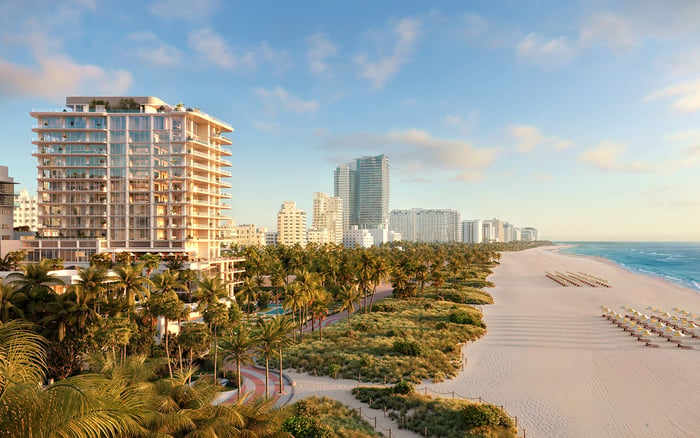
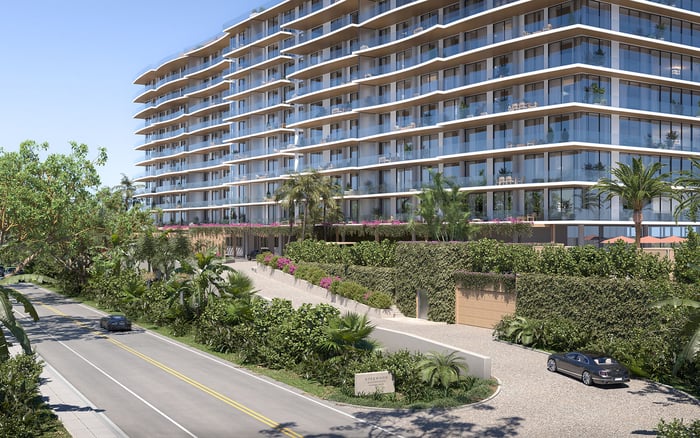
A practical underwriting framework for South Florida buyers evaluating beach access through insurance exposure, HOA obligations, and the daily experience of actually using the shoreline.
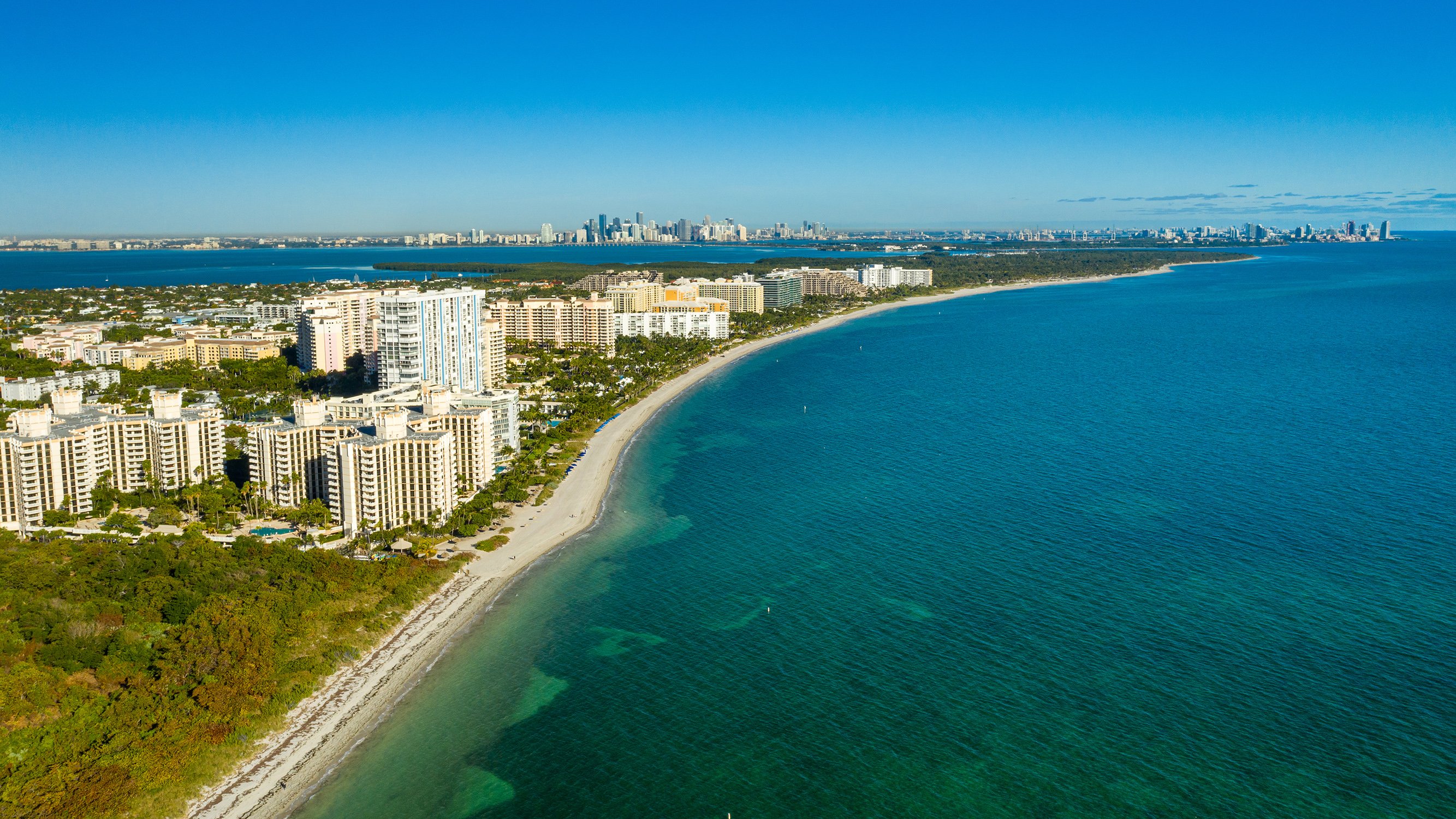
In South Florida luxury real estate, beach access is often reduced to a simple yes-or-no question. A residence is on the sand, across from it, or a short walk away. For a serious buyer, that framing is too narrow. Beach access should be underwritten as a layered privilege: legal access, physical convenience, insurance exposure, association cost, household rhythm, and resale clarity.
The premium attached to the shoreline can be compelling, but only when the experience is durable. A private gate that feels effortless in January may feel less elegant if storage is inconvenient, elevator waits are long, guest rules are restrictive, or insurance costs change the total annual burden. The right question is not merely, “How close is the beach?” It is, “How reliably, comfortably, and economically can this household use the beach over time?”
That is especially true for buyers comparing beach access across Miami Beach, Sunny Isles, Fort Lauderdale, and other South Florida coastal markets. Each label describes a desire, but none replaces underwriting.
The first layer is the nature of the access. Is it direct from the building or community? Is it shared through an easement, a public walkway, a club arrangement, or a neighboring parcel? Does it depend on a staffed gate, a fob, a beach service vendor, or seasonal operating rules? In a luxury purchase, the answer affects privacy as much as convenience.
A buyer should also walk the actual path from the residence to the sand. Begin at the unit door, not the lobby. Time the route through the elevator, garage level, amenity deck, service corridor, gate, dune crossing, or street crossing. Notice where towels, chairs, umbrellas, paddleboards, and children’s items would live. The strongest access feels intuitive when hands are full and the weather is changing.
For second-home owners, the daily-use test is even sharper. If the residence will be occupied in short bursts, the first hour after arrival matters. A great beach property should reduce friction. It should not require a sequence of calls, approvals, storage workarounds, and valet coordination before the shoreline becomes usable.
Insurance should be reviewed as part of the purchase price, not as an afterthought. For condominium buyers, the key distinction is between the building’s master policy and the owner’s individual coverage. The master policy may address the structure and common elements, while the owner still needs to understand interior coverage, personal property, loss assessment exposure, temporary housing needs, and any lender requirements.
Deductibles deserve particular attention. A low headline premium can be less meaningful if the deductible structure creates significant exposure during a major claim. Buyers should ask how deductibles are allocated, whether special assessments could be used, and how prior claims or building characteristics may affect future renewals. The goal is not to predict every event. The goal is to understand the financial range of outcomes.
Single-family or townhouse buyers near the beach should take a similarly disciplined approach. The appeal of private outdoor space, a pool, or a short walk to the sand must be weighed against the full cost of coverage and any exclusions. In all cases, insurance review should happen before emotional momentum overtakes negotiation discipline.
HOA fees are often compared as if they were a simple monthly number. That can be misleading. Two buildings with similar dues may have very different service models, staffing levels, reserve positions, amenity obligations, and capital needs. Conversely, a higher monthly figure may be rational if it reduces surprise costs and supports a better daily experience.
The important exercise is to read the budget line by line. Beach service, security, valet, pool operations, elevator maintenance, landscaping, façade care, mechanical systems, management, reserves, and insurance can all influence the carrying cost. A luxury buyer should understand which items are included, which are billed separately, and which services are optional.
Reserve planning also matters. A building can feel impeccable while still facing future work. The buyer does not need to become an engineer, but the buyer should understand whether the association has a coherent plan for maintaining the property. In a coastal setting, deferred maintenance is not merely aesthetic. It can become financial, operational, and reputational.
The difference between owning beach access and using beach access is daily design. Ask how the building handles sandy feet, wet towels, pets, guests, deliveries, bicycles, surfboards, and children returning from the water. These small details determine whether the beach becomes part of the household’s rhythm or remains a feature admired from the terrace.
For frequent entertainers, guest rules matter. Can family and friends access the beach easily? Are guest chairs included, limited, or separately charged? Is there a clear system for parking, beach attendants, and reentry? Privacy is valuable, but overly rigid procedures can dilute the spontaneity many buyers want.
For wellness-oriented owners, timing matters. Morning swimmers, evening walkers, and weekend families use the property differently. A buyer who expects early walks should test access at that hour. A buyer who plans to host grandchildren should evaluate shade, bathrooms, storage, supervision, and the path back to the residence. The sand may be constant, but the owner’s use case is personal.
Beach access can tempt buyers into focusing on price per square foot. That metric has a place, but it is incomplete. The more useful view is total annual ownership: mortgage cost if applicable, taxes, insurance, HOA fees, reserves for assessments, maintenance, service charges, parking, storage, club costs, and the soft costs of convenience.
A residence that appears less expensive on acquisition may become less compelling if the carrying cost is opaque or the beach experience is inconvenient. Another may command a premium yet offer a cleaner ownership experience, clearer access, stronger service, and better alignment with the household’s actual use.
This is where underwriting becomes personal. An owner who visits six weekends a year may value turnkey service above expansive storage. A full-time resident may prioritize elevator efficiency, quiet access points, and predictable association governance. An investor-minded buyer may care most about liquidity, rules, and the clarity of ongoing obligations. The best answer is the one that fits the intended life of the property.
Before writing an offer, buyers should assemble a concise beach-access file. It should include the governing documents that define access rights, the current HOA budget, recent meeting materials where available, insurance summaries, deductible information, house rules, rental rules if relevant, guest policies, pet policies, beach service details, and any known upcoming capital projects.
Then make the experience tangible. Walk the route at least twice. Visit at a busy time if possible. Ask where equipment is stored. Confirm whether beach attendants are seasonal or year-round. Understand whether access is staffed, locked, public, private, or shared. Review how storms, maintenance, or special events affect normal use.
A disciplined buyer does not need to make the process sterile. The emotional pull of the coast is real and often justified. Underwriting simply protects that emotion by making sure the ownership structure supports it. In the best cases, the beach is not an occasional amenity. It is part of the architecture of the day.
Prioritize clarity over romance. A beautiful shoreline view is powerful, but it should be paired with clear rights, strong building operations, understood insurance exposure, and an HOA model that feels proportionate to the service delivered. The more exclusive the property, the more important the invisible systems become.
Also prioritize fit. The ideal property for a quiet full-time resident may not be the ideal property for a family that hosts often. A residence suited to lock-and-leave ownership may not satisfy someone who wants extensive beach equipment, pets, and daily ocean rituals. The underwriting should begin with the household’s intended use, then test the property against that life.
When those pieces align, beach access becomes more than proximity. It becomes a durable luxury, one that feels natural, protected, and financially legible.
Is direct beach access always worth more? It may command a premium, but value depends on rights, convenience, privacy, carrying costs, and how the owner will actually use the property.
What should I review first in a condo purchase near the beach? Begin with access rights, the HOA budget, insurance structure, house rules, and any documents that affect daily use or future costs.
Why do insurance deductibles matter so much? Deductibles influence how much exposure owners may face during a claim, especially if costs are allocated through the association or owner policies.
Are higher HOA fees always a negative? No. Higher fees may support staffing, maintenance, reserves, and beach services, but they should be understood line by line.
How can I test daily beach convenience before buying? Walk from the unit door to the sand with the household’s real use case in mind, including towels, guests, pets, children, or equipment.
Should second-home buyers underwrite differently? Yes. They should emphasize lock-and-leave convenience, predictable service, clear guest rules, and reduced friction upon arrival.
What is often overlooked in beach-access properties? Storage, elevator flow, guest procedures, service hours, storm protocols, and the path back from the beach are frequently underestimated.
Can beach access affect resale? Clear, convenient, and well-managed access can support buyer confidence, while ambiguity or high friction may narrow the audience.
Should I compare properties by price per square foot? Use it as one metric, but compare total annual ownership and the quality of the beach experience before drawing conclusions.
What makes beach access feel truly luxurious? The best access is private, intuitive, well-serviced, financially transparent, and aligned with the owner’s daily rhythm.
For a discreet conversation and a curated building-by-building shortlist, connect with MILLION.
If branded residences are on your mind — as a home or as an allocation — we would be glad to share what we are seeing, privately.
Begin a quiet conversation