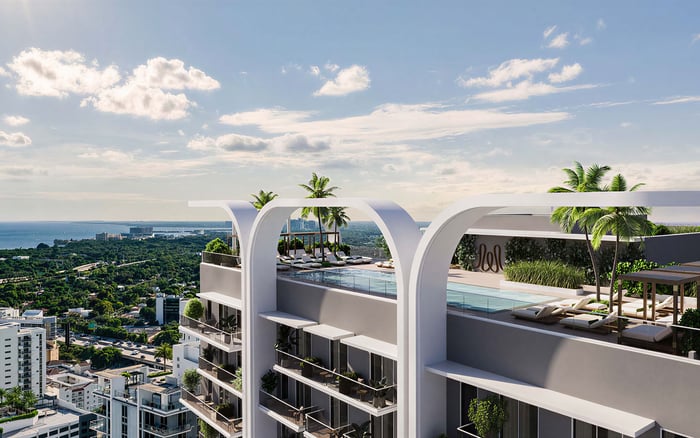
A discreet buyer’s guide to separating true outdoor livability from terrace wind marketing theater in South Florida’s luxury condominium market.
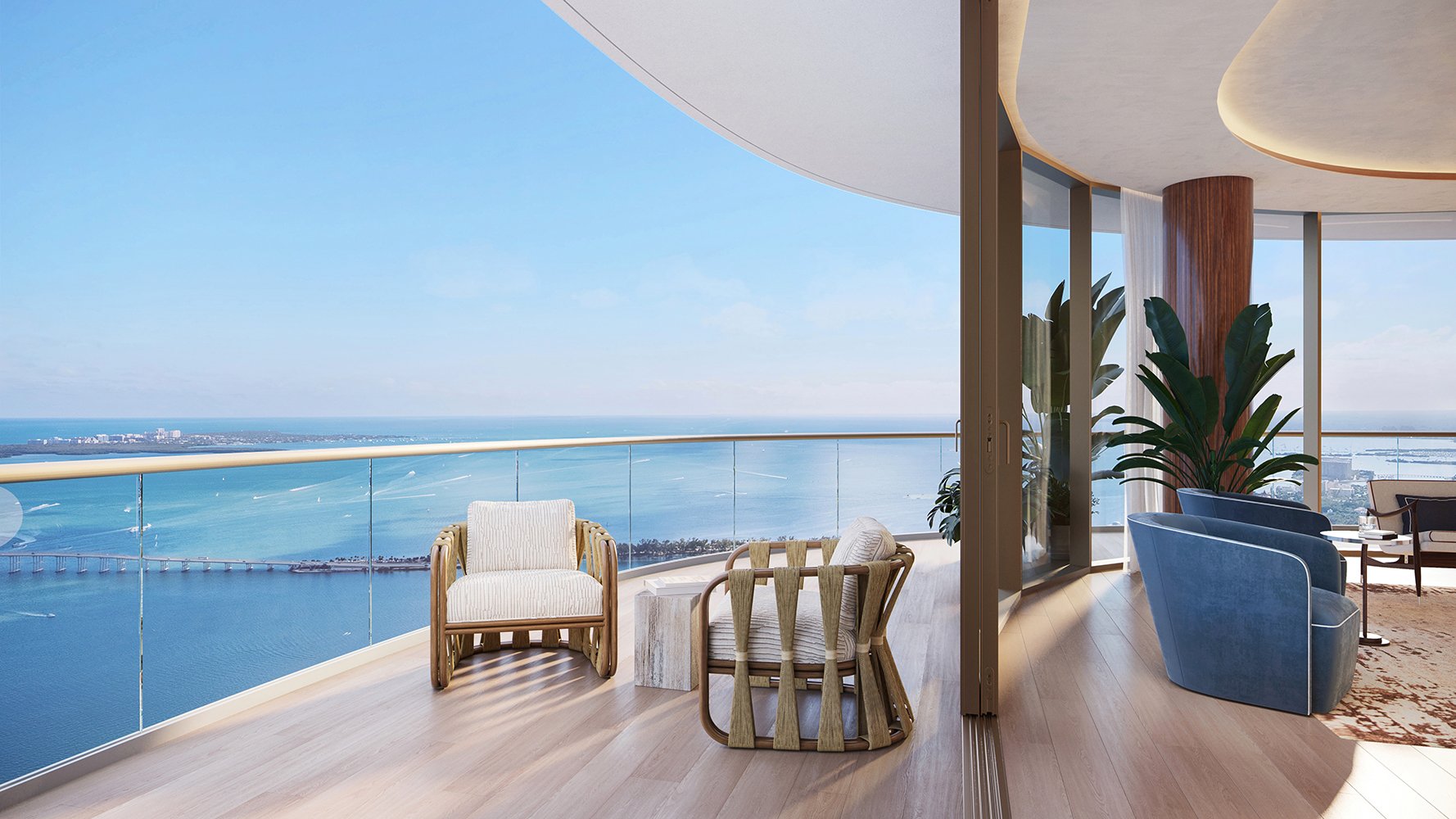
In South Florida luxury real estate, the terrace has become more than an outdoor appendage. It is a private dining room, a sunrise salon, a wellness zone, and often the emotional center of a residence. Yet the language around terrace wind can be surprisingly theatrical. Sales narratives often lean on breeze, openness, and unobstructed air, as if every moving current were a lifestyle amenity. The discerning buyer should listen differently.
Wind is not inherently a defect. In the right condition, it cools, refreshes, and gives a waterfront home its sense of place. The issue is whether the terrace can be used as promised. A spectacular rendering may show linen curtains, a book on a side table, and a sculptural chair placed at the edge of the slab. The practical question is simpler: would those objects remain comfortable, stable, and pleasant during ordinary use?
Marketing theater around wind usually appears when atmosphere replaces specificity. If the conversation lingers on romance and avoids dimensions, exposure, railing design, corner position, overhangs, privacy screens, and furniture zones, the buyer should slow the pace. The terrace should not merely photograph well. It should support a real life.
A breeze is a sensation. Usability is a performance standard. For a buyer considering a high-floor residence, an oceanfront home, or a tower setting in Brickell, the distinction matters. A terrace can feel fresh for five minutes during a tour and still be difficult for dinner, laptop work, light planting, or quiet conversation.
The most useful question is not, “Is it windy?” It is, “What can I reliably do here?” If the answer is limited to standing with a drink and looking at the view, the outdoor space may be more scenic than functional. A true terrace should allow at least some combination of seating, dining, shade, greenery, and movement without feeling improvised.
Buyers should be wary of vague phrases such as “natural ventilation,” “dramatic exposure,” or “open-air living” when they are not paired with practical detail. Those phrases can be sincere, but they can also soften the reality that an outdoor area may be best experienced briefly rather than lived in daily.
The sales gallery is designed to compose a mood. That is its purpose. It is also where terrace wind can become abstraction. Scale models often emphasize orientation and view corridors, while renderings present furniture in perfect equilibrium. Neither is a substitute for asking how the outdoor space behaves.
Listen for whether the representative can discuss the terrace beyond adjectives. Strong answers address where dining is intended, how deep the usable zone feels, whether the corners are more exposed, how privacy elements may affect airflow, and whether the residence has alternative outdoor spaces that feel calmer. Weak answers return to view, elevation, or the prestige of indoor-outdoor living without explaining comfort.
If a terrace is marketed as a year-round room, it deserves room-like scrutiny. Where does a table go? Where would a chaise feel protected? Can doors remain open without the interior becoming unsettled? Would a candle, napkin, or light cushion become an annoyance? These are not fussy questions. They are lifestyle due diligence.
The floor plan is often more revealing than the visual package. Renderings may show the best possible furniture arrangement, while plans disclose whether the terrace is truly deep, whether it narrows at key points, and whether doors interrupt usable areas. A long, shallow balcony can look generous in area language while feeling limited in daily life.
Depth matters because comfort is spatial, not merely numerical. A terrace that accommodates a dining table on paper may still feel exposed if chairs sit too close to the edge or circulation is cramped. Likewise, an oversized terrace can underperform if its best zone is too exposed for frequent use.
Study where the terrace sits in relation to the building mass. Recessed areas may feel more sheltered than projecting corners. Wraparound terraces can be magnificent, yet portions may have very different personalities. One side may invite breakfast while another is better for a brief evening view. The buyer who understands this before contract review is less likely to be surprised later.
Luxury buyers are often conditioned to avoid questions that feel technical. In truth, the best purchases are made when elegance and pragmatism meet. Ask about railing type, parapet height, screens, overhangs, and any design measures intended to make outdoor areas feel comfortable. Ask whether the plan allows wind-protected seating zones or whether all furnishings are pushed toward the most exposed edge.
Do not be embarrassed to discuss furniture. A terrace becomes real only when furnished. If the marketing image shows a dining table, ask what size table is practical. If it shows trees or planters, ask whether the terrace has the depth and protection for them to thrive aesthetically. If it shows soft seating, ask where cushions can stay without constant management.
The most polished answer is not always the most reliable one. A measured, specific answer often indicates that the design team has considered the lived experience. A sweeping answer that treats wind as a synonym for glamour may signal theater.
South Florida buyers often compare residences across very different settings, from Brickell towers to Miami Beach waterfront addresses and Sunny Isles high-rise corridors. Each market carries its own visual promise, but no neighborhood label can guarantee terrace comfort. Even within the same building, exposure, height, corner condition, and plan shape may create different outdoor experiences.
In a buyer’s notes, labels such as terrace, balcony, oceanfront, Brickell, Miami Beach, and Sunny Isles should be starting points, not conclusions. The address may frame the lifestyle, but the individual residence determines whether the outdoor space supports it.
For this reason, avoid buying the collective fantasy of a district. Buy the specific line, the specific plan, and the specific outdoor condition. The view may be shared by many residences. The comfort of the terrace is often more personal.
A sophisticated terrace review is less about skepticism than precision. Ask to understand the intended outdoor living zones. Review the plan at furniture scale. Consider where shade, privacy, planting, and circulation can coexist. If possible, experience comparable spaces in person, especially those with similar height, exposure, and building geometry.
If the terrace is central to the purchase, treat it as a primary room. Do not let it become a bonus feature evaluated after finishes and amenities. For many buyers, the terrace is where the residence earns its premium every morning and evening. It deserves the same seriousness as the kitchen, primary suite, or parking configuration.
The best terrace does not need exaggerated language. It reveals itself through proportion, protection, and plausible use. When the marketing becomes louder than the design, step closer to the details.
What is terrace wind marketing theater? It is the use of glamorous language or imagery to imply outdoor comfort without explaining how the terrace will actually perform.
Is wind always a negative for a luxury terrace? No. A comfortable breeze can be part of the appeal, but the terrace must still support daily use.
What should I ask first about a terrace? Ask what activities the space is realistically designed to support, such as dining, lounging, or planting.
Are renderings reliable for judging terrace comfort? Renderings can show design intent, but they should not replace plan review and practical questions.
Does a larger terrace always mean a better terrace? Not necessarily. Shape, depth, shelter, and furnishing zones can matter as much as overall size.
Why does terrace depth matter? Depth affects whether furniture can be placed comfortably without crowding circulation or exposed edges.
Should buyers worry about corner terraces? Corner terraces can be exceptional, but buyers should ask whether different sides have different comfort levels.
Can railings and screens affect terrace comfort? Yes. Edge conditions, privacy elements, and overhead protection can influence how usable a space feels.
How should I compare terraces between buildings? Compare the specific residence, plan, exposure, and outdoor zones rather than relying on neighborhood reputation.
When should terrace analysis happen in the buying process? It should happen early, especially if outdoor living is a central reason for the purchase.
For a discreet conversation and a curated building-by-building shortlist, connect with MILLION.
If branded residences are on your mind — as a home or as an allocation — we would be glad to share what we are seeing, privately.
Begin a quiet conversation