Private-chef access is best understood as a service ecosystem, not a brochure flourish. Luxury buyers should evaluate scheduling, privacy, kitchen design, staffing boundaries, and entertaining logistics before assigning value to the amenity.
Private-chef access is instantly seductive. It suggests candlelit dinners without the reservation chase, wellness menus after a morning swim, and a house full of guests served without the household feeling invaded. Yet for a serious luxury buyer in South Florida, the phrase should not be read as a hotel-style promise. It should be read as an operating system.
The distinction matters. A tourist asks whether a chef can be arranged. A buyer asks who arranges the chef, how often the service can be used, where prep happens, who handles provisioning, how privacy is protected, and whether the experience remains elegant when ten guests arrive at once. In the ultra-premium market, access is not the luxury. Frictionless access is.
That is why the smartest buyers treat private-chef access as part lifestyle, part infrastructure, and part governance. It touches the residence, the building staff, the service culture, and the way the property supports quiet entertaining. When those pieces align, the amenity can become part of daily life. When they do not, it becomes a polished line in a sales presentation.
The word “access” can mean several things. It may refer to a preferred roster of chefs, concierge assistance, catering coordination, a reservable dining room, or a more structured food and beverage relationship. A luxury buyer should separate the romance from the mechanics.
Ask whether the building simply makes introductions or manages the experience. Introductions are useful, but they can still leave the owner responsible for timing, menus, service flow, cleanup, and special requests. A more developed program may offer clearer pathways for planning, staffing, and delivery. Neither model is automatically better, but they support different lifestyles.
A pied-à-terre owner who visits seasonally may value dependable coordination above culinary variety. A full-time resident who entertains often may care more about flexibility, recurring relationships, and control over the tone of service. A family may ask whether casual weeknight meals are treated with the same grace as formal dinners. In Brickell, where buyers may compare residences such as ORA by Casa Tua Brickell, the right question is not whether the amenity sounds cosmopolitan. It is whether it will behave predictably on a Tuesday night.
A private-chef experience begins long before the first course. It begins with the food path. Where do ingredients arrive? Who receives them? Can deliveries be staged discreetly? Is there room for cold storage, prep, plating, and waste removal without turning the owner’s residence into a back-of-house corridor?
This is where luxury buyers should slow down during a tour. Look at the service elevator strategy, the distance from loading or reception to the residence, and the practical route from kitchen to dining terrace. Ask how staff enter and exit. Ask whether a chef working inside the residence can function without disrupting family members, overnight guests, or a private meeting elsewhere in the home.
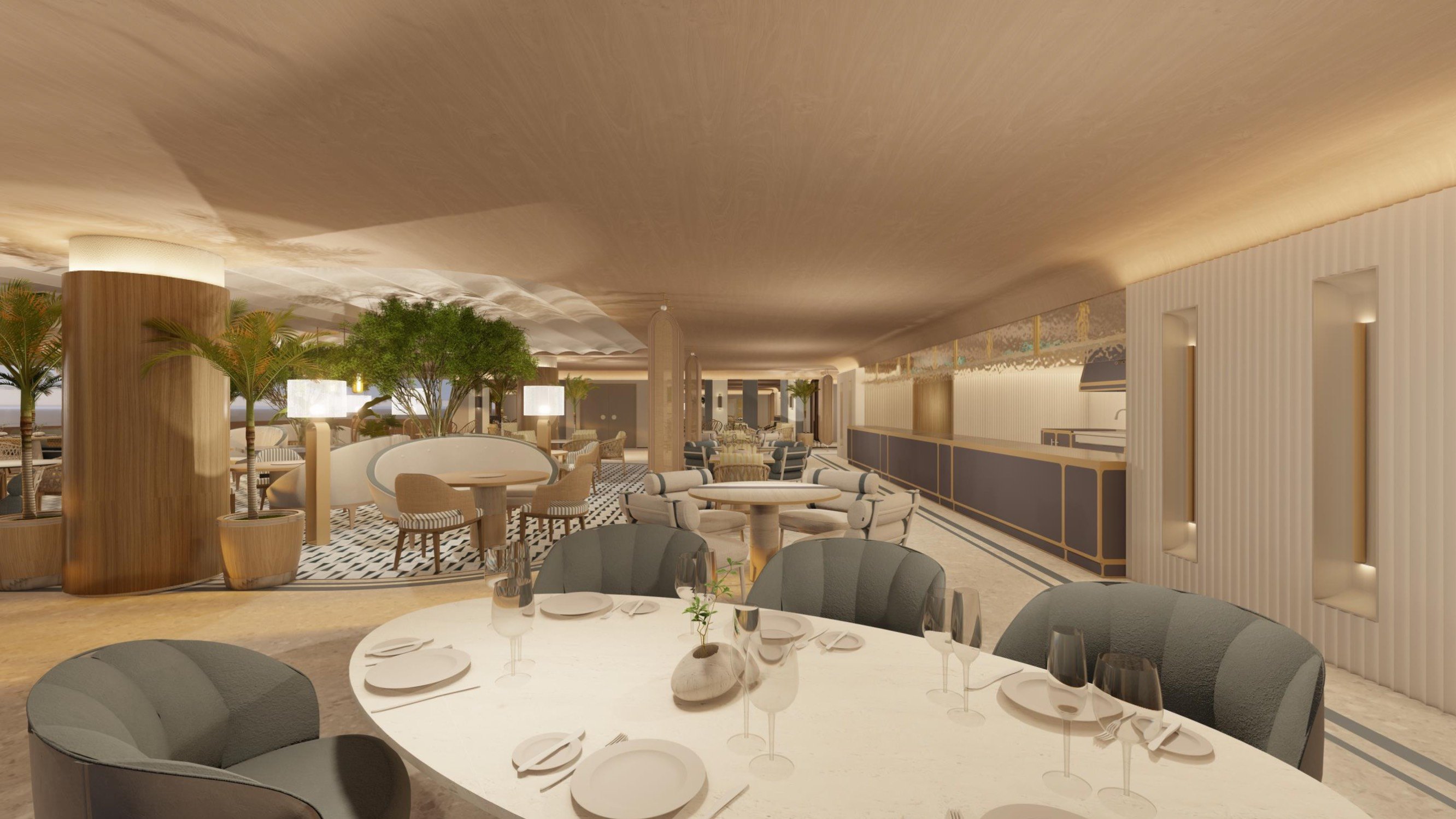
The same logic applies to amenity dining rooms. A beautifully photographed private dining space is not the same as a well-run one. Consider acoustics, circulation, lighting control, restroom proximity, and whether guests can arrive without feeling as though they are passing through a public lobby moment. A dining room should feel residential, not rented.
Private-chef access does not make the residence kitchen less important. It makes it more important. Even the strongest chef relationship will be constrained by insufficient prep space, awkward appliance placement, weak ventilation, or a layout that pushes staff through the social center of the home.
For buyers who entertain seriously, the kitchen should be read in two layers. The visible layer is for family, guests, and everyday elegance. The working layer is for movement, storage, service, and cleanup. The best residences allow both to coexist. Guests can gather around a refined island while a chef maintains order behind the scenes. The evening feels relaxed because the plan was built into the room.
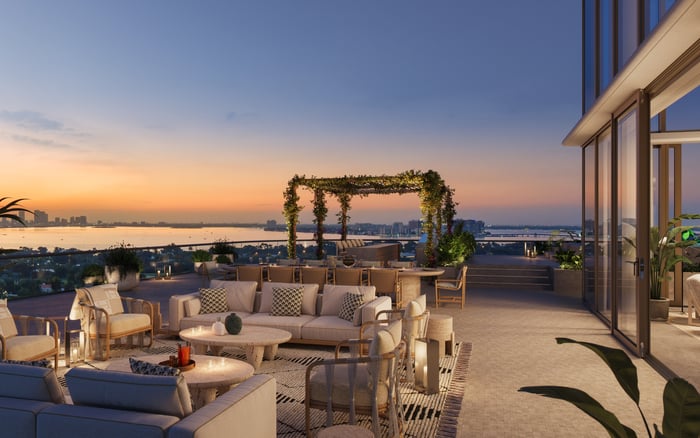
In Miami Beach, a buyer touring The Perigon Miami Beach should think beyond finishes and views. The more precise question is how the kitchen, dining area, terrace, and staff circulation work together when the home is alive with people. Luxury is not only what the guest sees. It is what the owner never has to manage visibly.
For ultra-high-net-worth buyers, privacy is often more valuable than novelty. Private-chef access should never feel like a public performance unless the owner wants it to. The best arrangements allow residents to decide how visible the chef, servers, deliveries, and cleanup will be.
That means asking about protocols. Can staff be pre-cleared? How are guest names handled? Are vendors logged in a way that protects discretion? Can a dinner be arranged without broadcasting the owner’s plans across the building? If the chef is using an amenity kitchen or private dining suite, how is the space reserved, accessed, and reset?
The answers reveal the building’s service maturity. A residence can have exquisite materials and still feel operationally exposed. Conversely, a quieter building with thoughtful staff choreography can deliver a more refined experience. In markets such as Surfside, where privacy is a defining part of the buyer mindset, residences such as The Delmore Surfside invite this deeper reading of service, space, and discretion.
An amenity is only as useful as its availability. Buyers should ask how far in advance private-chef experiences must be booked, whether preferred dates are competitive, and whether holiday periods operate differently. The point is not to interrogate for sport. It is to understand whether the amenity matches the buyer’s rhythm.
Some owners plan dinners weeks ahead. Others decide at noon that six people are coming after sunset. If spontaneity matters, clarify what can realistically be arranged on short notice. If formal entertaining matters, ask how the building handles multiple residents seeking the same private dining spaces during peak periods.
This is particularly relevant for seasonal residents, who may compress their social life into a few intense weeks. A service that is lovely in theory but strained during the moments an owner actually uses the property has limited value. Luxury buyers should be kind, direct, and specific: “If I arrive next Friday and want dinner for eight on Saturday, what happens?”
Private-chef access depends on human judgment. Menus can be printed, but hospitality is interpreted. The concierge, management team, chef, servers, valet, security, and housekeeping all contribute to whether the evening feels seamless.
During a tour, observe tone. Does the staff speak in polished generalities, or can they explain how an evening would actually unfold? Do they understand boundaries, or do they overshare? Are they comfortable discussing dietary preferences, children, pets, elderly guests, late arrivals, and last-minute changes without making the owner feel demanding?
The most impressive buildings do not merely offer service. They understand pacing. A dinner should not feel rushed because another resident wants the room. A chef should not be waiting awkwardly in a hallway. A host should not be asked operational questions while guests are arriving. These small details separate a residential service culture from a hospitality theme.
Private-chef access has different meanings for different buyers. For a wellness-driven owner, it may be about clean daily meals, personalized nutrition, and consistency. For a collector who entertains around art, it may be about intimate dinners with carefully controlled lighting and sound. For a boating family, it may be about an easy lunch after a day on the water. For a finance or technology executive, it may be about hosting without leaving the residence.
In Sunny Isles, a buyer considering St. Regis® Residences Sunny Isles may evaluate private-chef access differently from a buyer focused on a low-key pied-à-terre near the sand. Both can be right. The amenity becomes valuable only when it aligns with how the owner actually lives.
This is why buyers should avoid being dazzled by the phrase itself. Ask for scenarios. Breakfast for two. Lunch for children and grandparents. A quiet anniversary dinner. A cocktail reception that transitions into a seated meal. A chef-prepared recovery menu after travel. If the answers feel vague, the access may be thinner than the language suggests.
A disciplined buyer can evaluate private-chef access with a short but serious set of questions. Who owns the relationship with the chef or culinary team? Are menus custom, fixed, or curated from a limited range? What costs are separate from ownership expenses? Are gratuities, service staff, rentals, special ingredients, and cleanup handled directly by the owner or coordinated through the building?
Also ask what happens when expectations change. Can the chef accommodate dietary restrictions? Can children be served earlier? Can wine service be coordinated? Can the meal move from indoor dining to a terrace if weather allows? If a guest cancels or two additional guests arrive, is the system graceful or brittle?
Finally, ask whether the residence itself was designed for the amenity. A buyer should be able to imagine the complete sequence from arrival to dessert. If that sequence feels natural, the amenity may have real lifestyle weight. If it requires constant workarounds, it should be valued more cautiously.
What does private-chef access usually mean in a luxury residence? It generally means some form of chef coordination, introduction, or dining support. The exact scope should be confirmed before assigning value.
Is private-chef access the same as having an in-house restaurant? No. A chef-access amenity may be more private and flexible, while a restaurant-style offering may operate with different rules, menus, and hours.
What is the most important question to ask during a tour? Ask who manages the experience from booking through cleanup. That answer reveals whether the amenity is operational or merely aspirational.
Should I care more about the amenity kitchen or my residence kitchen? Both matter. Your residence kitchen determines how naturally private dining fits into daily life and entertaining.
How do I evaluate privacy around chef services? Ask how vendors are approved, how deliveries are handled, and whether staff movement can remain discreet.
Can private-chef access support everyday living? It can, if the program allows recurring meals, dietary preferences, and reliable scheduling. Occasional event support is a different level of service.
Are private dining rooms always valuable? They are valuable when they feel residential, available, and well managed. A beautiful room with difficult booking rules may be less useful.
What costs should I clarify? Clarify chef fees, ingredients, service staff, rentals, gratuities, cleanup, and any building-related charges.
Does this amenity matter for resale? It can enhance lifestyle appeal, especially for buyers who entertain or value convenience. Its importance depends on execution and buyer priorities.
How should I compare buildings with similar chef language? Compare actual procedures, staff confidence, privacy protocols, and how the residence layout supports service.
For a tailored shortlist and next-step guidance, connect with MILLION.
If branded residences are on your mind — as a home or as an allocation — we would be glad to share what we are seeing, privately.
Begin a quiet conversation