A practical, luxury-buyer guide to reading Miami condominium board minutes before purchasing a resale residence, with emphasis on assessments, reserves, recertification, insurance, contracts, rules, and timing within Florida resale due diligence.
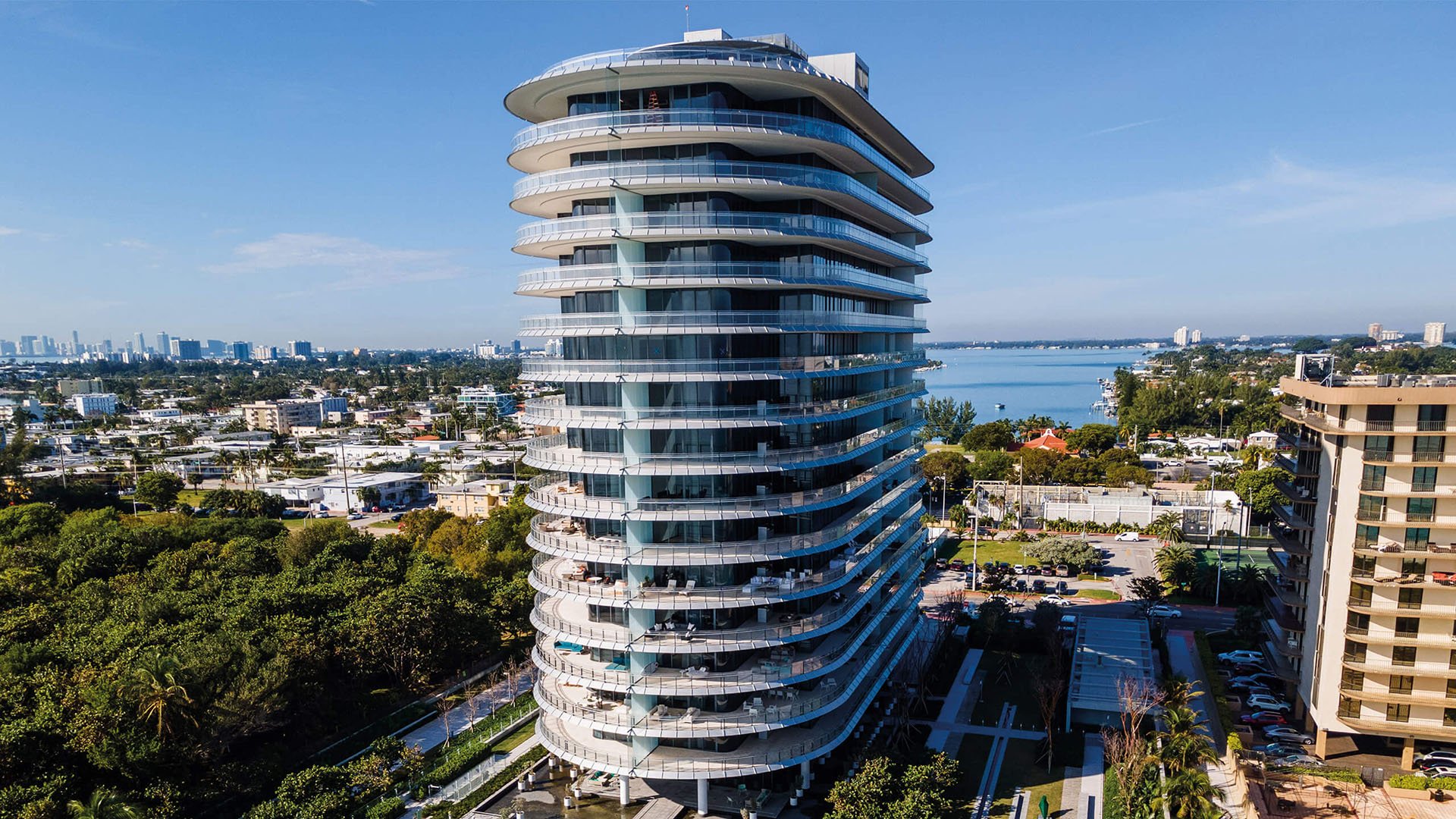
A Miami condominium can present beautifully: glass, water, valet, private elevators, and a lobby with hotel-level polish. Board minutes show what is happening beneath that surface. For a resale buyer, they are not casual reading. They are part of the association’s official records and may reveal whether a building is quietly preparing for special assessments, insurance pressure, structural work, litigation, rule changes, or major capital projects.
In Florida, minutes should be requested through the seller, the unit owner, or the seller’s authorized representative, because inspection rights belong to unit owners and their authorized representatives. Associations generally must make official records available within 10 working days after receiving a written request. That timing matters because resale buyers have a statutory cancellation window after receiving required condominium documents. If the minutes arrive late, the buyer may have less room to negotiate, investigate, or exit.
Luxury buyers often compare a resale residence with new offerings such as The Residences at 1428 Brickell or The Perigon Miami Beach. Board minutes move that comparison beyond finishes and views, into governance, capital planning, and future cost exposure.
Minutes should never be read in isolation. Ask for the declaration, articles, bylaws, rules, most recent year-end financial information, and governance form, all of which are part of the resale document framework. Then ask for budgets, financial reports, accounting records, contracts, bids, and insurance policies, which are also association records.
The objective is straightforward: match what the board has discussed with what the official financial and legal documents disclose. If the minutes mention budget pressure, compare that language with the year-end financial report. If they mention contract approvals, ask to see the contracts and bids. If they mention insurance, review the current policies. If they mention assessments or unpaid amounts, compare the discussion with the estoppel certificate, which must disclose regular assessments, amounts due, special assessments, and other monetary obligations tied to the unit.
This is where resale due diligence becomes investment discipline. A waterfront residence may feel like a lifestyle acquisition, but the association’s records show whether the shared building is being managed with the same precision expected inside the unit.
The most important minutes are often the least theatrical. Search for words such as assessment, deficit, reserve, waiver, funding, repair, engineering, bid, increase, and loan. Florida condominium budgets must address reserves for capital expenditures and deferred maintenance, so reserve discussions are central to determining whether today’s monthly dues reflect tomorrow’s obligations.
Special assessments require particular attention because condominium bylaws must address notice and meeting requirements for assessments and board actions. Minutes can show whether an assessment was merely discussed, formally approved, deferred, or tied to a specific project. They can also reveal whether owners have been warned about probable cost increases that have not yet appeared in marketing materials or casual conversation.
In towers with extensive amenities, waterfront exposure, elevators, garages, pools, and complex mechanical systems, a small line item can become a meaningful owner obligation. The issue is not whether a building has expenses. Every serious condominium does. The question is whether the board is anticipating them, funding them, and documenting decisions clearly.
For many residential condominium buildings, Florida law now requires structural integrity reserve studies. Any minutes referencing SIRS timing, engineering findings, reserve funding, or component estimates deserve careful review. Pay particular attention to roofs, load-bearing walls, floors, foundations, fireproofing, plumbing, electrical systems, waterproofing, windows, and exterior painting, because those categories are tied to the structural integrity reserve study framework.
Miami buyers should also look for milestone-inspection and recertification language. Florida requires milestone inspections for certain condominium and cooperative buildings three stories or higher, and Miami-Dade building recertification requirements can bring engineering reports, repair schedules, extensions, and funding decisions into the minutes. A reference to an engineer’s report is not automatically a problem. A pattern of delay, unresolved bids, or repeated funding debates may be.
For buyers considering oceanfront or coastal assets, this review is especially important. A residence near the sand, such as a resale alternative to Jade Signature Sunny Isles Beach or The Delmore Surfside, may sit in a market where structural planning, waterproofing, exterior systems, and insurance are part of the asset story.
Insurance is one of the clearest windows into a condominium’s risk profile. Current insurance policies are association records, and minutes may show premium discussions, coverage questions, deductible issues, or board debates about renewals. If insurance costs are rising or coverage is being adjusted, the budget and assessments should tell the same story.
Litigation references require nuance. Some attorney-client privileged matters, pending litigation strategy, and personnel issues may be exempt from owner inspection. A buyer may not receive every detail. Still, minutes can reveal the existence of disputes, settlement discussions, construction claims, collection activity, or recurring legal expenses. The right response is not panic. It is deeper review with counsel and a clear understanding of whether litigation could affect assessments, financing, insurance, or future marketability.
Unpaid assessments, collections, and foreclosures should also be noted. Unpaid assessments can become liens against units. A building with persistent collection issues may face cash-flow stress, even if the common areas appear immaculate.
Board minutes are not only about money. They also show how a building lives. Rule changes, rental restrictions, pet policies, amenity access, guest procedures, renovation rules, contractor hours, and use restrictions can materially affect a buyer’s enjoyment of the residence. Those governance rules are anchored in the declaration, bylaws, articles, and rules that resale purchasers must receive.
Minutes can also help confirm whether major decisions were made at properly noticed meetings. Board meetings are generally open to unit owners, and a well-kept minute record often reflects a more transparent culture. Sparse, inconsistent, or evasive minutes do not automatically mean a building is troubled, but they do justify more questions.
A strong board does not avoid hard topics. It documents them, obtains bids, reviews financial impact, and communicates decisions. That is the quiet luxury of condominium ownership: not just a beautiful lobby, but a building whose governance can withstand scrutiny.
Begin with the most recent minutes and work backward until patterns appear. Identify every mention of assessments, reserves, insurance, engineering, recertification, litigation, collections, contracts, and rule changes. Then create a short issue log with three columns: what was discussed, what document should confirm it, and who must answer the follow-up question.
Compare assessment discussions with the estoppel certificate. Compare reserve and budget comments with the annual financial report. Compare contract approvals with bids and written agreements. Compare insurance remarks with current policies. Compare rule discussions with the actual governing documents.
Finally, review the timeline against your contract rights. Minutes should be evaluated early enough to act before the statutory cancellation window expires. If an issue is material, ask for clarification before closing, not after the keys are delivered.
Are board minutes official records in a Florida condominium? Yes. Meeting minutes are among the official records a Florida condominium association must maintain.
How should a Miami resale buyer request board minutes? The request should generally be made through the seller, unit owner, or the seller’s authorized representative.
How quickly must an association provide official records? Florida condominium associations generally must make official records available within 10 working days after a written request.
What should I read alongside the minutes? Review the budget, financial reports, contracts, bids, insurance policies, accounting records, governing documents, and estoppel certificate.
Why are special assessments so important? They can signal near-term owner cost exposure and should be checked against notices, minutes, bylaws, and the estoppel certificate.
What is the significance of SIRS in the minutes? Structural integrity reserve study discussions can reveal future funding needs for major building components.
Should recertification references concern Miami buyers? They deserve attention because engineer reports, repairs, extensions, and funding decisions may affect future costs.
Can all litigation details be inspected? Not always. Certain privileged, litigation strategy, and personnel records may be exempt from inspection.
Do rule changes matter before buying? Yes. Rental, pet, renovation, amenity, and guest rules can affect how the residence may actually be used.
When should minutes be reviewed? Review them as early as possible, before cancellation rights expire and before closing leverage narrows.
When you're ready to tour or underwrite the options, connect with MILLION.
If branded residences are on your mind — as a home or as an allocation — we would be glad to share what we are seeing, privately.
Begin a quiet conversation